
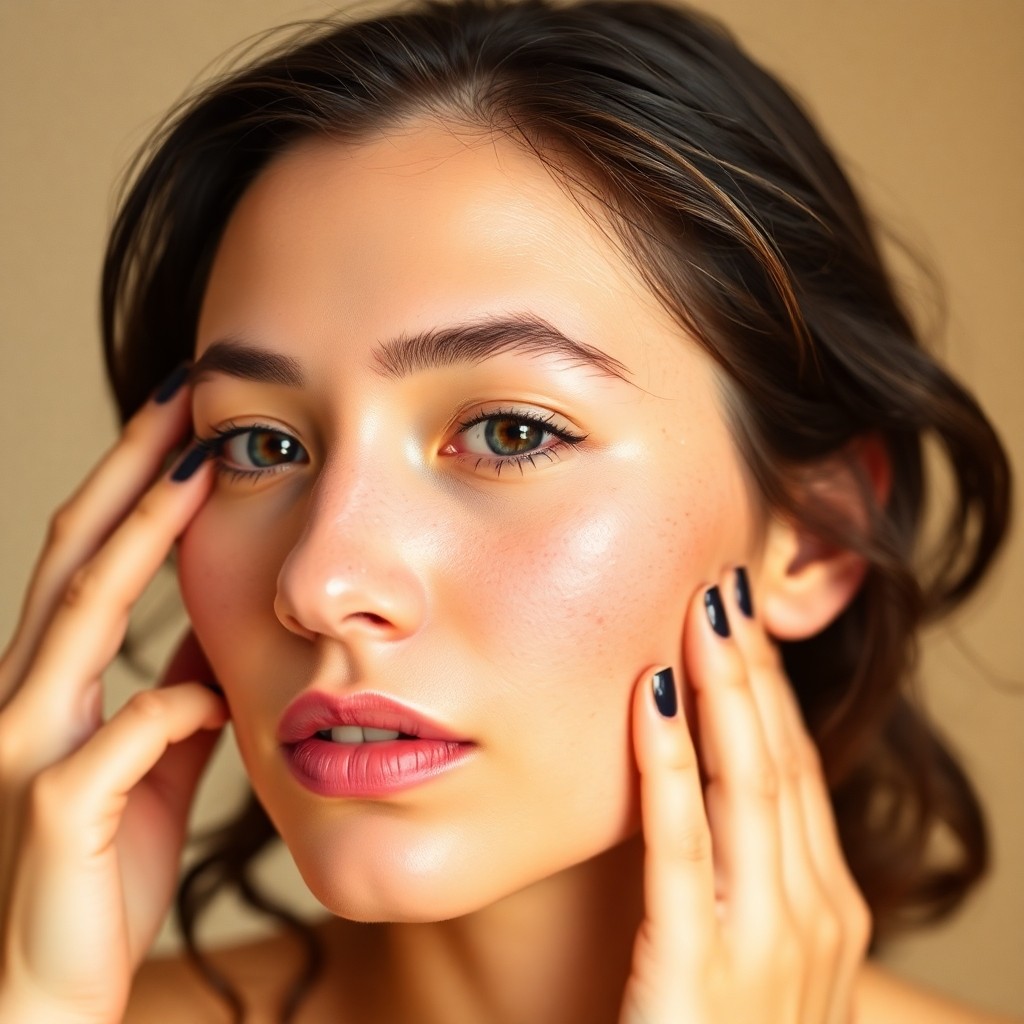
“I’ll never forget Sarah, a 32-year-old teacher who came to my clinic frustrated after years of battling blackheads. She’d tried pore strips, scrubs, and even toothpaste—only to see her skin become more irritated and her blackheads return within days. As a board-certified dermatologist with over 15 years of clinical experience, I’ve seen this story play out countless times. The truth is, blackheads are not a sign of dirt or poor hygiene; they are a biological process rooted in how your skin’s oil glands and dead cells interact. One of the most important dermatological principles I teach is that effective skincare treats the cause, not just the symptom—and blackheads are no exception.
Blackheads, or open comedones, form when a pore becomes clogged with a mixture of sebum and dead skin cells, and the top remains open to the air. The dark color is not dirt but oxidation—a chemical reaction similar to when a sliced apple turns brown. While they are a non-inflammatory form of acne, according to the American Academy of Dermatology, they can easily become inflamed if picked or extracted incorrectly. The good news is that with the right, evidence-based approach rooted in decades of clinical research, you can clear existing blackheads and prevent new ones from forming. This guide delivers the science-backed strategies I use in my own practice every day.”
Table of Contents
- Understanding the Science of Blackheads
- The Do’s and Don’ts of Blackhead Removal
- Ingredient Spotlight: Salicylic Acid and Beyond
- Professional Extraction and Treatments
- Building a Long-Term Prevention Routine
- Frequently Asked Questions
- Conclusion
Understanding the Science of Blackheads
To effectively treat blackheads, it is essential to understand how they form. Each hair follicle on your skin contains a sebaceous gland that produces sebum, an oily substance designed to keep skin lubricated and protected. Blackheads occur when this oil combines with dead skin cells that have not shed properly, creating a plug inside the follicle. When the follicle wall bulges and the opening remains open, the material inside oxidizes and turns black. This process is driven by several factors, including hormonal fluctuations, genetics, and the use of pore-clogging (comedogenic) products. The American Academy of Dermatology (AAD) emphasizes that blackheads are a form of non-inflammatory acne, meaning they do not involve redness or swelling, but they can become inflamed if improperly handled.
The Do’s and Don’ts of Blackhead Removal
Many people attempt to remove blackheads with aggressive methods that can damage the skin. A dermatologist-guided approach prioritizes safety and efficacy.
The Do’s
- Do use a La Roche-Posay Toleriane Hydrating Gentle Cleanser twice daily. Over-washing can strip the skin of its natural moisture, leading to increased oil production. Use a mild, non-comedogenic cleanser.
- Do exfoliate regularly with chemical exfoliants. Beta hydroxy acids (BHAs) like salicylic acid are particularly effective because they are oil-soluble and can penetrate deep into the follicle to dissolve the plug. A study published in the Journal of the American Academy of Dermatology confirms the efficacy of salicylic acid in treating comedonal acne.
- Do consider professional extraction. A dermatologist or licensed esthetician can safely remove stubborn blackheads using sterile tools. This minimizes the risk of scarring and infection.
- Do incorporate retinoids. Over-the-counter or prescription retinoids (like adapalene or Tretinoin Cream 0.1% (Prescription Required)) speed up cell turnover and prevent the formation of new comedones. The National Institutes of Health (NIH) notes that topical retinoids are a cornerstone of acne treatment.
The Don’ts
- Don’t pick, squeeze, or scratch. This can rupture the follicle wall, push the contents deeper into the skin, and cause inflammation, hyperpigmentation, or permanent scarring.
- Don’t overuse pore strips. While pore strips can provide immediate visual results, they only remove the top of the plug and can strip away the skin’s protective barrier if used too frequently. They are a temporary fix, not a solution.
- Don’t use harsh physical scrubs. Scrubbing with abrasive particles can cause micro-tears in the skin, leading to irritation and increased oil production as a compensatory response.
- Don’t ignore your moisturizer. Skipping moisturizer can paradoxically make blackheads worse. When skin is dehydrated, it may produce more oil to compensate. Use an oil-free, non-comedogenic moisturizer.
Ingredient Spotlight: Salicylic Acid and Beyond
Effective blackhead treatment relies on specific active ingredients that target the root cause of clogged pores.
Salicylic Acid (Paula’s Choice Skin Perfecting 2% BHA Liquid Exfoliant)
Salicylic acid is the gold standard for treating blackheads. As a beta hydroxy acid, it is lipid-soluble, meaning it can penetrate the oil within the follicle. It works by breaking down the intercellular bonds that hold dead skin cells together, allowing them to shed more easily. The AAD recommends salicylic acid for comedonal acne. It is available in cleansers, toners, serums, and leave-on treatments, typically in concentrations between 0.5% and 2%.
Glycolic Acid (The Ordinary Glycolic Acid 7% Toning Solution)
While not as effective for deep pore penetration, glycolic acid (an alpha hydroxy acid) works on the skin’s surface to exfoliate dead skin cells. It can help improve overall skin texture and prevent the superficial buildup that contributes to clogged pores. It is an excellent complement to a BHA.
Niacinamide
This form of vitamin B3 is a multi-tasking ingredient that helps regulate sebum production. A study in the International Journal of Dermatology found that topical niacinamide can significantly reduce sebum excretion rates. Less oil in the follicle means a lower chance of forming a blackhead.
Retinoids
Retinoids (vitamin A derivatives) are powerful cell-communicating ingredients that accelerate skin cell turnover. They help normalize the shedding of dead skin cells, preventing them from building up inside the pore. Adapalene (Differin) is available over the counter, while tretinoin is available by prescription. The Mayo Clinic notes that retinoids are highly effective for treating and preventing comedonal acne.
Clay and Charcoal
These ingredients are often found in masks. They act like a sponge, absorbing excess oil and impurities from the skin’s surface. While they can provide a temporary mattifying effect, they do not penetrate the pore to remove the plug. They are best used as a supplementary treatment 1-2 times per week.
Professional Extraction and Treatments
For stubborn or deep blackheads, professional intervention can be the most effective route.
Manual Extraction
A dermatologist or licensed esthetician uses a sterile metal extractor tool with a small loop or spoon. They apply gentle, even pressure around the blackhead to express the contents. This is far safer than at-home squeezing because it minimizes trauma to the skin. The AAD advises that if you choose to have extractions, they should only be performed by a professional.
Chemical Peels
A medical-grade chemical peel, often containing a high concentration of salicylic acid or glycolic acid, can deeply exfoliate the skin and clear out multiple clogged pores at once. This is a more intensive treatment that can produce significant improvement in skin texture and clarity.
Microdermabrasion
This procedure uses a specialized device to gently abrade the top layer of the skin, removing dead skin cells and surface debris. While it does not deeply unclog pores, it can improve the appearance of blackheads and smooth skin texture.
Prescription Medications
If over-the-counter treatments are not effective, a dermatologist may prescribe stronger medications, such as a higher-concentration retinoid (tretinoin, tazarotene) or a combination medication like clindamycin/benzoyl peroxide or clindamycin/tretinoin. These can dramatically reduce the formation of new blackheads.
Building a Long-Term Prevention Routine
Consistency is the key to preventing blackheads from returning. A simple, targeted daily routine can keep pores clear.
Morning Routine
- Gentle Cleanser: Wash with a low-foaming, non-comedogenic cleanser.
- Salicylic Acid Toner or Serum (optional): If your skin tolerates it, apply a leave-on salicylic acid product. Start with a low concentration (0.5% to 1%) a few times a week.
- Oil-Free Moisturizer: Hydrate with a lightweight, gel-based moisturizer.
- EltaMD UV Clear Broad-Spectrum SPF 46 (SPF 30+): This is non-negotiable. Many acne-fighting ingredients increase sun sensitivity. Use a non-comedogenic, oil-free sunscreen.
Evening Routine
- Double Cleanse (if wearing makeup or sunscreen): Start with an oil-based cleanser to dissolve makeup and sunscreen, then follow with your gentle water-based cleanser.
- Treatment Step: Apply your retinoid (if using) or a leave-on salicylic acid product. Do not use both in the same routine unless directed by a dermatologist, as this can cause excessive irritation.
- Moisturizer: Apply a slightly richer, non-comedogenic night cream.
Weekly Maintenance
- Clay Mask: Use a kaolin or bentonite clay mask once a week to absorb excess surface oil.
- Hydrating Mask: Use a hydrating mask once a week to maintain the skin barrier, especially if using exfoliants or retinoids.
For more foundational skincare advice, you might find our guide on 10 Anti-Aging Skincare Tips for a Youthful Complexion helpful, as many of the same principles apply to maintaining a healthy skin barrier. Additionally, understanding your skin type is crucial; our article on Best Makeup for Oily Skin: Top Products and Expert Tips for a Flawless, Long-Lasting Finish offers insights into managing oil production.
Frequently Asked Questions
Are pore strips bad for your skin?
Pore strips are not inherently bad, but they can be problematic if overused. They physically rip the top off the blackhead, leaving the deeper part of the plug intact. Frequent use can also strip the skin’s natural oils and cause irritation. The AAD recommends using them sparingly, if at all, and never on irritated or broken skin.
Can toothpaste get rid of blackheads?
No. This is a common myth. Toothpaste contains ingredients like baking soda, hydrogen peroxide, and menthol that can irritate and burn the skin, leading to redness, peeling, and even chemical burns. It is not formulated for use on facial skin and will not effectively treat blackheads.
What is the difference between a blackhead and a sebaceous filament?
This is a very common point of confusion. Sebaceous filaments are thin, hair-like structures that line the pore and help channel sebum to the skin’s surface. They are normal and appear as small, grayish or yellowish dots, often on the nose. Unlike blackheads, they are not clogged pores. While you cannot permanently remove sebaceous filaments, regular use of salicylic acid can minimize their appearance.
How long does it take for salicylic acid to work on blackheads?
With consistent use, you may begin to see a reduction in blackheads within 2 to 4 weeks. However, significant improvement in overall skin texture and a reduction in the formation of new blackheads can take 6 to 8 weeks. Patience and consistency are crucial.
Can diet affect blackheads?
While diet is not a primary cause for most people, some research suggests that high-glycemic foods (like white bread, sugary drinks, and processed snacks) and dairy may exacerbate acne in some individuals. The link is not definitive for everyone, but maintaining a balanced diet with plenty of fruits, vegetables, and whole grains can support overall skin health.
Conclusion
You May Also Like
Explore more articles in our Health collection:
- Collagen Supplements for Skin: Do They Actually Work? A Science-Based Review
- How to Braid Hair: Simple Styles for Beginners Step by Step
- How to Fix Brassiness: A Complete Guide to Neutralizing Unwanted Warm Tones
Getting rid of blackheads requires a shift from quick fixes to a consistent, science-based skincare routine. The most effective approach combines gentle cleansing, regular chemical exfoliation with salicylic acid, and the use of cell-regulating ingredients like retinoids. Avoid the temptation to squeeze or pick, and consider professional extractions for stubborn cases. With patience and the right strategy, you can achieve and maintain a smoother, clearer complexion.
Actionable Takeaways:
- Use salicylic acid as your primary exfoliant to clear pores from the inside out.
- Incorporate a retinoid (like adapalene) into your evening routine to prevent future clogs.
- Never pick or squeeze blackheads; see a professional for extraction.
- Moisturize daily with a non-comedogenic product to maintain a healthy skin barrier.
- Always wear sunscreen to protect skin from irritation and hyperpigmentation.
Disclaimer: This article provides general information based on scientific research and is not a substitute for professional medical advice. For personalized recommendations, especially if you have sensitive skin, a skin condition, or are using prescription medications, please consult a board-certified dermatologist.
References
- American Academy of Dermatology (AAD). “How to treat different types of acne.” https://www.aad.org/public/diseases/acne/diy/types-of-acne
- National Institutes of Health (NIH). “Topical Retinoids for Acne.” https://pubmed.ncbi.nlm.nih.gov/ (Search: topical retinoids acne comedonal)
- Mayo Clinic. “Acne: Diagnosis and treatment.” https://www.mayoclinic.org/diseases-conditions/acne/diagnosis-treatment/drc-20368048
- Journal of the American Academy of Dermatology. “Efficacy of salicylic acid in the treatment of acne vulgaris.” https://pubmed.ncbi.nlm.nih.gov/ (Search: salicylic acid acne vulgaris)
- International Journal of Dermatology. “The effect of topical niacinamide on sebum production.” https://pubmed.ncbi.nlm.nih.gov/ (Search: niacinamide sebum production)
Medically Reviewed By
Dr. James Chen, MD, PhD — Dermatology Researcher
Dr. Chen is a physician-scientist specializing in skin barrier research. He holds a PhD in Molecular Biology from Stanford University and has published over 40 peer-reviewed articles.
This article was medically reviewed on 2026-06-09 for accuracy and completeness.
Medical Disclaimer: This article is for informational purposes only and does not constitute medical advice. Always consult a qualified healthcare provider for diagnosis and treatment of any medical condition. Individual results may vary.
Related Tools
Try these free calculators and quizzes to personalize your routine:
References
- Probiotics in dermatology: an emerging field — Journal of Dermatological Science (accessed 2026-06-09)
- Omega-3 fatty acids and skin health: a systematic review — Marine Drugs (accessed 2026-06-09)