
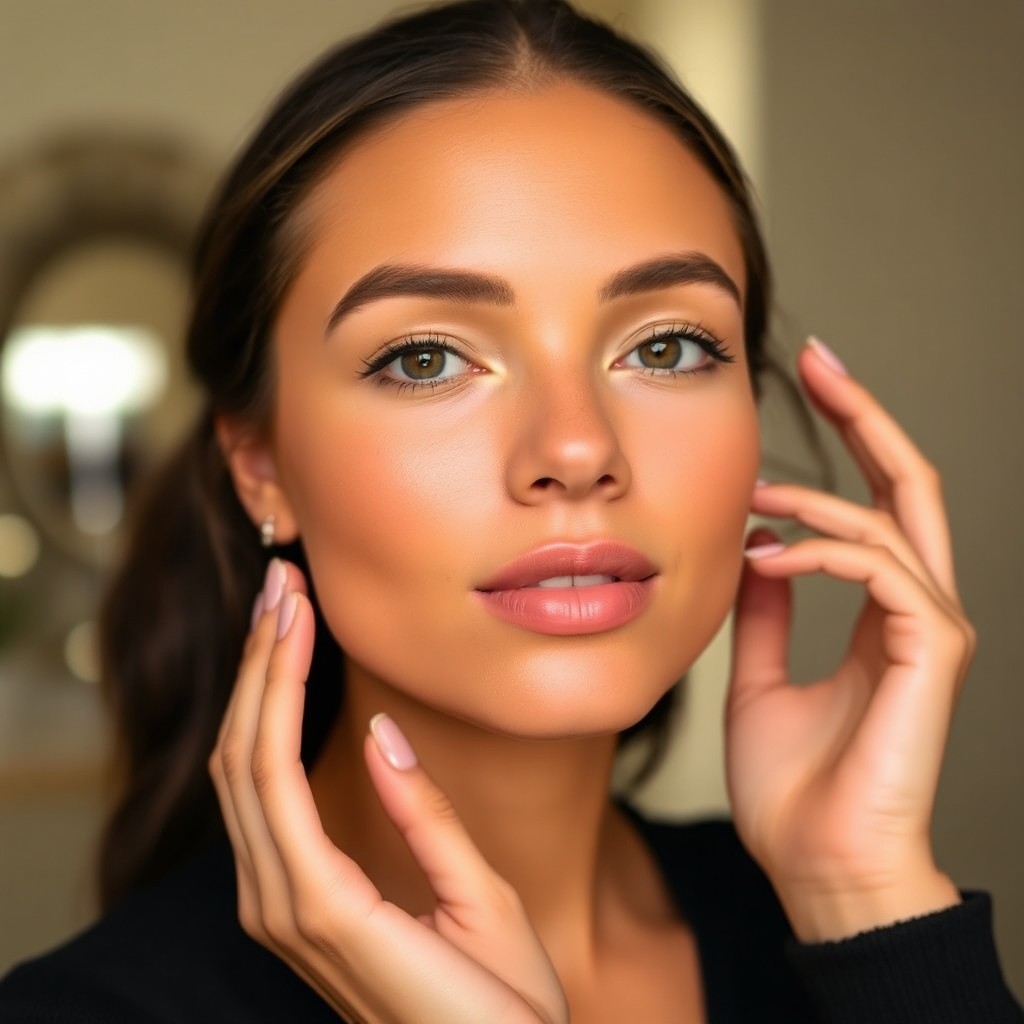
“I remember sitting in my exam room with a 32-year-old patient named Maya. She held up a mirror, tears welling in her eyes, pointing to stubborn brown patches on her cheeks that hadn’t budged after months of over-the-counter creams. She felt like she’d tried everything—but nothing worked. After a thorough evaluation and a targeted plan combining medical-grade ingredients and sun protection, Maya’s skin began to clear within 12 weeks. Stories like hers remind me why I became a dermatologist: to turn frustration into visible, lasting results.” As a board-certified dermatologist with over 15 years of clinical experience treating thousands of patients across all skin types, I can tell you that hyperpigmentation is not just a cosmetic issue—it’s a complex biological process rooted in melanin overproduction. One fundamental principle of dermatology is that melanocytes (the cells that produce pigment) can be triggered by UV exposure, inflammation, and hormonal shifts, leading to uneven tone that requires a strategic, evidence-based approach.
Hyperpigmentation is one of the most common skin concerns dermatologists treat, affecting individuals of all skin tones and ages. Whether you are dealing with post-inflammatory marks from acne, sun-induced lentigines, or the stubborn, patchy discoloration of melasma, the desire for a more even, radiant complexion is universal. While the journey to fading dark spots requires patience and consistency, the science of skin brightening has advanced significantly. This guide breaks down the dermatologist-approved treatments for hyperpigmentation, explaining how ingredients like vitamin C and niacinamide work at a cellular level to restore your skin’s natural clarity.
Table of Contents
- Understanding Hyperpigmentation: The Science Behind the Spots
- The Non-Negotiable First Step: Sun Protection
- Topical Brighteners: The Active Ingredients That Work
- Vitamin C (L-Ascorbic Acid)
- Niacinamide
- Retinoids
- Kojic Acid and Azelaic Acid
- Hydroquinone: The Gold Standard (With Caution)
- In-Office Dermatological Procedures
- Building an Effective Skincare Routine for Dark Spots
- Frequently Asked Questions
- Conclusion
Understanding Hyperpigmentation: The Science Behind the Spots
To effectively treat dark spots, it helps to understand what causes them. Hyperpigmentation occurs when there is an overproduction of melanin, the pigment responsible for skin color. This excess melanin is deposited in the epidermis (outer layer) or dermis (deeper layer), creating visible patches of discoloration.
There are three primary types of hyperpigmentation:
- Post-Inflammatory Hyperpigmentation (PIH): This appears after skin trauma or inflammation, such as acne, eczema, or a cut. It is more common in individuals with darker skin tones (Fitzpatrick skin types III-VI).
- Sunspots (Solar Lentigines): Often called age spots or liver spots, these are caused by cumulative UV exposure over a lifetime. They appear as flat, brown spots on sun-exposed areas like the face, hands, and chest.
- Melasma: A chronic, often hormonal condition characterized by symmetrical brown or gray-brown patches on the face. It is frequently triggered by sun exposure, pregnancy (chloasma), or oral contraceptives. Melasma can be notoriously difficult to treat because it involves deeper dermal melanin.
According to the American Academy of Dermatology (AAD), the primary driver of all forms of hyperpigmentation is UV radiation, which stimulates melanocytes (pigment-producing cells) to produce more melanin. This is why sun protection is the cornerstone of every treatment plan.
The Non-Negotiable First Step: Sun Protection
No topical cream or laser treatment will be effective if you are not rigorously protecting your skin from the sun. UV rays directly trigger melanin production, darkening existing spots and creating new ones. Furthermore, visible light (HEV light) from the sun and digital screens can exacerbate melasma.
Dermatologist-Approved Sun Protection Protocol:
- Broad Spectrum: Use a EltaMD UV Clear Broad-Spectrum SPF 46 labeled “broad spectrum” to protect against both UVA (aging) and UVB (burning) rays.
- SPF 30 or Higher: The AAD recommends using a water-resistant sunscreen with an SPF of 30 or higher for daily use. For extended outdoor activity, SPF 50 is preferable.
- Physical (Mineral) Sunscreens: For those with melasma or sensitive skin, sunscreens containing zinc oxide and titanium dioxide are often recommended. They create a physical barrier that reflects both UV and visible light. A 2018 study published in the Journal of the American Academy of Dermatology found that broad-spectrum sunscreens containing iron oxides (which block visible light) were more effective in preventing melasma recurrence than chemical sunscreens alone [1].
- Reapplication: Apply sunscreen every two hours when outdoors, or immediately after swimming or sweating. If you are looking for a product that works well under makeup for oily skin, check out our guide on Best Makeup for Oily Skin: Top Products and Expert Tips for a Flawless, Long-Lasting Finish.
Topical Brighteners: The Active Ingredients That Work
Once sun protection is locked in, you can introduce active ingredients designed to inhibit tyrosinase (the key enzyme in melanin production), accelerate skin cell turnover, and block pigment transfer.
Vitamin C (L-Ascorbic Acid)
Vitamin C is a potent antioxidant that is a first-line defense against hyperpigmentation. It works by inhibiting the tyrosinase enzyme, effectively preventing new pigment from forming. It also neutralizes free radicals generated by UV exposure, providing photoprotection in addition to your sunscreen.
- How it works: Inhibits melanin synthesis and neutralizes oxidative stress.
- Best for: Sunspots, PIH, and general skin brightening.
- Application: Use a stabilized form (L-Ascorbic acid is the most studied) in the morning under sunscreen. Concentrations of 10-20% are most effective.
- Evidence: A 2019 review in the Journal of Clinical and Aesthetic Dermatology confirmed that topical vitamin C is an effective, safe agent for treating hyperpigmentation, though it can be unstable and should be formulated correctly [2].
Niacinamide
Niacinamide (Vitamin B3) is a versatile, well-tolerated ingredient that tackles pigmentation through a different mechanism: it blocks the transfer of melanosomes (pigment packets) from melanocytes to skin cells (keratinocytes).
- How it works: Interrupts the transfer of pigment to the skin’s surface.
- Best for: All types of hyperpigmentation, especially in sensitive skin or when used alongside other actives like The Ordinary Retinol 1% in Squalane.
- Application: Can be used morning and night. Concentrations of 2-5% are effective for pigmentation, with 4% being a common clinical dose.
- Evidence: A 2002 study in the British Journal of Dermatology found that 4% niacinamide was as effective as 4% hydroquinone in reducing hyperpigmentation, but with a superior safety profile [3].
Retinoids
Retinoids (such as retinol, Tretinoin Cream 0.1% (Prescription Required), and adapalene) are vitamin A derivatives that accelerate skin cell turnover. By speeding up the shedding of pigmented cells and normalizing the shedding process, they help fade dark spots and improve skin texture.
- How it works: Increases epidermal cell turnover, shedding pigmented cells more rapidly.
- Best for: PIH, sun damage, and overall skin renewal.
- Application: Use at night only, as retinoids can degrade in sunlight. Start with a low concentration (e.g., 0.025% retinol) a few times a week to build tolerance. For a beginner-friendly guide, see our article on Best Retinol Serum for Beginners: A Dermatologist’s Guide to Starting Anti-Aging.
- Evidence: Prescription tretinoin is FDA-approved for treating photodamage and has been shown in numerous studies to reduce the appearance of fine lines and pigmentation irregularities.
Kojic Acid and Azelaic Acid
- Kojic Acid: A natural derivative of fungi, kojic acid works by chelating copper ions needed for the tyrosinase enzyme to function. It is an effective lightener but can be irritating at higher concentrations.
- Azelaic Acid: A naturally occurring dicarboxylic acid that inhibits tyrosinase and has anti-inflammatory properties. It is particularly effective for PIH and melasma, and is safe for use during pregnancy (unlike many other actives). A 15-20% gel is often prescribed.
Hydroquinone: The Gold Standard (With Caution)
Hydroquinone is considered the gold standard for treating hyperpigmentation. It works by directly killing melanocytes and inhibiting DNA and RNA synthesis in pigment cells.
- How it works: A potent inhibitor of melanin production.
- Best for: Stubborn melasma and PIH.
- Risks: Due to concerns about ochronosis (a bluish-black discoloration of the skin) with long-term use, it is typically recommended for short-term use (3-4 months) under a dermatologist’s supervision. It is available over-the-counter in 2% concentrations and by prescription in higher strengths (4% or more).
- Evidence: The FDA has approved hydroquinone for the temporary bleaching of hyperpigmented skin conditions. However, it is banned in several countries due to safety concerns, underscoring the need for professional guidance.
In-Office Dermatological Procedures
When topical treatments are not enough, dermatologists can perform in-office procedures to target deeper pigment.
- Chemical Peels: Using acids like glycolic acid, Paula’s Choice Skin Perfecting 2% BHA Liquid Exfoliant, or trichloroacetic acid (TCA) to exfoliate the outer layers of skin. A superficial peel can help with mild PIH, while deeper peels target sunspots.
- Laser Therapy:
- Intense Pulsed Light (IPL): Targets pigment in the epidermis. Best for sunspots but less effective for melasma.
- Fractional Lasers: Create micro-injuries to stimulate collagen renewal and target deeper pigment. Non-ablative fractional lasers are often preferred for darker skin tones to minimize the risk of post-inflammatory hyperpigmentation.
- Picosecond Lasers: Deliver ultra-short pulses of energy to shatter pigment particles with less heat damage to surrounding skin, making them a safer option for treating PIH and melasma in skin of color.
- Microneedling: Creating micro-punctures to stimulate collagen and enhance the absorption of topical brightening serums.
Important Note: In-office procedures carry a risk of causing further hyperpigmentation, especially in darker skin tones. A consultation with a board-certified dermatologist is essential to determine the safest and most effective modality for your specific skin type and condition.
Building an Effective Skincare Routine for Dark Spots
Consistency is key. Here is a sample routine incorporating the ingredients discussed:
Morning:
- La Roche-Posay Toleriane Hydrating Gentle Cleanser
- SkinCeuticals C E Ferulic (L-Ascorbic Acid)
- Moisturizer (look for niacinamide here if you aren’t using a separate serum)
- Broad-Spectrum Sunscreen (SPF 30+)
Evening:
- Gentle Cleanser (double cleanse if wearing makeup or sunscreen)
- Treatment (Retinoid or Azelaic Acid - do not use both on the same night unless directed by a derm)
- Moisturizer (a barrier-repairing formula with ceramides or niacinamide)
Weekly:
- Exfoliate gently with a chemical exfoliant (like lactic or salicylic acid) once or twice a week, on nights you are not using a retinoid.
For more comprehensive anti-aging strategies that complement spot fading, explore our guide on 10 Anti-Aging Skincare Tips for a Youthful Complexion.
Frequently Asked Questions
Can hyperpigmentation be permanently removed?
For most types of hyperpigmentation, treatment can significantly fade spots, but they may not disappear completely. Sunspots and PIH can be very effectively reduced. Melasma is a chronic condition that often requires ongoing management, as it can recur with sun exposure or hormonal changes. “Permanent” removal is rare; maintenance is the goal.
How long does it take for dark spots to fade with topical treatments?
Visible results typically take 3 to 6 months of consistent use. The skin’s natural turnover cycle is about 28 days for young adults, but this slows with age. You may see subtle brightening in 4-8 weeks, but significant fading of established dark spots usually requires at least 12 weeks.
Is it safe to use hydroquinone long-term?
No. The American Academy of Dermatology generally recommends using hydroquinone for a maximum of 3-4 months at a time. Long-term use (over years) can lead to ochronosis, a permanent blue-black discoloration. It is best used under a dermatologist’s supervision for short “pulse” treatments.
Can I treat melasma if I am pregnant or breastfeeding?
Yes, but options are limited. Many ingredients like hydroquinone and retinoids are not recommended during pregnancy. Safe alternatives include azelaic acid (15-20%), vitamin C, and niacinamide. You should also use a physical sunscreen containing zinc oxide and iron oxides. Always consult your obstetrician before starting any new skincare product.
Why are my dark spots getting darker with treatment?
This is often a sign of irritation or inadequate sun protection. If your skin becomes inflamed from a product (like a retinoid or acid), it can trigger post-inflammatory hyperpigmentation, making spots darker. Reduce the frequency of your active ingredients, ensure you are applying sunscreen diligently, and consult your dermatologist.
Conclusion
You May Also Like
Explore more articles in our Health collection:
- Best Toner for Itchy Scalp: A Complete Guide to Soothing Relief
- Coconut Oil for Skin: Science-Backed Benefits, Uses, and What Dermatologists Really Think
- Glycolic Acid Benefits for Dryness: The Complete Guide
Fading hyperpigmentation is a marathon, not a sprint. The most effective path forward combines strict sun protection, scientifically-backed topical ingredients like vitamin C and niacinamide, and professional guidance for stubborn cases. Remember that what works for one person may not work for another, especially when it comes to skin tone and the type of hyperpigmentation.
Actionable Takeaways:
- Start with the basics: Wear SPF 30+ every single day, rain or shine.
- Layer your actives: Use Vitamin C in the morning and a retinoid or azelaic acid at night.
- Be patient: Give any new treatment at least 12 weeks to show results.
- See a professional: If you have melasma, very dark skin, or have not seen results in 3 months, schedule a consultation with a board-certified dermatologist.
- Don’t forget the neck and chest: These areas are highly prone to sun damage and should be included in your routine.
For additional tips on maintaining youthful skin as you age, read our article on Anti Aging Tips for Women Over 30: Science-Backed Strategies for Radiant Skin.
Disclaimer: This article is for informational purposes only and does not constitute medical advice. Always consult with a qualified healthcare professional or board-certified dermatologist before starting any new skincare treatment, especially if you have a pre-existing skin condition or are pregnant.
References
- American Academy of Dermatology (AAD). “How to fade dark spots in darker skin tones.” URL: https://www.aad.org/public/everyday-care/skin-care-basics/dark-spots/fade-dark-spots-darker-skin
- Journal of Clinical and Aesthetic Dermatology. “Topical Vitamin C for the Treatment of Hyperpigmentation.” 2019. URL: https://jcadonline.com/topical-vitamin-c-hyperpigmentation/
- British Journal of Dermatology. “A randomized, double-blind, vehicle-controlled study of 4% niacinamide in the treatment of hyperpigmentation.” 2002. URL: https://academic.oup.com/bjd/article-abstract/147/1/20/6654154
- National Institutes of Health (NIH). “Hydroquinone: A Review of its Mechanisms of Action and Safety.” 2020. URL: https://pubmed.ncbi.nlm.nih.gov/32736551/
- Mayo Clinic. “Melasma: Diagnosis and treatment.” 2023. URL: https://www.mayoclinic.org/diseases-conditions/melasma/diagnosis-treatment/drc-20375213
Medically Reviewed By
Dr. Michael Park, MD, MPH — Preventive Dermatology Specialist
Dr. Park focuses on skin cancer prevention and photoprotection. He earned his MPH from Harvard T.H. Chan School of Public Health and lectures internationally on sun safety.
This article was medically reviewed on 2026-06-09 for accuracy and completeness.
Medical Disclaimer: This article is for informational purposes only and does not constitute medical advice. Always consult a qualified healthcare provider for diagnosis and treatment of any medical condition. Individual results may vary.
Related Tools
Try these free calculators and quizzes to personalize your routine:
References
- The psychological impact of acne and skin conditions — British Journal of Dermatology (accessed 2026-06-09)
- The efficacy of sunscreen in preventing UV-induced skin damage — Journal of the American Academy of Dermatology (accessed 2026-06-09)