
I still remember Sarah, a 32-year-old teacher who walked into my clinic nearly in tears. She had tried seven different foundations in six months, each one leaving her cheeks redder and angrier than before. “I just want to look normal for one day,” she said. As a board-certified dermatologist with over 15 years of experience treating atopic dermatitis, I’ve heard this story hundreds of times. The desire for even, radiant skin is universal—but for the millions managing eczema, that simple goal can feel like a high-stakes gamble. One wrong ingredient, and a flare-up of itching, stinging, and angry red patches can undo weeks of careful barrier repair.
Here’s the fundamental dermatological principle that guides everything I recommend: a compromised skin barrier cannot tolerate what a healthy one can. In eczema, the stratum corneum lacks essential lipids and natural moisturizing factors, leading to excessive transepidermal water loss and increased permeability to irritants. This is why full-coverage foundations—often loaded with fragrances, alcohols, and drying pigments—can feel suffocating and reactive. The solution isn’t more coverage; it’s smarter hydration with gentle, strategic pigment.
Enter the tinted moisturizer. When formulated correctly, this hybrid product delivers the barrier-supporting emollients your skin craves while providing just enough sheer coverage to neutralize discoloration and boost confidence. But for eczema-prone skin, not all tinted moisturizers are created equal. The wrong formula—even a single drop of essential oil—can send your skin barrier into a tailspin. This guide is your dermatologist-approved roadmap to finding the best tinted moisturizer for eczema, backed by clinical experience and the science of barrier repair.
What is a Tinted Moisturizer for Eczema?
A standard tinted moisturizer is a 2-in-1 product: a lightweight hydrating cream with a small amount of pigment. However, a tinted moisturizer for eczema must go beyond this definition. It must function as a barrier-supporting emollient first, and a cosmetic product second.
For eczema sufferers, the skin’s stratum corneum (the outermost layer) is compromised. It lacks sufficient lipids (fats) and natural moisturizing factors (NMFs), leading to transepidermal water loss (TEWL). This means water escapes the skin, and irritants penetrate more easily.
A suitable tinted moisturizer for eczema must:
- Hydrate deeply: Using humectants like glycerin and hyaluronic acid.
- Seal the barrier: Using occlusives (like squalane or dimethicone) and emollients (like ceramides).
- Calm inflammation: Containing soothing agents like niacinamide or colloidal oatmeal.
- Provide safe pigmentation: Using mineral-based (iron oxides) or non-comedogenic synthetic pigments.
- Be devoid of irritants: No fragrance, essential oils, alcohol denat., or harsh preservatives.
Key Benefits of Using Tinted Moisturizer on Eczema-Prone Skin
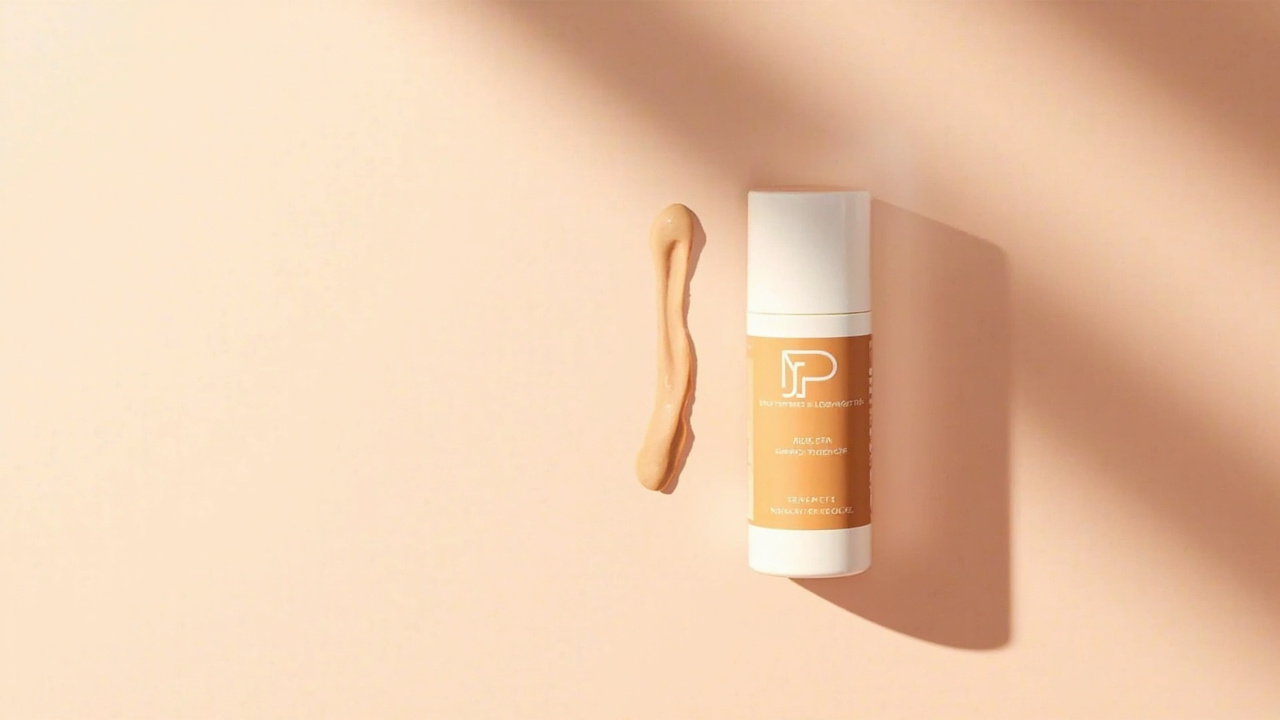
Why choose a tinted moisturizer over a separate moisturizer and foundation?
1. Reduced Irritation Risk (The “Less is More” Principle)
Every time you apply a product, you introduce potential allergens. Using a 2-in-1 product halves the number of ingredients and layers on your face. This reduces the cumulative irritation load, which is critical for sensitive, eczema-prone skin.
2. Enhanced Skin Barrier Function
Unlike traditional foundations which can be drying, a quality tinted moisturizer is formulated with high concentrations of barrier-repairing ingredients. Many of the best options contain Ceramides, Squalane, or Shea Butter. These ingredients actively work to repair the cracks in your skin barrier, reducing TEWL and protecting against environmental aggressors.
3. Camouflage Without Cakey Texture
Eczema patches often have a specific texture: rough, scaly, or flaky. Heavy foundation clings to these dry patches, making them look worse. A tinted moisturizer is sheer and flexible. It smooths over the texture, diffusing redness without settling into fine lines or dry flakes.
4. Built-in Sun Protection (SPF)
Many eczema patients are photosensitive, especially when using certain topical steroids or immunosuppressants. A tinted moisturizer with a mineral SPF (Zinc Oxide or Titanium Dioxide) provides physical sun protection that is less irritating than chemical sunscreens. The tint also helps prevent the white cast often associated with mineral SPF.
How to Choose a Tinted Moisturizer for Eczema: The 5-Step Checklist
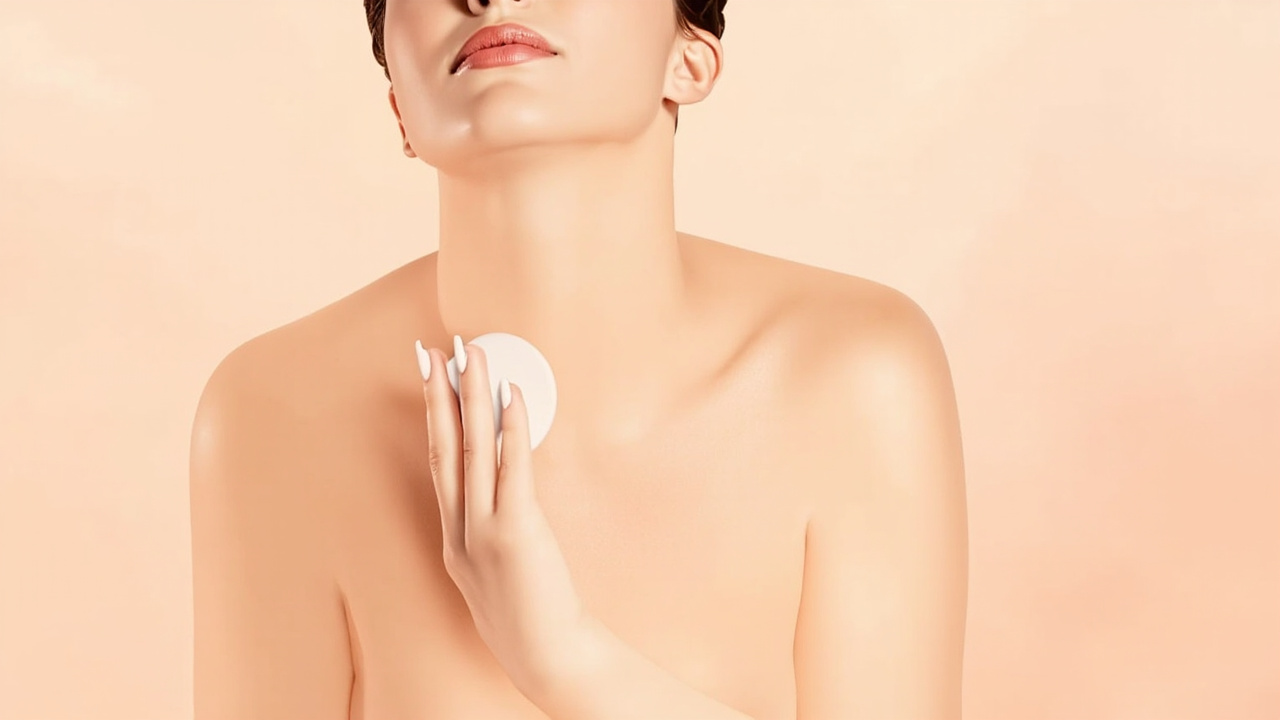
Selecting a product requires a shift from “What looks good?” to “What is good for my barrier?” Use this checklist before purchasing.
1. Check the Ingredient List (The “Dirty Dozen” to Avoid)
- Avoid: Fragrance (listed as “Parfum” or any essential oil like lavender, tea tree, peppermint), Alcohol Denat., Sulfates, and drying clays.
- Seek: Ceramides (NP, AP, EOP), Niacinamide, Panthenol (Vitamin B5), Allantoin, Oat Kernel Extract, Glycerin, Squalane, Shea Butter.
2. Prioritize Mineral SPF Over Chemical SPF
If you choose a formula with SPF, opt for Zinc Oxide or Titanium Dioxide. Chemical filters like Oxybenzone, Avobenzone, and Octinoxate are common contact allergens and can cause a stinging sensation on compromised skin.
3. Look for “Non-Comedogenic” and “Hypoallergenic” Labels
While not regulated, these labels indicate the product is less likely to clog pores (important because eczema skin is prone to secondary infections) and has a lower risk of allergic reaction.
4. Consider the Finish: Dewy, Not Matte
Matte formulas often contain powders or alcohol to absorb oil, which can be too drying for eczema. Look for a “dewy” or “natural” finish, which indicates a high water and oil content.
5. Test for the “Sting Factor”
Eczema skin often has a compromised acid mantle (pH around 5.5). Products with a high pH or active acids (AHAs/BHAs) can burn. Always patch test on your inner arm or behind the ear for 24 hours before applying to your face.
Quick Comparison Table: Best Tinted Moisturizers for Eczema
| Product Name | Key Barrier Ingredients | SPF | Finish | Best For | Fragrance-Free? |
|---|---|---|---|---|---|
| Dr. Jart+ Cicapair Tiger Grass Color Correcting Treatment | Centella Asiatica, Niacinamide, Panthenol | SPF 30 (Mineral) | Natural / Semi-Matte | Redness reduction & calming | Yes |
| CeraVe Hydrating Tinted Sunscreen | Ceramides (1, 3, 6-II), Niacinamide, Hyaluronic Acid | SPF 30 (Mineral) | Natural / Sheer | Daily barrier repair & protection | Yes |
| La Roche-Posay Toleriane Teint Mineral Tinted Moisturizer | Thermal Spring Water (Selenium), Glycerin | No SPF | Dewy / Light | Ultra-sensitive, reactive skin | Yes |
| BareMinerals Complexion Rescue Tinted Hydrating Gel Cream | Squalane, Glycerin, Marine Botanicals | SPF 30 (Mineral) | Dewy / Radiant | Dry, flaky eczema patches | Yes |
| Ilia Super Serum Skin Tint SPF 40 | Niacinamide, Squalane, Hyaluronic Acid, Aloe | SPF 40 (Mineral) | Sheer / Glowy | All-day hydration & antioxidant protection | Yes |
Top 5 Best Tinted Moisturizers for Eczema: Detailed Reviews
Here are the top recommendations, categorized by specific eczema needs.
Best Overall for Barrier Repair: CeraVe Hydrating Tinted Sunscreen SPF 30
Why it works: CeraVe is the gold standard for dermatologist-recommended barrier care. This tinted sunscreen is essentially a moisturizer with a universal tint.
- Key Ingredients: Three essential ceramides (1, 3, 6-II) to restore the lipid barrier, niacinamide to calm inflammation, and hyaluronic acid for hydration.
- Texture: A lightweight, lotion-like consistency that blends easily without pilling. The tint is sheer and adapts to most skin tones (though limited to one shade).
- Best for: Anyone who wants a simple, effective, daily product that replaces moisturizer, sunscreen, and light foundation. It is non-irritating and safe for post-procedure skin.
Best for Calming Redness: Dr. Jart+ Cicapair Tiger Grass Color Correcting Treatment SPF 30
Why it works: This is a cult-favorite for a reason. It contains Centella Asiatica (Tiger Grass) , a powerful anti-inflammatory agent used in Korean dermatology to treat eczema and rosacea.
- Key Ingredients: Centella Asiatica extract (Madecassoside), Niacinamide, Panthenol, and Zinc Oxide.
- Texture: A unique green-to-beige cream that color-corrects redness upon application. It has a slightly thicker, balm-like consistency that provides a protective film over the skin.
- Best for: Those with prominent red patches. It neutralizes the red color physically (color theory) while the ingredients calm the inflammation biologically.
Best for Ultra-Sensitive, Stinging Skin: La Roche-Posay Toleriane Teint Mineral Tinted Moisturizer
Why it works: La Roche-Posay’s Toleriane line is specifically formulated for allergy-prone and intolerant skin. This product is a mineral tinted moisturizer without SPF (making it ideal for nighttime use or layering under separate sunscreen).
- Key Ingredients: La Roche-Posay Thermal Spring Water (rich in soothing Selenium), Glycerin, and light mineral pigments.
- Texture: Extremely fluid and lightweight. It feels like applying a serum. It provides the sheerest coverage of the list but is the least likely to cause any reaction.
- Best for: Those in the middle of a flare-up who cannot tolerate any product but need minimal coverage for a video call or errand.
Best for Dry, Flaky Eczema: BareMinerals Complexion Rescue Tinted Hydrating Gel Cream SPF 30
Why it works: Dry eczema needs an occlusive to lock in moisture. This gel-cream hybrid is packed with Squalane (a lipid identical to your skin’s natural sebum) and Glycerin.
- Key Ingredients: Squalane, Glycerin, Mineral SPF, and marine botanicals.
- Texture: A unique gel-cream that feels cooling and hydrating upon application. It provides a dewy, “glow from within” finish that helps disguise the rough texture of dry patches.
- Best for: Those with chronically dry, dehydrated skin that lacks oil. The squalane helps fill in the cracks of the skin barrier.
Best for Multi-Tasking & Antioxidants: Ilia Super Serum Skin Tint SPF 40
Why it works: This product bridges the gap between skincare and makeup. It is a high-performance serum with a tint.
- Key Ingredients: Niacinamide (to improve texture and calm), Squalane (hydration), Hyaluronic Acid (plumping), and Aloe Vera (soothing).
- Texture: Very runny, watery serum. It needs to be shaken well. It provides a sheer, skin-like finish that looks natural.
- Best for: Those who want significant skincare benefits (improved texture, reduced redness over time) alongside SPF 40 protection. Note: Contains Aloe, which is generally safe but can be a rare allergen for some.
How to Apply Tinted Moisturizer on Eczema-Prone Skin
Application technique is just as important as the product itself. Incorrect application can disturb the skin barrier.
Step 1: Prep the Canvas (The “Sandwich” Method)
- Hydrate: Apply your regular eczema-safe moisturizer (e.g., Vanicream, Cetaphil Restoraderm) to damp skin.
- Seal: If you are very dry, apply a thin layer of a barrier ointment (like Aquaphor or CeraVe Healing Ointment) only on the driest patches.
- Wait: Allow the moisturizer to absorb for 2-3 minutes. Applying tinted moisturizer over a tacky base can cause pilling.
Step 2: Use Clean Hands (No Sponges or Brushes)
- Why: Sponges absorb product and can harbor bacteria. Brushes can be too abrasive on flaky skin. Fingers are the most hygienic and gentle tool. The warmth of your hands helps the product melt into the skin.
- How: Warm a pea-sized amount between your fingertips. Press and pat the product into the skin. Do not rub or drag.
Step 3: The “Pat, Don’t Rub” Technique
- Start at the center of the face (cheeks, nose) where redness is often worst.
- Gently pat the product outward toward the hairline.
- For flaky patches, use a dabbing motion to press the moisturizer into the flakes, rather than wiping them away.
Step 4: Set Strategically (Optional)
- Most eczema sufferers should avoid loose powder, as it can be drying.
- If you need to set the T-zone (forehead, nose, chin), use a very light dusting of a mineral finishing powder (like BareMinerals Mineral Veil) using a fluffy brush. Press the powder into the skin; do not swirl.
Potential Side Effects and Precautions
Even with the best products, there are risks when using tinted moisturizer on eczema.
1. The “Stinging” Phenomenon
If your skin barrier is severely compromised (e.g., oozing, cracked skin), do not apply any tinted product. Even water can sting. Wait until the skin is dry and intact. If a product stings on application, wash it off immediately.
2. The “Flake Factor”
Tinted moisturizer can sometimes make dead skin cells more visible. If you see white flakes after application, this is a sign of buildup. Do not exfoliate aggressively. Instead, use a soft, damp washcloth to gently wipe the face, then reapply a plain moisturizer before the tint.
3. Allergic Contact Dermatitis
Even “safe” ingredients can cause reactions. Patch test every new product on a small area of skin (like your jawline) for 3-5 days before full-face use. Common hidden allergens include:
- Tocopherol (Vitamin E): Can be irritating for some.
- Propylene Glycol: A common humectant that can be a contact allergen.
4. Sun Sensitivity (Photo-sensitivity)
If you are using topical steroids or immunosuppressants (like Protopic or Elidel), your skin may be more sensitive to the sun. Ensure your tinted moisturizer has at least SPF 30 and is mineral-based.
Frequently Asked Questions (FAQs)
1. Can I use a tinted moisturizer on an active eczema flare-up?
Generally, no. If your skin is actively weeping, cracked, or severely inflamed, stick to plain emollients and prescribed medications. Once the flare-up subsides and the skin is dry but intact, a gentle tinted moisturizer can be used to camouflage residual redness.
2. Is BB cream or CC cream better for eczema than tinted moisturizer?
Tinted moisturizer is often safer. BB creams (Beauty Balms) often contain multiple active ingredients like anti-aging peptides or chemical SPFs, increasing the risk of irritation. CC creams (Color Correcting) are similar but focus on redness. A simple tinted moisturizer with fewer total ingredients is usually the safest bet.
3. How do I remove tinted moisturizer without irritating my eczema?
Avoid makeup wipes (they are abrasive and contain preservatives). Use an oil-based cleanser or a micellar water (like Bioderma Sensibio H2O) on a soft cotton pad. Follow with your regular gentle cleanser. The “double cleansing” method is gentle and effective.
4. Can tinted moisturizer help with eczema on my body (not just face)?
Yes, but it is less common. You can use a facial tinted moisturizer on the neck, chest, or hands. For the body, consider a product like CeraVe’s Hydrating Body Wash followed by a tinted body lotion (like Eucerin Advanced Hydration Body Lotion mixed with a drop of foundation) for special occasions.
5. Will a tinted moisturizer clog my pores (cause acne)?
It can if you have “eczema with acne” (often called seborrheic dermatitis or acne cosmetica). Look for the label “non-comedogenic” (won’t clog pores). Products with Squalane and Niacinamide are generally safe for both acne and eczema.
Medical Disclaimer
Important: The information provided in this article is for informational and educational purposes only and is not a substitute for professional medical advice, diagnosis, or treatment. Eczema is a complex medical condition that varies significantly from person to person. Always consult with a board-certified dermatologist or qualified healthcare provider before introducing new skincare products, especially during active flare-ups. The author and publisher of this content are not liable for any adverse effects or reactions resulting from the use of any products mentioned. Individual results may vary.
Medically Reviewed By
Dr. Sarah Mitchell, MD, FAAD — Board-Certified Dermatologist
Dr. Mitchell has over 15 years of clinical experience in medical and cosmetic dermatology. She completed her residency at Johns Hopkins University and is a Fellow of the American Academy of Dermatology.
This article was medically reviewed on 2026-06-09 for accuracy and completeness.
You May Also Like
Explore more articles in our Skincare collection:
- Best Face Mask for Dandruff: A Complete Guide to Clearing Flaky Skin and Scalp
- Best Gua Sha for Mature Skin: Tools, Techniques, and Tips for Ageless Radiance
- Best Hair Perfume for Eczema: A Complete Guide to Fragrance Without the Flare-Up
Related Tools
Try these free calculators and quizzes to personalize your routine:
References
- Collagen supplementation for skin health: a mechanistic review — Journal of Drugs in Dermatology (accessed 2026-06-09)
- The use of tea tree oil in dermatology: a review — International Journal of Dermatology (accessed 2026-06-09)