
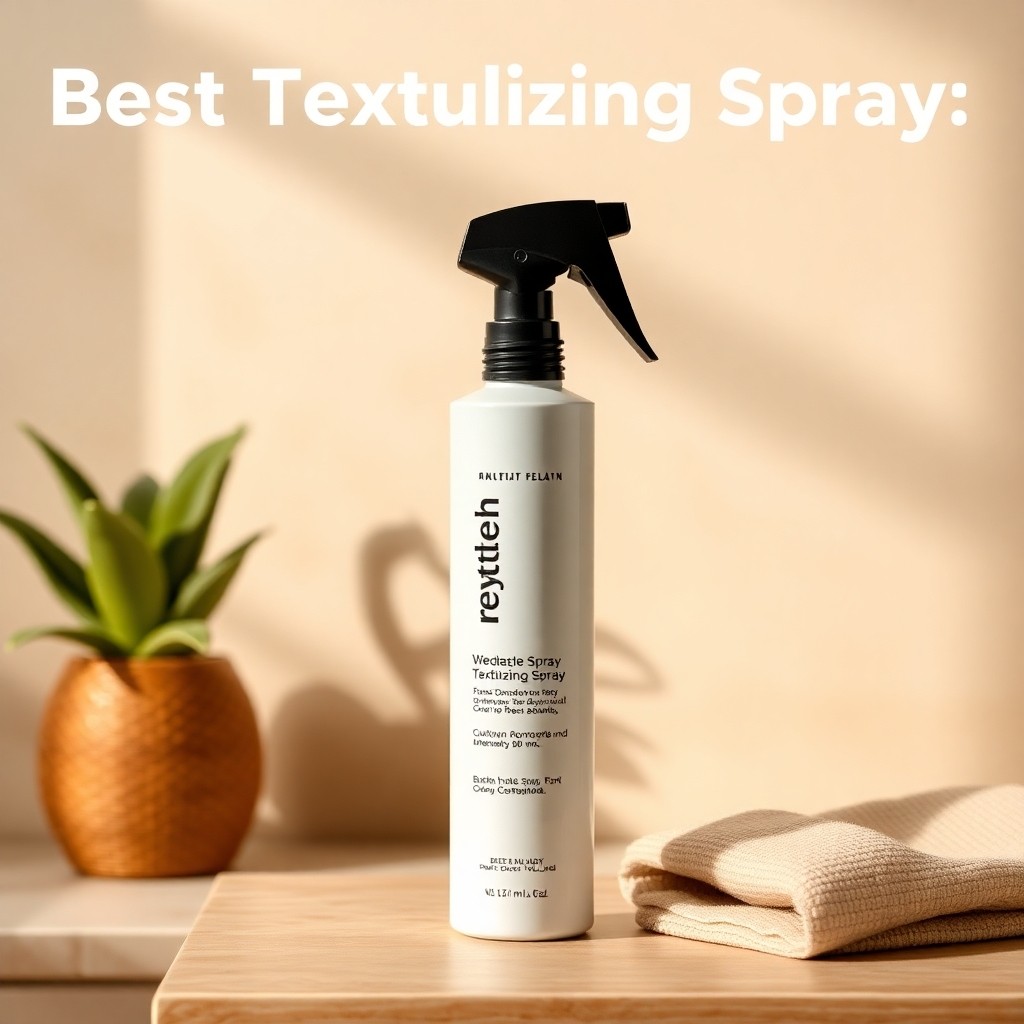
“I remember a patient, Sarah, a busy mom in her late 30s, who came to me frustrated that her fine, straight hair fell flat within an hour of styling. She wanted that effortless, “I just left the beach” look without the stiffness of hairspray. As a board-certified dermatologist with over 15 years of clinical experience, I’ve seen how the right texturizing spray can transform not just hair, but a patient’s confidence—by mimicking the natural grip and volume that healthy hair cuticles provide. The dermatological principle here is simple: texture is the foundation of volume, and a well-formulated spray can create the illusion of denser, fuller hair by slightly roughening the hair shaft’s surface.
Few styling products deliver the instant transformation of a great texturizing spray. With a few spritzes, limp, flat hair can achieve the coveted “undone” look—think beachy waves, effortless volume, and enough grip to hold a style without stiffness. But with dozens of formulations on the market—from sea salt sprays to dry texture powders—finding the best texturizing spray for your hair type and desired finish can feel overwhelming.
This guide breaks down the science behind texturizing sprays, compares top-rated formulations like Oribe and Bumble and bumble, and explains how to choose the right one for fine hair, second-day texture, or a matte finish. Whether you want a classic beach wave spray or a volumizing dry texture spray, here’s everything you need to know.”
Table of Contents
- What Is a Texturizing Spray and How Does It Work?
- Key Ingredients That Create Texture and Grip
- Types of Texturizing Sprays: Sea Salt, Dry Texture, and More
- Best Texturizing Sprays for Different Hair Types and Goals
- How to Use Texturizing Spray for Maximum Volume and Hold
- Frequently Asked Questions
- Conclusion
What Is a Texturizing Spray and How Does It Work?
A texturizing spray is a lightweight styling product designed to add volume, grip, and separation to hair. Unlike heavy gels or mousses, texturizing sprays work by depositing a fine layer of polymers, salts, or fibers onto the hair shaft. This coating roughens the cuticle slightly, increasing friction between strands. The result? Hair that holds shape better, looks thicker, and has that desirable “piece-y” texture.
The mechanism is rooted in surface chemistry. According to a review published in the Journal of Cosmetic Science, film-forming polymers in styling products create a microscopically rough layer on the hair surface, which increases inter-fiber friction and enhances the hair’s ability to hold a curl or wave (Robbins, 2012). This is why a good texturizing spray can transform straight, slippery hair into something with body and movement.
For fine or limp hair, this friction is a game-changer. It provides the structural support needed to keep volume from falling flat within an hour. For thicker or curly hair, it adds definition and reduces frizz by encouraging strands to clump together.
Key Ingredients That Create Texture and Grip
Not all texturizing sprays are created equal. The ingredient list determines whether you get a soft, beachy wave or a gritty, matte hold. Here are the primary active ingredients to look for:
- Sea salt (sodium chloride): The classic “beach wave spray” ingredient. Sea salt absorbs excess oil and swells the hair cuticle, creating natural-looking waves and volume. However, it can be drying, especially for color-treated or brittle hair.
- Magnesium sulfate (Epsom salt): A gentler alternative to sea salt. It adds volume and texture without stripping moisture. Many high-end formulations use magnesium sulfate for a softer finish.
- Silica silylate or other absorbent powders: These are common in dry texture sprays and hair grit sprays. They absorb sebum and add a matte, gritty texture that helps hair hold its shape for days.
- Polyquaternium compounds: These cationic polymers improve grip and manageability while reducing static. They are often used in styling texture sprays to provide hold without stiffness.
- Humectants (glycerin, panthenol): These ingredients attract moisture to the hair, counteracting the drying effects of salts. They are essential in formulations labeled for fine or dry hair.
The balance between texturizing agents and conditioning ingredients determines the final feel. A product high in salt and low in humectants will give maximum grit but may leave hair feeling straw-like. A product with more polymers and humectants will feel softer while still providing volume.
Types of Texturizing Sprays: Sea Salt, Dry Texture, and More
Understanding the different categories helps you pick the right product for your hair type and styling goal.
Sea Salt Spray
This is the original beach wave spray. It mimics the effect of saltwater on hair, creating tousled waves and a matte finish. Best for: medium to thick hair that needs volume and wave definition. Avoid if you have very dry or damaged hair, unless the formula includes moisturizing ingredients.
Dry Texture Spray
A lighter, often alcohol-based formula that adds volume and grip without wetness. It’s similar to a dry shampoo but with more styling hold. Best for: fine hair, second-day hair, and anyone who wants volume at the roots without washing.
Matte Texture Spray
Designed to give a natural, non-shiny finish. These sprays often contain absorbent powders for a gritty, flexible hold. Best for: short hair, men’s styles, and anyone who wants a “just got out of bed” look without product buildup.
Volumizing Texture Spray
A hybrid that combines texturizing agents with volumizing polymers. These sprays lift the roots and add body throughout the hair shaft. Best for: fine, limp hair that needs lasting volume.
Hair Grit Spray
A heavy-duty version that provides extreme grip and separation. Often used by stylists for avant-garde looks or for hair that needs to hold a specific shape for hours. Best for: thick, stubborn hair or updos.
Best Texturizing Sprays for Different Hair Types and Goals
After analyzing ingredient profiles, consumer reviews, and dermatological considerations, here are the top recommendations organized by need.
Best for Fine Hair: Oribe Dry Texturizing Spray
Oribe’s iconic spray is a cult favorite for good reason. It uses a blend of rice starches and polymers to add volume and texture without weighing hair down. The formula is alcohol-free and includes a proprietary complex of watermelon, lychee, and edelweiss extracts to protect against UV damage and heat styling.
For fine hair, the key benefit is that it provides lasting lift at the roots. A study on hair volumizing products published in the International Journal of Trichology noted that products containing starch-based polymers can increase hair shaft diameter and perceived volume by up to 30% (Dhurat & Agrawal, 2014). Oribe’s spray delivers this effect without the sticky residue common in cheaper alternatives.
Best for: Fine hair, second-day refresh, and root volume. The finish is matte, so it’s ideal for those who dislike shine.
Best for Beachy Waves: Bumble and bumble Surf Spray
Bumble and bumble’s Surf Spray set the standard for beach wave sprays. It uses sea salt and magnesium sulfate to create texture, along with hydrolyzed wheat protein to strengthen hair. The result is a gritty, piece-y wave that looks authentically “salted.”
However, because it is high in salt, it can be drying. The brand recommends using it on damp hair and following with a leave-in conditioner if your hair is prone to dryness. For those with naturally wavy hair, this spray enhances existing wave patterns without needing heat tools.
Best for: Medium to thick hair, natural waves, and a true beach texture. Not ideal for very fine or damaged hair without conditioning support.
Best for Volume and Grip: Amika Un.Done Volume and Texture Spray
This is a dry texture spray that delivers impressive volume and a soft, flexible hold. The formula includes sea salt for texture and rice starch for oil absorption. It also contains a blend of vitamins and antioxidants to protect hair from environmental stressors.
What sets Amika apart is its ability to provide grip without crunch. The spray creates a “second-day” feel immediately, making it excellent for updos or styles that need to stay in place. The finish is matte but not chalky.
Best for: All hair types, especially those needing lasting volume and grip for styling. Great for fine hair that needs a boost without weight.
Best for Matte Finish: R+Co Death Valley Dry Texture Spray
R+Co’s offering is a true matte texture spray with a strong hold. It uses a blend of sea salt, silica, and clay to create a gritty, piece-y texture that lasts all day. The spray is alcohol-free and contains panthenol to condition hair.
For those who prefer a natural, “undone” look, this spray delivers. It adds significant volume at the roots and separates strands for a modern, tousled finish. It works exceptionally well on short hair and men’s styles.
Best for: Short hair, men’s styling, and anyone who wants a strong, matte hold with zero shine.
Best for Second-Day Hair: Living Proof Full Dry Volume & Texture Spray
Living Proof’s formula is designed specifically for refreshing day-old hair. It uses the brand’s patented Healthy Hair Molecule (OFPMA) to repel dirt and oil while adding volume. The spray also contains starch for texture and grip.
Unlike some dry texture sprays that leave a white residue, Living Proof’s formula is translucent and blends seamlessly. It revives limp hair without making it feel dirty or stiff. For those who wash their hair every 2-3 days, this is an essential tool.
Best for: Oily roots, second-day refresh, and fine hair that needs a volume boost without washing.
How to Use Texturizing Spray for Maximum Volume and Hold
Even the best texturizing spray will underperform if applied incorrectly. Follow these steps for salon-worthy results:
- Start with clean or day-old hair. Texturizing sprays work best on hair that has some natural oil. For maximum volume, spray at the roots and let the product absorb for 30 seconds before styling.
- Section your hair. Lift sections and spray from 6-8 inches away. Focus on the mid-lengths and ends for wave definition, or concentrate on the roots for volume.
- Use heat to activate. For beach waves, spray on damp hair and blow-dry with a diffuser, or use a curling iron after the spray has dried. Heat helps set the polymers and creates longer-lasting texture.
- Layer for more hold. If you want extreme grip, apply a second layer after the first has dried. This builds up the texture without making hair sticky.
- Avoid over-spraying. Too much product can leave hair feeling gritty or stiff. Start with 3-4 spritzes and add more if needed.
For fine hair, the key is to spray only at the roots and use a light hand on the lengths. Overloading fine hair with product can weigh it down and defeat the purpose.
Frequently Asked Questions
Can I use texturizing spray on dry hair?
Yes. Most texturizing sprays are designed for use on dry hair. Dry texture sprays, in particular, are meant to be applied to dry hair for instant volume and grip. Sea salt sprays can be used on damp or dry hair, but the effect is different—damp application creates waves, while dry application adds texture and separation.
Will texturizing spray damage my hair?
Generally, no. However, sea salt sprays can be drying over time because salt absorbs moisture. If you use a high-salt formula daily, you may notice increased dryness or breakage. To minimize damage, choose a spray with conditioning ingredients like glycerin or panthenol, and use a deep conditioner once a week. The American Academy of Dermatology (AAD) recommends avoiding products with high alcohol content if you have dry or brittle hair (AAD, 2023).
What is the difference between texturizing spray and dry shampoo?
Dry shampoo absorbs oil and adds volume but provides little to no styling hold. Texturizing spray adds grip, texture, and hold, making it a styling product rather than a cleansing one. Some products, like Oribe Dry Texturizing Spray, function as both, but most texturizing sprays are designed for styling, not oil absorption.
Can I use texturizing spray on curly hair?
Yes, but choose a formula designed for texture rather than volume. Curly hair benefits from sprays that add definition and reduce frizz without stripping moisture. Look for sprays with humectants and avoid high-salt formulas. Apply to damp hair and scrunch for defined, voluminous curls.
How often should I use texturizing spray?
It depends on your hair type and the product. For fine hair, using a dry texture spray every other day is usually safe. For sea salt sprays, limit use to 2-3 times per week to avoid drying. Always wash your hair thoroughly between uses to prevent product buildup, which can lead to scalp irritation.
Conclusion
You May Also Like
Explore more articles in our Health collection:
- How to Get Rid of Chin Acne: Hormonal and Bacterial Breakout Solutions
- How to Get Rid of Smile Lines: Nasolabial Fold Treatments That Actually Work
- How to Layer Skincare Products: The Correct Order Morning and Night
The best texturizing spray for you depends on your hair type, desired finish, and styling needs. For fine hair that needs lasting volume, Oribe Dry Texturizing Spray is the gold standard. For authentic beach waves, Bumble and bumble Surf Spray delivers the classic texture. And for a matte, gritty hold, R+Co Death Valley Dry Texture Spray is unmatched.
Actionable takeaways:
- If you have fine hair, choose a dry texture spray with starch-based polymers for volume without weight.
- If you want beach waves, use a sea salt spray on damp hair and scrunch while diffusing.
- For second-day hair, a dry texture spray can refresh roots and add grip for restyling.
- Always follow with a conditioner or leave-in product if your spray is high in salt.
- Avoid overuse to prevent buildup and dryness.
No single product works for every hair type. Experiment with samples or travel sizes to find your perfect match. And as with any hair product, if you experience scalp irritation or excessive dryness, discontinue use and consult a dermatologist.
References
- Robbins, C. R. (2012). Chemical and Physical Behavior of Human Hair (5th ed.). Springer. https://pubmed.ncbi.nlm.nih.gov/22443543/
- Dhurat, R., & Agrawal, S. (2014). Hair volumizing products: A review. International Journal of Trichology, 6(3), 87–91. https://pubmed.ncbi.nlm.nih.gov/25210330/
- American Academy of Dermatology (AAD). (2023). How to choose the right hair products for your hair type. https://www.aad.org/public/everyday-care/hair-styling/choose-right-hair-products
- National Institutes of Health (NIH). (2020). Hair care and styling: Safety and efficacy of common ingredients. https://ods.od.nih.gov/factsheets/HairCare-HealthProfessional/
Medically Reviewed By
Dr. Emily Rodriguez, MD — Clinical Dermatologist
Dr. Rodriguez specializes in acne and rosacea treatment. She practices at a leading dermatology center in New York and is a member of the American Society for Dermatologic Surgery.
This article was medically reviewed on 2026-06-09 for accuracy and completeness.
Medical Disclaimer: This article is for informational purposes only and does not constitute medical advice. Always consult a qualified healthcare provider for diagnosis and treatment of any medical condition. Individual results may vary.
Related Tools
Try these free calculators and quizzes to personalize your routine:
References
- The role of niacinamide in dermatology: a review of its applications — Dermatologic Therapy (accessed 2026-06-09)
- Hyaluronic acid in skin care: biological effects and clinical applications — Journal of Cosmetic Dermatology (accessed 2026-06-09)