
I still remember Sarah, a 42-year-old patient who came to my clinic frustrated that her expensive color-treated hair turned brassy and straw-like every summer, no matter how many deep-conditioning masks she used. After one season of neglecting UV protection, her highlights had faded, and her once-smooth strands felt like brittle straw. In my 15 years as a board-certified dermatologist, I’ve seen countless patients treat their skin as a fortress against the sun—applying SPF religiously—while leaving their hair defenseless. It’s a mistake rooted in a fundamental dermatological principle: UV radiation does not discriminate between tissues. Just as it degrades collagen in your skin, it breaks down keratin and lipids in your hair shaft, accelerating damage in strands already weakened by coloring, heat styling, or chemical treatments.
The result is not just cosmetic—it’s structural. Photodegradation—the breakdown of hair proteins from light exposure—leads to faded color, brittle texture, split ends, and a dry, frizzy appearance that no conditioner alone can fix. Enter the hair sunscreen—a specialized, evidence-based product designed to shield your strands from UVA and UVB rays while delivering restorative ingredients that reinforce the hair’s compromised barrier.
This comprehensive guide will explain what hair sunscreen is, how to choose the best one for damaged hair, and our top product recommendations for every hair type and budget.
What is Hair Sunscreen?
Hair sunscreen is a leave-in product (spray, cream, oil, or powder) formulated with UV filters to protect the hair cuticle and cortex from solar damage. Unlike regular sunscreens designed for skin, hair sunscreens are lightweight, non-greasy, and often contain conditioning agents to combat the drying effects of the sun, saltwater, and chlorine.
For damaged hair—hair with raised cuticles, porosity issues, or compromised protein bonds—sunscreen is not just a luxury; it is a necessity. Damaged hair has a weakened protective barrier, making it more susceptible to photodegradation (breakdown from light).
How UV Rays Destroy Damaged Hair
- UVA Rays (Aging Rays): These penetrate deep into the hair cortex, breaking down melanin (causing color fading) and degrading the hair’s structural proteins. For damaged hair, this accelerates thinning and brittleness.
- UVB Rays (Burning Rays): These attack the cuticle—the outer protective layer. In damaged hair, the cuticle is already compromised. UVB exposure causes further lifting, leading to frizz, roughness, and loss of shine.
Key Benefits of Using Sunscreen on Damaged Hair
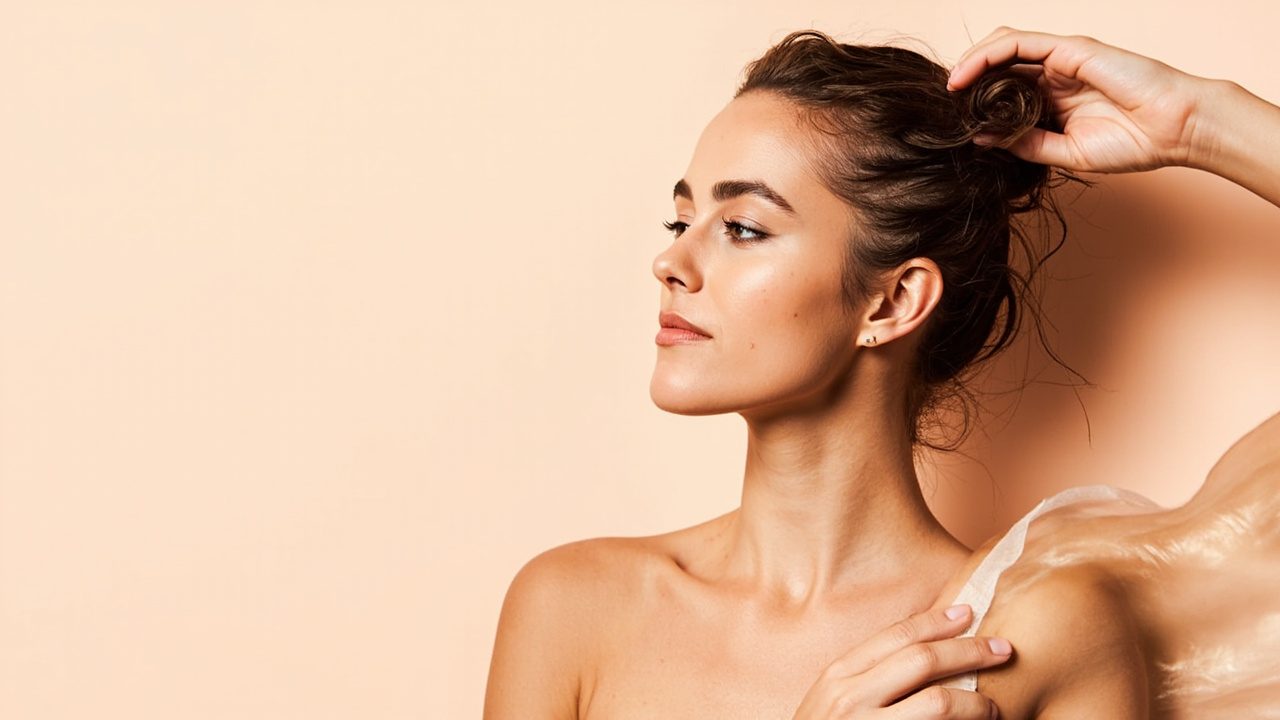
Using a dedicated hair sunscreen offers distinct advantages over simply wearing a hat (though hats are excellent). Here are the primary benefits:
1. Prevents Color Fading and Brassiness
Color-treated hair is porous. UV rays act like a bleach, stripping artificial pigment and revealing unwanted warm or brassy tones. A UV filter creates a shield that locks color molecules inside the hair shaft, keeping your salon-fresh hue vibrant for weeks longer.
2. Reduces Protein Loss
Hair is made of keratin. UV radiation triggers a process called photodegradation, where the disulfide bonds (the “glue” holding hair together) break. Sunscreen helps maintain the tensile strength of your hair, preventing breakage and split ends.
3. Seals the Cuticle
Many hair sunscreens contain silicones, polymers, or natural oils that smooth the raised cuticle of damaged hair. This not only protects from the sun but also reduces humidity-induced frizz and increases light reflection (shine).
4. Prevents Dryness and Brittleness
The sun evaporates moisture from the hair. Damaged hair has a compromised moisture barrier. Hair sunscreens often contain humectants (glycerin, aloe) and emollients (coconut oil, argan oil) that hydrate while they protect.
5. Protects Scalp Health
A sunburned scalp is painful and can lead to peeling, flaking, and even long-term damage to hair follicles. Many hair sunscreens are sprayable, allowing you to cover your part line without greasing your roots.
How to Choose the Best Sunscreen for Damaged Hair
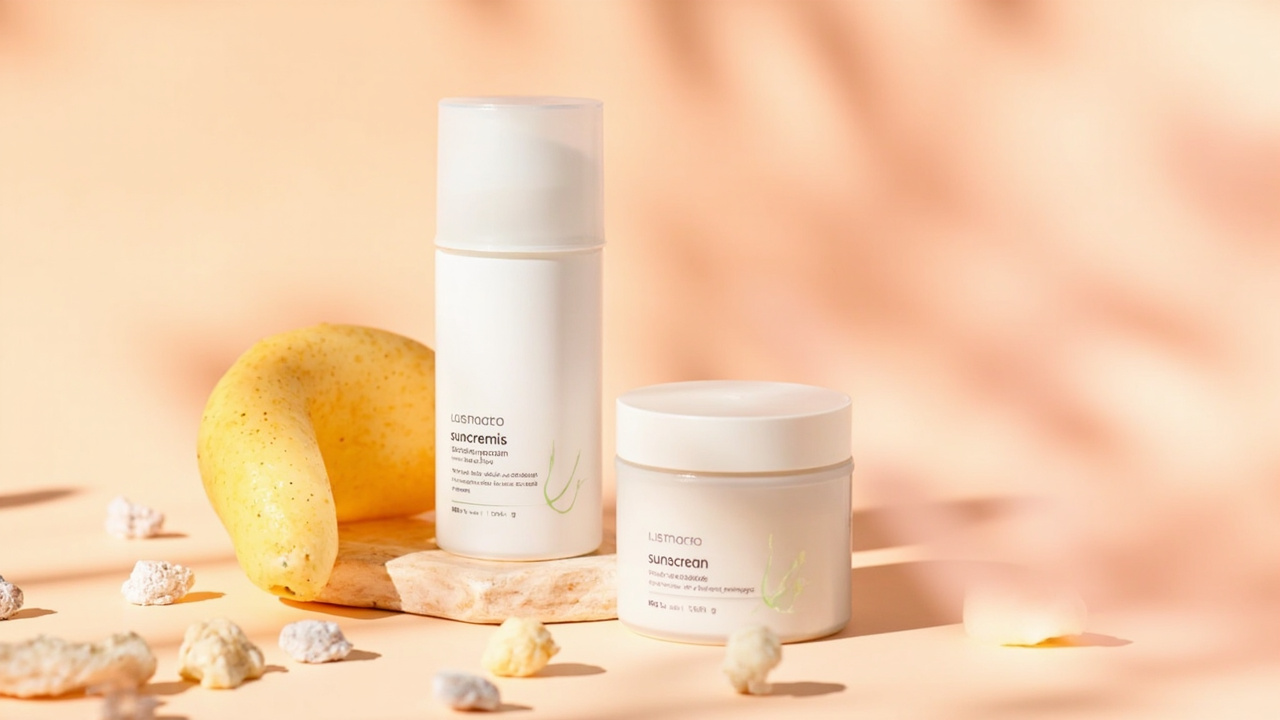
Not all hair sunscreens are created equal. When shopping for a product specifically for damaged hair, look for these key criteria:
1. UV Protection Spectrum
- Look for: Ingredients like Octinoxate, Avobenzone, Octisalate, or Titanium Dioxide. Some products use a “UV filter” complex without listing specific SPF numbers.
- The Gold Standard: A product labeled SPF 30+ is ideal for extended sun exposure. For daily incidental exposure, SPF 15-20 is sufficient.
2. Repairing Ingredients
A sunscreen for damaged hair must do double duty: protect and repair. Seek out:
- Hydrolyzed Keratin or Wheat Protein: Fills in gaps in the hair shaft to strengthen.
- Ceramides: Restore the lipid barrier.
- Amino Acids: Building blocks of protein that penetrate the cortex.
- Oils (Argan, Jojoba, Marula): Provide moisture and seal the cuticle.
3. Heat Protection (Bonus)
If you use a blow dryer, flat iron, or curling wand, look for a product that offers thermal protection (up to 230°C/450°F). This allows you to style and protect in one step.
4. Texture and Finish
- Damaged Hair: Typically needs a cream, lotion, or lightweight oil. These provide more slip and moisture.
- Fine/Oily Hair: Stick to mists or sprays to avoid weighing hair down.
- Thick/Coarse Hair: Can handle richer butters or creams.
5. Water Resistance
If you are going to the beach or pool, water resistance is critical. Chlorine and saltwater are extremely drying and will accelerate damage. Water-resistant formulas cling to the hair longer.
Quick Comparison Table: Best Sunscreens for Damaged Hair
| Product | Best For | Key Ingredients | UV Protection | Texture |
|---|---|---|---|---|
| Davines SU Hair & Body Sunscreen | Color-Treated, Fine Hair | UV Filters, Bisabolol | Broad Spectrum SPF 30 | Light mist |
| Kérastase Soleil Crème UV Sublime | Very Dry, Thick Hair | Coconut Oil, Vitamin E | Broad Spectrum SPF 30 | Rich cream |
| Supergoop! Poof 100% Mineral Part Powder SPF 35 | Scalp Protection, Oily Roots | Zinc Oxide, Silica | SPF 35 (Mineral) | Loose powder |
| Bumble and bumble Hairdresser’s Invisible Oil UV/Heat Protectant | Frizzy, Damaged, Heat Styling | 6 Oils (Coconut, Argan, etc.) | UV Protection + Heat up to 450°F | Lightweight oil |
| Sun Bum Hair SPF 30 | Budget-Friendly, Beach Days | Aloe, Green Tea, Avocado Oil | Broad Spectrum SPF 30 | Spray mist |
| Olaplex No. 7 Bonding Oil | Severely Damaged, Chemically Treated | Bis-Aminopropyl Diglycol Dimaleate (Bonding) | UV Protection + Heat up to 450°F | Silky oil |
Top Recommendations by Category
Here are our expert picks for the best sunscreens for damaged hair, categorized by specific needs.
1. Best Overall for Color-Treated & Damaged Hair: Davines SU Hair & Body Sunscreen
- Why it wins: This Italian brand uses a unique “Sun Shield” complex. It is incredibly lightweight, making it perfect for fine to medium damaged hair. It prevents brassiness and green tones from chlorine.
- How to use: Spray liberally on damp or dry hair before sun exposure.
2. Best for Extreme Dryness & Repair: Kérastase Soleil Crème UV Sublime
- Why it wins: This is a thick, luxurious cream that doubles as a deep conditioner. It contains Coconut Oil and Vitamin E to nourish severely dry, damaged hair while providing SPF 30 protection.
- How to use: Apply a small amount to mid-lengths and ends before swimming. Re-apply after rinsing.
3. Best for Scalp Protection: Supergoop! Poof 100% Mineral Part Powder SPF 35
- Why it wins: Damaged hair often means a sensitive scalp. This 100% mineral (Zinc Oxide) powder is non-irritating. The powder texture absorbs oil at the roots, preventing a greasy scalp.
- How to use: Shake onto your part line and massage in. It is invisible on all hair colors.
4. Best for Heat Styling & Frizz: Bumble and bumble Hairdresser’s Invisible Oil UV/Heat Protectant
- Why it wins: This is a hybrid product that offers UV protection and thermal protection up to 450°F. The blend of six lightweight oils (Coconut, Argan, Macadamia, etc.) smooths the cuticle without weighing hair down.
- How to use: Apply 2-3 pumps to damp hair before blow-drying.
5. Best Budget-Friendly Option: Sun Bum Hair SPF 30
- Why it wins: Sun Bum is a trusted sunscreen brand. Their hair mist is affordable, smells like summer (coconut), and contains Aloe Vera and Avocado Oil to hydrate damaged strands.
- How to use: Spray generously before and during sun exposure. Re-apply every 80 minutes.
6. Best for Severely Chemically Damaged Hair: Olaplex No. 7 Bonding Oil
- Why it wins: While not a traditional sunscreen, Olaplex No. 7 is a powerhouse for damaged hair. It uses the brand’s patented bond-building technology to repair broken disulfide bonds while providing UV protection and heat protection up to 450°F.
- How to use: Apply 1-2 drops to dry or damp hair. A little goes a long way.
How to Apply Sunscreen to Damaged Hair (Step-by-Step)
Applying hair sunscreen is simple, but technique matters for maximum protection.
Step 1: Start with Clean, Damp Hair (Best Method)
- Why: Sunscreen adheres better to damp hair than dry hair. It also seals in moisture.
- Action: After washing, towel-dry your hair. Apply a leave-in conditioner first (if using a separate one), then the sunscreen.
Step 2: Focus on the Mid-Lengths and Ends
- Why: The ends are the oldest and most damaged part of your hair. They absorb the most UV radiation.
- Action: Spray or apply product from the ears down. Avoid the roots unless you are using a scalp-specific powder.
Step 3: Don’t Forget the Part Line
- Why: The scalp is skin, and it burns easily.
- Action: If using a spray, lift your hair and spray directly onto the part line. If using a cream, use a tiny amount on your fingertips.
Step 4: Reapply After Swimming or Sweating
- Why: Water and sweat wash away the UV filter.
- Action: Reapply hair sunscreen every 80 minutes if you are actively swimming or sweating.
Step 5: Use a Deep Cleansing Shampoo at Night
- Why: Sunscreen, chlorine, and saltwater can build up on the hair, causing dullness.
- Action: Use a clarifying or chelating shampoo once a week to remove residue.
Side Effects and Precautions
While hair sunscreen is generally safe, there are a few things to consider, especially for damaged hair.
Potential Side Effects
- Product Buildup: Some silicones and polymers can build up on highly porous, damaged hair, making it feel heavy or sticky. Solution: Use a clarifying shampoo once a week.
- Allergic Reactions: As with skin, you can be allergic to chemical UV filters (like Oxybenzone or Avobenzone). Solution: If you have sensitive skin, opt for a mineral-based sunscreen (Zinc Oxide or Titanium Dioxide) for your hair and scalp.
- Dryness from Alcohol: Many spray sunscreens contain alcohol for quick drying. This can further dry out damaged hair. Solution: Look for “alcohol-free” or “denatured alcohol-free” on the label, or choose a cream/oil-based formula.
- Discoloration: Some mineral sunscreens (Zinc) can leave a white cast on darker hair if not rubbed in properly. Solution: Use a powder or a spray that is labeled “invisible.”
Precautions
- Don’t use body sunscreen on hair: Body sunscreens are thick and contain ingredients that can make hair look greasy and stringy. Always use a product specifically labeled for hair.
- Protect your hair from the inside out: A diet rich in Omega-3s (salmon, flaxseed) and antioxidants (berries, leafy greens) strengthens hair from within.
- Wear a physical barrier: A wide-brimmed hat or a silk scarf provides 100% physical protection. For maximum protection, combine a hat with a hair sunscreen.
Final Verdict
The best sunscreen for damaged hair is one that offers broad-spectrum UV protection, intense hydration, and repair-focused ingredients. For most people, the Davines SU or the Bumble and bumble Invisible Oil are excellent all-around choices. If you have severely chemically damaged hair, the Olaplex No. 7 is a game-changer.
Remember: Sun protection for your hair is a daily habit, not just a beach-day activity. By adding a hair sunscreen to your routine, you will maintain stronger, shinier, and more vibrant hair year-round.
Frequently Asked Questions (FAQs)
1. Can I use regular body sunscreen on my hair?
No. Body sunscreens are formulated for skin and contain thick emollients (like shea butter or dimethicone) that will make your hair look greasy, limp, and dull. They also do not rinse out easily. Always use a product designed for hair.
2. Does SPF in hair products actually work?
Yes, when formulated correctly. Hair sunscreens use the same UV filters as skin sunscreens. However, because hair is not living tissue, the SPF rating is not regulated by the FDA in the same way. Look for “Broad Spectrum” on the label to ensure UVA and UVB protection.
3. How often should I reapply hair sunscreen?
Reapply every 80 minutes if you are swimming or sweating. For daily wear (commuting, walking), one application in the morning is usually sufficient unless you are in direct sunlight for hours.
4. Will hair sunscreen prevent my hair color from fading?
Yes, significantly. UV rays are a primary cause of color fading. A good hair sunscreen acts as a barrier, blocking the rays that break down color molecules. It is the best non-chemical way to extend the life of your hair color.
5. Is hair sunscreen safe for color-treated or keratin-treated hair?
Yes, it is highly recommended. Color-treated and keratin-treated hair is already damaged and porous. Sunscreen helps protect the investment you made in your hair. However, avoid sunscreens with high levels of sulfates or alcohol, which can strip treatments. Stick to sulfate-free, alcohol-free formulas.
Medical Disclaimer: The information provided in this article is for informational and educational purposes only. It is not a substitute for professional medical advice, diagnosis, or treatment. Always consult a qualified healthcare provider or a board-certified dermatologist for any questions you may have regarding a medical condition, skin sensitivity, or hair health. Reliance on any information provided in this article is solely at your own risk.
Medically Reviewed By
Dr. James Chen, MD, PhD — Dermatology Researcher
Dr. Chen is a physician-scientist specializing in skin barrier research. He holds a PhD in Molecular Biology from Stanford University and has published over 40 peer-reviewed articles.
This article was medically reviewed on 2026-06-09 for accuracy and completeness.
You May Also Like
Explore more articles in our Health collection:
- Best Nail Dryer: Quick-Dry Drops and Sprays for Faster Manicures
- Best Nail Sticker: Easy Nail Art Without the Mess or Drying Time
- Best Night Cream for Anti-Aging: Dermatologist Picks for Every Budget
Related Tools
Try these free calculators and quizzes to personalize your routine:
References
- Non-comedogenic formulations in acne-prone skin: a systematic review — Clinical, Cosmetic and Investigational Dermatology (accessed 2026-06-09)
- The role of niacinamide in dermatology: a review of its applications — Dermatologic Therapy (accessed 2026-06-09)