
Understanding the Link Between Stress and Dark Circles
Stress affects your body in many ways. One visible sign is dark circles under your eyes. When you are stressed, your body releases cortisol. This hormone can break down collagen and thin the skin. Thin skin makes blood vessels more visible, creating a dark appearance.
Stress also disrupts sleep. Poor sleep leads to fluid buildup under the eyes. This causes puffiness and shadows. Additionally, stress can cause you to rub your eyes. Rubbing irritates the skin and worsens dark circles.
Chronic stress reduces blood flow to the skin. Less oxygen makes the area look dull and dark. Understanding this link helps you choose effective stress techniques.
Top Stress-Busting Techniques to Reduce Dark Circles
Mindfulness and Meditation
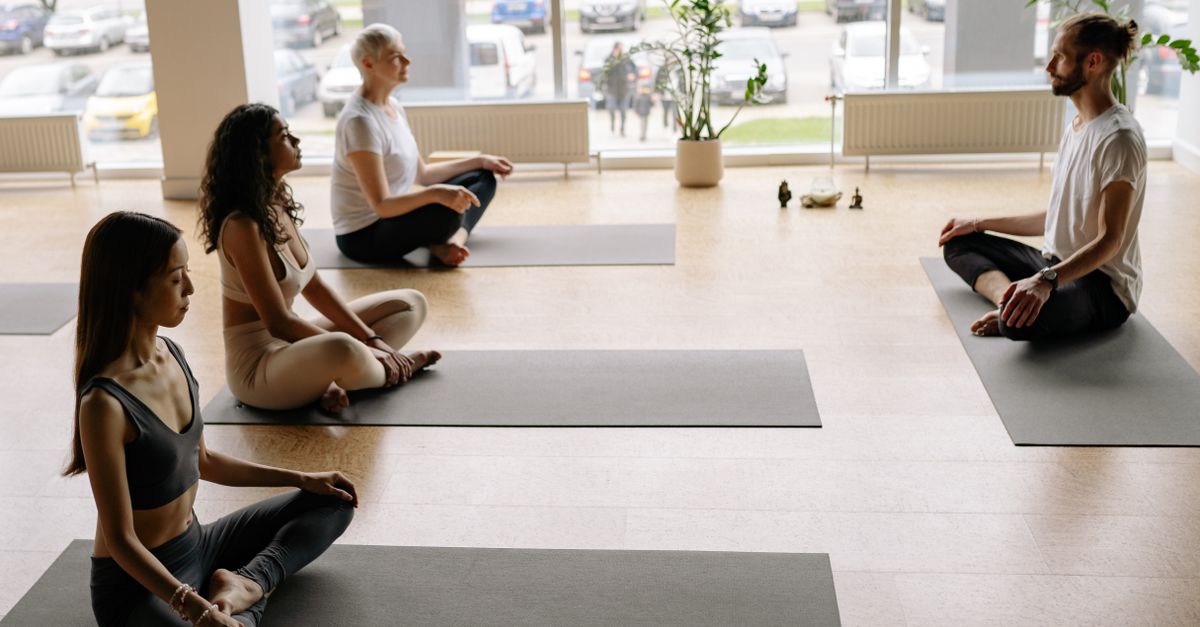
Mindfulness reduces stress by focusing on the present. It lowers cortisol levels. Lower cortisol means less collagen breakdown.
- How to start: Sit quietly for 5 minutes daily. Focus on your breath.
- Benefits: Studies show meditation improves sleep and reduces anxiety. Better sleep reduces dark circles.
- Tip: Use guided meditation apps. They make it easy.
Quality Sleep and Sleep Hygiene
Sleep is essential for skin repair. During deep sleep, your body produces growth hormone. This repairs skin cells and reduces dark circles.
Sleep hygiene tips:
- Go to bed and wake up at the same time every day.
- Keep your bedroom cool, dark, and quiet.
- Avoid screens 1 hour before bed. Blue light disrupts melatonin.
- Use a silk pillowcase. It reduces friction and prevents wrinkles.
- Elevate your head with an extra pillow. This reduces fluid pooling under eyes.
Aim for 7-9 hours of quality sleep per night.
Physical Activity and Yoga
Exercise reduces stress hormones. It also boosts blood circulation. Better circulation brings oxygen to the skin, reducing dark circles.
- Aerobic exercise: Walking, jogging, or cycling for 30 minutes daily.
- Yoga poses for stress:
- Child’s Pose (Balasana)
- Legs-Up-the-Wall (Viparita Karani)
- Corpse Pose (Savasana)
- Benefits: Yoga lowers cortisol and improves sleep. It also reduces eye strain.
Dietary Adjustments and Hydration
What you eat affects your skin. Stress often leads to poor food choices. A healthy diet can reduce dark circles.
Key nutrients:
- Vitamin C: Helps collagen production. Found in citrus fruits, bell peppers, and strawberries.
- Vitamin K: Improves blood clotting and reduces dark circles. Found in leafy greens like kale and spinach.
- Iron: Prevents anemia, which causes dark circles. Sources: red meat, beans, lentils.
- Antioxidants: Protect skin from stress damage. Berries, dark chocolate, and green tea are good sources.
Hydration: Drink 8-10 glasses of water daily. Dehydration makes skin look dull and shadows more prominent.
Avoid:
- Excess salt (causes fluid retention)
- Caffeine late in the day (disrupts sleep)
- Alcohol (dehydrates and dilates blood vessels)
Skincare Routines with Stress-Relieving Ingredients
Skincare can complement stress reduction. Use products with ingredients that calm and strengthen the skin.
- Caffeine: Constricts blood vessels, reducing puffiness. Look for eye creams with caffeine.
- Vitamin C: Brightens skin and boosts collagen.
- Retinol: Stimulates collagen production. Use at night, start with low concentration.
- Hyaluronic acid: Hydrates and plumps skin.
- Peptides: Support collagen and elastin.
Routine:
- Cleanse gently with a mild cleanser.
- Apply eye cream with caffeine or vitamin C.
- Moisturize with hyaluronic acid.
- Use sunscreen during the day (SPF 30+).
Tip: Store eye cream in the fridge. Cold reduces puffiness.
Additional Tips for Managing Stress-Induced Dark Circles
- Cold compresses: Apply chilled cucumber slices or tea bags for 10 minutes. This constricts blood vessels.
- Facial massage: Gently massage the under-eye area with your ring finger. Use upward motions. This boosts circulation.
- Limit screen time: Blue light strains eyes. Use the 20-20-20 rule: every 20 minutes, look at something 20 feet away for 20 seconds.
- Avoid smoking: Smoking damages collagen and worsens dark circles.
- Manage allergies: Allergies cause rubbing and dark circles. Use antihistamines if needed.
- Keep a stress journal: Write down stressors. This helps you identify triggers and reduce them.
When to Consult a Professional
If dark circles persist despite stress management, see a dermatologist. They can rule out underlying conditions.
Signs you need medical advice:
- Dark circles appear suddenly or worsen quickly.
- You have swelling or pain under the eyes.
- You experience other symptoms like fatigue or paleness.
- Home remedies do not work after 3 months.
Treatments a professional may offer:
- Topical prescription creams (e.g., hydroquinone for hyperpigmentation)
- Chemical peels
- Laser therapy
- Fillers for volume loss
Also consult a healthcare provider if you suspect a health issue like anemia, thyroid problems, or allergies.
Key Takeaways
- Stress increases cortisol, which thins skin and worsens dark circles.
- Mindfulness, sleep, exercise, diet, and skincare are effective stress techniques.
- Consistency is key. Combine multiple methods for best results.
- See a dermatologist if dark circles do not improve.
- A holistic approach addresses both stress and skin health.
Frequently Asked Questions
Can stress alone cause dark circles?
Yes, stress can cause dark circles by increasing cortisol, which thins skin, and by disrupting sleep, leading to fluid buildup and shadows.
How long does it take for stress techniques to reduce dark circles?
Results vary. Consistent practice of stress techniques may show improvement in 2-4 weeks. Skin repair takes time.
Are there any specific foods that help reduce dark circles?
Yes, foods rich in vitamin C, vitamin K, iron, and antioxidants support skin health. Examples include citrus fruits, leafy greens, berries, and beans.
Is it safe to use eye creams with retinol?
Yes, but start with a low concentration and use only at night. Avoid the eye area if irritation occurs. Consult a dermatologist if unsure.
When should I see a doctor for dark circles?
See a doctor if dark circles appear suddenly, are accompanied by pain or swelling, or do not improve with lifestyle changes after 3 months.
You May Also Like
Explore more articles in our Wellness collection:
- The Link Between Stress and Hair Loss
- The Link Between Stress and Sensitive Skin
- Best Sleep Techniques for Acne
Related Tools
Try these free calculators and quizzes to personalize your routine:
References
- Stress and skin: A review of the literature — PubMed (accessed 2026-06-11)
- Dark circles under eyes: Causes and treatments — Mayo Clinic (accessed 2026-06-11)
- How to get rid of dark circles — American Academy of Dermatology (accessed 2026-06-11)
- Effect of mindfulness-based stress reduction on sleep quality: A systematic review — PubMed (accessed 2026-06-11)