
Advertisement
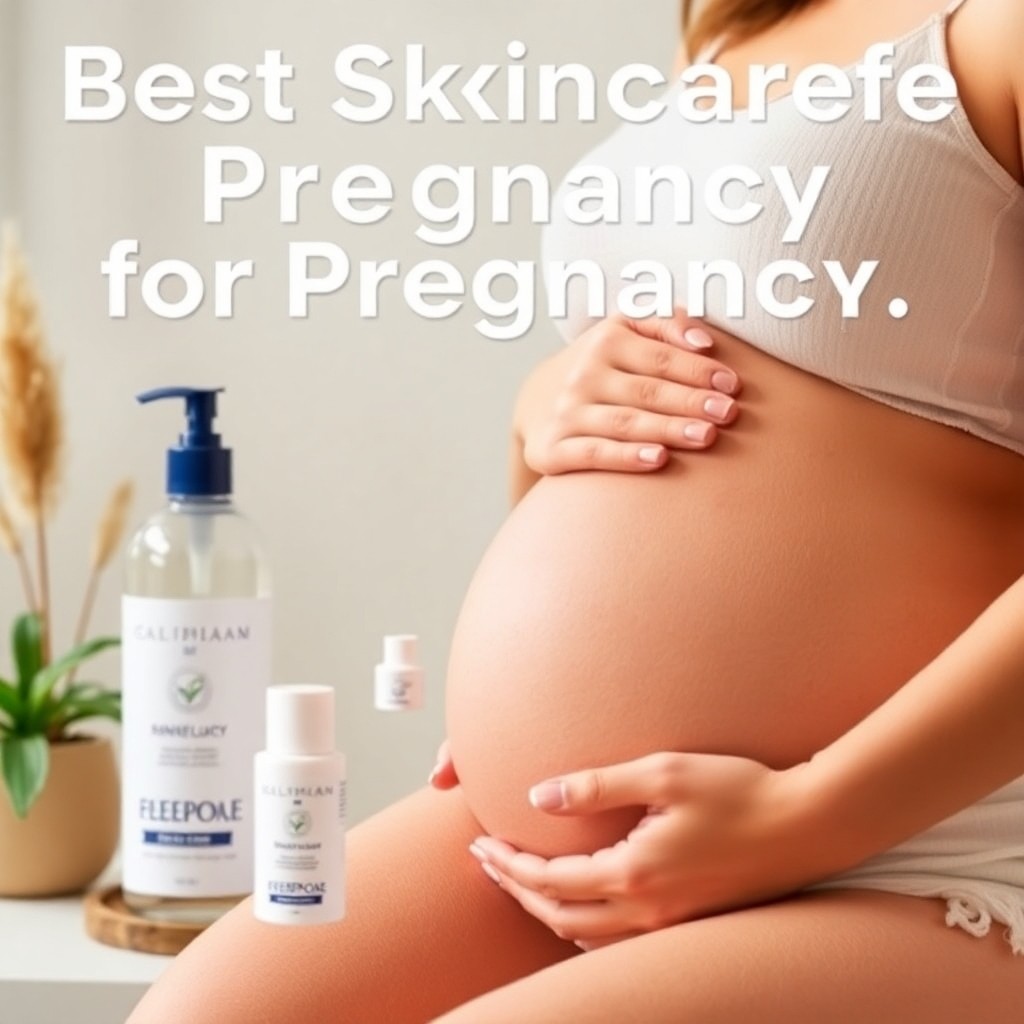
Pregnancy brings profound physiological changes, and your skin is often the first place they become visible. From the "pregnancy glow" (often caused by increased blood volume and oil production) to unexpected challenges like melasma, acne, and stretch marks, navigating skincare during this time can feel overwhelming. The primary concern, however, is safety: ingredients that were once staples in your routine may now pose risks to your developing baby.
This guide cuts through the noise, providing a science-backed, practical roadmap for building a safe and effective skincare routine during pregnancy and nursing. We will cover exactly which ingredients to avoid (and why), which active ingredients are considered safe, and how to address common concerns like hyperpigmentation and dryness without compromising your health or your baby's.
## Table of Contents
- Why Your Skincare Routine Needs to Change During Pregnancy
- Ingredients to Avoid: The "No-Go" List
- Safe and Effective Ingredients for Pregnancy
- Addressing Common Pregnancy Skin Concerns
- Building Your Pregnancy-Safe Skincare Routine
- Frequently Asked Questions
- Conclusion
## Why Your Skincare Routine Needs to Change During Pregnancy
During pregnancy, your body undergoes a dramatic increase in hormones like estrogen and progesterone. These hormonal shifts affect every system, including your skin. The stratum corneum (the skin's outer barrier) can become more sensitive and reactive. Furthermore, the increased production of melanocyte-stimulating hormone (MSH) can lead to hyperpigmentation.
The most critical reason for change, however, is absorption. While the skin is an excellent barrier, some topical ingredients can be absorbed into the bloodstream in measurable amounts. For substances that are known teratogens (causing birth defects), even minimal systemic absorption during critical developmental windows (particularly the first trimester) poses a theoretical risk. The guiding principle in dermatology is to err on the side of caution. As the American Academy of Dermatology (AAD) notes, many common skincare ingredients have not been rigorously studied in pregnant women, making safety profiles based on animal studies and clinical consensus.
## Ingredients to Avoid: The "No-Go" List
The following ingredients have established or theoretical risks that warrant their removal from your routine during pregnancy and while nursing.
### Retinoids (Retinol, Tretinoin, Isotretinoin)
This is the most critical ingredient to avoid. Retinoids are vitamin A derivatives that accelerate cell turnover and stimulate collagen production. The oral form, isotretinoin (Accutane), is a known teratogen with a high risk of causing severe birth defects [1]. While topical retinoids (tretinoin, adapalene, and over-the-counter retinol) have much lower systemic absorption, the AAD advises against their use during pregnancy out of an abundance of caution [2]. The risk is not considered high with topical use, but the potential consequences are severe enough that complete avoidance is the standard recommendation.
### Salicylic Acid (High Concentrations)
Salicylic acid is a beta-hydroxy acid (Paula's Choice Skin Perfecting 2% BHA Liquid Exfoliant) used for acne and exfoliation. The concern is systemic absorption. High-dose oral salicylates (like aspirin) are linked to complications in the third trimester, including premature closure of the ductus arteriosus. For topical use, the risk is dose-dependent. The AAD considers low-concentration salicylic acid (under 2%) in rinse-off products (like a cleanser) to be safe. However, high-concentration peels or leave-on treatments should be avoided [2].
### Hydroquinone
Hydroquinone is a potent skin-lightening agent used for melasma and hyperpigmentation. It has a high systemic absorption rate (35-45%) compared to other topical ingredients. Animal studies have shown potential fetal effects. Because safer alternatives exist (like azelaic acid and vitamin C), most dermatologists recommend avoiding hydroquinone entirely during pregnancy [2].
### Chemical Sunscreens (Oxybenzone, Octinoxate)
This is a more nuanced and debated topic. Chemical EltaMD UV Clear Broad-Spectrum SPF 46 filters like oxybenzone are absorbed into the bloodstream at levels exceeding the FDA's threshold for potential systemic toxicity. While the FDA has requested more safety data, they have not concluded that these filters are unsafe. However, due to the lack of definitive long-term human data on fetal effects, the AAD and many obstetricians recommend using **mineral sunscreens** containing zinc oxide or titanium dioxide, which are considered safe and effective because they sit on the skin's surface and are not absorbed [2].
### Essential Oils & High-Dose Vitamin A
Avoid high-dose vitamin A supplements. For topical products, avoid essential oils like saw palmetto (which can have hormonal effects) and high concentrations of retinyl palmitate (a weaker form of vitamin A). Always check the "active ingredients" list.
## Safe and Effective Ingredients for Pregnancy
You do not have to abandon your skincare goals. Many powerful, evidence-based ingredients are considered safe.
### Vitamin C (L-Ascorbic Acid)
Vitamin C is a potent antioxidant that protects against UV damage, brightens skin tone, and is essential for collagen synthesis. It is a first-line treatment for melasma during pregnancy. Topical vitamin C has an excellent safety profile with no known risks to the fetus. It is stable, effective, and highly recommended by dermatologists for pregnant women [3].
### Azelaic Acid
Azelaic acid is a star ingredient for pregnancy. It is a naturally occurring dicarboxylic acid that is effective for treating both acne and hyperpigmentation (melasma). It works by reducing inflammation, killing acne-causing bacteria, and inhibiting melanin production. It is considered a Category B drug (no evidence of risk in humans) and is widely prescribed by dermatologists for pregnant patients [2, 4].
### Hyaluronic Acid
Hyaluronic acid is a humectant that holds up to 1,000 times its weight in water. It is naturally present in the body and is not absorbed systemically in a way that would affect a fetus. It is one of the safest ingredients you can use, providing deep hydration without any known risks. It is a cornerstone of any pregnancy skincare routine [3].
### Glycolic Acid (Low Concentrations)
Glycolic acid is an alpha-hydroxy acid (AHA) that exfoliates the top layer of skin. At low concentrations (under 10%), systemic absorption is negligible. It is considered safe for use during pregnancy, particularly in rinse-off products or leave-on serums. It can help with dullness and texture.
### Niacinamide (Vitamin B3)
Niacinamide is a multi-tasking ingredient that strengthens the skin barrier, reduces inflammation, controls oil production, and helps fade hyperpigmentation. It is well-tolerated and has an excellent safety profile for pregnancy.
### Mineral Sunscreen (Zinc Oxide / Titanium Dioxide)
As mentioned, mineral sunscreens are the gold standard for sun protection during pregnancy. They physically block UVA and UVB rays without being absorbed into the bloodstream. Given the high risk of melasma during pregnancy, daily use of a broad-spectrum SPF 30+ mineral sunscreen is non-negotiable [2].
## Addressing Common Pregnancy Skin Concerns
### Melasma (The "Mask of Pregnancy")
Melasma appears as brown or gray-brown patches on the face, triggered by estrogen and UV exposure. **Prevention is key.** Use a mineral sunscreen (SPF 50+) every single day, rain or shine. For treatment, use a serum with **Azelaic Acid** (10-15%) and **Vitamin C**. You can also safely use **Niacinamide** and **Tranexamic Acid** (topical, not oral) under a doctor's guidance.
### Pregnancy Acne
Hormonal surges can cause breakouts. Avoid harsh benzoyl peroxide and salicylic acid in high doses. Instead, use a La Roche-Posay Toleriane Hydrating Gentle Cleanser, a **Niacinamide** serum, and a **Azelaic Acid** gel. If acne is severe, your dermatologist may prescribe topical clindamycin or erythromycin, which are considered safe.
### Stretch Mark Prevention
Stretch marks (striae gravidarum) are caused by rapid stretching and hormonal changes. While no cream can fully prevent them, keeping the skin hydrated and elastic can help. Use a rich body cream containing **Centella Asiatica** (a plant extract shown to improve stretch marks), **Cocoa Butter**, or **Shea Butter**. More importantly, gaining weight at a steady, moderate rate (as recommended by your OB) is the most effective prevention.
### Dryness and Sensitivity
Hormonal changes can compromise the skin barrier. Switch to a **gentle, non-foaming cleanser**. Use a **hyaluronic acid serum** on damp skin, followed by a rich, fragrance-free moisturizer containing **ceramides** and **niacinamide** to restore the barrier.
## Building Your Pregnancy-Safe Skincare Routine
Here is a simple, effective template. Always patch-test new products.
**Morning Routine:**
1. **Cleanser:** Gentle, non-stripping cleanser (e.g., CeraVe Moisturizing Cream Hydrating Cleanser, La Roche-Posay Toleriane Hydrating Gentle Cleanser).
2. **Treatment:** SkinCeuticals C E Ferulic (e.g., SkinCeuticals C E Ferulic or a budget-friendly alternative like Timeless 20% Vitamin C).
3. **Moisturizer:** Lightweight, fragrance-free moisturizer with niacinamide or hyaluronic acid.
4. **Sun Protection:** Mineral SPF 30+ (e.g., Supergoop! Protectint, EltaMD UV Clear Tinted).
**Evening Routine:**
1. **Oil Cleanser (Optional):** To remove makeup and sunscreen.
2. **Cleanser:** Same gentle cleanser.
3. **Treatment (Alternate Nights):**
- *Night 1:* Azelaic Acid (e.g., The Ordinary Niacinamide 10% + Zinc 1% Azelaic Acid 10% Suspension).
- *Night 2:* Glycolic Acid toner (low concentration, e.g., 5-7%).
4. **Moisturizer:** Richer, barrier-repairing moisturizer with ceramides (e.g., CeraVe Moisturizing Cream, SkinFix Barrier+ Triple Lipid-Peptide Cream).
**For Nursing:** The same rules generally apply. While the risk of systemic absorption is lower than during pregnancy, it is still prudent to avoid retinoids and high-dose hydroquinone until you have finished nursing.
## Frequently Asked Questions
### Is retinol safe after pregnancy while breastfeeding?
No. The AAD recommends avoiding topical retinoids (retinol, tretinoin, adapalene) during breastfeeding as well. While the amount that passes into breast milk is unknown, the potential risk is considered too high. You should wait until you have fully weaned before reintroducing retinoids.
### Can I use benzoyl peroxide for acne during pregnancy?
Yes, with caution. Benzoyl peroxide is considered a Category C drug. It is poorly absorbed through the skin, and most dermatologists consider low-concentration (2.5-5%) spot treatments safe. However, avoid using it over large areas of the body. Always consult your OB first.
### Is it safe to get a facial during pregnancy?
Yes, but you must inform your esthetician. Avoid chemical peels containing high concentrations of salicylic acid, glycolic acid (over 20%), or retinoids. A gentle, hydrating facial with extractions and a mineral sunscreen is safe. Avoid strong essential oils.
### What is the best sunscreen for pregnancy?
The best sunscreen is a **mineral (physical) sunscreen** with **zinc oxide** and/or **titanium dioxide**. Look for an SPF of 30 or higher. Tinted versions can also help camouflage melasma. Popular options include EltaMD UV Clear Tinted and Supergoop! Zincscreen.
### Can I use vitamin C serum every day?
Yes. Vitamin C is one of the safest and most beneficial ingredients for pregnancy. Using it daily in the morning under your sunscreen provides potent antioxidant protection and helps fade hyperpigmentation.
## Conclusion
Pregnancy does not mean you have to abandon your skincare goals. By focusing on safe, effective ingredients like vitamin C, azelaic acid, hyaluronic acid, and niacinamide, and avoiding known risks like retinoids and high-dose salicylic acid, you can maintain healthy, glowing skin.
**Actionable Takeaways:**
- **Stop using retinoids** immediately upon learning you are pregnant.
- **Switch to a mineral sunscreen** (zinc oxide) and wear it daily.
- **Use azelaic acid** for acne and melasma.
- **Hydrate** with hyaluronic acid and ceramides.
- **Consult your OB or a board-certified dermatologist** for any specific concerns.
**Disclaimer:** This article is for informational purposes only and does not constitute medical advice. Always consult your obstetrician or dermatologist before starting any new skincare product or treatment during pregnancy or while nursing.
## References
1. [PubMed]. "Isotretinoin and the risk of birth defects: a systematic review." URL: https://pubmed.ncbi.nlm.nih.gov/ (Search: Isotretinoin teratogenicity)
2. [American Academy of Dermatology]. "Is it safe to use acne medications during pregnancy?" URL: https://www.aad.org/public/diseases/acne/skin-care/pregnancy
3. [PubMed]. "Safety of topical ingredients in pregnancy." URL: https://pubmed.ncbi.nlm.nih.gov/ (Search: Topical skincare pregnancy safety)
4. [Mayo Clinic]. "Pregnancy and skin: What's safe?" URL: https://www.mayoclinic.org/healthy-lifestyle/pregnancy-week-by-week/expert-answers/pregnancy-and-skin/faq-20058043
Advertisement
References
- PubMed. "Isotretinoin and the risk of birth defects: a systematic review." URL: — PubMed (accessed 2026-06-08)
- American Academy of Dermatology. "Is it safe to use acne medications during pregnancy?" URL: — American Academy of Dermatology (AAD) (accessed 2026-06-08)
- PubMed. "Safety of topical ingredients in pregnancy." URL: — PubMed (accessed 2026-06-08)
- Mayo Clinic. "Pregnancy and skin: What's safe?" URL: — Mayo Clinic (accessed 2026-06-08)
Medical Disclaimer: The information on HealthBeautify is for educational purposes only and is not intended as a substitute for professional medical advice, diagnosis, or treatment. Always seek the advice of your physician or other qualified health provider with any questions you may have regarding a medical condition.