
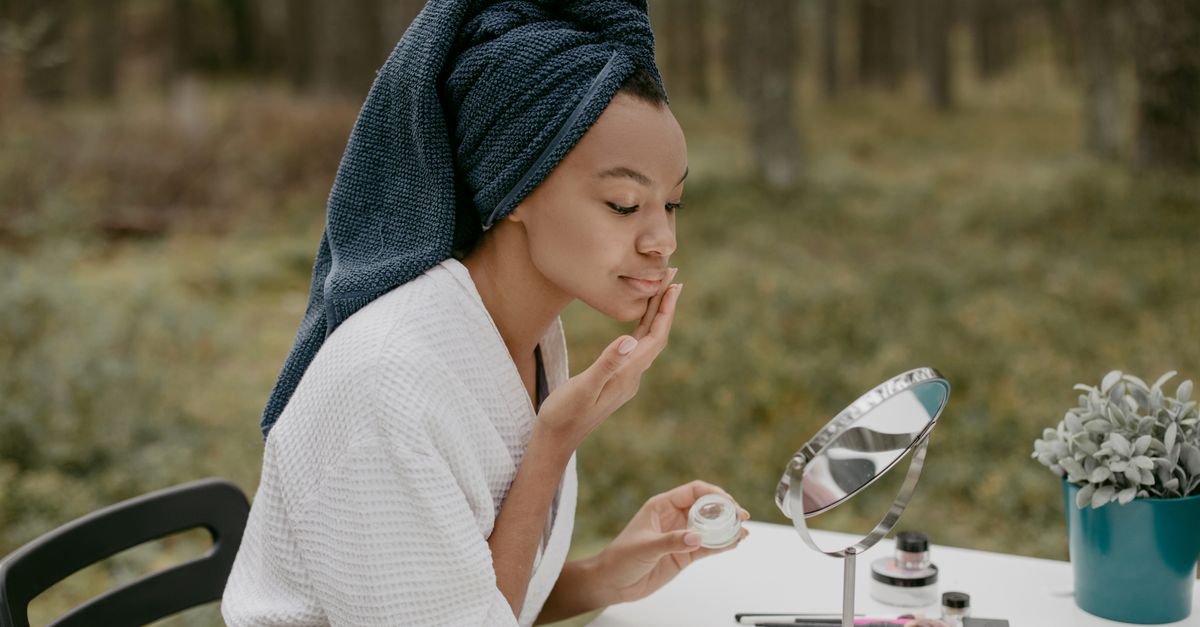
Why Teens Need a Specialized Moisturizer
Teen skin is unique. Hormonal changes increase oil production. This can lead to acne. Many teens skip moisturizer. They think it will make acne worse. This is a myth. Moisturizer is essential for all skin types. It helps balance oil production. It protects the skin barrier. A good moisturizer prevents dryness from acne treatments. It also reduces irritation. Teens need lightweight, non-comedogenic formulas. These won’t clog pores. A specialized moisturizer supports healthy skin during this transition.
Key Ingredients to Look For (and Avoid)
Choosing the right moisturizer means reading labels. Focus on ingredients that hydrate without causing breakouts.
Hydrating Heroes: Hyaluronic Acid, Glycerin, Ceramides
- Hyaluronic Acid: Holds up to 1000 times its weight in water. It hydrates without oil. Look for it in serums or gel moisturizers.
- Glycerin: A humectant that draws moisture into the skin. It is gentle and non-irritating.
- Ceramides: These lipids repair the skin barrier. They lock in moisture and protect against irritants. Ideal for teens using acne treatments.
Other beneficial ingredients:
- Niacinamide: Reduces redness and controls oil.
- Salicylic Acid: Exfoliates pores, good for acne-prone skin.
- Aloe Vera: Soothes inflammation.
Ingredients to Avoid: Heavy Oils, Fragrance, Alcohol
- Heavy Oils: Coconut oil, shea butter, and cocoa butter can clog pores. Avoid them if you have oily or acne-prone skin.
- Fragrance: Can cause allergic reactions and irritation. Choose fragrance-free products.
- Alcohol: Denatured alcohol dries out skin. It disrupts the barrier. Avoid products with alcohol listed high on ingredients.
- Comedogenic ingredients: Check for labels like “non-comedogenic” or “oil-free.”
Best Moisturizers for Teens by Skin Type
Oily & Acne-Prone Skin
Look for:
- Gel or water-based formulas.
- Oil-free and non-comedogenic.
- Ingredients: salicylic acid, niacinamide, hyaluronic acid.
Top choices:
- Neutrogena Hydro Boost Water Gel: Contains hyaluronic acid. Oil-free. Lightweight.
- La Roche-Posay Effaclar Mat: Controls shine. Contains salicylic acid.
- CeraVe PM Facial Moisturizing Lotion: Niacinamide and ceramides. Non-comedogenic.
Dry & Sensitive Skin
Look for:
- Cream-based formulas.
- Rich in ceramides, glycerin, and soothing ingredients.
- Fragrance-free and hypoallergenic.
Top choices:
- CeraVe Moisturizing Cream: Contains ceramides. Restores barrier.
- Vanicream Moisturizing Cream: Free of common irritants. Great for sensitive skin.
- Aveeno Calm + Restore Oat Gel Moisturizer: Oat soothes. Fragrance-free.
Combination Skin
Look for:
- Lightweight lotions that balance moisture.
- Ingredients like hyaluronic acid and niacinamide.
- Avoid heavy creams in oily zones.
Top choices:
- Cetaphil Daily Hydrating Lotion: Lightweight. Contains hyaluronic acid.
- Neutrogena Oil-Free Moisture for Combination Skin: Balances dry and oily areas.
- The Ordinary Natural Moisturizing Factors + HA: Simple, effective.
How to Choose the Right Moisturizer for Your Teen
- Identify skin type: Oily, dry, combination, or sensitive.
- Check ingredients: Look for non-comedogenic, fragrance-free.
- Consider acne treatments: If using benzoyl peroxide or retinoids, choose a gentle moisturizer.
- Test before committing: Apply a small amount to the jawline for 3 days.
- Consult a dermatologist if unsure. They can recommend products based on specific needs.
Application Tips for Best Results
- Apply moisturizer after cleansing, while skin is slightly damp. This locks in moisture.
- Use a pea-sized amount for the face. More can clog pores.
- Apply in upward strokes. Avoid pulling skin.
- Wait 1-2 minutes before applying sunscreen or makeup.
- Moisturize twice daily: morning and night.
- If using acne treatments, apply them first, wait 10 minutes, then moisturize.
Frequently Asked Questions
-
Can teens skip moisturizer if they have oily skin?
No. Oily skin still needs hydration. Skipping moisturizer can cause overproduction of oil. -
What is non-comedogenic?
It means the product won’t clog pores. Look for this label on moisturizers for acne-prone skin. -
How much moisturizer should a teen use?
A pea-sized amount is enough for the entire face. Using too much can lead to breakouts. -
Can a teen use adult moisturizer?
Yes, as long as it is non-comedogenic and free of harsh ingredients. However, teen skin may need lighter formulas. -
When should a teen see a dermatologist for moisturizer advice?
If acne is severe, skin is very dry or irritated, or if over-the-counter products don’t help.
Key Takeaways
- Teens need a moisturizer tailored to their skin type.
- Choose non-comedogenic, fragrance-free products.
- Look for hyaluronic acid, glycerin, and ceramides.
- Avoid heavy oils, alcohol, and fragrance.
- Apply moisturizer twice daily after cleansing.
- Consult a dermatologist for persistent skin issues.
Remember, moisturizing is a crucial step in any skincare routine. It helps maintain a healthy skin barrier and prevents problems. Start with the right product and habits for long-term skin health.
This article is for informational purposes only and does not substitute professional medical advice. Always consult a dermatologist or healthcare provider for personalized recommendations.
References
- Moisturizers: Do they work? — American Academy of Dermatology (AAD) (accessed 2026-06-11)
- The role of moisturizers in addressing various kinds of dermatitis: A review — PubMed (accessed 2026-06-11)
- Ceramides and skin barrier function — Mayo Clinic (accessed 2026-06-11)
- Acne: Tips for managing — American Academy of Dermatology (AAD) (accessed 2026-06-11)