
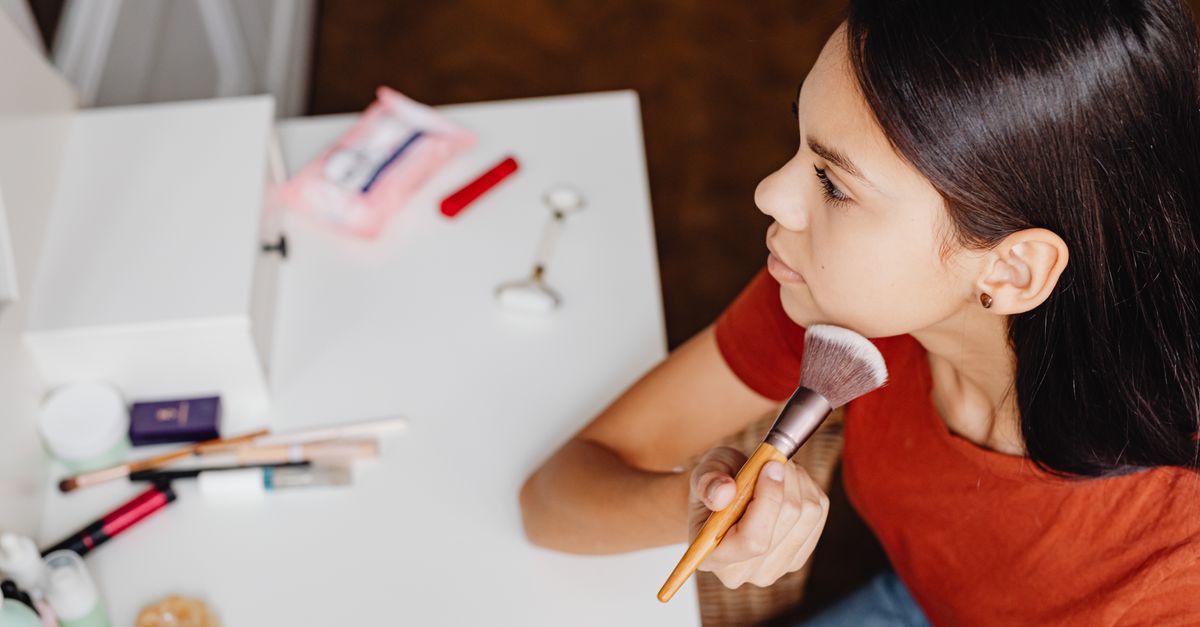
Understanding Redness and K-Beauty Toners
Facial redness is a common skin concern. It can be temporary or chronic. Many people seek gentle solutions. K-beauty toners offer a soothing approach. They hydrate and calm the skin. This makes them ideal for redness-prone skin.
What Causes Facial Redness?
Redness can stem from many factors:
- Genetics: Some people naturally have more visible blood vessels.
- Rosacea: A chronic condition causing flushing and bumps.
- Sensitive skin: Reacts to products or environmental triggers.
- Acne: Inflammation leads to red spots.
- Sun damage: UV rays dilate blood vessels.
- Weather: Wind, cold, or heat can irritate.
- Allergies: Contact dermatitis from ingredients.
- Skin barrier damage: Over-exfoliation or harsh cleansers.
According to the American Academy of Dermatology (AAD), rosacea affects over 16 million Americans. It often starts with flushing. See a dermatologist for persistent redness.
How K-Beauty Toners Help Calm Redness
K-beauty toners differ from Western astringents. They focus on hydration and barrier repair. Key benefits:
- Hydration: Moisture soothes irritation.
- Anti-inflammatory ingredients: Reduce swelling and redness.
- Barrier support: Strengthen skin to resist triggers.
- pH balance: Healthy skin pH (around 5.5) reduces sensitivity.
- Gentle formulation: No alcohol or harsh chemicals.
A study in the Journal of Dermatology found that moisturizers with ceramides improve barrier function. This helps reduce redness over time.
Top 5 Best K-Beauty Toners for Redness
We selected these based on ingredients and user reviews. Always patch test first.
1. COSRX Propolis Synergy Toner
Key ingredients: Propolis extract, honey extract, panthenol.
- Propolis: Anti-inflammatory and antibacterial. Calms redness from acne.
- Honey: Humectant that soothes.
- Panthenol: Provitamin B5, reduces irritation.
Texture: Lightweight, watery. Absorbs quickly.
Best for: Redness from acne or sensitivity.
How to use: Apply after cleansing. Pat into skin.
2. Klairs Supple Preparation Unscented Toner
Key ingredients: Sodium hyaluronate, beta-glucan, centella asiatica extract.
- Centella asiatica: Known for wound healing and anti-inflammatory effects.
- Beta-glucan: Moisturizes and calms.
- No essential oils: Reduces allergy risk.
Texture: Slightly viscous, hydrating.
Best for: Sensitive skin and rosacea.
How to use: Apply with hands or cotton pad.
3. Laneige Cream Skin Refiner
Key ingredients: Meadowfoam seed oil, green tea water, squalane.
- Meadowfoam oil: Rich in antioxidants, soothes.
- Green tea: Anti-inflammatory polyphenols.
- Squalane: Mimics skin’s natural oils.
Texture: Milky, moisturizing. Acts like a toner and light lotion.
Best for: Dry, redness-prone skin.
How to use: Shake well, apply a small amount.
4. I’m From Mugwort Essence
Key ingredients: 100% mugwort (Artemisia princeps) extract.
- Mugwort: Anti-inflammatory, antioxidant. Used in traditional medicine.
- No water base: Pure extract maximizes benefits.
Texture: Watery, slightly herbal scent.
Best for: Redness from irritation or rosacea.
How to use: Apply after cleansing, before moisturizer.
5. Etude House SoonJung pH 5.5 Relief Toner
Key ingredients: Panthenol, madecassoside, green tea extract.
- Panthenol: Soothing and healing.
- Madecassoside: From centella, reduces inflammation.
- pH 5.5: Matches healthy skin pH.
Texture: Lightweight, refreshing.
Best for: Very sensitive skin, post-procedure care.
How to use: Apply with gentle patting.
How to Choose the Right Toner for Redness
Not all toners are created equal. Look for specific ingredients and avoid irritants.
Key Ingredients to Look For
- Centella Asiatica (Cica): Reduces inflammation and supports healing.
- Ceramides: Strengthen skin barrier.
- Niacinamide: Calms redness and improves texture.
- Green Tea: Antioxidant and anti-inflammatory.
- Propolis: Antibacterial and soothing.
- Panthenol: Promotes repair.
- Mugwort: Traditional calming herb.
- Beta-Glucan: Hydrates and soothes.
Ingredients to Avoid
- Alcohol Denat: Drying and irritating.
- Fragrance: Common allergen.
- Essential Oils: Can cause reactions.
- High pH Ingredients: Disrupt barrier.
- Hydroxy Acids: May exfoliate too much.
- Menthol: Cooling but irritating for redness.
Check labels. Choose unscented or fragrance-free products.
How to Incorporate a Toner into Your Routine
A proper routine enhances results. Follow these steps:
- Cleanse: Use a gentle, non-stripping cleanser.
- Tone: Apply toner with hands or a soft cotton pad. Pat don’t rub.
- Treat: Use serums or spot treatments if needed.
- Moisturize: Lock in hydration.
- Sunscreen: Daytime only. Sun can worsen redness.
For best results, use toner twice daily. If skin is very sensitive, start once a day.
Frequently Asked Questions
Can toner alone treat rosacea? No. Rosacea requires medical treatment. Toner can soothe symptoms but not cure. See a dermatologist.
How long does it take to see results? Some notice improvement in 2-4 weeks. Consistent use is key. Chronic redness may take longer.
Can I use a toner if I have acne and redness? Yes. Choose a toner with anti-inflammatory ingredients like propolis or centella. Avoid exfoliating acids.
Is it normal for toner to sting? No. Stinging indicates irritation. Stop use and try a gentler formula.
Should I avoid exfoliating toners? Yes, if you have active redness. Exfoliants like AHAs/BHAs can aggravate. Stick to hydrating toners.
Key Takeaways
- Redness has many causes. See a doctor if persistent.
- K-beauty toners hydrate and calm skin.
- Look for ingredients like centella, ceramides, panthenol.
- Avoid alcohol, fragrance, and high pH.
- Patch test new products.
- Use toner after cleansing, before moisturizer.
- Results take time; be patient.
Always consult a dermatologist for chronic or severe redness. They can recommend prescription treatments.
References
- Rosacea: Who gets and causes — American Academy of Dermatology Association (accessed 2026-06-11)
- Skin barrier function and moisturizers — Journal of Dermatology (accessed 2026-06-11)
- Centella asiatica in dermatology — PubMed (accessed 2026-06-11)