
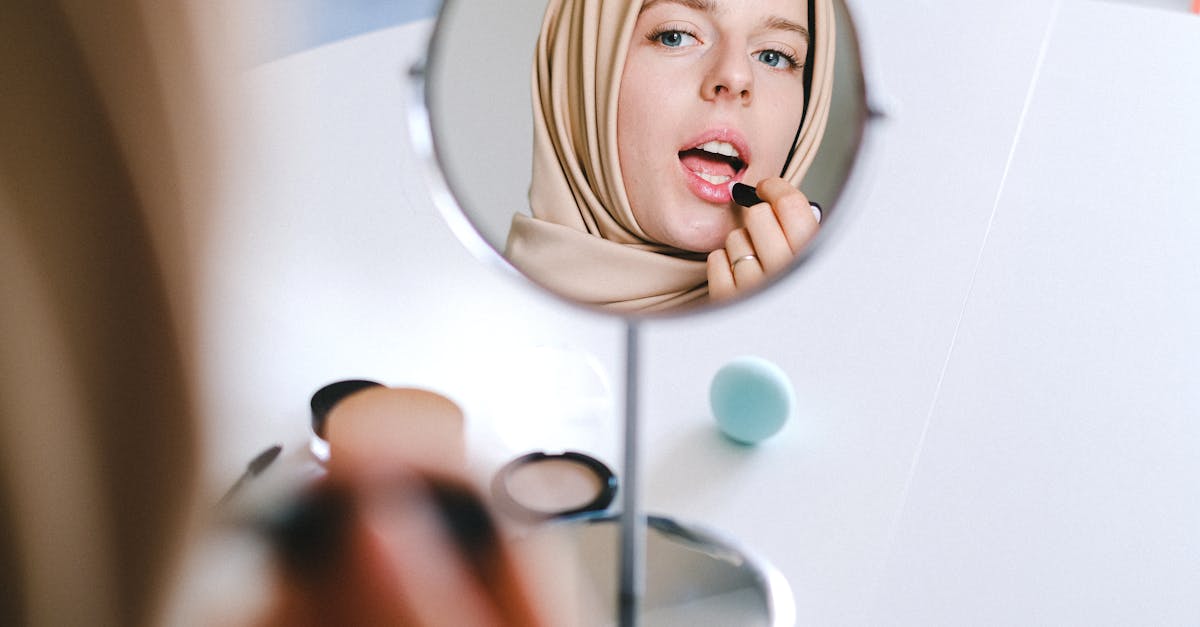
Understanding Acne and Korean Skincare Approach
Acne occurs when hair follicles become clogged with oil and dead skin cells. This leads to whiteheads, blackheads, or pimples. Genetics, hormones, and lifestyle factors play a role.
Korean skincare focuses on gentle, preventive care. The goal is to maintain skin barrier health. Harsh cleansers can strip natural oils and worsen acne. K-beauty emphasizes pH-balanced, soothing formulas.
Double cleansing is a core K-beauty step. First, use an oil-based cleanser to remove makeup and sunscreen. Then, use a water-based cleanser to clean pores. For acne-prone skin, choose non-comedogenic products.
Key Ingredients to Look for in a K-Beauty Acne Cleanser
- Salicylic Acid (BHA): Oil-soluble, penetrates pores to exfoliate inside. Reduces blackheads and whiteheads.
- Tea Tree Oil: Natural antibacterial and anti-inflammatory. Soothes redness and kills acne-causing bacteria.
- Centella Asiatica (Cica): Calms irritation, promotes healing. Rich in madecassoside and asiatic acid.
- Niacinamide: Reduces inflammation, regulates oil production, improves texture.
- AHA and PHA: Exfoliate surface dead skin cells. Glycolic acid (AHA) and gluconolactone (PHA) are gentle options.
- Snail Mucin: Hydrates and repairs skin barrier. Contains glycoproteins and hyaluronic acid.
- Green Tea: Antioxidant-rich, reduces sebum production, anti-inflammatory.
Avoid ingredients like high alcohol content, sulfates, and artificial fragrances. They can irritate acne-prone skin.
Top 5 Best K-Beauty Cleansers for Acne
1. COSRX Low pH Good Morning Gel Cleanser
- Key Ingredients: Tea tree oil, BHA (betaine salicylate), and panthenol.
- Skin Type: Oily, combination, acne-prone.
- pH Level: 5.0 (acidic, matches skin’s natural pH).
- Texture: Light gel, lathers gently.
- Benefits: Removes excess oil without stripping. Soothes inflammation. Prevents breakouts.
- How to Use: Use as second cleanser in double cleanse. Pump and massage onto damp face, rinse.
2. Some By Mi AHA-BHA-PHA 30 Days Miracle Cleanser
- Key Ingredients: AHA (lactic acid), BHA (salicylic acid), PHA (gluconolactone), tea tree extract, centella asiatica.
- Skin Type: All skin types, especially acne-prone with texture.
- pH Level: 4.5-5.5.
- Texture: Creamy gel, mild foam.
- Benefits: Exfoliates dead skin cells, unclogs pores, brightens. Calms breakouts.
- How to Use: Use daily or every other day. Avoid if you have active irritation.
3. Innisfree Bija Trouble Facial Foam
- Key Ingredients: Bija oil (from Korean pine tree), salicylic acid, and panthenol.
- Skin Type: Oily, acne-prone.
- pH Level: 6.0 (slightly acidic).
- Texture: Rich foam, creamy.
- Benefits: Controls sebum, reduces redness, prevents future acne.
- How to Use: Squeeze a small amount, lather, and massage gently. Rinse thoroughly.
4. Rovectin Skin Essentials Conditioning Cleanser
- Key Ingredients: Centella asiatica, hyaluronic acid, panthenol, and allantoin.
- Skin Type: Sensitive, dry, acne-prone.
- pH Level: 5.5.
- Texture: Gel-to-milk, non-foaming.
- Benefits: Hydrating, soothing, non-stripping. Strengthens skin barrier.
- How to Use: Apply to dry or damp skin, massage, and rinse. Can be used alone or as second cleanser.
5. Dr. Jart+ Teatreement Cleansing Foam
- Key Ingredients: Tea tree leaf extract, salicylic acid, and zinc PCA.
- Skin Type: Oily, acne-prone with blemishes.
- pH Level: 5.0-6.0.
- Texture: Light foam, refreshing.
- Benefits: Deep cleans pores, reduces bacteria, controls shine. Soothes with tea tree.
- How to Use: Use morning and night. Avoid eye area.
How to Choose the Right Cleanser for Your Skin Type
- Oily/Acne-Prone: Look for salicylic acid, tea tree, or niacinamide. Gel or foam textures.
- Dry/Acne-Prone: Choose hydrating ingredients like snail mucin, centella, or hyaluronic acid. Cream or milk cleansers.
- Sensitive/Acne-Prone: Avoid harsh exfoliants. Use low pH, fragrance-free formulas with cica or panthenol.
- Combination: Balance with gentle exfoliation and hydration. Gel cleansers work well.
Patch test new products. Apply a small amount on your jawline or inner arm. Wait 24 hours to check for reaction.
Tips for Using a K-Beauty Acne Cleanser Effectively
- Double Cleanse at Night: Oil cleanser first, then water-based cleanser. In morning, use water-based only.
- Use Lukewarm Water: Hot water strips oils; cold water doesn’t clean pores.
- Massage Gently: Use fingertips in circular motions for 30-60 seconds. Don’t scrub.
- Rinse Thoroughly: Residue can clog pores.
- Pat Dry, Don’t Rub: Use a clean towel.
- Follow with Toner: Balanced pH restores skin.
- Moisturize: Even oily skin needs hydration. Choose gel or water-based moisturizers.
- Don’t Over-Cleanse: Twice daily is enough. Over-washing triggers excess oil.
- Be Patient: Results take 4-6 weeks. Stick to a consistent routine.
Frequently Asked Questions
Q: Can K-beauty cleansers help with severe acne? A: Mild to moderate acne may improve. For severe or cystic acne, see a dermatologist. They may prescribe medications.
Q: Are K-beauty cleansers safe for sensitive skin? A: Many are formulated for sensitive skin. Look for fragrance-free, low pH, and soothing ingredients like centella. Always patch test.
Q: How often should I use a BHA cleanser? A: Start with once daily at night. If irritation occurs, use every other day. You can also alternate with a gentle cleanser.
Q: Can I use a K-beauty cleanser with prescription acne treatments? A: Yes, but consult your doctor. Some prescriptions (like retinoids) increase sensitivity. Use gentle, hydrating cleansers.
Q: Do I need to use a toner after a K-beauty cleanser? A: Not mandatory, but toners can balance pH and add hydration. Choose alcohol-free, soothing toners.
Key Takeaways
- K-beauty acne cleansers focus on gentle, pH-balanced formulas that support the skin barrier.
- Key ingredients include salicylic acid, tea tree, centella asiatica, and niacinamide.
- Top 5 products cater to different skin types: COSRX (oily), Some By Mi (texture), Innisfree (sebum control), Rovectin (sensitive), Dr. Jart+ (blemishes).
- Choose a cleanser based on your skin type and concerns.
- Use double cleansing at night, gentle massage, and always moisturize.
- See a dermatologist if acne is severe, painful, or not improving with over-the-counter products.
Citations
- American Academy of Dermatology. (2020). “Acne: Diagnosis and treatment.” AAD
- Mayo Clinic. (2022). “Acne.” Mayo Clinic
- Lee, J. H., & Kim, J. E. (2018). “The role of skin barrier in acne.” Annals of Dermatology, 30(5), 523-529. PubMed
- Pappas, A. (2009). “The relationship of diet and acne: A review.” Dermato-Endocrinology, 1(5), 262-267. PubMed
You May Also Like
Explore more articles in our Beauty collection:
- Best K-Beauty Face Serum for Uneven Skin Tone
- Best K-Beauty Moisturizer for Fine Lines
- Best K-Beauty Sunscreen for Damaged Hair
Related Tools
Try these free calculators and quizzes to personalize your routine:
References
- Acne: Diagnosis and treatment — American Academy of Dermatology (accessed 2026-06-11)
- Acne — Mayo Clinic (accessed 2026-06-11)
- The role of skin barrier in acne — Annals of Dermatology (accessed 2026-06-11)
- The relationship of diet and acne: A review — Dermato-Endocrinology (accessed 2026-06-11)