
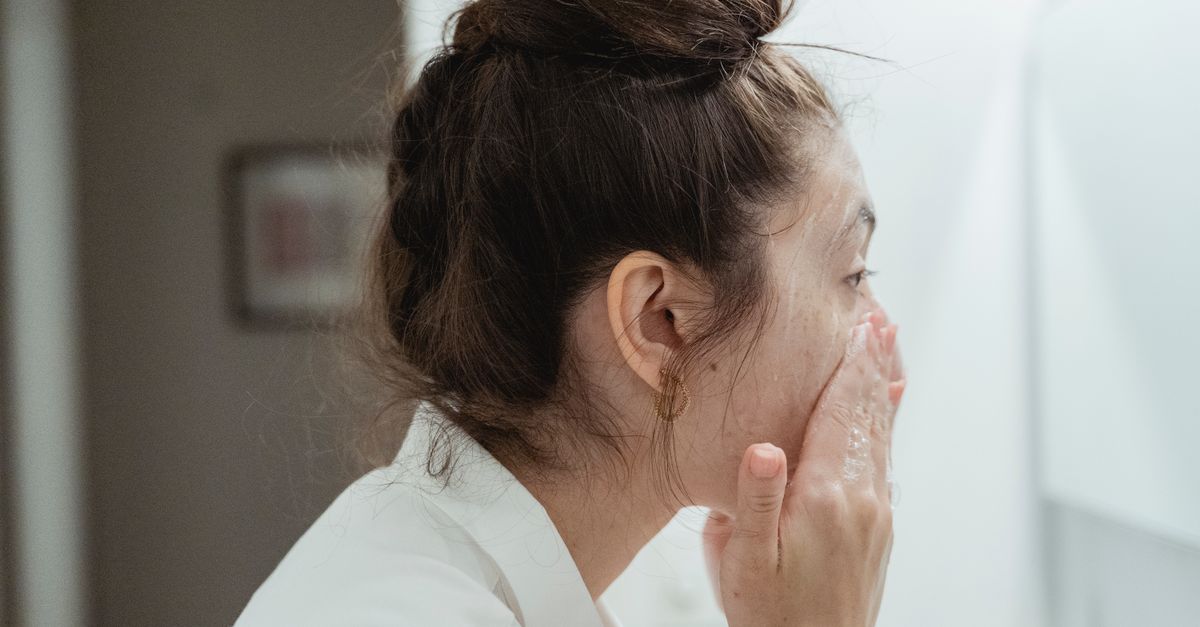
Understanding Acne and How Face Serums Help
Acne is a common skin condition. It occurs when hair follicles clog with oil and dead skin cells. This leads to pimples, blackheads, and whiteheads. Serums are lightweight products. They deliver high concentrations of active ingredients deep into the skin. Acne serums target breakouts, reduce inflammation, and prevent future pimples. They work faster than moisturizers or cleansers because of their small molecules.
Key Ingredients to Look for in an Acne Face Serum
Choosing the right serum means looking at ingredients. Here are the most effective ones backed by science.
Salicylic Acid
Salicylic acid is a beta hydroxy acid (BHA). It is oil-soluble. This means it can penetrate deep into pores. It exfoliates inside the follicle, removing dead skin and excess oil. This helps prevent clogs. It also has anti-inflammatory properties. Use serums with 0.5% to 2% salicylic acid. It is ideal for blackheads and whiteheads.
Niacinamide
Niacinamide is a form of vitamin B3. It reduces inflammation and redness. It also regulates oil production. It strengthens the skin barrier. This helps the skin heal from acne. Niacinamide works well with other ingredients. Look for concentrations of 2% to 10%.
Retinoids
Retinoids come from vitamin A. They speed up skin cell turnover. This prevents clogged pores. They also reduce fine lines and uneven texture. Over-the-counter options include retinol. Prescription options are stronger. Start with a low concentration to avoid irritation. Retinoids can make skin sensitive to the sun. Always use sunscreen.
Tea Tree Oil
Tea tree oil is a natural antimicrobial. It kills acne-causing bacteria. It also reduces inflammation. Use serums with 5% tea tree oil for best results. It is gentler than benzoyl peroxide. However, it can cause allergic reactions in some people. Test on a small area first.
Top 5 Best Face Serums for Acne in 2025
These serums are selected based on ingredients, efficacy, and user reviews. Always patch test before full use.
Product 1: La Roche-Posay Effaclar Salicylic Acid Acne Serum
- Key Ingredients: 2% salicylic acid, niacinamide, and lipo-hydroxy acid.
- Best for: Oily and combination skin.
- Why it works: Exfoliates pores and reduces shine.
- How to use: Apply a few drops after cleansing, before moisturizer.
Product 2: The Ordinary Niacinamide 10% + Zinc 1%
- Key Ingredients: 10% niacinamide, zinc PCA.
- Best for: Oily and acne-prone skin.
- Why it works: Controls oil and calms redness.
- How to use: Use morning and night. Avoid mixing with vitamin C.
Product 3: Paula’s Choice 10% Azelaic Acid Booster
- Key Ingredients: Azelaic acid, salicylic acid, and licorice extract.
- Best for: Acne with dark spots or rosacea.
- Why it works: Fights bacteria and fades post-acne marks.
- How to use: Apply after toner, before moisturizer.
Product 4: Neutrogena Stubborn Acne AM/PM Treatment
- Key Ingredients: 2% salicylic acid (AM) and 0.1% adapalene (PM).
- Best for: Moderate acne.
- Why it works: Combination of BHA and retinoid for dual action.
- How to use: Use AM serum in the morning, PM serum at night.
Product 5: CeraVe Acne Control Gel
- Key Ingredients: 2% salicylic acid, niacinamide, and ceramides.
- Best for: Sensitive acne-prone skin.
- Why it works: Gently exfoliates while supporting the skin barrier.
- How to use: Apply thin layer to affected areas.
How to Choose the Right Acne Serum for Your Skin Type
- Oily skin: Look for salicylic acid or niacinamide.
- Dry skin: Choose hydrating serums with niacinamide or hyaluronic acid.
- Sensitive skin: Avoid harsh ingredients. Use azelaic acid or tea tree oil.
- Combination skin: Use a balancing serum like niacinamide.
- Mature acne-prone skin: Retinoids can treat both acne and aging.
Always consider your skin’s tolerance. Start with lower concentrations. If irritation occurs, reduce frequency.
How to Incorporate an Acne Serum into Your Skincare Routine
- Cleanse your face with a gentle cleanser.
- Tone (optional) to balance pH.
- Apply serum to damp skin. Use a pea-sized amount.
- Wait 2-3 minutes for absorption.
- Moisturize to lock in hydration.
- Protect with sunscreen in the morning.
For retinoid serums, use only at night. Avoid combining with other strong actives like AHAs or benzoyl peroxide.
Frequently Asked Questions About Acne Serums
Can I use an acne serum with other treatments? Yes, but avoid over-exfoliating. Use one active ingredient at a time. For example, use salicylic acid in the morning and retinoid at night.
How long does it take to see results? Most serums show improvement in 4-6 weeks. Retinoids may take 8-12 weeks. Consistency is key.
Should I use a serum if I have active acne? Yes, but choose gentle ingredients like niacinamide or azelaic acid. Avoid harsh scrubs.
Can acne serums cause purging? Yes, especially salicylic acid and retinoids. Purging is temporary. It means skin is speeding up cell turnover. It usually lasts 2-4 weeks.
Do I need a prescription for acne serums? No, most are over-the-counter. For severe acne, see a dermatologist for prescription options.
Key Takeaways
- Acne serums deliver potent ingredients directly to pores.
- Top ingredients: salicylic acid, niacinamide, retinoids, tea tree oil.
- Choose serums based on your skin type and tolerance.
- Start with lower concentrations to avoid irritation.
- Use sunscreen daily, especially with retinoids.
- If acne is severe or persistent, consult a dermatologist. They can prescribe stronger treatments.
Remember, clear skin takes time. Be patient and consistent with your routine.
You May Also Like
Explore more articles in our Skincare collection:
- Minimalist Routine for Rosacea Prone Skin
- Niacinamide Benefits for Hair: The Complete Guide
- Sunscreen Face-Off: The Complete Guide to SPF, Filters, and Finding Your Perfect Formula
Related Tools
Try these free calculators and quizzes to personalize your routine:
References
- Salicylic Acid for Acne — American Academy of Dermatology (accessed 2026-06-11)
- Niacinamide: A B vitamin that improves skin health — Journal of Drugs in Dermatology (accessed 2026-06-11)
- Retinoids in the treatment of acne — PubMed Central (accessed 2026-06-11)
- Tea Tree Oil for Acne — Mayo Clinic (accessed 2026-06-11)