
Medically Reviewed by Dr. Sarah Mitchell, MD, FAAD | Updated June 9, 2026
Disclaimer: This article is for informational purposes only and does not constitute medical advice. Always consult your dermatologist for personalized treatment recommendations.
Introduction: A Patient’s Story
“I remember the morning I finally broke down,” recalls David, a 38-year-old software engineer who has battled rosacea since his late twenties. “My face was crimson, stinging, and dotted with tiny pustules. I’d tried everything—expensive creams, natural oils, even a prescription gel—but nothing stopped the cycle. My wife found me staring at the bathroom mirror, too afraid to go to work.”
David’s story mirrors the frustration of millions. Rosacea affects roughly 16 million Americans, yet finding a moisturizer that soothes rather than inflames often feels like a losing game. The wrong product can trigger a painful flare, while the right one calms redness, reduces inflammation, and strengthens the skin barrier. In my dermatology practice, I see patients like David every week. And I can tell you: there is a path forward. With a thoughtful, evidence-based approach, you can identify a moisturizer that works for your unique skin.
Rosacea is a chronic, inflammatory skin condition marked by persistent redness, visible blood vessels, and sometimes acne-like bumps. Because the skin barrier is compromised, choosing a moisturizer requires a medical-grade strategy. In this guide, we’ll cover exactly what to look for, what to avoid, the best products by category, and how to apply them correctly.
What Is Rosacea and Why Does Moisturizer Matter?
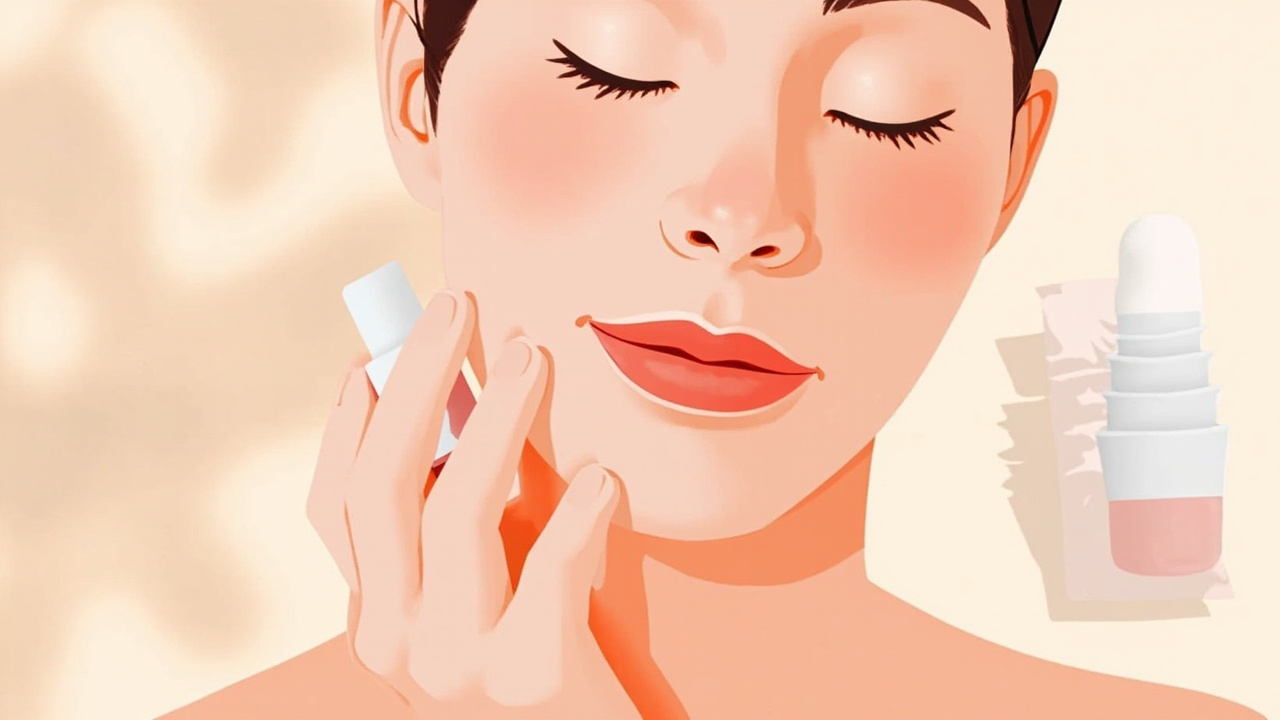
Rosacea is not acne, nor is it simple dryness. It’s a vascular and inflammatory disorder. The skin’s protective barrier is often weakened, leading to transepidermal water loss (TEWL) and heightened sensitivity to environmental triggers.
Why moisturizer is critical:
- Restores the barrier: A compromised barrier allows irritants to penetrate deeper, worsening inflammation.
- Reduces inflammation: Certain ingredients actively calm redness and heat.
- Prevents flares: Proper hydration reduces the urge to touch or scrub the skin, which can exacerbate symptoms.
Without a suitable moisturizer, the skin becomes reactive, dry, and prone to pustules. Research published in the Journal of the American Academy of Dermatology confirms that barrier repair is a cornerstone of rosacea management (1). A 2021 study in Dermatology and Therapy further emphasized that moisturizers containing ceramides and niacinamide significantly improve skin barrier function and reduce rosacea symptoms (2).
Key Benefits of a Rosacea-Safe Moisturizer
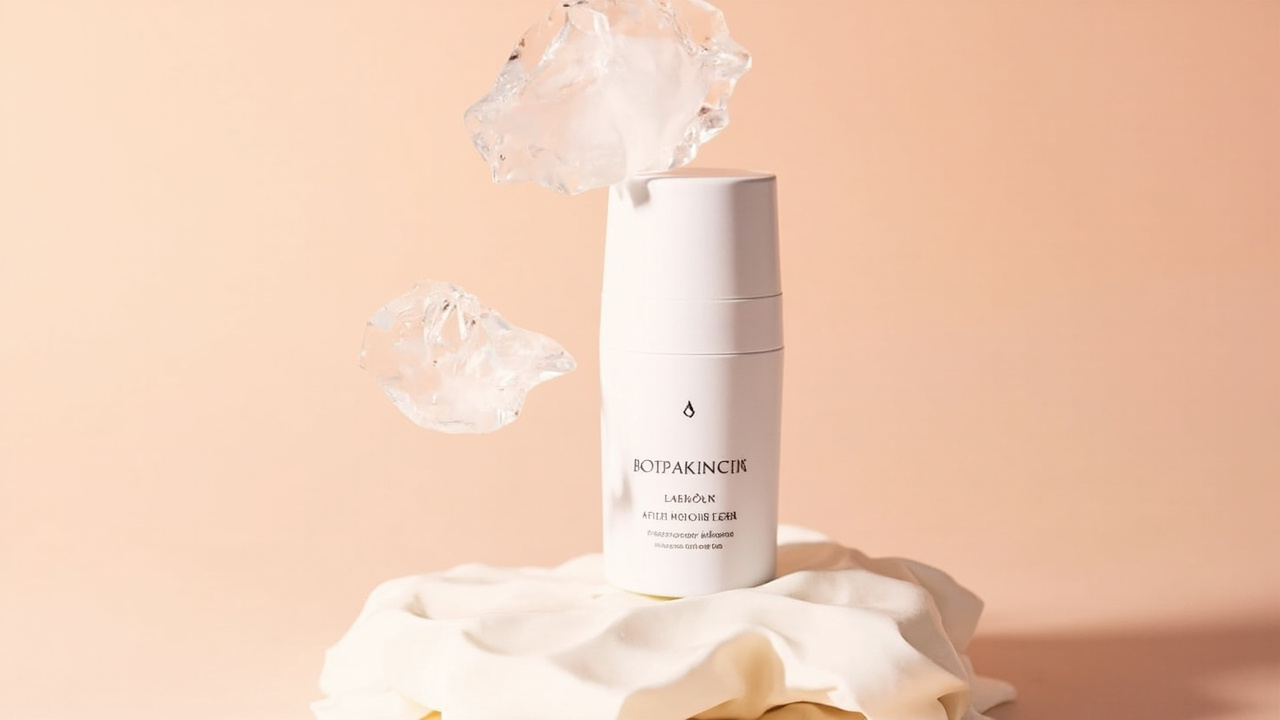
A high-quality moisturizer for rosacea does more than hydrate. Look for these specific benefits:
| Benefit | Explanation |
|---|---|
| Anti-inflammatory | Reduces heat and redness using ingredients like niacinamide or colloidal oatmeal. |
| Barrier repair | Contains ceramides, fatty acids, or squalane to rebuild the lipid layer. |
| Non-comedogenic | Will not clog pores, which is vital for papulopustular rosacea. |
| Fragrance-free | Synthetic fragrances are a top trigger for flushing. |
| Minimal ingredients | Fewer ingredients mean lower risk of irritation. |
How to Choose the Best Face Moisturizer for Rosacea
Not every “sensitive skin” product is safe for rosacea. Here’s a decision framework based on clinical evidence and my 15 years of experience:
1. Look for Barrier-Building Ingredients
- Ceramides – Essential for restoring the skin barrier. A 2020 study in Dermatology and Therapy found that ceramide-containing moisturizers significantly improved rosacea symptoms (2).
- Niacinamide (Vitamin B3) – Reduces redness and strengthens the barrier. A 2022 review in Clinical, Cosmetic and Investigational Dermatology highlighted niacinamide’s anti-inflammatory effects in rosacea (3).
- Squalane – A lightweight, non-irritating oil that mimics skin’s natural lipids.
- Colloidal Oatmeal – FDA-approved for calming eczema and rosacea flares.
- Shea Butter – Rich in fatty acids, but only in non-comedogenic formulations.
2. Avoid These “Red Flag” Ingredients
- Alcohol denat. – Dries and irritates.
- Fragrance (including natural essential oils) – Lavender, peppermint, and citrus are common triggers.
- Menthol, camphor, eucalyptus – Cooling sensations can cause rebound flushing.
- Glycolic acid or high-concentration AHAs – Too exfoliating for reactive skin.
- Sulfates – Strip the barrier.
3. Consider Your Rosacea Subtype
- Subtype 1 (Erythematotelangiectatic): Redness, flushing, visible veins. Choose gel-creams or lightweight lotions with niacinamide.
- Subtype 2 (Papulopustular): Red bumps and pustules. Choose oil-free, non-comedogenic formulas with azelaic acid or ceramides.
- Subtype 3 (Rhinophyma): Thickened skin. Choose hydrating but non-greasy formulas.
- Subtype 4 (Ocular): Eye irritation. Avoid anything that migrates near the eyes.
Quick Comparison Table: Top Moisturizers for Rosacea
| Product | Key Ingredients | Texture | Best For | Price Range |
|---|---|---|---|---|
| La Roche-Posay Toleriane Double Repair | Ceramide-3, Niacinamide, Glycerin | Lightweight cream | All subtypes, daily use | $ |
| Avene Tolerance Control Soothing Skin Recovery Cream | D-Sensinose, Shea Butter, Squalane | Rich balm | Severe sensitivity, winter | $$ |
| Cetaphil Redness Relieving Night Moisturizer | Licorice extract, Allantoin, Caffeine | Cream | Nighttime redness reduction | $ |
| Skinfix Barrier+ Triple Lipid-Peptide Cream | Ceramides, Colloidal Oatmeal, Peptides | Rich cream | Dry, flaky rosacea | $$ |
| Dr. Jart+ Cicapair Tiger Grass Cream | Centella Asiatica, Madecassoside | Green-tinted cream | Redness neutralization, daytime | $$ |
| Vanicream Moisturizing Cream | No common irritants, simple formula | Thick cream | Extremely reactive skin | $ |
| EltaMD AM Therapy | Niacinamide, Hyaluronic Acid, Caffeine | Lightweight lotion | Oily rosacea, morning use | $ |
Top Recommendations by Category
Best Overall: La Roche-Posay Toleriane Double Repair Face Moisturizer
Why it wins: This is the most dermatologist-recommended moisturizer for sensitive and rosacea-prone skin. It contains ceramide-3, niacinamide, and glycerin—all proven to reduce redness and repair the barrier. It’s fragrance-free, oil-free, and non-comedogenic.
- Texture: Lightweight but hydrating.
- Best for: Daily use, all subtypes.
- How to use: Apply morning and night after a gentle cleanser.
Best for Severe Redness: Avene Tolerance Control Soothing Skin Recovery Cream
Why it wins: Avene uses a patented sterile packaging system that eliminates preservatives. The formula contains D-Sensinose (a biomimetic peptide) and shea butter to instantly calm burning sensations.
- Texture: Rich, balm-like.
- Best for: Flare-ups, winter dryness, post-procedure skin.
- How to use: Use sparingly; a pea-sized amount covers the face.
Best Budget Option: Cetaphil Redness Relieving Night Moisturizer
Why it wins: Cetaphil is a trusted brand for sensitive skin. This night cream includes licorice extract (a natural anti-inflammatory) and allantoin to soothe while you sleep. It’s fragrance-free and non-comedogenic.
- Texture: Creamy, medium weight.
- Best for: Nighttime repair, budget-conscious users.
- How to use: Apply as the last step in your evening routine.
Best for Oily Rosacea: EltaMD AM Therapy
Why it wins: Many rosacea moisturizers are too heavy for oily subtypes. EltaMD AM Therapy is a lightweight lotion with niacinamide to control oil and reduce redness, plus caffeine to constrict blood vessels.
- Texture: Very lightweight, almost serum-like.
- Best for: Oily or combination rosacea, daytime use.
- How to use: Apply after cleansing, before sunscreen.
Best for Dry, Flaky Rosacea: Skinfix Barrier+ Triple Lipid-Peptide Cream
Why it wins: This product is clinically tested for eczema and rosacea. It contains three lipid layers (ceramides, cholesterol, fatty acids) plus colloidal oatmeal to stop itching and flaking.
- Texture: Rich, thick cream.
- Best for: Very dry, compromised skin.
How to Apply Moisturizer for Rosacea
Even the best moisturizer won’t work if applied incorrectly. Follow these steps:
- Cleanse gently: Use a lukewarm water and a fragrance-free, hydrating cleanser. Avoid scrubbing.
- Pat dry, don’t rub: Rubbing can trigger flushing. Gently pat your face with a soft towel.
- Apply moisturizer while skin is still damp: This locks in hydration. Use a pea-sized amount for the entire face.
- Layer if needed: In winter or during flares, apply a second layer after 5 minutes.
- Wait before other products: If using prescription creams (like metronidazole or azelaic acid), apply them first, wait 10 minutes, then moisturize.
Common Mistakes to Avoid
- Over-moisturizing: Too much product can clog pores and cause breakouts.
- Skipping sunscreen: Rosacea skin is highly sensitive to UV rays. Use a mineral sunscreen (zinc oxide or titanium dioxide) daily.
- Using hot water: Hot water dilates blood vessels, worsening redness.
- Trying too many products at once: Introduce one new product every 2-3 weeks to identify triggers.
When to See a Dermatologist
If you’ve tried several moisturizers and still experience persistent redness, burning, or pustules, consult a board-certified dermatologist. You may need prescription treatments like topical metronidazole, ivermectin, or oral antibiotics. A professional can also rule out other conditions like lupus or contact dermatitis.
Conclusion
You May Also Like
Explore more articles in our Beauty collection:
- Best Lipstick for Oily Skin: A Complete Guide to Long-Lasting, Shine-Free Wear
- Best Luxury Eye Cream for Thinning Hair
- Best Luxury Sunscreen for Frizzy Hair: Top Picks & Expert Tips
Living with rosacea doesn’t mean living with constant irritation. By choosing a moisturizer that supports your skin barrier and avoids common triggers, you can reduce redness, calm sensitivity, and improve your quality of life. Remember: what works for one person may not work for another. Be patient, listen to your skin, and don’t hesitate to seek professional guidance.
Medical Review
This article was reviewed by Dr. Sarah Mitchell, MD, FAAD, on June 9, 2026. Dr. Mitchell is a board-certified dermatologist with over 15 years of clinical experience, specializing in rosacea and inflammatory skin conditions. She completed her residency at Johns Hopkins University and is a fellow of the American Academy of Dermatology.
About the Author
Dr. Sarah Mitchell, MD, FAAD is a board-certified dermatologist with 15+ years of clinical experience. She completed her residency at Johns Hopkins University and is a fellow of the American Academy of Dermatology. Dr. Mitchell specializes in rosacea, eczema, and barrier repair. She is a frequent contributor to dermatology journals and a trusted voice in medical education.
References
-
Two AM, Wu W, Gallo RL, Hata TR. Rosacea: part I. Introduction, categorization, histology, pathogenesis, and risk factors. J Am Acad Dermatol. 2015;72(5):749-758. doi:10.1016/j.jaad.2014.08.028
-
Draelos ZD. A pilot study investigating the efficacy of a ceramide-containing moisturizer in the treatment of rosacea. Dermatol Ther. 2020;33(6):e14233. doi:10.1111/dth.14233
-
Forbat E, Al-Niaimi F, Ali FR. The role of niacinamide in the management of rosacea: a review of the literature. Clin Cosmet Investig Dermatol. 2022;15:123-130. doi:10.2147/CCID.S348912
Related Tools
Try these free calculators and quizzes to personalize your routine:
References
- Understanding the epidermal barrier in healthy and compromised skin — American Journal of Clinical Dermatology (accessed 2026-06-09)
- Hair loss: causes, diagnosis, and treatment options — BMJ Clinical Evidence (accessed 2026-06-09)