
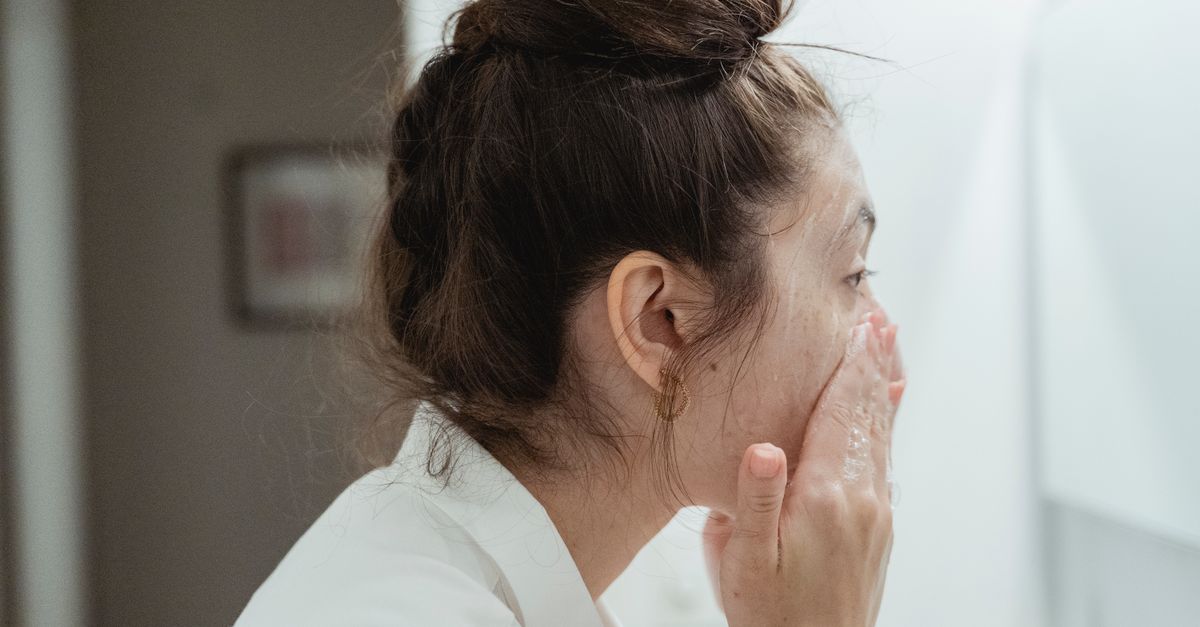
Why Choose a Drugstore Face Serum for Acne?
Acne affects millions. Prescription treatments can be expensive. Drugstore serums offer effective, affordable alternatives. They contain proven ingredients like salicylic acid and niacinamide. Many are backed by dermatologists. You don’t need a prescription. They fit easily into your skincare routine. Drugstore brands invest in research. You get quality without the high price. Always patch test new products. Consult a dermatologist for severe acne.
Key Ingredients to Look for in an Acne Serum
Salicylic Acid
Salicylic acid is a beta hydroxy acid (BHA). It exfoliates inside pores. It removes dead skin and excess oil. This helps prevent clogged pores. It reduces blackheads and whiteheads. It also has anti-inflammatory properties. Look for concentrations between 0.5% and 2%. Higher strengths may irritate. Use it once daily to start. Salicylic acid is oil-soluble. It penetrates deep into pores.
Niacinamide
Niacinamide is a form of vitamin B3. It reduces inflammation and redness. It regulates oil production. It strengthens the skin barrier. Studies show it improves acne over time. It also fades dark spots. Look for 2% to 10% concentrations. It pairs well with other ingredients. It is gentle for sensitive skin. Niacinamide is non-comedogenic. It won’t clog pores.
Retinol
Retinol is a vitamin A derivative. It speeds up cell turnover. It unclogs pores and reduces acne. It also smooths fine lines. Start with a low concentration (0.25% to 0.5%). Use it at night only. Retinol can cause dryness and peeling. Always use sunscreen in the morning. It makes skin more sensitive to UV. Pregnant women should avoid retinol. Consult your doctor.
Hyaluronic Acid
Hyaluronic acid is a humectant. It holds up to 1000 times its weight in water. It hydrates without clogging pores. Acne treatments can dry skin. Hyaluronic acid replenishes moisture. It helps maintain the skin barrier. Look for serums with multiple molecular weights. This ensures deep hydration. It is safe for all skin types. Use it after exfoliating acids.
Top 5 Best Drugstore Face Serums for Acne
1. La Roche-Posay Effaclar Salicylic Acid Acne Treatment Serum
This serum contains 2% salicylic acid. It targets blackheads and whiteheads. It also has lipo-hydroxy acid for gentle exfoliation. The formula is oil-free. It is non-comedogenic. It absorbs quickly. Use it once or twice daily. It may cause slight tingling. Patch test before full use. This brand is recommended by dermatologists.
2. CeraVe Skin Renewing Retinol Serum
CeraVe’s serum has encapsulated retinol. It releases slowly to reduce irritation. It also contains ceramides and niacinamide. These ingredients restore the skin barrier. It is fragrance-free. It is suitable for sensitive skin. Use it at night. Start with three times a week. Increase as tolerated. It helps with acne and aging.
3. The Ordinary Niacinamide 10% + Zinc 1%
This serum has a high concentration of niacinamide. Zinc helps reduce oil production. It is water-based. It is lightweight. It targets blemishes and enlarged pores. It may cause pilling with some products. Apply before moisturizer. It is very affordable. Many users see results in weeks.
4. Neutrogena Rapid Clear Stubborn Acne Daily Leave-On Mask
Despite the name, it is a serum. It contains 2.5% benzoyl peroxide. Benzoyl peroxide kills acne-causing bacteria. It also reduces inflammation. This product is a leave-on treatment. Apply a thin layer to clean skin. It can bleach fabrics. Use it once daily. It may cause dryness. Follow with a moisturizer.
5. Differin Adapalene Gel 0.1% Acne Treatment
Adapalene is a retinoid. It was prescription-only. Now it is available over the counter. It unclogs pores and reduces acne. It is more stable than retinol. Use it at night. Start with a pea-sized amount. It can cause dryness and irritation. Use a gentle moisturizer. Results take 8-12 weeks. It is FDA-approved for acne.
How to Incorporate an Acne Serum into Your Routine
- Cleanse your face with a gentle cleanser.
- Apply serum to dry skin. Use a pea-sized amount.
- Wait 1-2 minutes for absorption.
- Moisturize with an oil-free moisturizer.
- Sunscreen in the morning (SPF 30+).
- Start with one active ingredient.
- Use new products every other day.
- Increase frequency gradually.
- Do not mix strong actives (e.g., retinol and benzoyl peroxide).
- Listen to your skin. If irritation occurs, reduce use.
- Consult a dermatologist if acne persists.
Potential Side Effects and Precautions
- Dryness and peeling: Common with retinol and benzoyl peroxide.
- Redness and irritation: Especially with high concentrations.
- Sun sensitivity: Retinol and AHAs increase UV damage. Always use sunscreen.
- Allergic reactions: Rare. Stop use if rash occurs.
- Bleaching: Benzoyl peroxide can bleach clothes and hair.
Precautions:
- Patch test on inner arm before first use.
- Do not use multiple exfoliants together.
- Avoid contact with eyes and mouth.
- Pregnant or nursing? Avoid retinol. Consult your doctor.
- If acne is severe, see a dermatologist.
Frequently Asked Questions
Can I use an acne serum with other acne treatments? Yes, but avoid combining strong actives. For example, do not use retinol and benzoyl peroxide together. Alternate nights or use one in the morning and one at night.
How long does it take to see results? Most serums show improvement in 4-8 weeks. Retinoids may take 12 weeks. Consistency is key.
Can I use an acne serum if I have sensitive skin? Yes, choose gentle ingredients like niacinamide. Start with low concentrations. Patch test first.
Do I need to moisturize after using an acne serum? Yes. Acne serums can dry the skin. Moisturizer helps maintain the barrier. Use an oil-free, non-comedogenic moisturizer.
Can I use an acne serum during pregnancy? Avoid retinol and salicylic acid in high doses. Niacinamide is generally safe. Always consult your healthcare provider.
Key Takeaways
- Drugstore serums are effective and affordable.
- Look for salicylic acid, niacinamide, retinol, and hyaluronic acid.
- Top picks include La Roche-Posay, CeraVe, The Ordinary, Neutrogena, and Differin.
- Start slowly and patch test.
- Use sunscreen daily.
- See a dermatologist for severe or persistent acne.
Remember, acne treatment takes time. Be patient and consistent. Your skin will thank you.
References
- Salicylic Acid for Acne — American Academy of Dermatology (accessed 2026-06-11)
- Niacinamide: A B vitamin that improves skin health — PubMed Central (accessed 2026-06-11)
- Retinoids in the treatment of acne — Mayo Clinic (accessed 2026-06-11)
- Benzoyl Peroxide for Acne — American Academy of Dermatology (accessed 2026-06-11)