
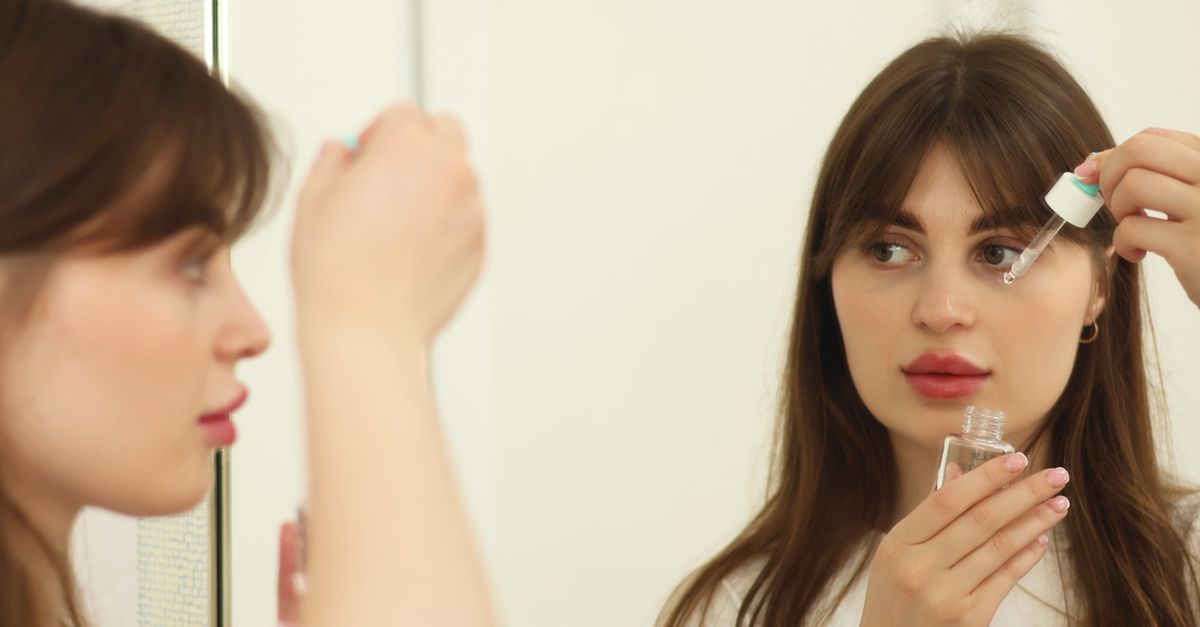
Understanding Facial Redness and Its Causes
Facial redness is a common skin concern. It can result from various factors. Understanding the cause helps you choose the right serum.
Common causes include:
- Rosacea: A chronic skin condition causing redness and visible blood vessels.
- Sensitive skin: Reactivity to products, weather, or irritants.
- Sun damage: UV exposure can cause persistent redness.
- Acne: Inflammatory breakouts lead to red spots.
- Allergies: Contact dermatitis from ingredients or environmental triggers.
- Eczema: Dry, itchy patches that appear red.
Redness occurs when blood vessels dilate or skin barrier is compromised. A good serum can soothe and strengthen the skin.
Key Ingredients to Look for in a Face Serum for Redness
When shopping for an affordable serum, focus on these proven ingredients.
Niacinamide
Niacinamide is a form of vitamin B3. It strengthens the skin barrier and reduces inflammation. It also helps regulate oil production. Studies show it improves redness and rosacea symptoms. Look for concentrations between 2% and 10%.
Centella Asiatica
Also known as cica or tiger grass. This plant extract is famous for wound healing. It contains compounds like madecassoside that calm irritation. It reduces redness and supports collagen production. It is gentle for sensitive skin.
Green Tea Extract
Green tea is rich in antioxidants called polyphenols. It soothes inflammation and protects from UV damage. It can reduce redness from sun exposure. Look for serums with green tea as a key ingredient.
Azelaic Acid
Azelaic acid is derived from grains. It reduces redness by calming inflammation. It also unclogs pores and treats acne. It is effective for rosacea and post-inflammatory erythema. Over-the-counter strengths range from 10% to 15%.
Top 5 Best Affordable Face Serums for Redness
These serums are budget-friendly (under $30) and contain evidence-based ingredients.
1. The Ordinary Niacinamide 10% + Zinc 1%
- Price: Around $6
- Key Ingredients: 10% niacinamide, 1% zinc PCA
- Benefits: Reduces redness and blemishes. Zinc helps control oil.
- Skin Types: Oily, combination, acne-prone.
- Texture: Lightweight gel.
- Why it works: High concentration of niacinamide calms inflammation.
2. Cosrx Centella Blemish Cream
- Price: Around $15
- Key Ingredients: Centella asiatica leaf water, madecassoside, asiaticoside
- Benefits: Soothes redness from acne and irritation.
- Skin Types: Sensitive, acne-prone.
- Texture: Creamy but non-greasy.
- Why it works: Contains cica to repair skin barrier.
3. La Roche-Posay Rosaliac AR Intense Serum
- Price: Around $30
- Key Ingredients: Neurosensine, ambophenol, vitamin CG
- Benefits: Reduces persistent redness and strengthens capillaries.
- Skin Types: Sensitive, rosacea-prone.
- Texture: Lightweight fluid.
- Why it works: Formulated specifically for redness.
4. Aveeno Calm + Restore Triple Oat Serum
- Price: Around $20
- Key Ingredients: Oat prebiotic, oat oil, oat flour
- Benefits: Hydrates and soothes sensitive skin.
- Skin Types: Dry, sensitive.
- Texture: Gel-cream.
- Why it works: Oats have anti-inflammatory properties.
5. Inkey List 15% Vitamin C and EGF Serum
- Price: Around $13
- Key Ingredients: 15% vitamin C (ascorbyl glucoside), EGF (epidermal growth factor)
- Benefits: Brightens and reduces redness from sun damage.
- Skin Types: All, especially dull skin.
- Texture: Silky serum.
- Why it works: Vitamin C is an antioxidant that calms inflammation.
How to Choose the Right Serum for Your Skin Type
Selecting the right serum depends on your skin type and redness cause.
For oily or acne-prone skin:
- Look for niacinamide or azelaic acid.
- Avoid heavy oils.
For dry or sensitive skin:
- Choose centella asiatica or oat-based serums.
- Avoid alcohol and fragrances.
For rosacea:
- Seek azelaic acid or niacinamide.
- Avoid harsh exfoliants.
For sun-related redness:
- Use vitamin C or green tea serums.
- Always apply sunscreen.
Patch test first. Apply a small amount behind your ear. Wait 24 hours to check for reaction.
Tips for Incorporating a Redness Serum into Your Routine
- Cleanse first. Use a gentle, non-foaming cleanser.
- Apply serum to damp skin. This boosts absorption.
- Use 2-3 drops. Spread evenly over face.
- Wait 1 minute. Let it absorb before next step.
- Follow with moisturizer. Lock in hydration.
- Use sunscreen in the AM. Redness-prone skin is sensitive to UV.
- Start slowly. Use serum once daily, then increase if tolerated.
- Avoid mixing with strong actives. Do not layer with retinoids or AHAs/BHAs at same time.
Frequently Asked Questions About Face Serums for Redness
Can face serums cure rosacea? No, but they can manage symptoms. Rosacea is chronic. Serums reduce redness and inflammation. See a dermatologist for prescription treatments.
How long does it take to see results? Most serums show improvement in 4-6 weeks. Consistent use is key.
Can I use a redness serum with other skincare? Yes. Layer from thinnest to thickest. Apply serum after toner, before moisturizer. Avoid overloading skin.
Are natural ingredients safer for redness? Not always. Some natural extracts can irritate. Stick to proven ingredients like niacinamide and centella.
Should I avoid alcohol in serums? Yes, if you have redness. Alcohol can dry and irritate skin. Check ingredient lists.
Key Takeaways
- Facial redness has many causes. Know yours.
- Niacinamide, centella asiatica, green tea, and azelaic acid are effective.
- Affordable serums under $30 can help.
- Choose based on skin type and sensitivity.
- Use consistently and with sunscreen.
- See a dermatologist if redness persists or worsens.
When to see a dermatologist:
- Redness spreads or becomes painful.
- You have bumps or pustules.
- Over-the-counter products do not help.
- You suspect rosacea or other medical condition.
Disclaimer: This article is for informational purposes only. It does not replace medical advice. Consult a healthcare provider for personalized recommendations.
Citations
- American Academy of Dermatology. “Rosacea: Tips for managing.” AAD.org.
- PubMed. “Niacinamide and skin health.” NCBI.
- Mayo Clinic. “Rosacea: Symptoms and causes.” MayoClinic.org.
- Journal of Drugs in Dermatology. “Centella asiatica in dermatology.”
You May Also Like
Explore more articles in our Skincare collection:
- Best Moisturizer for Itchy Scalp: A Complete Guide to Soothing Relief
- Best Moisturizer for Sensitive Skin
- Best Nail Dryer Drops for Hyperpigmentation: A Complete Guide to Even-Toned Nails
Related Tools
Try these free calculators and quizzes to personalize your routine:
References
- Rosacea: Tips for managing — American Academy of Dermatology (accessed 2026-06-11)
- Niacinamide and skin health — PubMed (accessed 2026-06-11)
- Rosacea: Symptoms and causes — Mayo Clinic (accessed 2026-06-11)
- Centella asiatica in dermatology — Journal of Drugs in Dermatology (accessed 2026-06-11)