
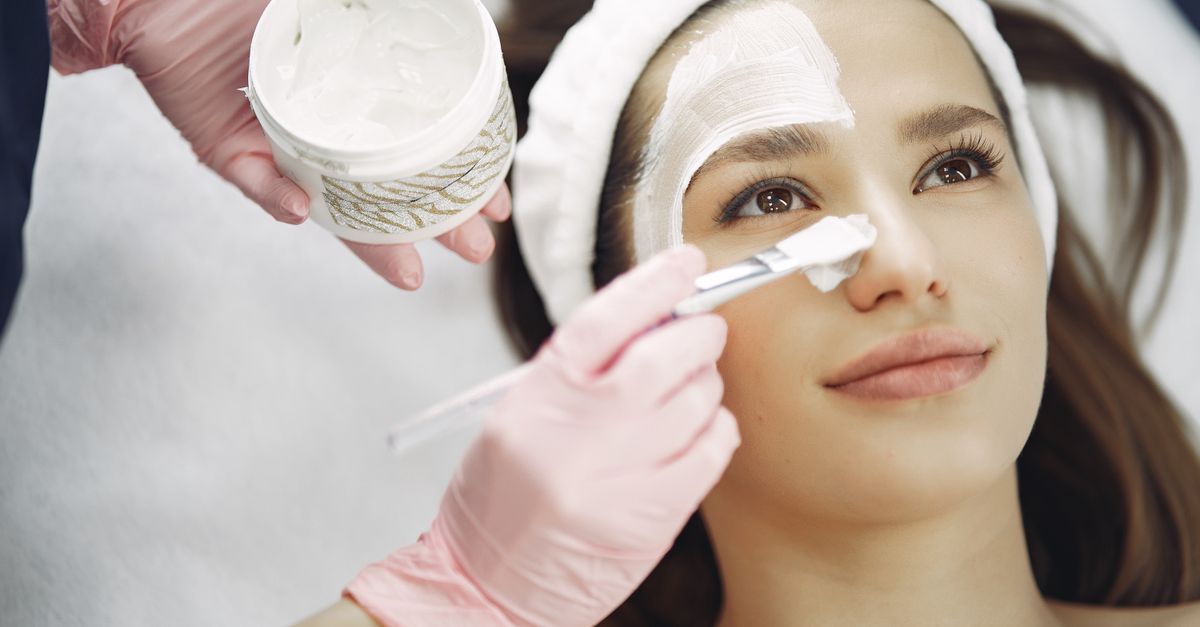
Introduction: The 1950s Approach to Beauty and Hair Health
The 1950s emphasized natural beauty and gentle routines. Women used simple, effective methods to care for their skin and hair. This era focused on nourishment rather than harsh chemicals. Today, these vintage techniques can help those with thinning hair. A healthy scalp is key for hair growth. By caring for your scalp like skin, you can support thicker, stronger hair.
Understanding Thinning Hair: Causes and Concerns
Thinning hair affects many women. It can be distressing. Understanding the causes helps you take action.
Common Causes of Thinning Hair in Women
- Genetics: Family history plays a role.
- Hormonal changes: Menopause, pregnancy, or thyroid issues.
- Stress: Physical or emotional stress can trigger hair loss.
- Nutrition: Lack of iron, vitamin D, or protein.
- Scalp conditions: Dandruff, psoriasis, or infections.
- Hairstyling: Tight braids, heat, or chemical treatments.
How Skin Care Impacts Hair Health
Your scalp is skin. It needs care just like your face. A healthy scalp promotes hair growth. Poor scalp health can clog follicles and reduce hair density. Proper cleansing, exfoliation, and hydration create an optimal environment for hair.
The 1950s Skin Care Routine: Key Principles
1950s beauty focused on simplicity and natural ingredients. These principles can be adapted for scalp care.
Gentle Cleansing and Exfoliation
Women used mild soaps or creams. Harsh cleansers strip natural oils. Gentle exfoliation removes dead skin cells without irritation.
Nourishing Oils and Moisturizers
Oils like castor, olive, and coconut were popular. They moisturize and strengthen hair. Moisturizers lock in hydration.
Scalp Massage and Stimulation
Massage boosts blood flow to hair follicles. This delivers oxygen and nutrients. Regular massage can improve hair thickness.
Adapting the 1950s Routine for Thinning Hair
Follow these steps to create a 1950s-inspired routine for thinning hair.
Step 1: Cleanse with Natural Ingredients
Use a gentle, sulfate-free shampoo. Or try a homemade cleanser: mix aloe vera gel with a few drops of tea tree oil. Aloe soothes, while tea tree fights dandruff. Wash your hair 2-3 times per week to avoid dryness.
Step 2: Exfoliate the Scalp Gently
Exfoliation removes buildup. Use a soft brush or a scrub made from brown sugar and coconut oil. Massage in circular motions for 2 minutes. Do this once a week. Avoid over-exfoliating, which can irritate.
Step 3: Apply Nutrient-Rich Oils
Choose oils rich in vitamins and fatty acids. Castor oil contains ricinoleic acid, which may boost circulation. Jojoba oil mimics natural sebum. Warm a teaspoon of oil and apply to your scalp. Leave for 30 minutes before washing.
Step 4: Massage and Stimulate Circulation
Use your fingertips to massage your scalp for 5 minutes daily. Apply gentle pressure in circular motions. This increases blood flow. You can also use a silicone scalp massager.
Step 5: Protect and Nourish Overnight
Apply a light oil or leave-in conditioner to your ends. Use a silk or satin pillowcase. This reduces friction and breakage. For deep treatment, apply oil before bed and wash in the morning.
Modern Products Inspired by 1950s Techniques
Many modern products echo 1950s principles. Look for:
- Sulfate-free shampoos: Gentle cleansing.
- Scalp scrubs: Fine grains for exfoliation.
- Hair oils: Natural ingredients like argan or rosemary.
- Scalp massagers: Handheld tools for stimulation.
- Silk pillowcases: Reduce hair damage.
Avoid products with harsh chemicals like parabens or silicones. Choose those with minimal ingredients.
Lifestyle Tips from the 1950s for Hair Growth
1950s women also focused on overall health. These habits support hair growth:
- Balanced diet: Eat protein, iron, and B vitamins.
- Stress reduction: Practice relaxation techniques.
- Regular exercise: Improves circulation.
- Adequate sleep: Allows repair and growth.
- Avoid tight hairstyles: Reduces traction alopecia.
Conclusion: Embracing Vintage Wisdom for Modern Hair Care
The 1950s skin care routine offers timeless wisdom. Gentle care, natural ingredients, and scalp stimulation can help thinning hair. While not a cure, these methods support overall hair health. Combine them with a healthy lifestyle for best results. If hair loss persists, see a dermatologist. They can diagnose underlying conditions and recommend treatments.
Key Takeaways
- Treat your scalp like skin with gentle care.
- Use natural oils and exfoliants to nourish follicles.
- Massage daily to boost circulation.
- Avoid harsh chemicals and tight hairstyles.
- See a doctor if thinning continues.
FAQ
1. Can a 1950s skin care routine really help thinning hair? Yes, by improving scalp health, it can support hair growth. But it is not a cure for medical conditions.
2. How often should I exfoliate my scalp? Once a week is enough. Over-exfoliation can cause irritation.
3. What oils are best for thinning hair? Castor, jojoba, rosemary, and coconut oils are commonly recommended. They moisturize and stimulate.
4. Is scalp massage effective for hair growth? Studies suggest it can increase hair thickness by improving blood flow. It is a low-risk, beneficial practice.
5. When should I see a doctor for thinning hair? If you experience sudden or patchy hair loss, or if thinning persists despite home care, consult a dermatologist.
Citations
- American Academy of Dermatology. (n.d.). Hair loss: Who gets and causes. https://www.aad.org/public/diseases/hair-loss/causes/18-causes
- Koyama, T., et al. (2016). Scalp massage improves hair growth by increasing blood flow. ePlasty, 16, e14. https://www.ncbi.nlm.nih.gov/pmc/articles/PMC4740347/
- Mayo Clinic. (2022). Hair loss. https://www.mayoclinic.org/diseases-conditions/hair-loss/symptoms-causes/syc-20372926
- National Library of Medicine. (2021). Castor oil: Properties and uses. https://pubmed.ncbi.nlm.nih.gov/33714672/
References
- Hair loss: Who gets and causes — American Academy of Dermatology (accessed 2026-06-11)
- Scalp massage improves hair growth by increasing blood flow — ePlasty (accessed 2026-06-11)
- Hair loss — Mayo Clinic (accessed 2026-06-11)
- Castor oil: Properties and uses — National Library of Medicine (accessed 2026-06-11)