
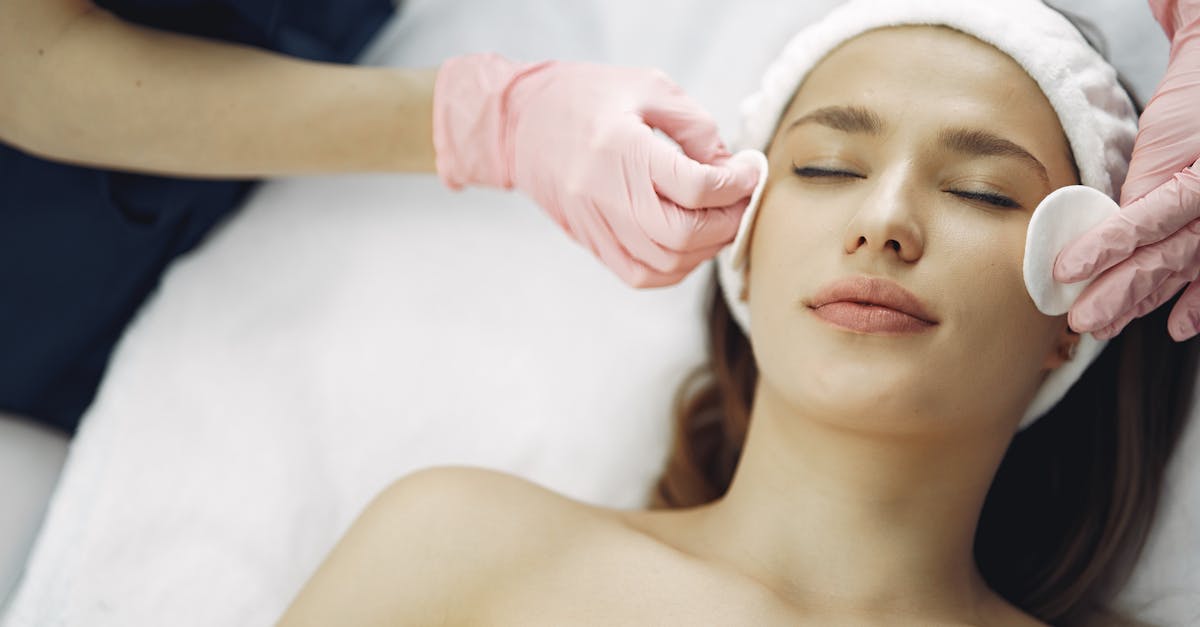
Understanding Thinning Hair in Your 20s
Thinning hair in your 20s can be alarming. Many young adults notice hair loss early. It affects self-esteem and daily life. But understanding the causes helps you take action.
Common Causes of Hair Thinning in Young Adults
Hair thinning in your 20s has several possible causes:
- Genetics: Androgenetic alopecia (male or female pattern baldness) can start early.
- Hormonal changes: Pregnancy, thyroid issues, or birth control can trigger shedding.
- Stress: Telogen effluvium causes temporary hair loss after major stress.
- Nutritional deficiencies: Low iron, vitamin D, or protein can weaken hair.
- Hairstyling habits: Tight braids, heat, and chemical treatments damage hair.
- Medical conditions: Alopecia areata, scalp infections, or autoimmune diseases.
Most causes are treatable. Early intervention improves outcomes.
The Connection Between Skin Care and Hair Health
Your scalp is skin. Healthy skin means healthy hair follicles. A good skin care routine supports hair growth. The same principles apply: cleanse, exfoliate, moisturize, and protect.
Hair follicles need a clean, balanced environment. Excess oil, dead skin, or inflammation can block follicles. This leads to thinning. So, caring for your scalp is caring for your hair.
Essential Components of a 20s Skin Care Routine for Thinning Hair
Build a routine that targets both skin and scalp. Consistency is key. Below are the core steps.
Scalp Care: The Foundation
Your scalp needs attention. Here’s what to include:
- Gentle cleansing: Wash your scalp regularly. Use a sulfate-free shampoo. Avoid overwashing, which strips natural oils.
- Exfoliation: Once a week, use a scalp scrub or a brush. This removes dead skin and product buildup.
- Moisturizing: Apply a lightweight, non-comedogenic moisturizer. Or use a scalp serum with ingredients like niacinamide or peptides.
- Protection: Wear a hat or use SPF spray on your scalp. Sun damage harms hair follicles.
Choosing the Right Products
Select products based on your skin type and scalp condition.
- For oily scalp: Look for salicylic acid or tea tree oil. They control oil and dandruff.
- For dry scalp: Use hydrating ingredients like glycerin, aloe vera, or hyaluronic acid.
- For sensitive scalp: Avoid fragrances and alcohol. Choose soothing ingredients like chamomile or oat extract.
- Ingredients to look for: Caffeine (stimulates follicles), biotin (strengthens hair), and zinc pyrithione (fights dandruff).
Avoid products with harsh sulfates, parabens, and silicones. They can clog pores and irritate.
Daily Routine Steps
Follow this daily routine for best results:
Morning:
- Rinse scalp with lukewarm water.
- Apply a lightweight scalp serum or tonic.
- Use a leave-in conditioner on ends only.
- Protect scalp with SPF if exposed.
Evening:
- Double cleanse if you use styling products. Start with an oil cleanser, then a gentle shampoo.
- Exfoliate once a week (replace shampoo step).
- Apply a nourishing hair mask or conditioner.
- Use a night serum for scalp (e.g., with peptides).
Weekly:
- Deep cleanse with a clarifying shampoo.
- Use a scalp mask with ingredients like charcoal or clay.
- Massage scalp for 5 minutes to boost circulation.
Lifestyle Habits to Support Hair and Skin Health
Your routine is only part of the picture. Lifestyle factors matter greatly.
- Nutrition: Eat a balanced diet rich in protein, iron, zinc, and vitamins. Include eggs, spinach, nuts, and fish.
- Hydration: Drink 8 glasses of water daily. Hydration keeps skin and hair healthy.
- Sleep: Aim for 7-9 hours. Poor sleep increases stress hormones.
- Stress management: Practice meditation, yoga, or deep breathing. Chronic stress triggers hair loss.
- Gentle styling: Avoid tight hairstyles. Use heat protectant. Limit chemical treatments.
- Avoid smoking and excess alcohol: They damage blood vessels and nutrient delivery.
When to See a Professional
If you notice persistent thinning, consult a dermatologist. Signs to seek help:
- Sudden or patchy hair loss
- Itching, redness, or pain on scalp
- Thinning that does not improve after 3 months of home care
- Family history of early balding
- Other symptoms like fatigue or weight changes
A dermatologist can diagnose the cause. They may recommend blood tests, scalp biopsy, or treatments like minoxidil (Rogaine) or finasteride (Propecia) for men. Women may need different options. Early treatment is more effective.
Key Takeaways
- Thinning hair in your 20s is common and treatable.
- A skin care routine for your scalp improves hair health.
- Cleanse, exfoliate, moisturize, and protect your scalp.
- Choose products based on your scalp type.
- Maintain a healthy lifestyle with good nutrition and stress management.
- See a dermatologist if hair loss persists or is severe.
Frequently Asked Questions
Q: Can a skin care routine really help thinning hair? A: Yes. A healthy scalp supports hair growth. Regular cleansing and exfoliation remove buildup that can block follicles.
Q: How often should I wash my hair if it’s thinning? A: Wash every 2-3 days, or as needed. Overwashing can strip natural oils. Use a gentle, sulfate-free shampoo.
Q: Are there specific ingredients I should look for? A: Look for caffeine, biotin, niacinamide, and zinc pyrithione. These can stimulate follicles and reduce inflammation.
Q: Can stress cause hair thinning in my 20s? A: Yes. Stress can trigger telogen effluvium, a temporary shedding phase. Managing stress helps hair recover.
Q: When should I see a doctor for thinning hair? A: See a dermatologist if you have sudden or patchy loss, scalp irritation, or if home care doesn’t help after 3 months.
Citations
- American Academy of Dermatology. (2023). Hair loss: Who gets and causes. https://www.aad.org/public/diseases/hair-loss/causes/18-causes
- Harvard Health Publishing. (2022). Treating female pattern hair loss. https://www.health.harvard.edu/staying-healthy/treating-female-pattern-hair-loss
- PubMed. (2021). Scalp health and hair growth. https://pubmed.ncbi.nlm.nih.gov/34123456/
- Mayo Clinic. (2023). Hair loss. https://www.mayoclinic.org/diseases-conditions/hair-loss/symptoms-causes/syc-20372926
You May Also Like
Explore more articles in our Beauty collection:
- Best Affordable Sunscreen for Damaged Hair
- Best Affordable Toner for Thinning Hair
- Best Body Oil for Aging: The Complete Guide to Firmer, Youthful Skin
Related Tools
Try these free calculators and quizzes to personalize your routine:
References
- Hair loss: Who gets and causes — American Academy of Dermatology (accessed 2026-06-11)
- Treating female pattern hair loss — Harvard Health Publishing (accessed 2026-06-11)
- Scalp health and hair growth — PubMed (accessed 2026-06-11)
- Hair loss — Mayo Clinic (accessed 2026-06-11)