
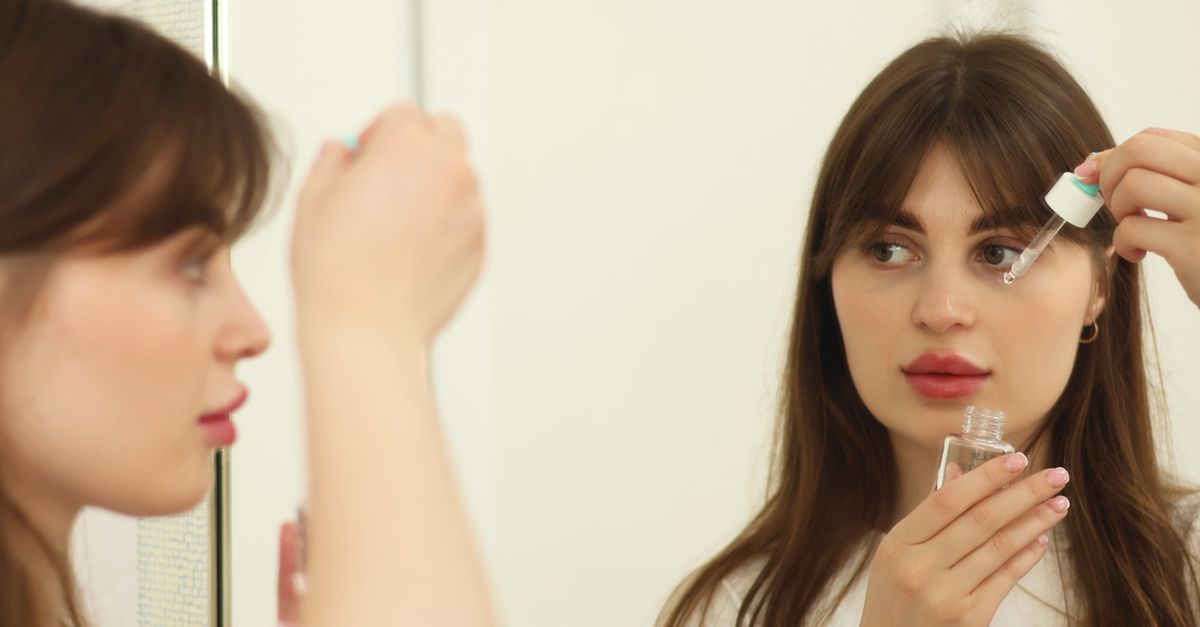
Introduction: Why Your 20s Are Crucial for Hyperpigmentation Prevention
Your 20s are a critical decade for skin health. Collagen production starts to decline. Sun damage accumulates. Hormonal changes can trigger pigmentation. Starting a targeted routine now prevents dark spots from worsening. This guide provides a science-backed 20s skin care routine for hyperpigmentation.
Understanding Hyperpigmentation in Your 20s
Hyperpigmentation means patches of skin become darker. It happens when excess melanin forms. In your 20s, common causes include:
Common Causes (Sun, Acne, Hormones)
- Sun exposure: UV rays stimulate melanin. Even short daily exposure adds up.
- Acne: Post-inflammatory hyperpigmentation (PIH) occurs after pimples heal.
- Hormones: Birth control, pregnancy, or stress can trigger melasma.
Types of Hyperpigmentation (PIH, Melasma, Sunspots)
- PIH: Flat spots after acne or injury. Common in darker skin tones.
- Melasma: Brown or gray patches on face. Often hormonal.
- Sunspots: Also called solar lentigines. Appear on sun-exposed areas.
Key Ingredients for Treating Hyperpigmentation
Choose products with these proven ingredients:
Vitamin C
- What it does: Antioxidant that blocks melanin production. Brightens skin.
- Best form: L-ascorbic acid (10-20%). Use in morning.
- Tip: Store in dark bottle to prevent oxidation.
Niacinamide
- What it does: Reduces melanin transfer. Calms inflammation.
- Concentration: 2-5% effective. Good for sensitive skin.
- Pair with: Works well with retinoids or vitamin C.
Retinoids
- What it does: Speeds cell turnover. Fades dark spots over time.
- Options: Over-the-counter retinol or prescription tretinoin.
- Caution: Start low (0.25-0.5%). Use at night. Wear sunscreen.
Alpha Hydroxy Acids (AHAs)
- What it does: Exfoliates dead skin. Promotes new cell growth.
- Common AHAs: Glycolic acid (stronger), lactic acid (gentler).
- Frequency: 2-3 times per week. Avoid mixing with retinoids.
Kojic Acid and Azelaic Acid
- Kojic acid: Derived from mushrooms. Inhibits tyrosinase.
- Azelaic acid: Reduces inflammation and melanin. Safe for acne-prone skin.
- Use: 2-4% for kojic acid. 10-15% for azelaic acid.
Step-by-Step 20s Skin Care Routine for Hyperpigmentation
Morning Routine
- Cleanser: Gentle, non-stripping.
- Vitamin C serum: Apply to damp skin. Wait 1 minute.
- Moisturizer: Lightweight, with niacinamide if possible.
- Sunscreen: SPF 30+ broad spectrum. Reapply every 2 hours.
Evening Routine
- Oil cleanser: Remove makeup and sunscreen.
- Water-based cleanser: Double cleanse.
- Treatment: Rotate between retinoid (3x/week) and AHA (1-2x/week).
- Moisturizer: Richer formula with ceramides.
- Optional: Spot treatment with azelaic acid.
Note: Introduce new products one at a time. Patch test before full use.
Lifestyle Tips to Support Your Routine
Sun Protection
- Use sunscreen every day, even indoors.
- Wear wide-brimmed hats and sunglasses.
- Avoid tanning beds. Seek shade during peak hours (10 AM-4 PM).
Diet and Hydration
- Eat antioxidant-rich foods: berries, leafy greens, nuts.
- Stay hydrated. Water helps skin function.
- Limit sugar and processed foods. They may worsen inflammation.
Stress Management
- Chronic stress raises cortisol. This can trigger melasma.
- Practice meditation, exercise, or adequate sleep.
Common Mistakes to Avoid
- Skipping sunscreen: UV exposure undoes all treatment.
- Over-exfoliating: Damages skin barrier. Stick to recommended frequency.
- Using too many actives: Can cause irritation. Rotate products.
- Expecting overnight results: Pigment fading takes 3-6 months.
- Picking at skin: Leads to more PIH.
Key Takeaways
- Start a routine in your 20s to prevent worsening hyperpigmentation.
- Use proven ingredients: Vitamin C, niacinamide, retinoids, AHAs, kojic acid, azelaic acid.
- Morning: Cleanse, vitamin C, moisturize, sunscreen.
- Evening: Double cleanse, treatment (retinoid or AHA), moisturize.
- Protect skin from sun daily. Eat well, manage stress.
- Be patient. Results take time. See a dermatologist if no improvement.
FAQ
Q: Can I use vitamin C and retinoids together? A: Not at the same time. Use vitamin C in morning, retinoid at night.
Q: How long until I see results? A: Typically 3-6 months of consistent use. Some improvement may be visible earlier.
Q: Is hyperpigmentation permanent? A: It can fade with treatment, but some may persist. Sun protection prevents darkening.
Q: Can I use AHAs if I have sensitive skin? A: Yes, start with low concentration (e.g., 5% lactic acid) and patch test.
Q: When should I see a dermatologist? A: If over-the-counter products fail after 6 months, or if spots change shape/color.
Citations
- American Academy of Dermatology. “How to fade dark spots.” AAD.org.
- PubMed. “Topical vitamin C for hyperpigmentation.” NCBI.
- Mayo Clinic. “Melasma: Diagnosis and treatment.” Mayoclinic.org.
- Journal of Clinical and Aesthetic Dermatology. “Niacinamide for pigmentation.” NCBI.
You May Also Like
Explore more articles in our Skincare collection:
- Best Face Serum for Eczema: Expert Guide to Soothe and Repair
- Best Face Serum for Large Pores
- Best Face Serum for Rosacea: Soothing Solutions for Sensitive Skin
Related Tools
Try these free calculators and quizzes to personalize your routine:
References
- How to fade dark spots — American Academy of Dermatology (accessed 2026-06-11)
- Topical vitamin C for hyperpigmentation — PubMed (accessed 2026-06-11)
- Melasma: Diagnosis and treatment — Mayo Clinic (accessed 2026-06-11)
- Niacinamide for pigmentation — Journal of Clinical and Aesthetic Dermatology (accessed 2026-06-11)