
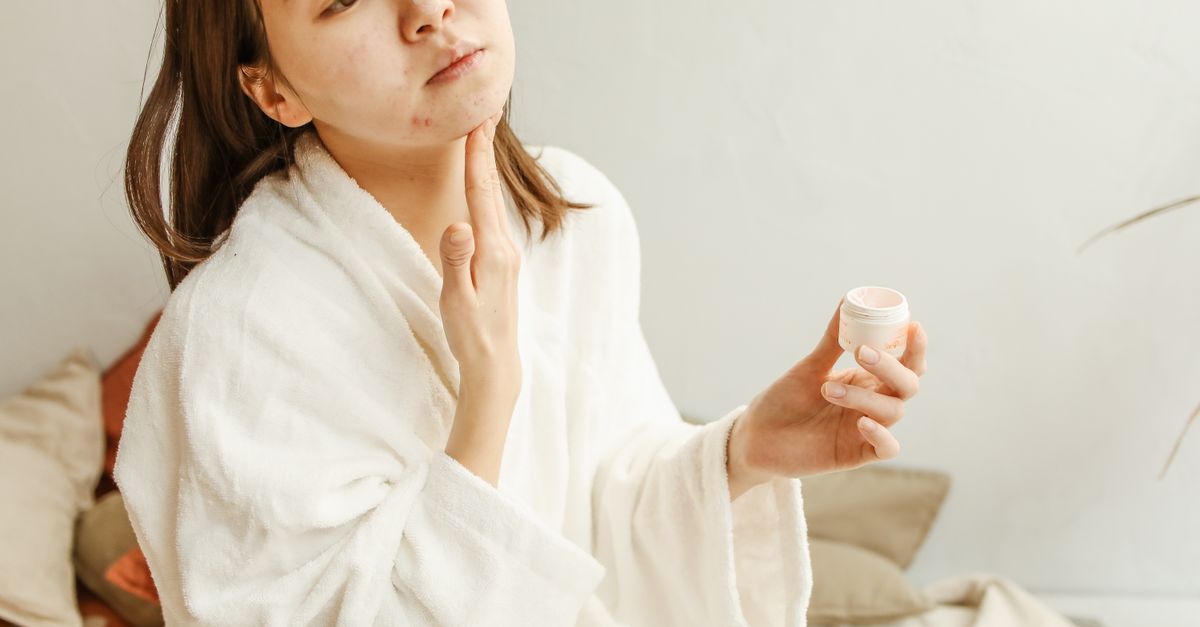
Understanding Acne in Your 20s
Acne is common in your 20s. It affects up to 50% of adults. This stage brings new challenges. Hormones, stress, and lifestyle play big roles.
Why acne persists or appears in your 20s
Many think acne ends after teenage years. That is not true. Adult acne can start in your 20s. Hormonal fluctuations are a key cause. Women often experience breakouts around their menstrual cycle. Stress increases cortisol, which triggers oil production. Genetics also matter. If your parents had adult acne, you may too.
Common triggers (stress, hormones, diet, lifestyle)
- Stress: Raises cortisol levels, leading to more sebum.
- Hormones: Androgens cause oil glands to enlarge. Birth control changes can affect acne.
- Diet: High glycemic foods (sugar, white bread) may worsen acne. Dairy is a trigger for some.
- Lifestyle: Lack of sleep, smoking, and heavy makeup can clog pores.
- Skincare products: Using wrong products can irritate skin.
Building a Basic 20s Skin Care Routine for Acne
A simple routine is best. Overdoing it can harm your skin. Focus on gentle, effective steps.
Step 1: Gentle Cleansing (AM & PM)
Cleanse twice daily. Use a gentle, non-foaming cleanser. Avoid harsh soaps. Look for ingredients like glycerin or ceramides. Harsh cleansers strip natural oils. This makes skin produce more oil.
- Morning: Wash with lukewarm water. Use a mild cleanser.
- Evening: Remove makeup and sunscreen first. Then cleanse.
Step 2: Exfoliation (2-3 times per week)
Exfoliation removes dead skin cells. It prevents clogged pores. Use chemical exfoliants, not physical scrubs. Scrubs can cause micro-tears.
- Salicylic acid (BHA): Oil-soluble, penetrates pores. Use 2% concentration.
- Glycolic acid (AHA): Water-soluble, works on surface. Use 5-10%.
- Start once a week. Increase gradually.
Step 3: Treatment Products (salicylic acid, benzoyl peroxide, retinoids)
Treatments target active acne and prevent new ones.
- Salicylic acid: Unclogs pores. Good for blackheads and whiteheads.
- Benzoyl peroxide: Kills acne bacteria. Start with 2.5% to avoid irritation.
- Retinoids: Vitamin A derivatives. They speed cell turnover. Adapalene (0.1%) is available over-the-counter. Prescription retinoids are stronger.
Apply treatments after cleansing, before moisturizer. Use only one active at a time.
Step 4: Moisturizing (non-comedogenic)
Moisturizer is essential, even for oily skin. It keeps the skin barrier healthy. Look for “non-comedogenic” labels. This means it won’t clog pores.
- Gel-based moisturizers are lightweight.
- Ingredients: Hyaluronic acid, niacinamide, ceramides.
- Apply to damp skin for better absorption.
Step 5: Sun Protection (SPF 30+ daily)
Sun exposure darkens acne scars. It also causes inflammation. Wear SPF 30 or higher every day. Choose oil-free, non-comedogenic formulas.
- Mineral sunscreens: Zinc oxide or titanium dioxide. Less irritating.
- Chemical sunscreens: Absorb UV rays. May sting sensitive skin.
- Reapply every two hours if outdoors.
Advanced Add-Ons for Stubborn Acne
If basic steps are not enough, consider these additions.
Incorporating niacinamide and azelaic acid
- Niacinamide: Vitamin B3. Reduces redness and oil production. Use 2-5% concentration.
- Azelaic acid: Fights acne and hyperpigmentation. Use 10% over-the-counter.
Apply these after cleansing, before moisturizer. They are gentle and can be used daily.
When to see a dermatologist (prescription options)
See a dermatologist if:
- Acne is severe or painful.
- Over-the-counter products fail after 12 weeks.
- You have deep cysts or nodules.
- Acne causes emotional distress.
Prescription options include:
- Topical antibiotics: Clindamycin, dapsone.
- Oral antibiotics: Doxycycline, minocycline.
- Oral contraceptives: For women with hormonal acne.
- Spironolactone: Blocks androgens.
- Isotretinoin: For severe, resistant acne.
Lifestyle Tips to Support Clear Skin
Skincare alone may not be enough. Lifestyle changes help.
Diet and hydration
- Low glycemic diet: Reduce sugar and refined carbs.
- Dairy: Some people benefit from reducing milk intake.
- Water: Drink at least 8 glasses daily. Hydration supports skin health.
- Omega-3 fatty acids: Found in fish and flaxseed. They reduce inflammation.
Stress management and sleep
- Sleep: Aim for 7-9 hours. Poor sleep increases cortisol.
- Stress reduction: Try meditation, yoga, or deep breathing.
- Exercise: Improves circulation and reduces stress. Shower after sweating.
Avoiding common mistakes (over-cleansing, picking)
- Over-cleansing: Strips skin, causes rebound oiliness. Stick to twice daily.
- Picking: Leads to scars and infection. Use spot treatments instead.
- Skipping moisturizer: Even oily skin needs hydration.
- Using too many actives: Can damage skin barrier. Introduce one at a time.
Sample 20s Skin Care Routine for Acne (AM & PM)
Morning Routine
- Cleanser: Gentle, non-foaming.
- Treatment: Niacinamide serum (optional).
- Moisturizer: Lightweight, non-comedogenic.
- Sunscreen: SPF 30+.
Evening Routine
- Oil cleanser (if wearing makeup) or micellar water.
- Cleanser: Gentle.
- Exfoliant: 2-3 times per week (skip on other nights).
- Treatment: Salicylic acid, benzoyl peroxide, or retinoid.
- Moisturizer: Non-comedogenic.
Note: Start with one active. Wait 2-4 weeks before adding another.
Frequently Asked Questions
-
Can I use multiple acne treatments together? No, start with one. Combining too many can irritate skin. Introduce new products slowly.
-
Should I avoid moisturizer if my skin is oily? No. Moisturizer helps balance oil production. Choose oil-free, non-comedogenic formulas.
-
How long before I see results? Most treatments take 4-8 weeks. Retinoids may take 12 weeks. Be patient and consistent.
-
Is it safe to use salicylic acid and benzoyl peroxide together? It can be too drying. Use one in the morning and the other at night, or alternate days.
-
When should I see a dermatologist? If acne is severe, painful, or not improving after 12 weeks of OTC products.
Key Takeaways
- Acne in your 20s is common. Triggers include hormones, stress, and diet.
- A basic routine: gentle cleanser, exfoliate 2-3 times weekly, treatment, moisturizer, SPF.
- Use non-comedogenic products. Start with one active ingredient.
- Lifestyle matters: manage stress, sleep well, eat a balanced diet.
- See a dermatologist if OTC treatments fail or acne is severe.
You May Also Like
Explore more articles in our Skincare collection:
- The Complete Guide to Retinol: Science, Routine, and Best Products for Every Skin Type (2026)
- The Ultimate Guide to the Best Anti-Aging Cream for Sensitive Skin (2024)
- The Ultimate Guide to the Best Hair Mask for Oily Hair: Rebalance, Clarify, and Shine
Related Tools
Try these free calculators and quizzes to personalize your routine:
References
- Adult Acne — American Academy of Dermatology Association (accessed 2026-06-11)
- Acne: Diagnosis and Treatment — Mayo Clinic (accessed 2026-06-11)
- The Role of Diet in Acne — PubMed Central (PMC) (accessed 2026-06-11)
- Skincare Routines for Acne-Prone Skin — American Academy of Dermatology Association (accessed 2026-06-11)