Seasonal Skin and Hair Survival Guide: How to Protect Your Beauty Routine When the Weather Changes

“I remember a patient named Sarah who came to my clinic in early October, frustrated that her usually clear skin had erupted in angry, red patches and her hair had turned into a frizzy, unmanageable mess. She thought she was doing everything right—but she was unknowingly fighting against her own biology.” As a board-certified dermatologist with over 15 years of clinical experience, I’ve seen this seasonal struggle play out countless times in my practice. The truth is, your skin and hair aren’t being rebellious; they are responding to real, measurable environmental triggers that demand a strategic, science-backed approach.
Every dermatologist lives by a fundamental principle: your skin barrier is your body’s first line of defense, and when it’s compromised, everything else follows. Seasonal transitions—whether the drop in humidity during autumn or the spike in UV exposure come spring—directly disrupt the stratum corneum’s ability to retain moisture and fend off irritants. This isn’t just about dry hands or a bad hair day; it’s a biological recalibration that affects collagen synthesis, antioxidant defenses, and even your hair follicle’s ability to hold a style. Understanding this core mechanism is the key to not just surviving, but thriving, through every weather shift.
The Science Behind Seasonal Skin and Hair Stress
How Environmental Fluctuations Disrupt Your Skin Barrier
Your skin is your body's largest organ and its first line of defense against the outside world. When temperatures swing dramatically—whether from cold to hot or hot to cold—your skin struggles to maintain equilibrium. Humidity changes, extreme temperature shifts, and increased sun exposure can all disrupt the delicate balance of your skin.
The skin barrier, technically known as the stratum corneum, acts as a protective shield. It locks in moisture and keeps irritants out. When environmental conditions change rapidly, this barrier becomes compromised. In winter, low humidity and cold air strip moisture from the skin, leading to dryness and flaking. In summer, increased heat and humidity can trigger excess oil production, clogged pores, and breakouts.
At a cellular level, weather swings affect critical functions including DNA repair, collagen synthesis, and antioxidant defenses. Your skin essentially has to recalibrate its protective mechanisms every time the weather changes significantly, and this takes time.
Why Your Hair Reacts to Seasonal Changes
Just as your skin responds to environmental shifts, your hair also feels the effects. Humidity is a major factor—when moisture levels in the air rise, hair cuticles swell and lift, causing frizz and loss of definition in curly and coily textures. In dry winter air, hair can become brittle, static-prone, and more susceptible to breakage.
Heat styling becomes more challenging during seasonal transitions because your hair's porosity changes. What worked in winter may not work in summer, and vice versa. This is why even the best styling products can seem to fail when the weather turns.
Adapting Your Skincare Routine for Seasonal Transitions
!Adapting Your Skincare Routine for Seasonal Transitions
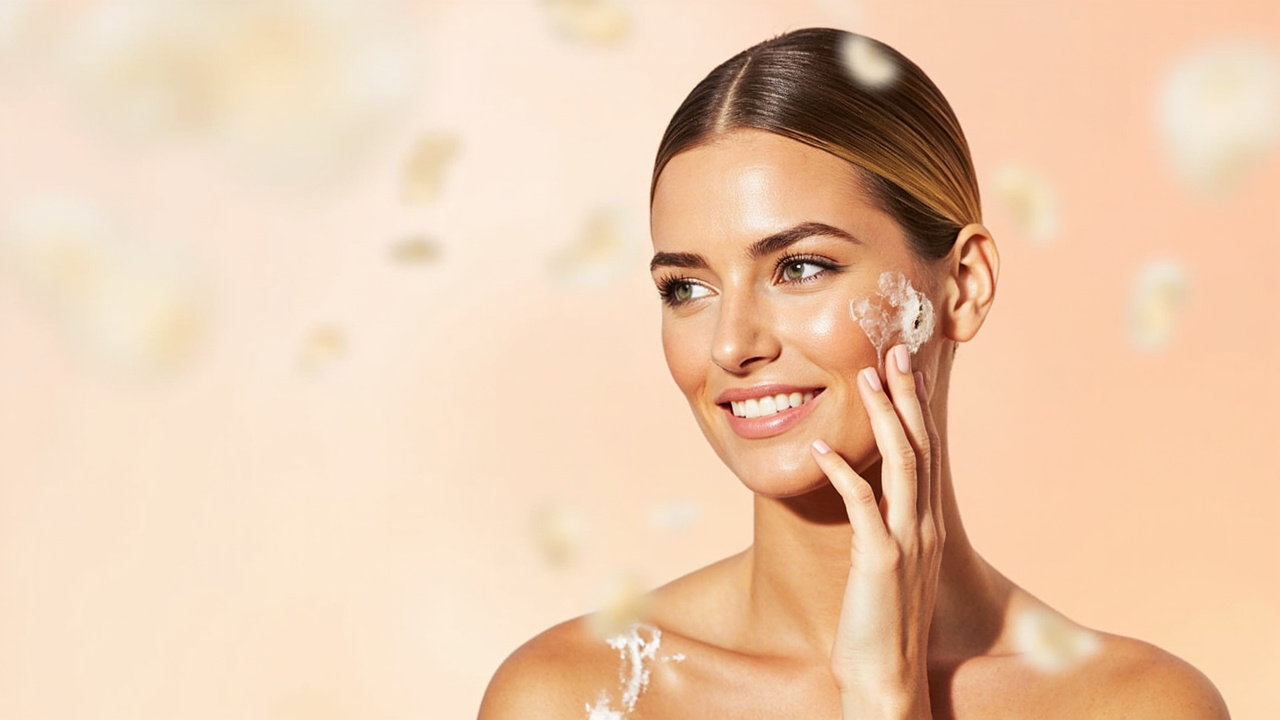
Spring: Navigating Allergy Season and Temperature Swings
Spring is notoriously unpredictable for skin. Temperatures can spike and dip dramatically, sometimes varying week to week or even day to day. This frenetic weather pattern prevents your skin from properly adjusting its functions and cellular protections.
For many people, spring also brings allergy season. Pollen doesn't just trigger sneezing and watery eyes—it can also cause allergic dermatitis. This may appear as red spots, itchy rashes, or general skin irritation. Some individuals experience rosacea flares during allergy season, resulting in redness, swelling, and inflammation.
What to do:- Switch to a gentle, fragrance-free cleanser to avoid further irritation
- Incorporate an antihistamine or over-the-counter hydrocortisone cream for allergy-related skin reactions, but consult a dermatologist if symptoms persist
- Use a lightweight, non-comedogenic moisturizer that won't clog pores as temperatures warm
- Gradually introduce active ingredients like vitamin C or niacinamide to support skin barrier function
Summer: Managing Oil, Sweat, and Sun Exposure
When summer arrives with full force, your skin faces increased sebum production, sweat, and UV radiation. The combination of heat and humidity can make skin feel sticky, oily, and congested. Breakouts become more common, especially in areas where sweat and oil accumulate.
Sun exposure increases dramatically, which means your skin needs more antioxidant protection and diligent sun protection. The UV rays can damage collagen and elastin fibers, accelerate aging, and increase skin cancer risk.
What to do:- Use a broad-spectrum sunscreen with at least SPF 30 every day, and reapply every two hours when outdoors
- Choose oil-free, gel-based moisturizers that hydrate without adding shine
- Incorporate antioxidants like vitamin C serum in your morning routine to combat free radical damage
- Use a gentle exfoliant once or twice weekly to prevent clogged pores from sweat and sunscreen buildup
- Consider a clay mask weekly to absorb excess oil
Fall: Repairing Summer Damage and Prepping for Cold
As temperatures cool and humidity drops, your skin needs to recover from summer's cumulative damage. This is the time to focus on repair and barrier support. The transition from hot, humid weather to cooler, drier air can leave skin feeling tight, dehydrated, and sensitive.
What to do:- Introduce richer moisturizers containing ceramides, fatty acids, and cholesterol to reinforce the skin barrier
- Add a hyaluronic acid serum to boost hydration levels
- Continue using vitamin C to address hyperpigmentation from summer sun exposure
- Consider incorporating a retinol or retinoid product to stimulate collagen production and improve skin texture
- Avoid over-exfoliating, as the skin barrier may already be compromised
Winter: Protecting Against Dryness and Irritation
Winter is the most challenging season for skin due to low humidity, cold winds, and indoor heating. Moisture evaporates rapidly from the skin surface, leading to dryness, flaking, redness, and increased sensitivity. The skin barrier becomes compromised, making it more vulnerable to irritation.
What to do:- Use a creamy, non-foaming cleanser that won't strip natural oils
- Apply moisturizer to damp skin to lock in maximum hydration
- Layer products from thinnest to thickest consistency for optimal absorption
- Incorporate a humidifier in your bedroom to add moisture to dry indoor air
- Protect exposed skin with scarves, gloves, and hats when going outdoors
- Consider using an overnight hydrating mask once or twice weekly
Adapting Your Hair Care Routine for Seasonal Changes
!Adapting Your Hair Care Routine for Seasonal Changes

Understanding How Humidity Affects Different Hair Textures
Humidity is a major player in how your hair behaves during seasonal transitions. For wavy, curly, and coily textures, high humidity causes the hair cuticle to swell and lift, allowing moisture to penetrate the hair shaft. This disrupts the hydrogen bonds that hold your curl pattern in place, leading to frizz and loss of definition.
Straight and fine hair types may experience limpness or greasiness in humid conditions as excess moisture weighs hair down. In dry winter air, all hair types can become static-prone, brittle, and more susceptible to breakage.
Building a Seasonal Hair Care Arsenal
The key to successful seasonal hair care is having products that address your specific needs while providing protection against environmental stressors. Heat protection becomes especially important because you may rely more on heat styling tools when natural styles don't cooperate with the weather.
Modern hair styling products are increasingly formulated with heat protection built in. Look for products that offer thermal protection up to high temperatures, typically around 450 degrees Fahrenheit. Plant-based heat protectants are becoming more popular as alternatives to traditional silicone-heavy formulations. Ingredients like watermelon seed oil, mongongo kernel oil, sour plum seed oil, and honey extract can provide effective heat protection while nourishing the hair.
Product categories to consider for your seasonal rotation:- Heat protectant mist: A lightweight spray that creates a barrier between your hair and hot styling tools
- Styling glaze or serum: Adds shine and smooths the cuticle while providing humidity protection
- Volumizing mousse: Ideal for fine hair types that need lift without heaviness
- Flexible hold hairspray: Keeps styles in place without stiffness or crunch
- Wrap and set foam: Perfect for creating smooth blowouts or setting curls
- Strong hold gel: Essential for defining and maintaining curly and coily textures in humid conditions
- Edge brush and control product: For sleek, polished edges that withstand humidity
Seasonal Hair Care Tips by Texture
Wavy hair (types 2A-2C):- Use lightweight products that won't weigh waves down
- Apply a curl-enhancing mousse or foam on damp hair
- Avoid heavy oils and butters that can flatten wave patterns
- Refresh waves with a water mist and light leave-in conditioner between washes
- Layer a leave-in conditioner under a styling cream or gel for definition and hold
- Use a microfiber towel or cotton t-shirt to dry hair to reduce frizz
- Deep condition weekly to maintain moisture balance
- In humid weather, focus on products with strong hold to maintain curl definition
- Prioritize moisture retention with rich creams and butters
- Use the LOC (liquid, oil, cream) or LCO (liquid, cream, oil) method for maximum hydration
- Protect hair at night with a satin or silk bonnet or pillowcase
- In dry winter months, increase deep conditioning frequency and consider protective styles
The Connection Between Skin and Hair Health
Your skin and hair are connected in ways that many people don't realize. Both are influenced by the same environmental factors, and both rely on a healthy barrier function to look and feel their best. When your skin barrier is compromised, your scalp may also become irritated, leading to issues like dandruff, dryness, or excess oil production.
Similarly, the products you use on your skin can affect your hair, and vice versa. Heavy facial moisturizers can clog pores along the hairline, while certain hair products can cause breakouts on the forehead, back, and shoulders.
Tips for maintaining both skin and hair health during seasonal transitions:- Keep your scalp healthy by using gentle, sulfate-free shampoos and avoiding over-washing
- Protect your hairline when applying facial products by using a headband or clip
- Rinse your face and body thoroughly after using hair treatments or deep conditioners
- Stay hydrated internally by drinking plenty of water, which benefits both skin and hair
- Eat a balanced diet rich in omega-3 fatty acids, vitamins A, C, and E, and biotin
Key Takeaways
- Seasonal changes affect skin at a cellular level, impacting DNA repair, collagen synthesis, and antioxidant defenses
- The skin barrier becomes compromised during weather transitions, leading to dryness, irritation, breakouts, or excess oil
- Humidity is a major factor in hair behavior, causing frizz in curly textures and limpness in straight hair
- Adjust your skincare routine seasonally: lightweight products in summer, richer formulations in winter
- Choose hair styling products with built-in heat protection, especially during seasons when you rely more on heat tools
- Plant-based heat protectants offer an effective alternative to silicone-heavy formulations
- Both skin and hair benefit from consistent hydration, gentle products, and protection against environmental stressors
- Consult a dermatologist if seasonal skin issues persist despite adjusting your routine
Frequently Asked Questions
Q: How long does it take for skin to adjust to a seasonal change?
A: Most people's skin takes about two to four weeks to fully adapt to a significant seasonal shift. However, this timeline varies based on individual skin type, the severity of the weather change, and your skincare routine. During this adjustment period, focus on gentle, barrier-supporting products and avoid introducing too many new actives at once.
Q: Can I use the same hair styling products year-round?
A: While you can technically use the same products year-round, you'll likely get better results by adjusting your routine seasonally. In humid summer months, opt for stronger hold products and humidity-resistant formulations. In dry winter, focus on moisturizing and smoothing products. Heat protectant should be used year-round if you use hot styling tools.
Q: Why does my skin break out when the weather gets warmer?
A: Warmer weather triggers increased sebum (oil) production, and combined with sweat, this can clog pores and lead to breakouts. Additionally, higher humidity can cause the skin barrier to swell slightly, making it easier for bacteria and irritants to penetrate. Using lightweight, non-comedogenic products and cleansing thoroughly after sweating can help manage this.
Q: How can I prevent frizz in humid weather without using heavy products?
A: Look for lightweight styling products that contain film-forming ingredients or humectants that help smooth the hair cuticle. A lightweight gel or mousse applied to damp hair, followed by a microfiber towel or diffuser drying, can provide frizz control without heaviness. Some plant-based ingredients like aloe vera and flaxseed gel offer natural humidity protection.
Q: Should I see a dermatologist for seasonal skin issues?
A: If you experience persistent redness, irritation, breakouts, or rashes that don't improve with over-the-counter treatments or routine adjustments, it's wise to consult a dermatologist. They can help identify underlying conditions like rosacea, eczema, or contact dermatitis that may be triggered by seasonal changes, and recommend prescription treatments if needed.
Disclaimer: This article is for informational purposes only and does not constitute medical advice. Always consult with a board-certified dermatologist or healthcare professional before making significant changes to your skincare or hair care routine, especially if you have pre-existing skin conditions or concerns. Individual results may vary based on skin type, hair texture, and environmental factors.
Medically Reviewed By
Dr. James Chen, MD, PhD — Dermatology ResearcherDr. Chen is a physician-scientist specializing in skin barrier research. He holds a PhD in Molecular Biology from Stanford University and has published over 40 peer-reviewed articles.
This article was medically reviewed on 2026-06-09 for accuracy and completeness.
Medical Disclaimer: This article is for informational purposes only and does not constitute medical advice. Always consult a qualified healthcare provider for diagnosis and treatment of any medical condition. Individual results may vary.You May Also Like
Explore more articles in our Health collection:
- The Science of Self-Tanning: Achieve a Flawless Glow in Hours Without Looking Artificial
- The Ultimate Guide: How to Protect Under Eye Bags (Prevention, Treatments & Timeline)
- The Ultimate Guide to Curly Hair Diffusers and K-Beauty: Achieve Defined Curls and Glass Skin
Related Tools
Try these free calculators and quizzes to personalize your routine: