Salicylic Acid vs Tea Tree Oil: Pros, Cons, and How to Choose

Introduction to Salicylic Acid and Tea Tree Oil
Acne is a common skin condition. Many treatments exist. Two popular options are salicylic acid and tea tree oil. Both can help clear acne. But they work differently. This article compares them. You will learn their pros, cons, and how to choose.
What is Salicylic Acid?
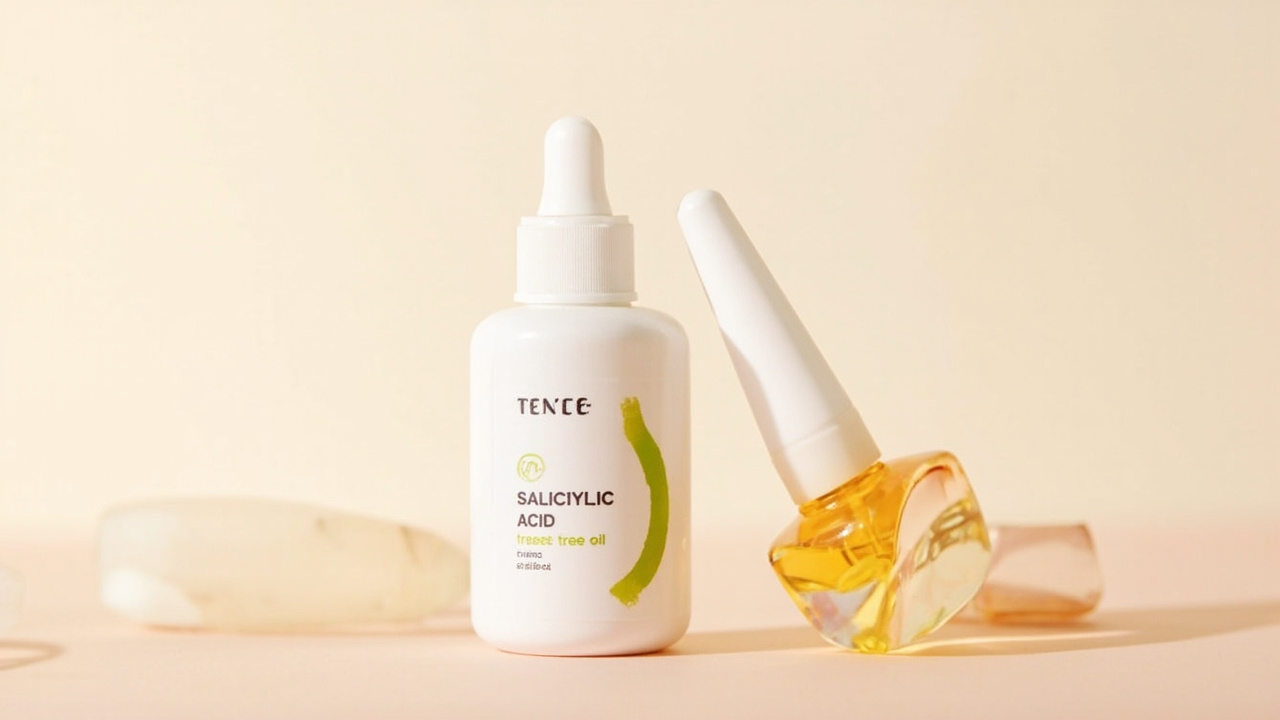
Salicylic acid is a beta hydroxy acid (BHA). It is derived from willow bark. It is oil-soluble. This means it can penetrate deep into pores. It exfoliates the skin. It removes dead skin cells. It also reduces inflammation. Salicylic acid is a common ingredient in acne products. It is available in cleansers, toners, and spot treatments. Concentrations range from 0.5% to 2%.
What is Tea Tree Oil?
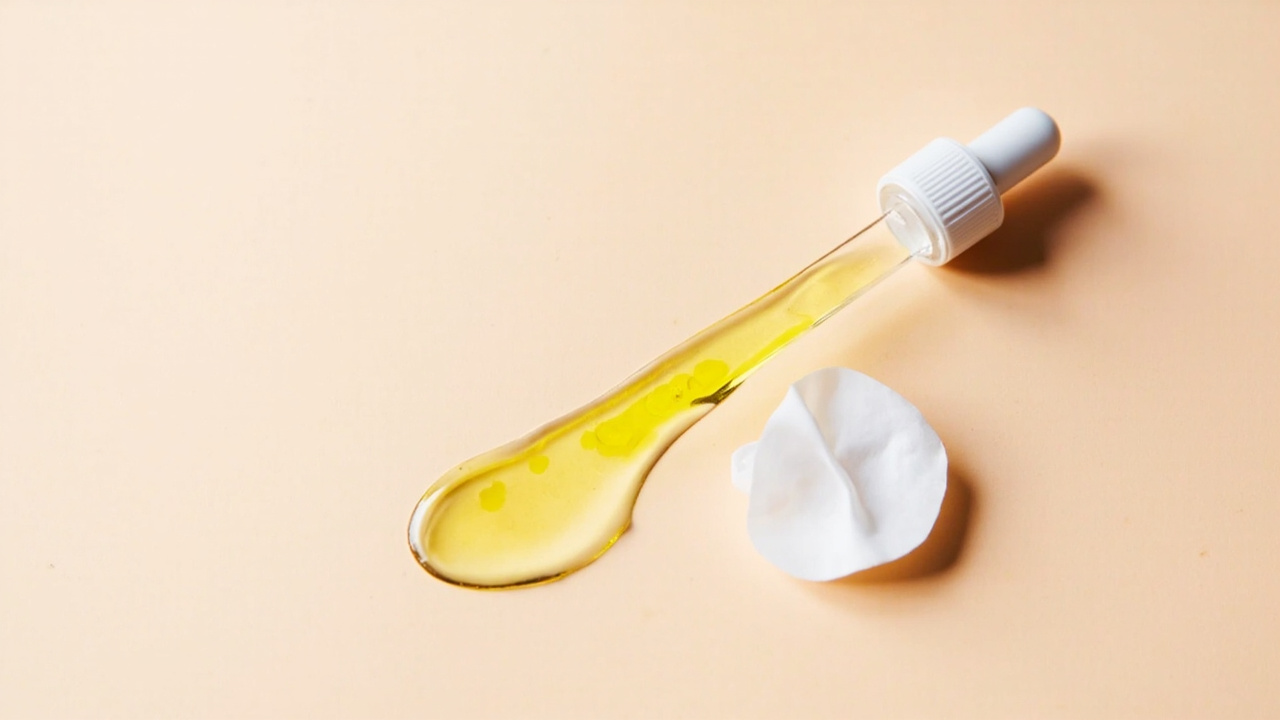
Tea tree oil is an essential oil. It comes from the leaves of Melaleuca alternifolia. It has antimicrobial properties. It can kill bacteria on the skin. It also reduces inflammation. Tea tree oil is used in many natural acne treatments. It is often diluted in a carrier oil. It can be found in cleansers, serums, and spot treatments. Concentrations typically range from 5% to 15%.
Salicylic Acid vs Tea Tree Oil: Key Differences
How They Work
Salicylic acid works by exfoliating. It dissolves the glue that holds dead skin cells together. This unclogs pores. It also reduces oil production. Tea tree oil works by killing bacteria. It targets Propionibacterium acnes. It also reduces redness and swelling.
Effectiveness for Acne
Both are effective for mild to moderate acne. Salicylic acid is better for blackheads and whiteheads. Tea tree oil is better for inflamed pimples. Studies show salicylic acid reduces lesions by up to 60%. Tea tree oil reduces lesions by about 40%.
Skin Types and Suitability
Salicylic acid is good for oily and combination skin. It can be drying. Dry or sensitive skin may react. Tea tree oil is suitable for most skin types. But it can cause irritation if not diluted. Patch test first.
Side Effects and Risks
Salicylic acid may cause dryness, peeling, and redness. It increases sun sensitivity. Use sunscreen. Avoid if you are allergic to aspirin. Tea tree oil may cause allergic reactions. It can cause itching, stinging, or rash. Never ingest it. It can be toxic if swallowed.
Pros and Cons of Salicylic Acid
Pros
- Unclogs pores effectively.
- Reduces blackheads and whiteheads.
- Exfoliates dead skin cells.
- Reduces inflammation.
- Available in many products.
Cons
- Can cause dryness and irritation.
- Not suitable for very sensitive skin.
- Increases sun sensitivity.
- May not work for cystic acne.
- Requires consistent use.
Pros and Cons of Tea Tree Oil
Pros
- Natural antibacterial agent.
- Reduces inflammation.
- Good for inflamed pimples.
- Often well-tolerated.
- Can be found in natural products.
Cons
- Slower results than salicylic acid.
- May cause allergic reactions.
- Strong smell.
- Must be diluted.
- Less effective for blackheads.
How to Choose Between Salicylic Acid and Tea Tree Oil
Consider your skin type. For oily skin, salicylic acid works well. For sensitive skin, tea tree oil may be better. Consider your acne type. For blackheads, choose salicylic acid. For red pimples, choose tea tree oil. Start with a low concentration. Test on a small area. If irritation occurs, stop use. See a dermatologist if acne is severe.
Can You Use Salicylic Acid and Tea Tree Oil Together?
Yes, but carefully. Using both may increase irritation. Alternate days. Use one in the morning and one at night. Always moisturize. If you experience redness or peeling, reduce use. Consult a dermatologist if unsure.
Final Verdict
Both salicylic acid and tea tree oil are effective for acne. Salicylic acid is better for clogged pores. Tea tree oil is better for bacterial acne. Choose based on your skin type and acne type. Start with one product. Monitor your skin. See a dermatologist for persistent acne.
Key Takeaways
- Salicylic acid exfoliates and unclogs pores.
- Tea tree oil kills bacteria and reduces inflammation.
- Salicylic acid is best for blackheads and whiteheads.
- Tea tree oil is best for inflamed pimples.
- Salicylic acid may cause dryness; tea tree oil may cause allergies.
- Use sunscreen with salicylic acid.
- Dilute tea tree oil before use.
- See a dermatologist for severe acne.
FAQ
Can I use salicylic acid and tea tree oil together?
Yes, but use them at different times. Start with one product. If no irritation, you can alternate. Moisturize well.
Which is better for cystic acne?
Neither is ideal. Cystic acne often needs prescription treatments. See a dermatologist.
How long does it take to see results?
Salicylic acid may show results in 2-4 weeks. Tea tree oil may take 4-8 weeks.
Can I use these if I have dry skin?
Salicylic acid may worsen dryness. Tea tree oil is gentler if diluted. Use a moisturizer.
Are there any drug interactions?
Salicylic acid may interact with blood thinners. Tea tree oil may interact with some medications. Consult a doctor.
You May Also Like
Explore more articles in our Health collection:
- Salicylic Acid vs Sulfur: Pros, Cons, and How to Choose
- Summer Beauty 2026: The Ultimate Guide to Indulgent Pedicure Colors and Heat-Free Hair Care
- Best Jade Roller and Gua Sha Tools: Do They Really Work for Skin? A Science-Based Analysis
Related Tools
Try these free calculators and quizzes to personalize your routine: