Rosacea: Symptoms, Causes, and Treatments

What is Rosacea?
Rosacea is a chronic skin condition that causes redness and visible blood vessels on the face. It may also produce small, red, pus-filled bumps. These symptoms can flare up for weeks to months and then go away for a while. Rosacea can be mistaken for acne, eczema, or an allergic reaction. The exact cause is unknown, but it involves a combination of genetic and environmental factors. Rosacea most often affects middle-aged women with fair skin. However, anyone can get it.
Common Symptoms of Rosacea
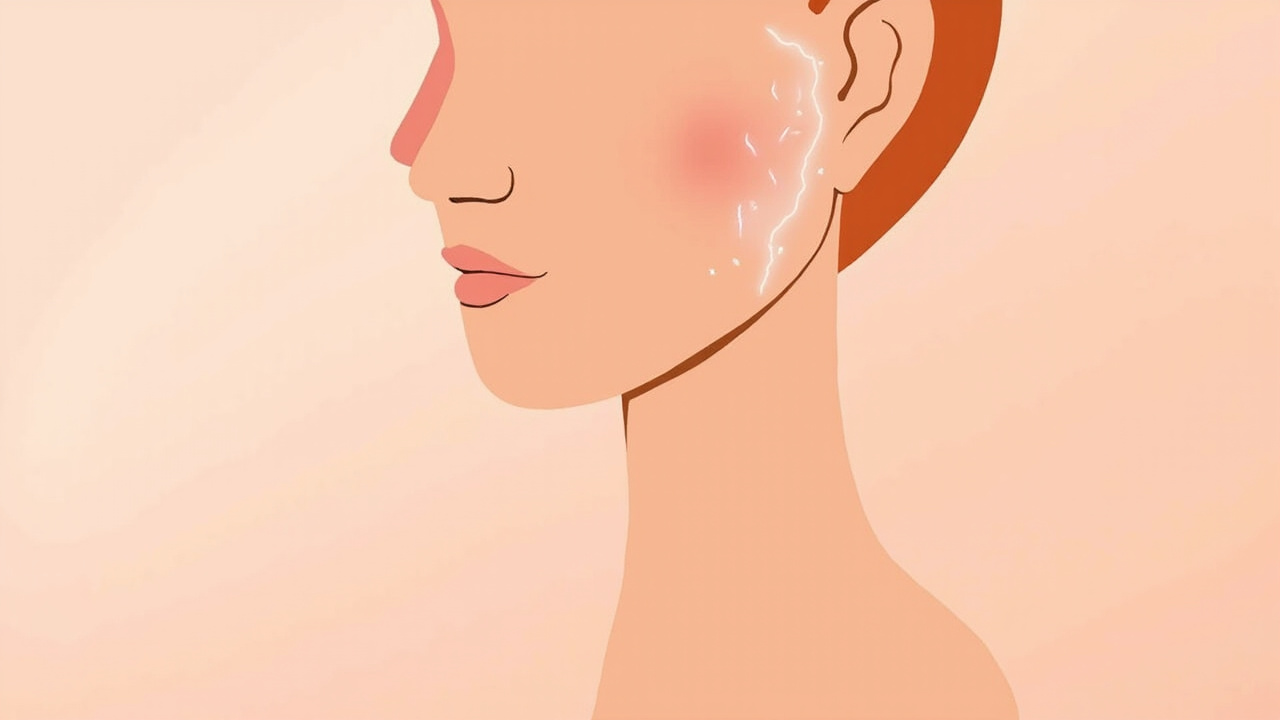
Rosacea symptoms vary from person to person. The main signs include:
- Persistent redness: A red face that looks like a blush or sunburn that doesn't go away.
- Visible blood vessels: Small, broken blood vessels (telangiectasias) become visible on the skin.
- Bumps and pimples: Red, solid bumps or pus-filled pimples may occur. These are often mistaken for acne.
- Eye problems: Many people experience dry, irritated, swollen eyes and eyelids (ocular rosacea).
- Burning or stinging: The skin may feel hot, tender, or irritated.
- Swollen nose: In severe cases, the nose can become enlarged and bumpy (rhinophyma). This is more common in men.
Symptoms often come and go. Flare-ups can last for weeks. Triggers can cause sudden worsening.
Causes and Triggers of Rosacea
!Causes and Triggers of Rosacea
The exact cause of rosacea is unknown. Researchers believe it involves a combination of hereditary and environmental factors. Possible causes include:
- Genetics: Family history increases risk.
- Immune system: An overactive immune response may contribute.
- Microorganisms: A skin mite (Demodex) or bacteria (H. pylori) might play a role.
- Vascular changes: Abnormalities in blood vessels cause flushing and redness.
Common triggers that can worsen rosacea include:
- Sun exposure: UV rays are a major trigger.
- Hot or cold weather: Extreme temperatures cause flare-ups.
- Spicy foods: Chili peppers, hot sauce, and curry.
- Alcohol: Red wine is a common trigger.
- Hot beverages: Coffee, tea, and hot chocolate.
- Exercise: Intense physical activity can cause flushing.
- Stress: Emotional stress triggers flare-ups.
- Skincare products: Harsh ingredients, alcohol, or fragrances.
- Medications: Some blood pressure drugs and topical steroids.
Identifying and avoiding personal triggers is key to managing rosacea.
Types of Rosacea
Rosacea is classified into four subtypes. These types can overlap.
Erythematotelangiectatic Rosacea (ETR)
- Symptoms: Persistent redness, flushing, and visible blood vessels.
- Skin: May be sensitive, dry, or rough.
- Flushing: Often the earliest sign.
Papulopustular Rosacea
- Symptoms: Red bumps and pus-filled pimples (papules and pustules).
- Appearance: Resembles acne, but no blackheads.
- Location: Usually on the cheeks, chin, and forehead.
Phymatous Rosacea
- Symptoms: Thickened skin and bumpy texture.
- Common site: Nose (rhinophyma), but can affect chin, forehead, ears.
- Cause: Overgrowth of sebaceous glands.
- More common in men.
Ocular Rosacea
- Symptoms: Eye irritation, redness, dryness, and sensitivity to light.
- Signs: Watery or bloodshot eyes, burning, stinging.
- Complications: Blepharitis (eyelid inflammation) and corneal damage.
- Often occurs with other subtypes.
Diagnosis of Rosacea
There is no specific test for rosacea. A dermatologist diagnoses it based on:
- Medical history: Review of symptoms and triggers.
- Skin examination: Visual inspection of the face.
- Eye exam: For ocular symptoms.
Sometimes a skin biopsy is done to rule out other conditions like lupus or acne. Early diagnosis helps prevent progression.
Treatment Options for Rosacea
Treatment aims to control symptoms and prevent flare-ups. It depends on the subtype and severity.
Medications
- Topical creams and gels:
- Brimonidine: Reduces redness by constricting blood vessels.
- Oxymetazoline: Similar effect.
- Azelaic acid: Reduces bumps and swelling.
- Metronidazole: Antibiotic that reduces inflammation.
- Ivermectin: Targets Demodex mites.
- Oral antibiotics:
- Doxycycline: Low doses reduce inflammation.
- Minocycline: Alternative.
- Oral isotretinoin: For severe, resistant cases. Used with caution due to side effects.
Procedures
- Laser and light therapies:
- Pulsed dye laser: Treats visible blood vessels and redness.
- Intense pulsed light (IPL): Improves redness and flushing.
- CO2 laser: For rhinophyma to reshape the nose.
- Electrocautery: Uses heat to destroy blood vessels.
- Dermabrasion: For thickened skin.
Treatments are ongoing. Rosacea is a chronic condition that requires long-term management.
Lifestyle and Home Remedies
Self-care can significantly reduce flare-ups. Follow these tips:
- Sun protection: Use broad-spectrum SPF 30+ sunscreen daily. Wear hats and sunglasses.
- Gentle skincare: Use mild, fragrance-free cleansers and moisturizers. Avoid scrubbing.
- Avoid triggers: Keep a diary to identify your triggers. Then avoid them.
- Manage stress: Practice relaxation techniques like deep breathing or meditation.
- Cool down: Use a cool compress or fan during a flush.
- Choose makeup: Green-tinted primers can neutralize redness. Use mineral makeup.
- Watch your diet: Avoid spicy foods, hot drinks, and alcohol.
- Exercise wisely: Avoid overheating. Exercise in a cool environment.
When to See a Doctor
See a healthcare provider if:
- You have persistent facial redness or bumps.
- Over-the-counter products don't help.
- Symptoms worsen or spread.
- You have eye irritation, dryness, or vision changes.
- You feel self-conscious or distressed.
A dermatologist can provide an accurate diagnosis and treatment plan. Early intervention can prevent complications like rhinophyma or eye damage.
Key Takeaways
- Rosacea is a chronic skin condition causing facial redness, bumps, and visible blood vessels.
- Triggers include sun, heat, spicy foods, alcohol, and stress.
- There are four subtypes: ETR, papulopustular, phymatous, and ocular.
- Diagnosis is based on symptoms and physical exam.
- Treatments include topical and oral medications, laser therapy, and lifestyle changes.
- Avoiding triggers and using gentle skincare are essential.
- See a dermatologist for proper diagnosis and management.
Frequently Asked Questions
Q: Is rosacea contagious?A: No, rosacea is not contagious. You cannot catch it from someone else.
Q: Can rosacea be cured?A: There is no cure, but treatments can control symptoms and reduce flare-ups.
Q: What is the best treatment for rosacea?A: The best treatment depends on your subtype and symptoms. Common options include topical metronidazole, azelaic acid, and oral doxycycline. Laser therapy may help with redness.
Q: Can diet affect rosacea?A: Yes, certain foods like spicy dishes, hot drinks, and alcohol can trigger flare-ups. Keeping a food diary helps identify personal triggers.
Q: Does rosacea ever go away on its own?A: Rosacea is chronic and often persists without treatment. However, symptoms may fluctuate. Proper management can lead to long periods of remission.
Citations
You May Also Like
Explore more articles in our Health collection:
- Best Dry Shampoo: Volumizing Picks for Every Hair Color and Type That Actually Work
- Best Eye Serum for Oily Hair: The Ultimate Guide to Hydration Without Grease
- Best Eyelash Curler for Dry Hair: The Ultimate Guide to Lifting and Defining Lashes
Related Tools
Try these free calculators and quizzes to personalize your routine: