Rosacea in Teens: What to Know

What Is Rosacea?
Rosacea is a chronic skin condition. It causes redness, visible blood vessels, and bumps on the face. It often affects the cheeks, nose, chin, and forehead. Rosacea is not contagious. It can flare up and then calm down.
Rosacea is different from acne. Acne involves blackheads and whiteheads. Rosacea does not. Rosacea can cause eye problems too. This is called ocular rosacea. Symptoms include dry, red, irritated eyes.
How Common Is Rosacea in Teens?
!How Common Is Rosacea in Teens?
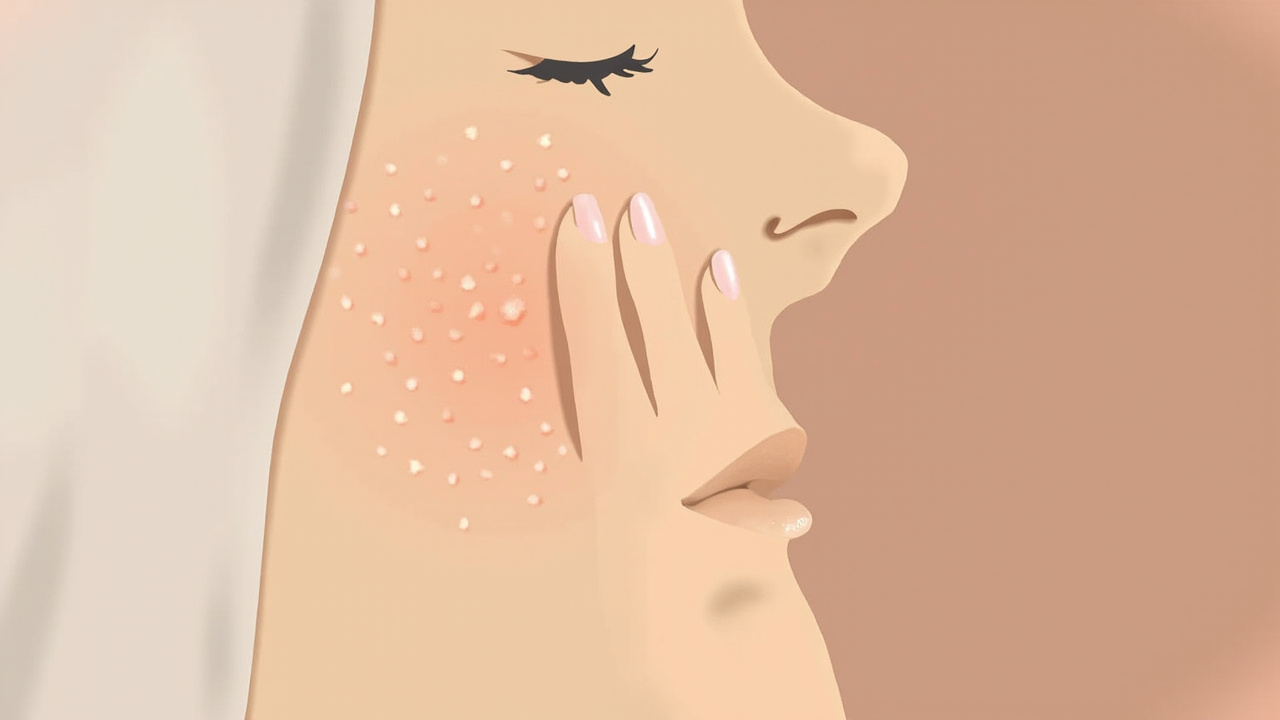
Rosacea is less common in teens than in adults. But it does happen. Studies show about 1-5% of teens have rosacea. Many teens may not know they have it. They might think it is acne or sunburn.
Rosacea can start at any age. Some people first get symptoms in their teens. It is more common in people with fair skin. But it can affect any skin type.
What Causes Rosacea in Teens?
!What Causes Rosacea in Teens?
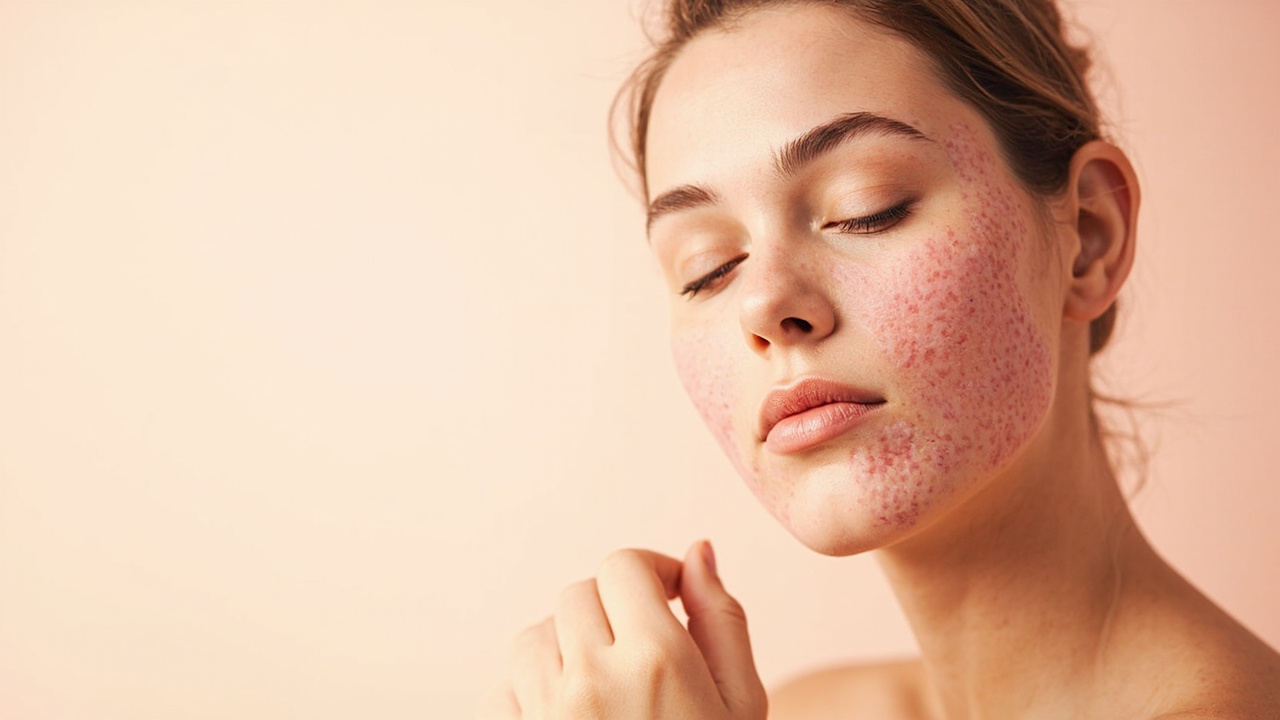
The exact cause is unknown. Experts believe it involves genetics and environment. A family history of rosacea increases risk. Certain factors can trigger flare-ups.
Teens may have triggers like:
- Sun exposure
- Stress
- Hot or cold weather
- Spicy foods
- Caffeine
- Alcohol (though less common in teens)
- Some skincare products
These triggers cause blood vessels to widen. This leads to redness and flushing.
Symptoms of Rosacea in Teens
Symptoms vary from person to person. Common signs include:
- Persistent facial redness
- Visible broken blood vessels (telangiectasias)
- Small red bumps or pustules
- Burning or stinging sensation
- Dry, rough skin
- Swollen eyelids (ocular rosacea)
Symptoms often appear on the central face. They may come and go. Flare-ups can last weeks or months.
Common Triggers
Knowing your triggers helps manage rosacea. Common triggers for teens:
- Sun: UV rays worsen rosacea. Always use sunscreen.
- Stress: Exams, social pressure, or lack of sleep can trigger flare-ups.
- Heat: Hot showers, saunas, or exercise in heat.
- Cold: Wind and cold air can cause redness.
- Spicy foods: Chili, hot sauce, or peppers.
- Hot drinks: Coffee, tea, or hot chocolate.
- Skincare products: Alcohol, fragrances, or harsh ingredients.
- Medications: Some topical steroids can worsen rosacea.
Keep a diary to identify personal triggers.
How Is Rosacea Diagnosed?
A dermatologist diagnoses rosacea. They examine your skin and ask about symptoms. There is no specific test. The doctor looks for:
- Persistent redness
- Visible blood vessels
- Bumps or pustules
- Family history
Sometimes a skin biopsy is done to rule out other conditions. But this is rare.
See a dermatologist if you have:
- Facial redness that does not go away
- Bumps that look like acne but do not respond to acne treatments
- Eye irritation or vision changes
Early diagnosis helps prevent worsening.
Treatment Options for Teens
Treatment aims to control symptoms and prevent flare-ups. It includes skincare and medical treatments.
Skincare Routine Tips
A gentle skincare routine is key. Follow these steps:
Choose products labeled "for sensitive skin" or "non-comedogenic." Test new products on a small area first.
Medical Treatments
A doctor may prescribe:
- Topical medications: Metronidazole, azelaic acid, or ivermectin cream. They reduce redness and bumps.
- Oral antibiotics: Doxycycline or minocycline for moderate to severe cases. Low doses are used to avoid side effects.
- Laser therapy: For visible blood vessels or persistent redness. It is safe for teens but may require multiple sessions.
- Eye drops: For ocular rosacea, artificial tears or antibiotic drops may help.
Do not use over-the-counter acne products. They can worsen rosacea.
When to See a Dermatologist
See a dermatologist if:
- Redness or bumps do not improve with gentle skincare
- Symptoms affect self-esteem or daily life
- You have eye symptoms like redness, dryness, or blurry vision
- You suspect rosacea but are not sure
Dermatologists can create a personalized plan. They can also rule out other conditions like lupus or acne.
Living with Rosacea: Tips for Teens
Living with rosacea can be challenging. Here are tips to manage:
- Know your triggers: Avoid them as much as possible.
- Manage stress: Try deep breathing, exercise, or talking to a friend.
- Protect your skin: Wear sunscreen and a hat outdoors.
- Use gentle products: Stick to a simple routine.
- Cover up: Use green-tinted makeup to neutralize redness.
- Stay cool: Avoid hot showers and overheating.
- Talk to someone: Share your feelings with family or a counselor.
Remember, rosacea is manageable. You are not alone.
Key Takeaways
- Rosacea is a chronic skin condition causing facial redness and bumps.
- It is less common in teens but can occur.
- Triggers include sun, stress, heat, and spicy foods.
- Diagnosis is made by a dermatologist based on symptoms.
- Treatment includes gentle skincare and medical therapies.
- See a dermatologist for proper diagnosis and treatment.
- Lifestyle changes can help control flare-ups.
Frequently Asked Questions
Can rosacea in teens go away on its own?
Rosacea is a chronic condition that does not go away on its own. However, symptoms can be managed with treatment and trigger avoidance.
Is rosacea in teens related to diet?
Yes, certain foods like spicy foods, hot drinks, and alcohol can trigger flare-ups. Keeping a food diary can help identify personal triggers.
Can teens use makeup for rosacea?
Yes, green-tinted makeup or color-correcting concealers can help neutralize redness. Choose non-comedogenic, fragrance-free products.
Does rosacea in teens affect the eyes?
Yes, ocular rosacea can cause dry, red, irritated eyes. See a dermatologist or eye doctor if you have eye symptoms.
Can stress cause rosacea in teens?
Stress is a common trigger for rosacea flare-ups. Managing stress through relaxation techniques can help reduce symptoms.
You May Also Like
Explore more articles in our Health collection:
- Hyperpigmentation in 50s: What to Know
- Lifestyle Changes That Help Dandruff
- Lifestyle Changes That Help Sun Damage
Related Tools
Try these free calculators and quizzes to personalize your routine: