Rosacea in 50s: What to Know

Understanding Rosacea in Your 50s
Rosacea is a chronic skin condition. It causes redness, bumps, and visible blood vessels. It often affects the face. Many people first notice symptoms in their 30s or 40s. But rosacea can appear or worsen in your 50s.
In your 50s, skin changes with age. It becomes thinner and less elastic. This can make rosacea more noticeable. Hormonal shifts during menopause can also trigger flare-ups. Understanding these changes helps you manage the condition.
Rosacea is not contagious. It is not caused by poor hygiene. The exact cause is unknown. But genetics and environmental factors play a role. A family history of rosacea increases your risk.
Common Triggers and Symptoms for Adults Over 50
!Common Triggers and Symptoms for Adults Over 50
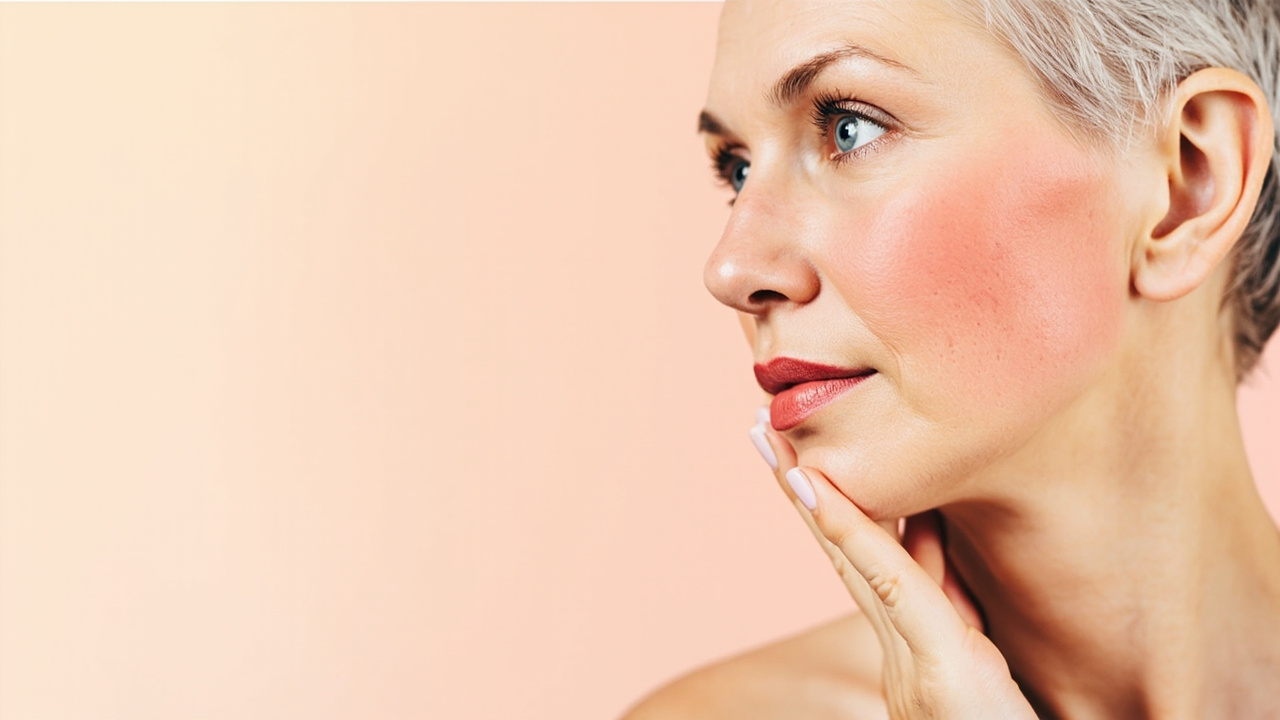
Triggers vary by person. Common triggers include:
- Sun exposure
- Hot or cold weather
- Spicy foods
- Alcohol, especially red wine
- Caffeine
- Stress
- Hot baths or saunas
- Certain skincare products
Symptoms can be mild to severe. They include:
- Persistent redness on the nose, cheeks, chin, or forehead
- Small, red bumps or pustules (similar to acne)
- Visible broken blood vessels (telangiectasias)
- Burning or stinging sensation
- Dry, rough skin
- Eye irritation (ocular rosacea) – dry, red, swollen eyes
In your 50s, symptoms may become more persistent. Flare-ups can last longer. The skin may not recover as quickly.
How Rosacea Differs in Older Adults
!How Rosacea Differs in Older Adults
Rosacea in older adults has unique features:
- Thinner skin: Aging skin is more fragile. Redness and blood vessels are more visible.
- Delayed healing: Skin repairs slower. Flare-ups may take weeks to subside.
- Ocular rosacea common: Eye symptoms affect up to 50% of older patients. It can cause blurred vision if untreated.
- Misdiagnosis risk: Rosacea can be confused with sun damage, eczema, or lupus. A dermatologist can confirm the diagnosis.
- Medication interactions: Older adults often take multiple drugs. Some can worsen rosacea (e.g., topical steroids).
Treatment Options for Rosacea in Your 50s
Treatment aims to control symptoms and prevent progression. No cure exists, but management is effective.
Topical Treatments
Topical medications are applied directly to the skin. They reduce redness and inflammation.
- Metronidazole: Reduces bumps and redness. Use twice daily.
- Azelaic acid: Helps clear bumps and swelling. Available as gel or foam.
- Ivermectin: Treats bumps and pustules. Often used once daily.
- Brimonidine: Constricts blood vessels to reduce redness. Effects last about 12 hours.
- Oxymetazoline: Similar to brimonidine. Reduces facial redness.
Apply gently. Avoid harsh scrubbing. Use a moisturizer after.
Oral Medications
Oral antibiotics fight inflammation. They are for moderate to severe rosacea.
- Doxycycline: Low-dose (40 mg) is common. It reduces bumps and redness. Take with food to avoid stomach upset.
- Minocycline: Another option. May cause dizziness or skin pigmentation.
- Isotretinoin: Reserved for severe cases. It is potent but has side effects. Requires close monitoring.
Oral medications may take 4–8 weeks to show results.
Laser and Light Therapies
These treatments target visible blood vessels and redness.
- Pulsed dye laser: Best for red blood vessels. Multiple sessions needed.
- Intense pulsed light (IPL): Reduces redness and flushing. May also improve skin texture.
- KTP laser: Treats small blood vessels.
Laser therapy is safe for older skin. But recovery may take longer. Side effects include temporary bruising or swelling.
Lifestyle Changes to Manage Rosacea
Simple habits can reduce flare-ups.
- Sun protection: Use broad-spectrum SPF 30+ daily. Wear hats and sunglasses.
- Gentle skincare: Use mild, fragrance-free cleansers. Avoid alcohol-based products.
- Avoid triggers: Keep a diary to identify personal triggers.
- Cool compresses: Soothe redness with a cold cloth.
- Diet adjustments: Limit spicy foods, hot drinks, and alcohol. Eat anti-inflammatory foods like omega-3s.
- Stress management: Try meditation, yoga, or deep breathing.
- Humidifier: Add moisture to dry air. Prevents skin irritation.
When to See a Dermatologist
See a dermatologist if:
- Symptoms interfere with daily life
- Over-the-counter products don't help
- You have eye symptoms (redness, dryness, blurred vision)
- Skin becomes painful or swollen
- You suspect a different condition
A dermatologist can confirm rosacea. They will create a personalized treatment plan. Regular follow-ups are important. Rosacea can change over time.
Key Takeaways
- Rosacea is common in your 50s. Aging skin and hormones can worsen it.
- Common triggers include sun, stress, spicy foods, and alcohol.
- Symptoms: redness, bumps, visible blood vessels, eye irritation.
- Treatments: topical creams, oral antibiotics, laser therapy.
- Lifestyle changes help: sun protection, gentle skincare, trigger avoidance.
- See a dermatologist for proper diagnosis and care.
Frequently Asked Questions
Can rosacea start in your 50s?Yes. Rosacea can first appear at any age, but it is less common to start after 50. However, it can become more noticeable due to aging skin.
Is rosacea related to menopause?Hormonal changes during menopause can trigger or worsen rosacea. Hot flashes and flushing are common.
What is the best treatment for rosacea in older adults?A combination of topical metronidazole, sun protection, and gentle skincare works well. For severe cases, low-dose doxycycline or laser therapy may be recommended.
Can rosacea cause permanent damage?Untreated rosacea can lead to persistent redness, thickening of the skin (rhinophyma), and eye problems. Early treatment prevents complications.
Are there natural remedies for rosacea?Some find relief with green tea extracts, chamomile, or aloe vera. But evidence is limited. Always consult a doctor before trying natural products.
You May Also Like
Explore more articles in our Health collection:
- Best Jade Roller and Gua Sha Tools: Do They Really Work for Skin? A Science-Based Analysis
- The Best Hand Mask for Rosacea: Complete Overview — A Complete Guide to Soothing Relief
- The Busy Parent's Guide to 10-Minute Beauty: Makeup and Hair Fixes for Stressed Strands
Related Tools
Try these free calculators and quizzes to personalize your routine: