Rosacea in 40s: What to Know

Understanding Rosacea in Your 40s
Rosacea is a chronic skin condition. It causes redness, visible blood vessels, and bumps. It often starts after age 30. In your 40s, it can become more noticeable.
Rosacea affects over 16 million Americans. Many first notice symptoms in their 30s and 40s. The exact cause is unknown. It involves genetics, immune system, and environmental factors.
Your 40s bring unique challenges. Hormonal shifts, stress, and lifestyle changes can worsen rosacea. Understanding these factors helps you manage the condition.
Common Triggers and Symptoms for Adults in Their 40s
!Common Triggers and Symptoms for Adults in Their 40s
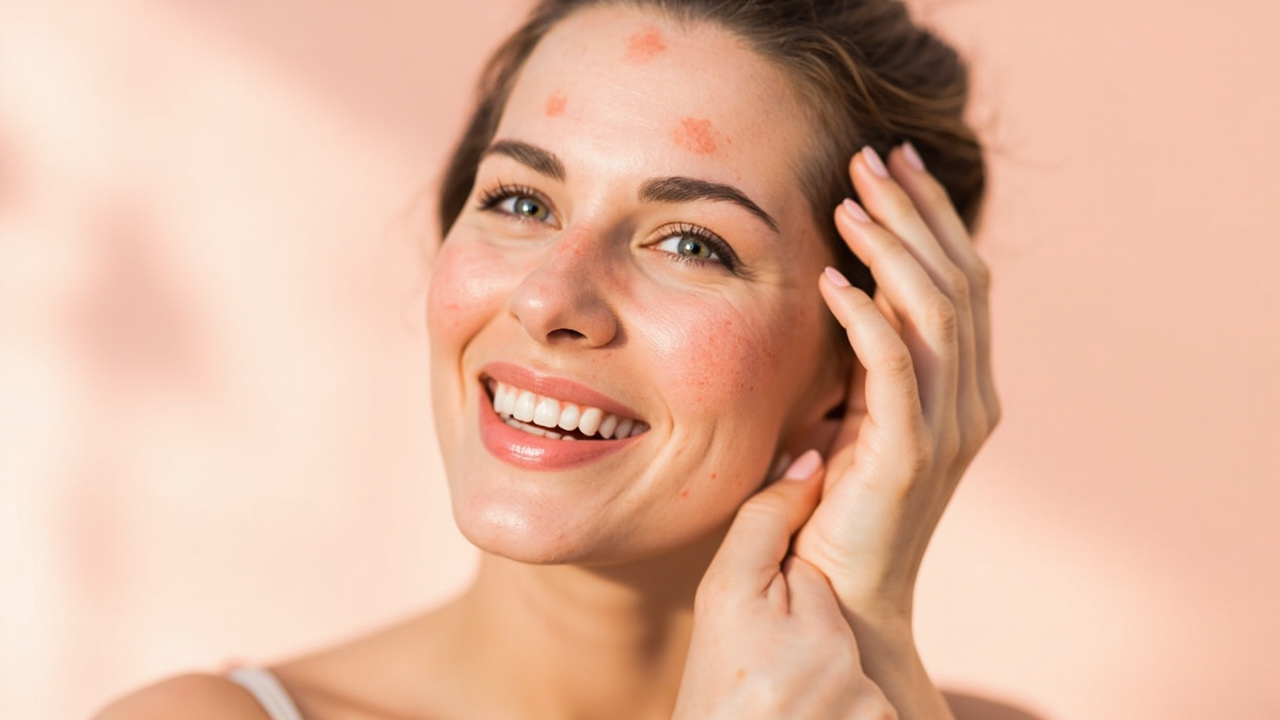
Common symptoms in your 40s include:
- Persistent redness on the face, especially nose, cheeks, forehead, and chin.
- Visible blood vessels (telangiectasias).
- Bumps and pimples that resemble acne.
- Eye irritation (ocular rosacea): dry, itchy, red eyes.
- Thickening of skin (rare, but can occur on nose).
Triggers vary by person. Common triggers in your 40s are:
- Sun exposure – UV rays worsen redness.
- Stress – Increases inflammation.
- Hot or cold weather – Extreme temperatures dilate blood vessels.
- Spicy foods, alcohol, caffeine – Can trigger flushing.
- Skincare products – Harsh ingredients irritate skin.
- Hormonal changes – Menopause or perimenopause can trigger flares.
How Rosacea Differs in Your 40s vs. Other Ages
!How Rosacea Differs in Your 40s vs. Other Ages
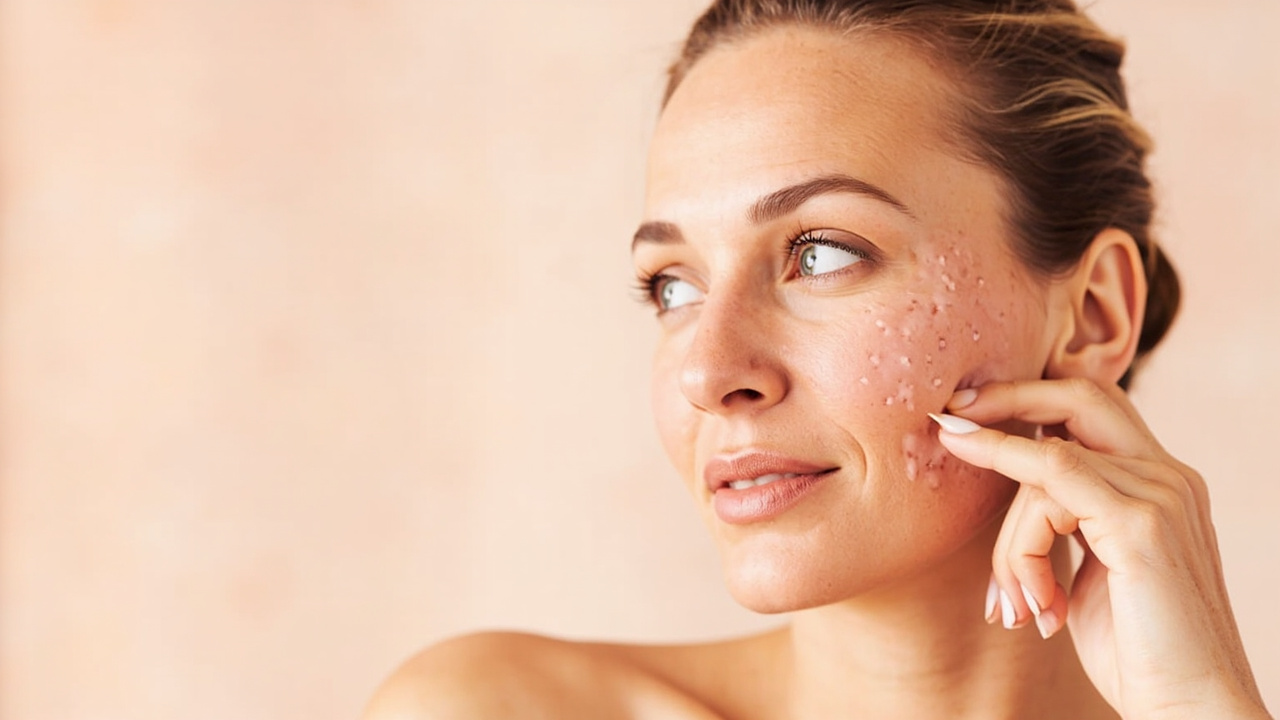
Rosacea in your 40s differs from younger ages. In your 20s and 30s, it may be mild. In your 40s, symptoms can become more persistent.
Hormonal Changes and Rosacea
Hormones play a key role. Perimenopause and menopause cause estrogen drops. This leads to hot flashes and flushing. These can trigger rosacea flares.
- Estrogen helps skin barrier function. Lower levels make skin more sensitive.
- Progesterone changes can also affect blood vessels.
- Stress hormones like cortisol increase inflammation.
Lifestyle Factors That Worsen Rosacea
Your 40s often bring lifestyle changes:
- Career demands – More stress.
- Family responsibilities – Less time for self-care.
- Diet changes – More convenience foods, which may include triggers.
- Alcohol consumption – Social drinking may increase.
- Sleep deprivation – Poor sleep weakens skin barrier.
These factors can make rosacea harder to control.
Treatment Options for Rosacea in Your 40s
Treatment focuses on controlling symptoms and preventing flares. It often combines skincare, lifestyle changes, and medical treatments.
Skincare Routine Tips
A gentle routine is essential. Follow these steps:
- Cleanse: Use a mild, non-foaming cleanser. Avoid scrubbing.
- Moisturize: Apply a fragrance-free moisturizer. Look for ceramides or niacinamide.
- Sun protection: Use broad-spectrum SPF 30+ daily. Physical sunscreens (zinc oxide, titanium dioxide) are less irritating.
- Avoid irritants: Skip alcohol, menthol, witch hazel, and exfoliants.
- Patch test: Test new products on a small area.
Medical Treatments and Procedures
If skincare isn't enough, see a dermatologist. Options include:
- Topical medications:
- Metronidazole – Reduces inflammation.
- Azelaic acid – Treats bumps and redness.
- Ivermectin – Targets Demodex mites (a possible trigger).
- Brimonidine – Temporarily reduces redness.
- Oral medications:
- Doxycycline – Low-dose anti-inflammatory.
- Isotretinoin – For severe cases.
- Laser and light therapies:
- Intense pulsed light (IPL) – Reduces redness and blood vessels.
- Vascular laser – Targets visible vessels.
- Other procedures:
- Electrocautery – Removes blood vessels.
- Dermabrasion – For thickened skin.
When to See a Dermatologist
See a dermatologist if:
- Symptoms interfere with daily life.
- Over-the-counter products don't help.
- You have eye symptoms (redness, pain, vision changes).
- Skin becomes thickened or bumpy.
- You experience severe flushing or persistent redness.
Early treatment prevents progression. A dermatologist can create a personalized plan.
Key Takeaways
- Rosacea in your 40s is common and manageable.
- Hormonal changes and lifestyle factors play a big role.
- Gentle skincare and sun protection are foundational.
- Medical treatments like topical creams and lasers can help.
- See a dermatologist for persistent or severe symptoms.
Frequently Asked Questions
1. Can rosacea develop suddenly in your 40s?Yes, rosacea can appear for the first time in your 40s. Hormonal changes and stress are common triggers.
2. Is rosacea related to menopause?Yes, menopause can trigger or worsen rosacea due to hormonal fluctuations and hot flashes.
3. What skincare ingredients should I avoid?Avoid alcohol, menthol, camphor, witch hazel, exfoliating acids, and fragrances. These can irritate skin.
4. Can diet affect rosacea?Yes, spicy foods, alcohol, hot drinks, and histamine-rich foods (e.g., aged cheese) can trigger flares. Keep a food diary.
5. Is rosacea curable?No, but it can be effectively managed with treatment and lifestyle changes. Symptoms can go into remission.
Citations
You May Also Like
Explore more articles in our Health collection:
- From Red Carpet to Wash Day: How Celebrity Hair Secrets and Cosmetic Innovations Are Redefining Beauty Standards
- Glycolic Acid vs Green Tea Extract: Pros, Cons, and How to Choose
- How Much Biotin Do You Need Daily?
Related Tools
Try these free calculators and quizzes to personalize your routine: