Rosacea in 30s: What to Know

Rosacea in 30s: What to Know
Understanding Rosacea in Your 30s
What Is Rosacea?
Rosacea is a chronic skin condition. It causes redness, visible blood vessels, and bumps on the face. It often affects the cheeks, nose, chin, and forehead. The exact cause is unknown. Genetics and environmental factors play a role. Rosacea is not contagious. It can flare up and then improve.
Why Does Rosacea Often Appear in Your 30s?
Many people first notice rosacea in their 30s. This is a common time for onset. Hormonal changes may trigger it. Stress from career and family can contribute. Sun damage accumulates over time. The skin's barrier weakens with age. These factors make the 30s a peak time for rosacea.
Common Triggers and Symptoms
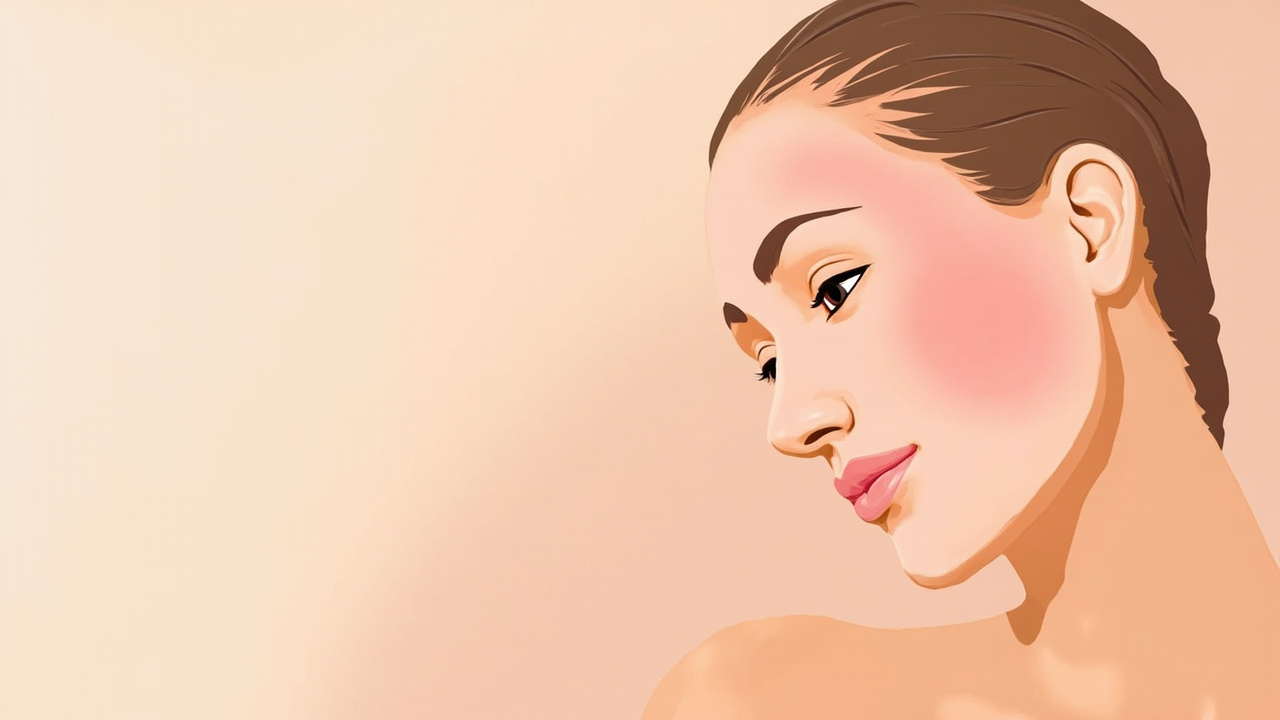
Identifying Your Triggers
Triggers vary by person. Common triggers include:
- Sun exposure
- Hot or cold weather
- Spicy foods
- Alcohol, especially red wine
- Caffeine
- Stress
- Intense exercise
- Harsh skincare products
- Certain medications
Keep a diary to track flare-ups. Note what you ate, drank, and did. This helps you identify personal triggers. Avoiding triggers can reduce flare-ups.
Symptoms Unique to Adults in Their 30s
Rosacea symptoms can differ in your 30s. You may see:
- Persistent facial redness
- Small, red bumps or pustules (look like acne)
- Visible blood vessels (telangiectasias)
- Flushing or blushing easily
- Dry, rough skin
- Stinging or burning sensation
- Swollen, red eyelids (ocular rosacea)
In your 30s, rosacea can be mistaken for adult acne. A dermatologist can tell the difference. Early treatment prevents worsening.
Treatment Options for Rosacea
!Treatment Options for Rosacea
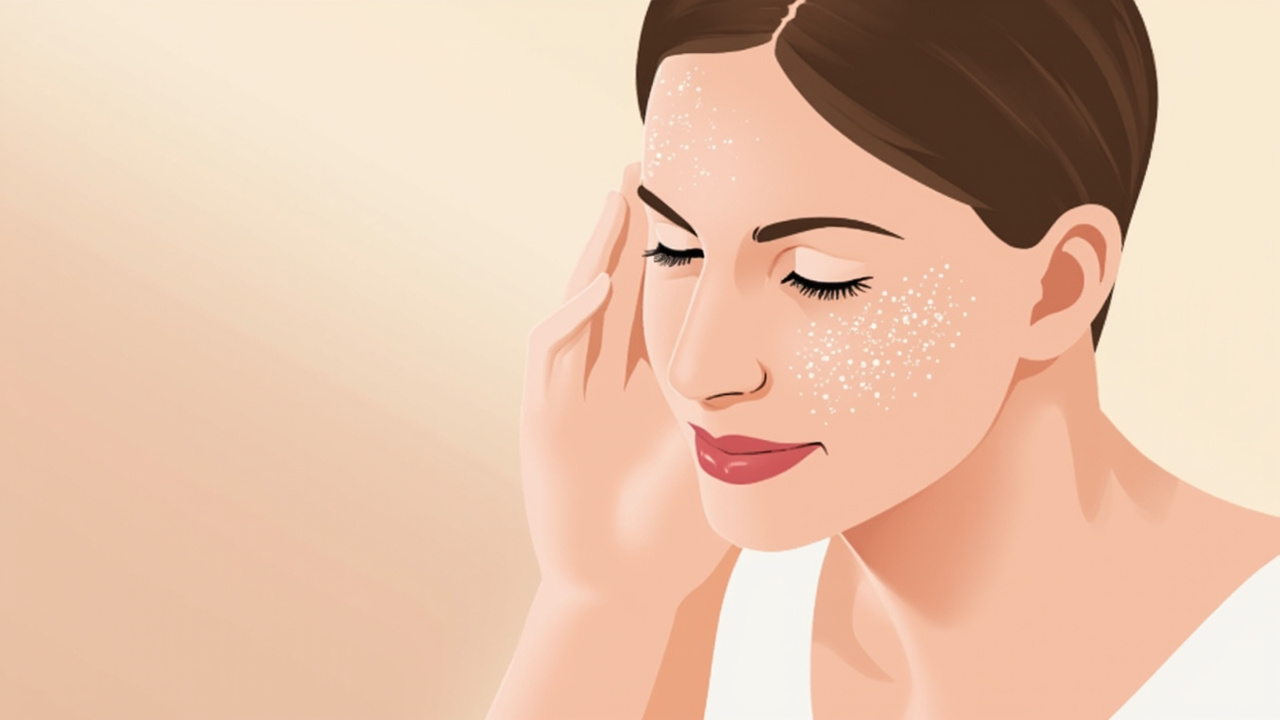
Skincare Routine Tips
A gentle skincare routine is key. Follow these steps:
- Cleanse with a mild, non-foaming cleanser.
- Avoid scrubs or exfoliants with beads.
- Use lukewarm water, not hot.
- Pat skin dry; do not rub.
- Apply a moisturizer with ceramides or niacinamide.
- Use a sunscreen with SPF 30+ every day.
- Choose mineral sunscreens (zinc oxide or titanium dioxide).
- Avoid products with alcohol, fragrance, or menthol.
Test new products on a small area first. Introduce one product at a time.
Medical Treatments and Procedures
If skincare is not enough, see a dermatologist. Options include:
- Topical medications: Metronidazole, azelaic acid, ivermectin, or brimonidine.
- Oral antibiotics: Doxycycline or minocycline for bumps and redness.
- Laser therapy: Intense pulsed light (IPL) or pulsed dye laser for visible blood vessels.
- Other procedures: Electrocautery or photodynamic therapy.
Prescription treatments can take weeks to work. Consistency is important. Do not stop without consulting your doctor.
Lifestyle Adjustments to Manage Rosacea
Diet and Stress Management
Diet can affect rosacea. Avoid known triggers:
- Spicy foods
- Hot beverages
- Alcohol
- Histamine-rich foods (aged cheese, fermented foods)
- Cinnamon, chocolate, tomatoes
Eat anti-inflammatory foods like:
- Leafy greens
- Fatty fish (salmon, mackerel)
- Berries
- Nuts
Stress management helps. Try:
- Deep breathing
- Meditation
- Yoga
- Adequate sleep
- Regular exercise (avoid overheating)
Sun Protection and Environmental Factors
Sun is a top trigger. Protect your skin daily:
- Wear broad-spectrum sunscreen SPF 30+.
- Reapply every 2 hours if outdoors.
- Wear a wide-brimmed hat.
- Seek shade during peak sun (10 am – 4 pm).
- Avoid tanning beds.
Other tips:
- Use a humidifier in dry climates.
- Avoid extreme temperatures (hot baths, saunas).
- Protect face from wind with a scarf.
When to See a Dermatologist
See a dermatologist if:
- You have persistent redness or bumps.
- Over-the-counter products do not help.
- Symptoms affect your self-esteem.
- You have eye symptoms (dryness, redness, swelling).
- You notice skin thickening, especially on the nose.
Early treatment can prevent complications. A dermatologist can create a personalized plan.
Frequently Asked Questions About Rosacea in Your 30s
1. Can rosacea in your 30s go away on its own?No, rosacea is chronic. It may improve with treatment but rarely disappears completely. Management is key.
2. Is rosacea in your 30s related to acne?Rosacea can look like acne, but it is different. Acne involves blackheads and whiteheads; rosacea does not. A dermatologist can diagnose correctly.
3. Can diet cure rosacea?Diet alone cannot cure rosacea, but avoiding trigger foods can reduce flare-ups. Anti-inflammatory foods may help.
4. Is rosacea hereditary?Yes, genetics play a role. If a family member has rosacea, you are more likely to develop it.
5. Can makeup worsen rosacea?Some makeup can irritate rosacea. Choose products labeled "non-comedogenic," "fragrance-free," and "for sensitive skin." Mineral makeup is often well-tolerated.
Key Takeaways
- Rosacea often starts in your 30s due to genetics, hormones, and lifestyle.
- Common triggers include sun, stress, spicy foods, and alcohol.
- Symptoms: redness, bumps, visible blood vessels, flushing.
- Use a gentle skincare routine with sunscreen daily.
- Medical treatments: topical creams, oral antibiotics, laser therapy.
- Lifestyle changes: avoid triggers, manage stress, protect from sun.
- See a dermatologist for proper diagnosis and treatment.
Managing rosacea takes patience. With the right approach, you can control symptoms and maintain healthy skin.
You May Also Like
Explore more articles in our Health collection:
Related Tools
Try these free calculators and quizzes to personalize your routine: