Lifestyle Changes That Help Thinning Hair

Understanding Thinning Hair: Causes and Concerns
Thinning hair affects millions. It can happen gradually or suddenly. Causes include genetics, hormones, stress, and nutrition.
- Genetics: Androgenetic alopecia is the most common cause. It affects both men and women.
- Hormones: Thyroid imbalances, pregnancy, and menopause can trigger hair loss.
- Stress: Telogen effluvium is a temporary shedding after stress.
- Nutrition: Deficiencies in iron, zinc, and vitamins can weaken hair.
Early action helps. Lifestyle changes can slow or reverse thinning.
Nutrition and Diet for Healthier Hair
!Nutrition and Diet for Healthier Hair

What you eat directly affects hair growth. Hair follicles need nutrients to produce strong strands.
Key Nutrients to Include
- Protein: Hair is made of keratin (a protein). Eat lean meats, eggs, beans, and nuts.
- Iron: Low iron causes shedding. Sources: spinach, red meat, lentils.
- Zinc: Helps repair hair tissue. Found in oysters, seeds, and whole grains.
- Vitamin D: Deficiency linked to alopecia. Get from sunlight, fatty fish, or supplements.
- Omega-3s: Reduce inflammation. Eat salmon, walnuts, and flaxseeds.
- Biotin: Supports keratin production. Eggs, almonds, and sweet potatoes.
Foods to Avoid
- Sugar: Increases inflammation. Limit sweets and soda.
- Processed foods: Often lack nutrients. Choose whole foods.
- High-mercury fish: Can be toxic. Avoid shark, swordfish, and king mackerel.
- Excessive alcohol: Impairs nutrient absorption.
Stress Management and Its Impact on Hair
!Stress Management and Its Impact on Hair
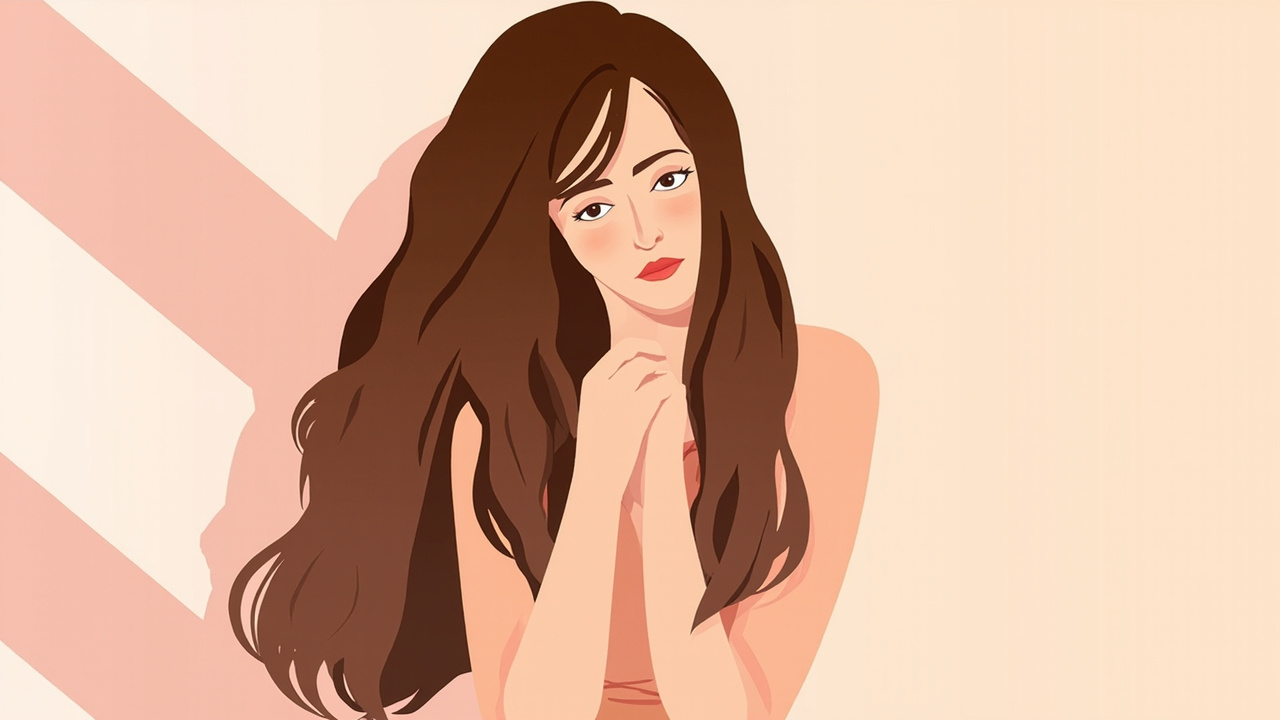
Stress triggers hair loss. It pushes follicles into a resting phase. This is called telogen effluvium.
- Practice relaxation: Try meditation, deep breathing, or yoga.
- Exercise regularly: Reduces cortisol (stress hormone). Aim for 30 minutes daily.
- Sleep well: Poor sleep increases stress. Get 7-9 hours.
- Limit caffeine: Too much can raise anxiety.
Hair Care Routine Adjustments
How you treat your hair matters. Gentle care prevents breakage and protects follicles.
Gentle Washing and Styling
- Wash less often: Overwashing strips natural oils. Aim for 2-3 times a week.
- Use lukewarm water: Hot water damages hair.
- Pat dry: Rubbing with a towel causes breakage. Use a microfiber towel.
- Avoid tight hairstyles: Ponytails, buns, and braids pull on roots. Loosen them.
- Limit brushing: Brush only when dry. Use a wide-tooth comb.
Choosing the Right Products
- Mild shampoos: Avoid sulfates and parabens. Look for "gentle" or "for thinning hair."
- Conditioner: Use on ends only. Avoid roots to prevent greasiness.
- Avoid alcohol-based products: They dry out hair.
- Scalp treatments: Some contain minoxidil (FDA-approved). Consult a doctor first.
Lifestyle Habits That Promote Hair Growth
Your daily habits influence hair health. Small changes add up.
Sleep and Exercise
- Sleep: Hair grows during rest. Lack of sleep disrupts growth cycles.
- Exercise: Boosts blood flow to scalp. It also reduces stress.
- Scalp massage: Increases circulation. Do it for 5 minutes daily.
Avoiding Heat and Chemical Damage
- Limit heat styling: Flat irons, curling irons, and blow dryers weaken hair.
- Use heat protectant: If you must style, apply a protectant spray.
- Avoid harsh chemicals: Bleaches, perms, and relaxers damage hair. Space out treatments.
- Protect from sun: UV rays harm hair. Wear a hat or use UV-protectant products.
When to Seek Professional Help
Lifestyle changes may not be enough. See a dermatologist if:
- You notice sudden or patchy hair loss.
- You have a family history of baldness.
- You experience itching, redness, or scaling on scalp.
- Diet and stress changes don't help after 6 months.
A doctor can diagnose underlying conditions. They may prescribe medications like minoxidil or finasteride. Blood tests can check for deficiencies.
Important: Do not self-diagnose. Some hair loss is reversible with early treatment.Key Takeaways
- Thinning hair has many causes. Lifestyle changes can help.
- Eat a nutrient-rich diet with protein, iron, zinc, and vitamins.
- Manage stress through relaxation and exercise.
- Use gentle hair care products and avoid heat.
- See a dermatologist if hair loss persists.
FAQ
Q: Can stress cause permanent hair loss?A: Usually no. Stress-related hair loss is temporary. Once stress is managed, hair often grows back within 6-9 months.
Q: How long does it take for diet changes to affect hair?A: Hair grows slowly. You may see improvement in 3-6 months after correcting deficiencies.
Q: Does frequent washing cause thinning?A: No, but harsh washing can damage hair. Use gentle products and wash less often to maintain scalp health.
Q: Are supplements necessary for hair growth?A: Only if you have deficiencies. Get nutrients from food first. Consult a doctor before taking supplements.
Q: When should I see a dermatologist for thinning hair?A: If you have sudden or patchy loss, scalp inflammation, or no improvement after lifestyle changes for 6 months.
You May Also Like
Explore more articles in our Beauty collection:
- When to See a Dermatologist for Frizzy Hair
- Best Face Moisturizer for Dandruff: A Complete Guide to Soothing Flaky, Irritated Skin
- Best Stick Foundation for Dry Skin: The Ultimate Guide to a Hydrating, Flawless Finish
Related Tools
Try these free calculators and quizzes to personalize your routine: