Lifestyle Changes That Help Hyperpigmentation

Understanding Hyperpigmentation and Its Causes
Hyperpigmentation is a common skin condition. It causes patches of skin to become darker than the surrounding area. This happens due to excess melanin production. Melanin is the pigment that gives skin its color.
Several factors trigger hyperpigmentation:
- Sun exposure: UV rays stimulate melanin production.
- Hormonal changes: Pregnancy, birth control pills, or hormone therapy can cause melasma.
- Inflammation: Acne, eczema, or injuries can lead to post-inflammatory hyperpigmentation.
- Medications: Some drugs increase melanin.
- Medical conditions: Addison's disease or hemochromatosis.
Common types include:
- Melasma: Brown patches on the face, often from hormones and sun.
- Sunspots: Also called liver spots, from chronic sun exposure.
- Post-inflammatory hyperpigmentation: After skin injury or inflammation.
Understanding the cause is key to treatment. Lifestyle changes can help manage and prevent hyperpigmentation.
How Lifestyle Changes Can Improve Hyperpigmentation
!How Lifestyle Changes Can Improve Hyperpigmentation
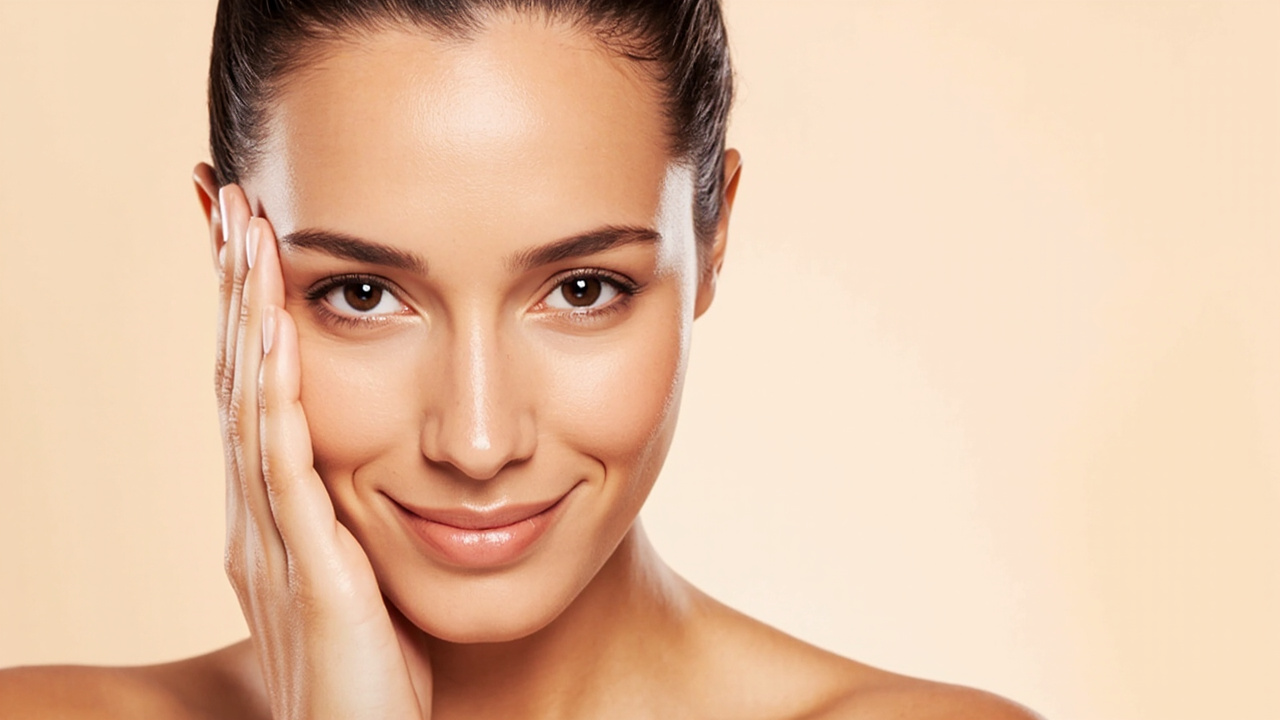
Lifestyle changes address root causes. They complement medical treatments. These changes are safe and effective for most people.
Key lifestyle modifications include:
- Protecting skin from the sun.
- Eating a balanced diet.
- Using proper skincare.
- Managing stress and sleep.
- Avoiding irritants.
These steps reduce melanin production and promote skin healing. They also improve overall skin health. Consistency is important. Results take time, often weeks to months.
Sun Protection: The Most Critical Change
!Sun Protection: The Most Critical Change

Sun exposure is the primary trigger for hyperpigmentation. UV rays worsen existing spots and cause new ones. Sun protection is non-negotiable.
Use Broad-Spectrum Sunscreen
- Apply SPF 30 or higher daily.
- Choose broad-spectrum protection (UVA and UVB).
- Reapply every two hours, or after swimming or sweating.
- Use water-resistant formulas if active.
Wear Protective Clothing
- Hats with wide brims.
- Sunglasses with UV protection.
- Long sleeves and pants when possible.
- Look for UPF-rated clothing.
Seek Shade
- Avoid peak sun hours (10 a.m. to 4 p.m.).
- Stay under umbrellas or trees.
- Use sunshades at the beach.
Avoid Tanning Beds
- They emit UV radiation.
- They increase hyperpigmentation risk.
- They also raise skin cancer risk.
Consistent sun protection prevents further darkening. It also allows other treatments to work better.
Dietary Adjustments for Clearer Skin
Diet influences skin health. Certain nutrients can help reduce hyperpigmentation.
Antioxidant-Rich Foods
Antioxidants fight free radicals. Free radicals damage skin and increase pigmentation.
- Vitamin C: Citrus fruits, bell peppers, strawberries.
- Vitamin E: Nuts, seeds, spinach.
- Beta-carotene: Carrots, sweet potatoes, kale.
- Polyphenols: Green tea, dark chocolate, berries.
Foods with Tyrosinase Inhibitors
Tyrosinase is an enzyme that produces melanin. Inhibiting it can lighten skin.
- Soy: Contains isoflavones.
- Aloe vera: Has aloin, a tyrosinase inhibitor.
- Green tea: Contains EGCG.
- Licorice extract: Contains glabridin.
Omega-3 Fatty Acids
They reduce inflammation. Inflammation can worsen hyperpigmentation.
- Fatty fish: Salmon, mackerel, sardines.
- Flaxseeds, chia seeds, walnuts.
Stay Hydrated
Water keeps skin hydrated and healthy. Dehydration can make skin dull.
- Drink at least 8 glasses of water daily.
- Eat water-rich foods like cucumber and watermelon.
Limit Sugar and Processed Foods
High sugar intake can cause glycation. This damages collagen and worsens pigmentation. Processed foods often contain unhealthy fats and additives.
Skincare Routine Modifications
A proper skincare routine can fade hyperpigmentation. Use gentle products that support skin turnover.
Cleansing
- Use a mild, non-stripping cleanser.
- Avoid harsh soaps or scrubs.
- Cleanse twice daily.
Exfoliation
- Helps remove dead skin cells.
- Use chemical exfoliants like AHAs (glycolic acid) or BHAs (salicylic acid).
- Start with low concentrations (5-10% AHA).
- Exfoliate 2-3 times per week.
- Avoid over-exfoliating, which can cause irritation.
Targeted Treatments
- Vitamin C serum: Antioxidant that brightens skin. Use in the morning.
- Niacinamide: Reduces melanin transfer. Use after cleansing.
- Retinoids: Speed up cell turnover. Use at night. Start with low strength.
- Kojic acid: Inhibits tyrosinase. Found in serums and creams.
- Azelaic acid: Reduces inflammation and pigmentation. Good for acne-prone skin.
Moisturize
- Keeps skin barrier healthy.
- Choose a moisturizer for your skin type.
- Look for ingredients like ceramides, hyaluronic acid.
Be Patient
Results take time. Consistent use for 8-12 weeks is typical. Do not use multiple strong actives at once. Introduce one new product at a time.
Stress Management and Sleep
Stress and poor sleep affect hormones. They can trigger or worsen hyperpigmentation.
How Stress Affects Skin
- Stress increases cortisol levels.
- Cortisol can stimulate melanin production.
- Stress also worsens inflammation.
Stress-Reduction Techniques
- Meditation: Even 5 minutes daily helps.
- Deep breathing: Inhale for 4 seconds, hold for 4, exhale for 4.
- Exercise: Releases endorphins. Aim for 30 minutes most days.
- Yoga or tai chi: Combine movement and mindfulness.
- Hobbies: Engage in activities you enjoy.
Importance of Sleep
- Sleep allows skin to repair.
- Lack of sleep increases stress hormones.
- Aim for 7-9 hours per night.
- Maintain a consistent sleep schedule.
- Create a relaxing bedtime routine.
Tips for Better Sleep
- Avoid screens 1 hour before bed.
- Keep bedroom cool and dark.
- Limit caffeine and alcohol in the evening.
Avoiding Skin Irritants
Irritation can worsen hyperpigmentation. Protect your skin from unnecessary stress.
Harsh Products
- Avoid alcohol-based toners.
- Skip harsh physical scrubs.
- Do not use strong astringents.
Fragrances and Dyes
- Can cause allergic reactions.
- Choose fragrance-free products.
- Look for "hypoallergenic" labels.
Over-Exfoliation
- Damages skin barrier.
- Leads to redness and inflammation.
- Stick to recommended frequency.
Picking or Scratching
- Can cause post-inflammatory hyperpigmentation.
- Do not pop pimples or pick at scabs.
- If needed, use a pimple patch.
Hot Water
- Strips natural oils.
- Use lukewarm water for washing face and body.
Tight Clothing
- Can cause friction and irritation.
- Wear loose, breathable fabrics.
When to See a Dermatologist
Lifestyle changes help, but not all hyperpigmentation resolves on its own. See a dermatologist if:
- Spots are spreading or changing shape.
- You have a history of skin cancer.
- Home treatments show no improvement after 3 months.
- Hyperpigmentation affects your quality of life.
- You have an underlying medical condition.
A dermatologist can:
- Diagnose the type of hyperpigmentation.
- Prescribe stronger treatments (e.g., hydroquinone, tretinoin).
- Perform procedures like chemical peels, laser therapy, or microdermabrasion.
- Rule out serious conditions.
Early intervention prevents worsening. Do not self-diagnose if unsure.
Key Takeaways
- Sun protection is the most important lifestyle change.
- Eat a diet rich in antioxidants and tyrosinase inhibitors.
- Use a gentle skincare routine with proven ingredients.
- Manage stress and prioritize sleep.
- Avoid skin irritants and harsh products.
- See a dermatologist if hyperpigmentation persists or concerns you.
- Consistency and patience are essential for results.
Frequently Asked Questions
Can lifestyle changes alone cure hyperpigmentation?
Lifestyle changes can significantly improve hyperpigmentation, but they may not completely cure it, especially for stubborn types like melasma. They are best combined with dermatologist-recommended treatments.
How long does it take to see results from lifestyle changes?
Results vary, but typically 8-12 weeks of consistent sun protection, diet, and skincare are needed to notice visible improvement.
Does vitamin C really help with hyperpigmentation?
Yes, vitamin C is an antioxidant that inhibits melanin production and brightens skin. Use a stable form like L-ascorbic acid in the morning.
Can stress cause hyperpigmentation?
Stress increases cortisol, which can stimulate melanin production and worsen inflammation, potentially triggering or worsening hyperpigmentation.
Is it safe to use multiple brightening products at once?
No, using too many active ingredients can irritate skin. Introduce one product at a time and monitor your skin's response.
You May Also Like
Explore more articles in our Health collection:
- How to Fix Brassiness: A Complete Guide to Neutralizing Unwanted Warm Tones
- How to Get Rid of Age Spots: Liver Spot Treatments That Actually Work According to Dermatologists
- How to Get Rid of Dark Spots: A Complete Step-by-Step Guide
Related Tools
Try these free calculators and quizzes to personalize your routine: