Lifestyle Changes That Help Frizzy Hair

Introduction: Understanding Frizzy Hair and Lifestyle Factors
Frizzy hair is a common concern. It occurs when the hair cuticle lifts, allowing moisture to enter and swell the hair shaft. This leads to a rough, unruly texture. Genetics play a role, but lifestyle factors are equally important. Hydration, diet, hair care habits, and environment all affect frizz. By making targeted lifestyle changes, you can improve hair texture and manage frizz effectively.
Hydration and Diet for Hair Health
!Hydration and Diet for Hair Health
Hydration is key. Dehydrated hair is more prone to frizz. Drink at least 8 glasses of water daily. Use a humidifier in dry climates to add moisture to the air. Diet impacts hair structure. Include these nutrients:
- Omega-3 fatty acids: Found in salmon, walnuts, and flaxseeds. They nourish the scalp and hair follicles.
- Biotin: Eggs, almonds, and sweet potatoes support keratin production.
- Vitamin E: Sunflower seeds and spinach protect against oxidative stress.
- Zinc: Oysters and chickpeas promote hair repair.
Avoid crash diets and excessive sugar. They can strip hair of essential nutrients.
Hair Care Routine Adjustments
!Hair Care Routine Adjustments
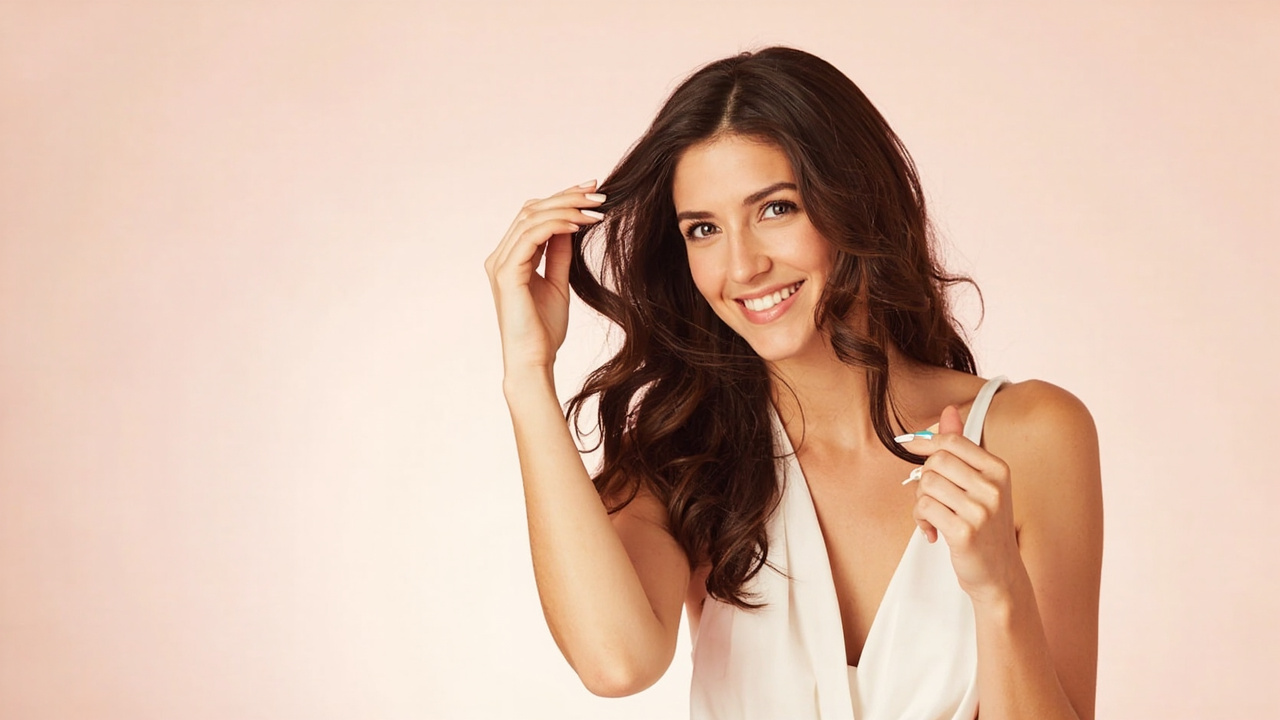
Washing and Conditioning Techniques
- Use sulfate-free shampoos: Sulfates strip natural oils, causing dryness and frizz.
- Wash less frequently: 2-3 times per week is ideal. Overwashing removes moisture.
- Condition thoroughly: Apply conditioner from mid-length to ends. Leave it on for 3-5 minutes.
- Deep condition weekly: Use a moisturizing mask. Look for ingredients like shea butter or glycerin.
- Avoid hot water: Rinse with lukewarm or cool water to seal the cuticle.
Drying and Styling Habits
- Pat dry with a microfiber towel: Rough terry cloth causes friction. Microfiber reduces frizz.
- Air dry when possible: Heat styling damages the cuticle. If you must blow-dry, use a diffuser on low heat.
- Use heat protectant: Apply a serum or spray before any heat tool.
- Limit brushing: Brush only when dry with a wide-tooth comb. Brushing wet hair stretches and breaks it.
- Avoid tight hairstyles: Ponytails and buns can cause traction alopecia. Use soft hair ties.
Environmental and Lifestyle Habits
Humidity and Weather Protection
- Anti-humidity products: Use leave-in conditioners or serums with silicones or oils. They form a barrier against moisture.
- Wear a hat or scarf: In rain or high humidity, cover your hair.
- Use a silk or satin pillowcase: Reduces friction and prevents moisture loss.
Sleep and Stress Management
- Sleep on silk: Silk pillowcases cause less friction than cotton. They help retain moisture.
- Protect hair at night: Use a loose braid or a silk bonnet.
- Manage stress: Chronic stress increases cortisol, which can disrupt hair growth and increase frizz. Practice meditation, yoga, or deep breathing.
- Exercise regularly: Improves blood circulation to the scalp. But rinse hair after sweating to avoid salt buildup.
Conclusion
You May Also Like
Explore more articles in our Beauty collection:
- Top Face Serum for Damaged Hair in 2026
- Top Sunscreen for Thinning Hair in 2026
- Weekly Hair Loss Treatment Routine: Consistency and Patience
Lifestyle changes take time. Stick to a routine for at least 3 months to see results. If frizz persists despite these changes, consult a dermatologist. They can check for underlying conditions like thyroid disorders or nutrient deficiencies. Remember, frizzy hair is manageable with consistent care.
Key Takeaways
- Hydrate internally and externally for hair moisture.
- Eat a balanced diet rich in omega-3s, biotin, and zinc.
- Use gentle, sulfate-free shampoos and condition regularly.
- Avoid heat styling and harsh drying methods.
- Protect hair from humidity and friction while sleeping.
- Manage stress to reduce hormonal effects on hair.
- See a dermatologist if frizz is severe or accompanied by hair loss.
Frequently Asked Questions
Q: Can drinking more water reduce frizz?A: Yes, hydration improves hair moisture from within, reducing frizz.
Q: How often should I wash frizzy hair?A: Wash 2-3 times per week with a sulfate-free shampoo to retain natural oils.
Q: Does diet really affect frizz?A: Yes, nutrients like omega-3s and biotin strengthen hair and reduce frizz.
Q: Is it better to air dry or blow dry frizzy hair?A: Air drying is gentler. If blow-drying, use a diffuser on low heat.
Q: When should I see a dermatologist for frizzy hair?A: If frizz is sudden, severe, or accompanied by hair loss, scalp issues, or other symptoms.
Citations
Related Tools
Try these free calculators and quizzes to personalize your routine: