Lifestyle Changes That Help Fine Lines

Introduction: Understanding Fine Lines and Lifestyle
Fine lines are small, shallow wrinkles that appear on the face, especially around the eyes, mouth, and forehead. They develop as skin loses collagen and elastin, two proteins that keep it firm and smooth. While aging is natural, lifestyle choices accelerate or slow this process.
Your daily habits—what you eat, how you sleep, and how you protect your skin—directly impact skin health. This article explains proven lifestyle changes that help fine lines. These strategies are supported by dermatologists and medical research.
Small adjustments can make a big difference. Consistency is key. Let’s explore.
Hydration and Diet for Skin Elasticity
!Hydration and Diet for Skin Elasticity

Foods Rich in Antioxidants and Collagen
Diet plays a major role in skin health. Antioxidants fight free radicals—unstable molecules that damage collagen. Collagen is the building block of firm skin. To support collagen production, eat foods rich in:
- Vitamin C: Oranges, strawberries, bell peppers, broccoli. Vitamin C is essential for collagen synthesis.
- Vitamin E: Almonds, sunflower seeds, spinach. It protects cell membranes.
- Beta-carotene: Carrots, sweet potatoes, kale. The body converts it to vitamin A, which aids skin repair.
- Omega-3 fatty acids: Salmon, walnuts, flaxseeds. They reduce inflammation.
Include protein-rich foods like lean meat, eggs, and beans. Amino acids from protein are necessary for collagen production. Bone broth, fish skin, and chicken skin contain collagen directly, but eating them doesn’t guarantee collagen reaches your skin—your body breaks it down. Focus on a balanced diet.
Importance of Water Intake
Hydration plumps skin cells, reducing the appearance of fine lines. Dehydrated skin looks dull and accentuates wrinkles.
- Aim for 8 glasses of water daily. Adjust based on activity and climate.
- Eat water-rich foods: cucumber, watermelon, celery.
- Limit diuretics like caffeine and alcohol—they increase water loss.
Proper hydration helps maintain skin elasticity. It also supports overall health.
Sleep and Stress Management
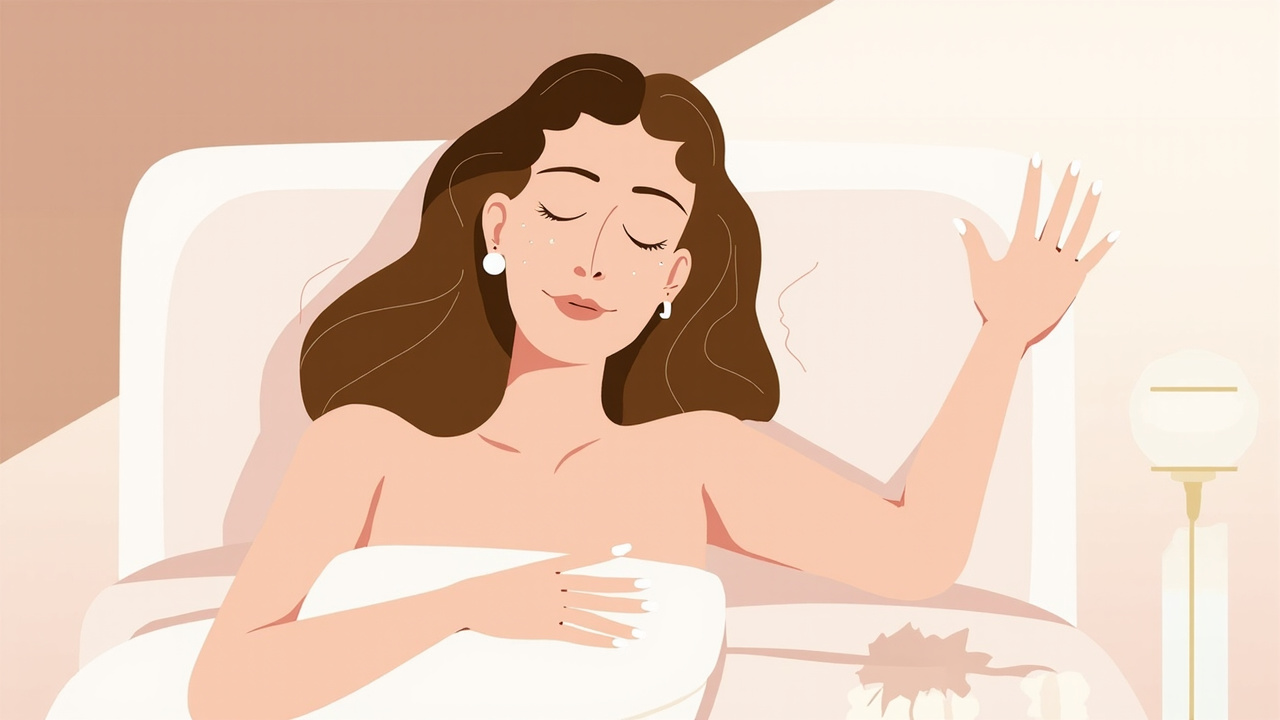
How Sleep Affects Skin Repair
During deep sleep, your body repairs cells, including skin cells. Growth hormone is released, stimulating collagen production. Lack of sleep raises cortisol levels, which breaks down collagen.
- Adults need 7–9 hours of quality sleep per night.
- Sleep on your back to avoid sleep lines (creases from pillows).
- Use silk pillowcases—they cause less friction than cotton.
Poor sleep accelerates aging. Prioritize a consistent sleep schedule.
Stress Reduction Techniques
Chronic stress increases cortisol. High cortisol degrades collagen and elastin. It also triggers inflammation, worsening skin aging.
- Practice mindfulness or meditation for 10 minutes daily.
- Exercise regularly—it lowers cortisol and boosts circulation.
- Engage in hobbies you enjoy.
- Consider therapy or counseling for chronic stress.
Managing stress benefits your skin and overall well-being.
Sun Protection and Skincare Routine
Daily Sunscreen Use
Ultraviolet (UV) rays are the #1 cause of premature aging. They break down collagen and cause fine lines, sunspots, and sagging.
- Use broad-spectrum sunscreen with SPF 30 or higher every day, even indoors (UVA passes through windows).
- Apply generously to all exposed skin. Reapply every 2 hours if outdoors.
- Choose sunscreens with zinc oxide or titanium dioxide for sensitive skin.
Sun protection is non-negotiable. It prevents further damage and allows repair.
Retinoids and Moisturizers
Retinoids (vitamin A derivatives) are gold-standard anti-aging ingredients. They boost collagen production and speed cell turnover.
- Over-the-counter retinol is milder. Prescription tretinoin is stronger.
- Start with low concentration, apply at night, and use sunscreen daily (retinoids increase sun sensitivity).
- Moisturizers with hyaluronic acid, glycerin, or ceramides hydrate and support the skin barrier.
- Apply moisturizer to damp skin for better absorption.
Consistency with retinoids and moisturizers yields visible results over months.
Avoiding Harmful Habits
Smoking and Alcohol
Smoking damages collagen and elastin. It narrows blood vessels, reducing oxygen and nutrient flow to skin. The repetitive lip movement from smoking also creates perioral lines.
- Quitting smoking improves skin health at any age.
- Alcohol dehydrates skin and dilates blood vessels, leading to redness and broken capillaries.
- Limit alcohol to moderate levels (1 drink/day for women, 2 for men).
Facial Expressions and Sleeping Positions
Repeated facial movements—squinting, frowning, pursing lips—create expression lines. Over time, they become permanent.
- Wear sunglasses to avoid squinting in bright light.
- Practice relaxing your face during the day.
- Sleep on your back to prevent sleep lines on cheeks and forehead.
- Use a silk or satin pillowcase to reduce friction.
These small adjustments minimize mechanical stress on skin.
Conclusion
You May Also Like
Explore more articles in our Health collection:
- Navigating Beauty Treatments: From At-Home Risks to Professional Discounts
- Pregnancy Skin Care and Eyelash Mites: A Complete Guide to Safe Beauty Routines
- Redness in Teens: What to Know: Consistency is Key
Fine lines are a natural part of aging, but lifestyle choices influence how early and prominently they appear. A holistic approach—diet, hydration, sleep, stress management, sun protection, and avoiding harmful habits—can slow the process and improve skin appearance.
Start with one or two changes. Gradually incorporate more. Results take time—expect improvements in 3–6 months. If fine lines concern you or if you notice sudden changes, consult a dermatologist. They can recommend medical treatments like prescription retinoids, chemical peels, or laser therapy.
Remember: Your skin reflects your overall health. Healthy habits benefit more than your complexion.
Key Takeaways
- Eat a diet rich in antioxidants, vitamins, and protein to support collagen.
- Drink adequate water daily for skin hydration.
- Get 7–9 hours of quality sleep per night.
- Manage stress through mindfulness, exercise, and relaxation.
- Use broad-spectrum SPF 30+ sunscreen every day.
- Incorporate retinoids and moisturizers into your skincare routine.
- Avoid smoking and limit alcohol.
- Be mindful of facial expressions and sleep positions.
- Consistency is essential for visible results.
- See a dermatologist for persistent or severe concerns.
Frequently Asked Questions
Q: Can lifestyle changes really reverse fine lines?A: Lifestyle changes can improve skin appearance and slow aging, but they cannot fully reverse deep wrinkles. They prevent further damage and support natural repair.
Q: How long does it take to see results from lifestyle changes?A: Visible improvements typically appear in 3–6 months with consistent habits. Collagen production increases gradually.
Q: Is drinking collagen supplements effective?A: Some studies suggest oral collagen supplements may improve skin elasticity, but evidence is mixed. A balanced diet is more reliable.
Q: Do I need to use sunscreen on cloudy days?A: Yes. Up to 80% of UV rays penetrate clouds. Daily sunscreen use is essential year-round.
Q: When should I see a dermatologist for fine lines?A: If fine lines bother you significantly, or if you have sudden skin changes, consult a dermatologist. They can offer medical treatments and rule out underlying conditions.
Related Tools
Try these free calculators and quizzes to personalize your routine: