Hyperpigmentation in Teens: What to Know

What Is Hyperpigmentation?
Hyperpigmentation is a common skin condition. It causes patches of skin to become darker than the surrounding area. This happens when the skin produces too much melanin. Melanin is the pigment that gives skin its color.
In teens, hyperpigmentation can be frustrating. But it is usually harmless. Many cases improve with time and proper care. Understanding the causes and treatments can help manage it effectively.
Common Causes of Hyperpigmentation in Teens
!Common Causes of Hyperpigmentation in Teens

Several factors trigger hyperpigmentation in teenagers. Here are the most common ones.
Acne and Post-Inflammatory Hyperpigmentation
Acne is very common in teens. When a pimple heals, it may leave a dark mark. This is called post-inflammatory hyperpigmentation (PIH). It is not a scar. It is a flat, discolored spot. PIH occurs when inflammation stimulates melanin production.
- PIH is more common in darker skin tones.
- It can last for months if not treated.
- Picking at pimples makes it worse.
Sun Exposure
Ultraviolet (UV) rays from the sun trigger melanin production. This can darken existing spots. It can also cause new hyperpigmentation. Sun exposure without protection is a major risk factor.
- Use sunscreen daily, even on cloudy days.
- SPF 30 or higher is recommended.
- Reapply every two hours when outdoors.
Hormonal Changes
Puberty brings hormonal shifts. These changes can increase melanin production. Hormones like estrogen and progesterone play a role. This is why some teens develop melasma or dark patches.
- Hormonal hyperpigmentation often appears on the face.
- It may fade after hormone levels stabilize.
- Birth control pills can also trigger it.
Types of Hyperpigmentation in Teens
!Types of Hyperpigmentation in Teens
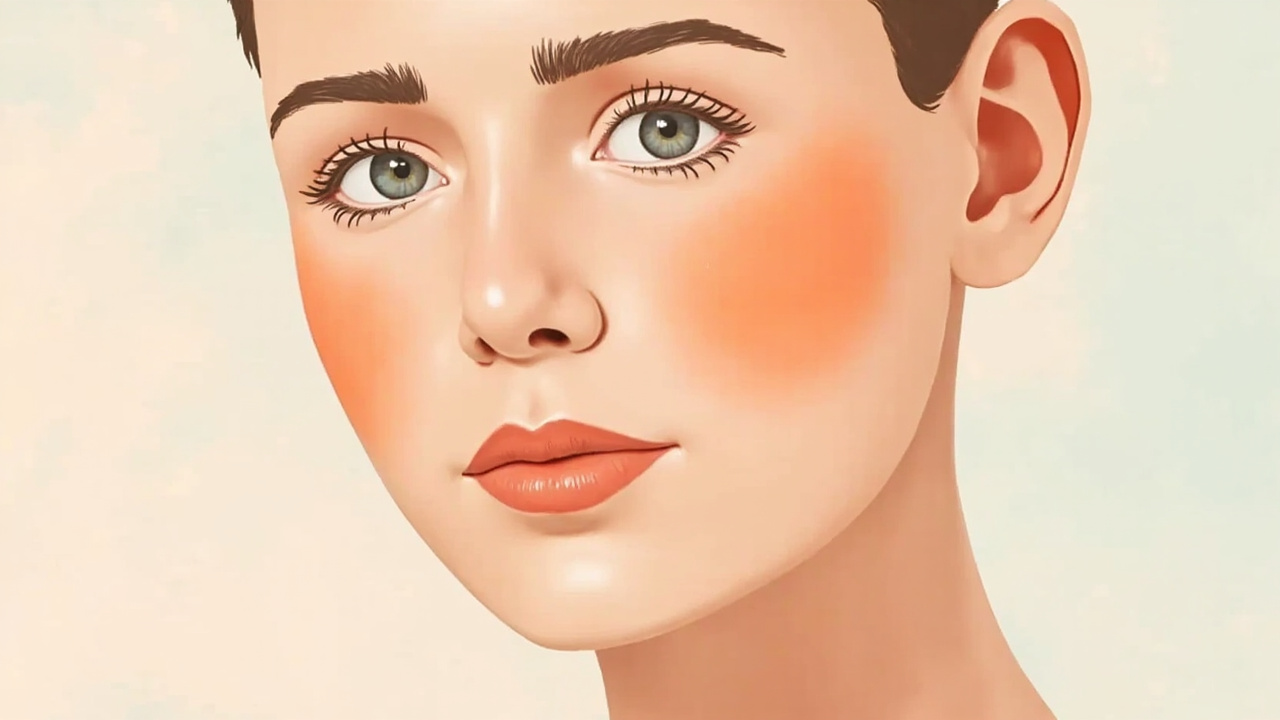
Different types of hyperpigmentation have distinct causes and appearances.
Post-Inflammatory Hyperpigmentation (PIH)
PIH appears as flat spots or patches. They are usually brown, black, or purple. They occur after skin inflammation, like acne or eczema. PIH can affect any skin type but is more noticeable in darker skin.
- It is not permanent.
- Treatment focuses on fading the pigment.
- Sun protection is crucial to prevent darkening.
Melasma
Melasma causes brown or gray-brown patches on the face. It is often symmetrical. Common areas include cheeks, forehead, and upper lip. Hormones and sun exposure trigger melasma.
- Melasma is more common in females.
- It can be stubborn to treat.
- Sun protection is the first line of defense.
Freckles and Sunspots
Freckles are small, flat brown spots. They are usually genetic and become darker with sun exposure. Sunspots (solar lentigines) are larger. They develop from cumulative sun damage.
- Freckles are common in fair-skinned teens.
- Sunspots are less common in teens but can appear.
- Both are benign but can be cosmetically bothersome.
How to Prevent Hyperpigmentation
Prevention is key. Simple habits can reduce the risk of hyperpigmentation.
- Wear sunscreen daily. Use broad-spectrum SPF 30 or higher. Apply to all exposed skin.
- Seek shade. Avoid peak sun hours (10 a.m. to 4 p.m.).
- Wear protective clothing. Hats, sunglasses, and long sleeves help.
- Don't pick at your skin. Picking or popping pimples increases inflammation and PIH.
- Treat acne early. Prompt acne treatment reduces inflammation and dark spots.
- Use gentle skincare. Harsh products can irritate skin and worsen hyperpigmentation.
Treatment Options for Teens
Many treatments can lighten hyperpigmentation. Always start with gentle options. Consult a dermatologist before trying strong treatments.
Over-the-Counter Products
Several ingredients are effective for fading dark spots.
- Vitamin C: An antioxidant that brightens skin. It is safe for daily use.
- Niacinamide: Reduces melanin transfer. It also calms inflammation.
- Azelaic acid: Helps with PIH and acne. It is gentle for most skin types.
- Kojic acid: Derived from mushrooms. It inhibits melanin production.
- Retinoids: Over-the-counter retinol can speed cell turnover. Start with a low concentration.
Always patch test new products. Use them as directed. Sunscreen is mandatory when using retinoids or acids.
Professional Treatments
A dermatologist can offer stronger treatments.
- Prescription retinoids: Tretinoin is stronger than retinol. It helps fade spots and treat acne.
- Chemical peels: A solution removes the top layer of skin. This reveals fresher, lighter skin.
- Laser therapy: Certain lasers target melanin. They can be effective for stubborn pigmentation.
- Microdermabrasion: A gentle exfoliation technique. It can improve mild hyperpigmentation.
Professional treatments require multiple sessions. They also need downtime. Always discuss risks with a dermatologist.
Natural Remedies
Some natural ingredients may help, but evidence is limited.
- Aloe vera: Contains aloin, which may lighten skin.
- Green tea extract: Has antioxidants that reduce pigmentation.
- Licorice extract: Contains glabridin, which inhibits melanin.
- Vitamin E: May help with healing, but not a primary treatment.
Natural remedies are generally safe. But they are less potent than medical treatments. They work best for mild cases.
When to See a Dermatologist
Consult a dermatologist if:
- Hyperpigmentation is widespread or severe.
- Spots change in size, shape, or color.
- Over-the-counter products do not help after 3 months.
- You have signs of skin cancer (irregular borders, bleeding).
- The pigmentation affects your self-esteem.
A dermatologist can diagnose the type of hyperpigmentation. They can recommend safe treatments for your skin type. Early treatment often yields better results.
Key Takeaways
- Hyperpigmentation is excess melanin in patches of skin.
- Common causes in teens include acne, sun exposure, and hormones.
- Types include PIH, melasma, and sunspots.
- Prevention: wear sunscreen, avoid picking, treat acne early.
- Treatments range from OTC products to professional procedures.
- Always consult a dermatologist for persistent or concerning spots.
- With proper care, most hyperpigmentation fades over time.
Frequently Asked Questions
Is hyperpigmentation permanent in teens?
No, most hyperpigmentation is not permanent. With proper sun protection and treatment, spots often fade within months to a year.
Can sunscreen prevent hyperpigmentation?
Yes, daily sunscreen use is one of the most effective ways to prevent hyperpigmentation from worsening or forming.
Are natural remedies effective for teen hyperpigmentation?
Some natural remedies like aloe vera may help mildly, but they are less effective than medical treatments. Always patch test first.
Should teens use chemical peels for hyperpigmentation?
Only under dermatologist supervision. Professional chemical peels can be safe for teens with appropriate skin type and condition.
Does acne cause permanent dark spots?
Acne can leave dark spots (PIH), but they are not scars. They fade over time, especially with treatment and sun protection.
You May Also Like
Explore more articles in our Health collection:
- Best Nail Dryer Lamp: At-Home Gel Manicure Essentials and UV vs LED
- Best Nail Growth Serum: Longer, Stronger, Healthier Nails Fast
- Best Nail Strengthener for Heat Damage: Restore Brittle, Burned Nails Naturally
Related Tools
Try these free calculators and quizzes to personalize your routine: