Hyaluronic Acid vs Sulfur: Pros, Cons, and How to Choose

Introduction to Hyaluronic Acid and Sulfur in Skincare
Choosing the right skincare ingredient can be confusing. Two popular options are hyaluronic acid and sulfur. Each has unique benefits. This article compares them. It helps you decide which is best for your skin.
What is Hyaluronic Acid?
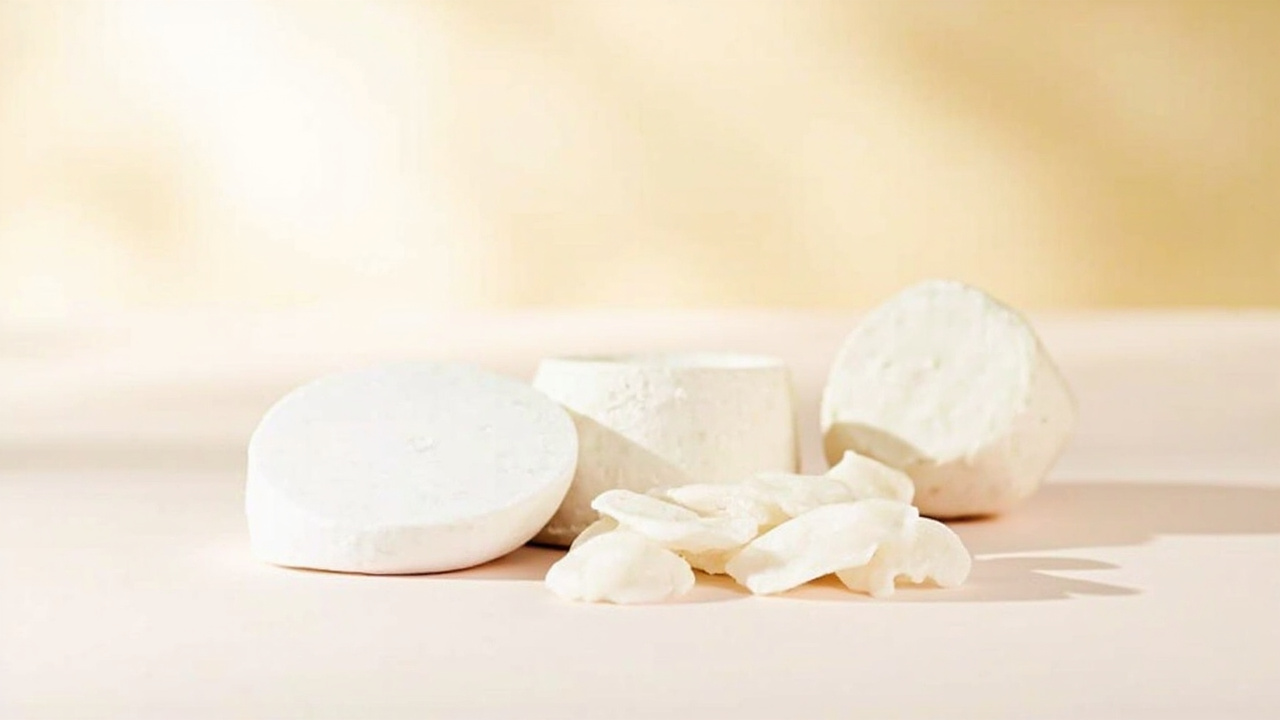
Hyaluronic acid (HA) is a substance naturally found in your body. It holds water to keep tissues lubricated. In skincare, HA is a humectant. It draws moisture from the air into your skin. This plumps and hydrates.
- HA can hold up to 1000 times its weight in water.
- It is found in serums, creams, and injectable fillers.
- It is safe for most skin types.
What is Sulfur?

Sulfur is a natural mineral. It has antibacterial and anti-inflammatory properties. In skincare, it treats acne, rosacea, and seborrheic dermatitis. Sulfur helps unclog pores and reduce oil.
- Sulfur is often in cleansers, masks, and spot treatments.
- It has a strong smell like rotten eggs.
- It is effective for oily and acne-prone skin.
Hyaluronic Acid vs Sulfur: Key Differences
Mechanism of Action
Hyaluronic acid works by attracting water. It hydrates the skin's surface. Sulfur works by killing bacteria and reducing oil. It also helps shed dead skin cells.
Skin Types and Conditions
- Hyaluronic acid: Best for dry, dehydrated, or aging skin. It is gentle and suitable for sensitive skin.
- Sulfur: Best for oily, acne-prone, or congested skin. It can be drying.
Side Effects and Sensitivities
- Hyaluronic acid: Rare side effects. Some may experience mild irritation if using low-quality HA.
- Sulfur: Can cause dryness, peeling, or redness. It may irritate sensitive skin.
Pros and Cons of Hyaluronic Acid
Pros
- Intense hydration without oil
- Plumps fine lines and wrinkles
- Suitable for all skin types, including sensitive
- Lightweight and non-comedogenic
- Works well with other ingredients
Cons
- May not be enough for very dry skin without occlusives
- Can draw moisture from deeper skin if air is dry (use with a humidifier)
- Some products are expensive
- Results are temporary (surface hydration)
Pros and Cons of Sulfur
Pros
- Effective against acne and blackheads
- Reduces oil production
- Anti-inflammatory (helps with redness)
- Treats conditions like rosacea and seborrheic dermatitis
- Often affordable
Cons
- Strong odor that some find unpleasant
- Can be drying and irritating
- May cause allergic reactions in some
- Not suitable for dry or sensitive skin
- Overuse can damage skin barrier
How to Choose Between Hyaluronic Acid and Sulfur
For Dry or Dehydrated Skin
Choose hyaluronic acid. It adds moisture without stripping oils. Use a HA serum under a moisturizer. Avoid sulfur as it can worsen dryness.
For Oily or Acne-Prone Skin
Sulfur is a good choice. It controls oil and fights acne. Use it in a cleanser or mask 2-3 times per week. Do not overuse. Hyaluronic acid can still be used for hydration, but choose a lightweight formula.
For Sensitive Skin
Hyaluronic acid is safer. It is non-irritating. Sulfur may cause redness or peeling. If you have sensitive skin and acne, try sulfur products with low concentration (2-5%). Patch test first.
Combining Both Ingredients
You can use both but not at the same time. Use sulfur in the morning or as a treatment. Use hyaluronic acid at night for hydration. This balances oil control and moisture.
Frequently Asked Questions
Q: Can I use hyaluronic acid and sulfur together?A: Yes, but not in the same routine. Apply sulfur first (wash or mask), then wait. Later, use hyaluronic acid. This prevents irritation.
Q: Which is better for acne scars?A: Hyaluronic acid helps plump skin and may improve appearance. Sulfur treats active acne but not scars. For scars, see a dermatologist.
Q: How often should I use sulfur?A: Start 1-2 times per week. Increase if tolerated. Do not use daily unless directed.
Q: Is hyaluronic acid safe during pregnancy?A: Yes, topical HA is safe. Always check with your doctor.
Q: Does sulfur smell bad?A: Yes, it has a sulfurous odor. Many products mask it with fragrances. If smell bothers you, choose unscented or use at night.
Key Takeaways
- Hyaluronic acid hydrates and plumps. It is best for dry or aging skin.
- Sulfur treats acne and oil. It is best for oily or acne-prone skin.
- Choose based on your skin type and concerns.
- Combine with caution. Use at different times of day.
- Consult a dermatologist for severe acne or persistent skin issues.
Conclusion
You May Also Like
Explore more articles in our Health collection:
- Alpha Arbutin Benefits for Skin: Complete Overview — The Complete Guide
- Balancing Beauty Budgets: Smart Splurges and Value Finds in Today’s Economy
- Best Affordable Toner for Blackheads
Hyaluronic acid and sulfur serve different needs. HA hydrates, sulfur controls oil. Knowing your skin type helps you choose. Both can be part of a balanced routine. Always patch test new products. For chronic skin conditions, seek professional advice.
Related Tools
Try these free calculators and quizzes to personalize your routine: