Hyaluronic Acid vs Ceramides: Pros, Cons, and How to Choose

Introduction: The Battle of Skincare Superstars
Hyaluronic acid and ceramides are two of the most popular skincare ingredients. Both are essential for healthy skin. But they work differently. This guide compares hyaluronic acid vs ceramides. You will learn their pros, cons, and how to choose.
What Is Hyaluronic Acid?
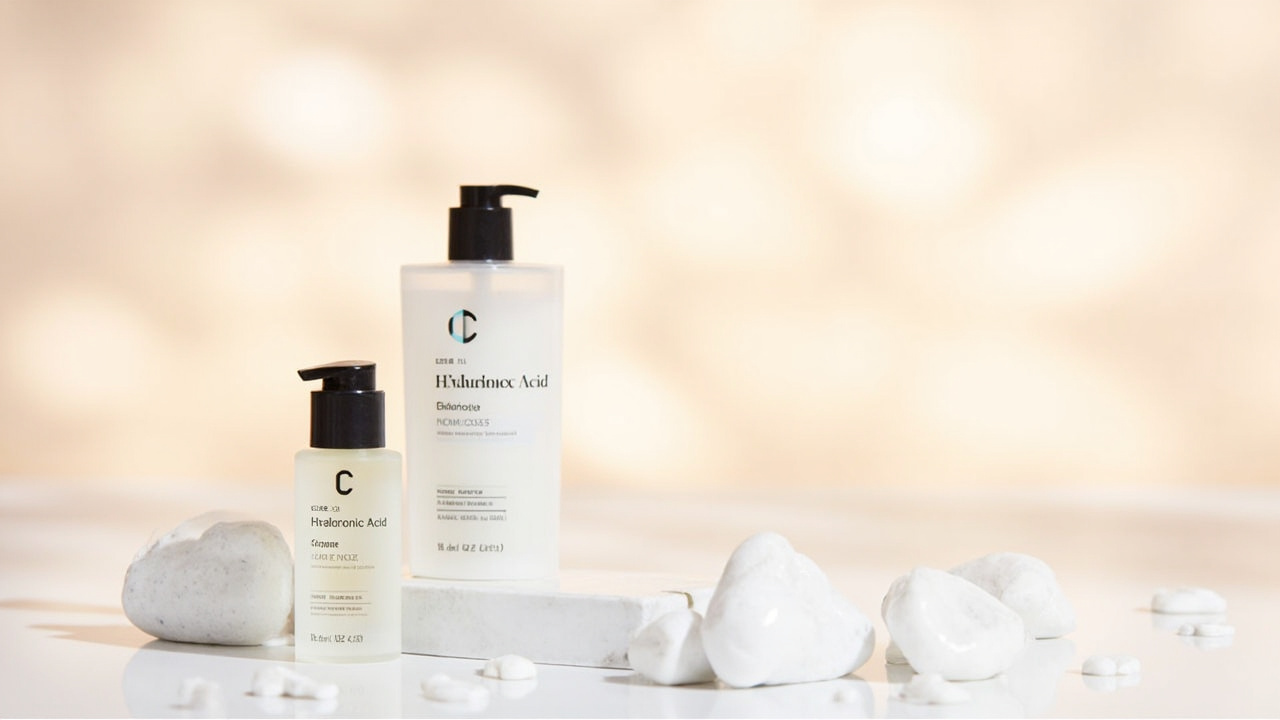
Hyaluronic acid (HA) is a substance your body makes naturally. It acts like a sponge. HA holds up to 1,000 times its weight in water. This keeps your skin plump and hydrated. In skincare, HA is used in serums and moisturizers. It draws moisture from the air into your skin.
What Are Ceramides?

Ceramides are lipids (fats) found in the outer layer of your skin. They make up about 50% of the skin's barrier. Ceramides act like mortar between bricks. They hold skin cells together. This prevents moisture loss and blocks irritants. Skincare products with ceramides help repair the skin barrier.
Hyaluronic Acid vs Ceramides: Key Differences
How They Work
- Hyaluronic Acid: Attracts and holds water. It hydrates the skin's surface.
- Ceramides: Fill gaps between skin cells. They strengthen the barrier.
Benefits for the Skin
Hyaluronic Acid:- Deep hydration
- Plumps fine lines
- Soothes dry skin
- Works with all skin types
- Restores barrier
- Locks in moisture
- Reduces sensitivity
- Protects from pollution
Best Skin Types for Each
| Ingredient | Best For |
|------------|----------|
| Hyaluronic Acid | All skin types, especially dehydrated skin |
| Ceramides | Dry, sensitive, or compromised barrier |
Pros and Cons of Hyaluronic Acid
Pros
- Intense hydration: Instantly plumps skin.
- Lightweight: Feels like water.
- Suitable for oily skin: Non-comedogenic.
- Anti-aging: Reduces appearance of fine lines.
- Works with other ingredients: Pairs well.
Cons
- Can dry out in low humidity: Draws moisture from deeper layers if air is dry.
- Not a barrier repairer: Does not fix a damaged barrier.
- May cause irritation: Rare, but possible in high concentrations.
- Temporary effect: Needs regular use.
Pros and Cons of Ceramides
Pros
- Strengthens barrier: Protects against irritants.
- Locks in moisture: Prevents water loss.
- Soothes sensitive skin: Reduces redness.
- Anti-aging: Supports skin structure.
- Safe for all skin types: Non-irritating.
Cons
- Can feel heavy: Some creams are thick.
- May clog pores: Rare, but look for non-comedogenic labels.
- Takes time to work: Results are gradual.
- Not as hydrating alone: Often need humectants.
How to Choose Between Hyaluronic Acid and Ceramides
For Dry Skin
Choose ceramides first. Dry skin often has a damaged barrier. Ceramides repair it. Then add hyaluronic acid for extra hydration. Use HA on damp skin, then seal with ceramides.
For Oily or Acne-Prone Skin
Choose hyaluronic acid. It hydrates without clogging pores. Ceramides are fine but choose lightweight formulas. Avoid heavy creams.
For Aging Skin
Use both. HA plumps fine lines. Ceramides maintain barrier strength. This combination reduces wrinkles and improves texture.
For Sensitive Skin
Choose ceramides. They calm irritation and strengthen barrier. HA is also safe but may be less effective if barrier is compromised.
Can You Use Them Together?
Yes, you can and should use them together. They complement each other. Apply hyaluronic acid first on damp skin. Then follow with a ceramide moisturizer. This locks in hydration and repairs barrier. Many products contain both.
Conclusion
You May Also Like
Explore more articles in our Health collection:
- The Ultimate Guide to Cooling Comforters and Nighttime Skin Care: Sleep Your Way to Better Skin
- The Ultimate Guide to Firming Body Care: Merging Mature Skin Solutions with Korean Beauty Innovation
- The Ultimate Guide to Readers' Choice Beauty Winners: From Skincare Staples to Fragrance Discoveries: Which One Is Right for You?
Both hyaluronic acid and ceramides are beneficial. Your choice depends on your skin's needs. For hydration, choose HA. For barrier repair, choose ceramides. For best results, use both. If you have persistent skin issues, see a dermatologist. They can recommend a personalized routine.
Key Takeaways
- Hyaluronic acid is a humectant that draws water to the skin.
- Ceramides are lipids that repair and protect the skin barrier.
- Use HA for instant hydration and plumping.
- Use ceramides for dry, sensitive, or damaged skin.
- Combine both for optimal skin health.
- See a dermatologist if you have chronic dryness or irritation.
FAQ
Can hyaluronic acid cause breakouts?
No, HA is non-comedogenic and unlikely to cause breakouts. It is safe for acne-prone skin.
Are ceramides safe for oily skin?
Yes, but choose lightweight formulas. Look for "non-comedogenic" on the label.
How often should I use hyaluronic acid?
You can use it twice daily, morning and night. Apply on damp skin for best results.
Do ceramides help with eczema?
Yes, ceramides are often recommended for eczema. They repair the skin barrier and reduce flare-ups.
Can I use both ingredients in one routine?
Absolutely. Apply HA first, then ceramides. This maximizes hydration and barrier support.
Related Tools
Try these free calculators and quizzes to personalize your routine: