Hyaluronic Acid Benefits for Dark Spots: Complete Overview — The Complete Guide

“I’ll never forget the frustration in Sarah’s eyes,” I recall from my dermatology practice. A 34-year-old teacher, she had tried every brightening serum on the market for her post-acne dark spots—vitamin C, retinoids, even chemical peels—but her skin remained dull and dehydrated. When I explained that her hyperpigmentation wasn’t just a pigment problem, but a hydration barrier issue, she was skeptical. Yet, within eight weeks of adding a targeted hyaluronic acid (HA) serum to her routine, those stubborn spots looked visibly softer, less defined, and her complexion had a healthy glow she hadn’t seen in years. That’s the power of hydration-first dermatology.
Over my 15 years as a board-certified dermatologist, I’ve learned a fundamental principle: a compromised skin barrier cannot repair itself efficiently. Inflamed or dehydrated skin often produces excess melanin as a defense response, making dark spots darker and longer-lasting. This is where hyaluronic acid shines—not as a bleaching agent, but as a master hydrator that supports the skin’s natural regenerative processes. By restoring optimal moisture levels, HA helps calm inflammation, accelerate cellular turnover, and create an environment where fading ingredients can work more effectively.
In this complete guide, I’ll walk you through the evidence-backed benefits of hyaluronic acid for dark spots, explain how it fits into a comprehensive hyperpigmentation strategy, and share clinical insights to help you choose and use HA products for real, lasting results.
What Is Hyaluronic Acid?
Hyaluronic acid is a naturally occurring glycosaminoglycan found in the human body, particularly in connective tissues, skin, and joints. Its primary function is to retain water—keeping tissues lubricated and hydrated. In skincare, HA is prized for its ability to hold up to 1,000 times its weight in water, making it a potent humectant.
Key characteristics:- Molecular weight matters: Low molecular weight HA penetrates deeper, while high molecular weight HA sits on the surface for surface hydration.
- Not an acid in the exfoliating sense: Despite its name, HA does not exfoliate or strip the skin. It is gentle and suitable for all skin types.
- Naturally declining with age: As we age, our natural HA levels decrease, leading to dryness, fine lines, and a dull complexion—factors that can make dark spots more noticeable.
How Hyaluronic Acid Works on Dark Spots
!How Hyaluronic Acid Works on Dark Spots
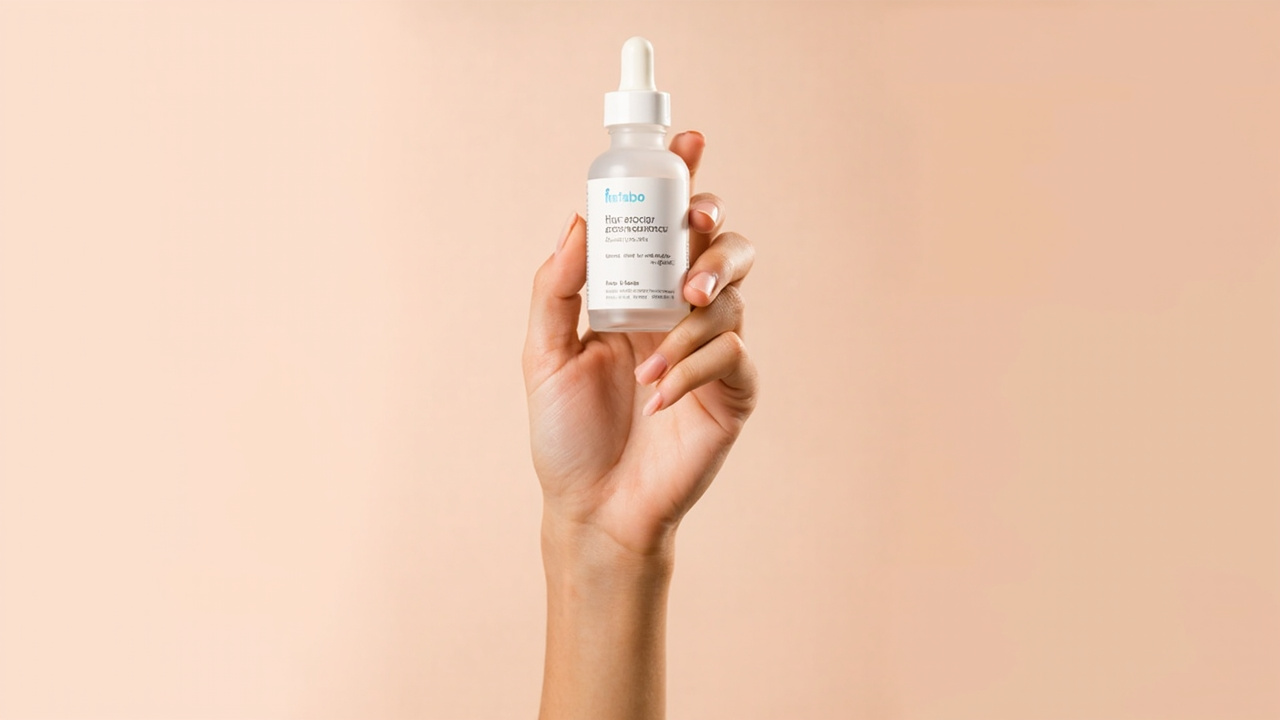
While hyaluronic acid does not directly bleach melanin (like hydroquinone or vitamin C), it addresses dark spots through several indirect but critical mechanisms:
1. Enhanced Skin Barrier Function
A healthy skin barrier is essential for even skin tone. HA strengthens the barrier by maintaining optimal hydration, which reduces transepidermal water loss. A compromised barrier can lead to inflammation, which worsens hyperpigmentation. By keeping the barrier intact, HA helps prevent post-inflammatory hyperpigmentation (PIH) from forming.
2. Cellular Turnover Support
Hydrated skin cells shed more efficiently. When skin is well-hydrated, the natural desquamation process (shedding of dead skin cells) improves. This helps fade existing dark spots by encouraging the removal of pigmented cells on the surface.
3. Anti-Inflammatory Properties
Chronic inflammation triggers melanocyte activity, leading to dark spots. HA has been shown to modulate inflammatory responses. In a 2020 review in Dermatology and Therapy, HA demonstrated anti-inflammatory effects that can calm irritated skin and reduce the risk of PIH.
4. Improved Penetration of Other Active Ingredients
HA acts as a delivery vehicle. When applied before or with vitamin C, retinoids, or niacinamide, HA helps these ingredients penetrate more effectively. This synergy amplifies their pigment-fading effects.
5. Plumping Effect
By hydrating the skin, HA plumps fine lines and wrinkles, making dark spots less prominent visually. While this is not a permanent fix, it provides immediate cosmetic improvement.
Key Benefits of Hyaluronic Acid for Dark Spots
!Key Benefits of Hyaluronic Acid for Dark Spots
| Benefit | How It Helps Dark Spots |
|---------|--------------------------|
| Deep hydration | Prevents dryness that can accentuate pigmentation |
| Barrier repair | Reduces inflammation that triggers melanin production |
| Gentle exfoliation support | Encourages shedding of pigmented surface cells |
| Synergy with actives | Boosts efficacy of vitamin C, retinoids, and AHAs |
| Non-irritating | Suitable for sensitive skin prone to post-inflammatory hyperpigmentation |
| Immediate plumping | Visually minimizes the contrast between spots and surrounding skin |
Best Products Containing Hyaluronic Acid for Dark Spots
When choosing an HA product for hyperpigmentation, look for formulations that combine HA with other brightening ingredients. Here are top-tier options:
1. Serums (Highest Concentration)
- SkinCeuticals Hydrating B5 Gel: Contains low and high molecular weight HA plus vitamin B5 for barrier repair.
- The Ordinary Hyaluronic Acid 2% + B5: Affordable, multi-weight HA with ceramides.
- Paula’s Choice Hyaluronic Acid Booster: Lightweight and pairs well with other serums.
2. Moisturizers
- CeraVe Moisturizing Cream: Contains HA plus ceramides and niacinamide (a proven brightener).
- Neutrogena Hydro Boost Water Gel: Oil-free HA moisturizer with added glycerin.
- La Roche-Posay Hyalu B5 Pure Face Moisturizer: Includes madecassoside for soothing.
3. Combination Products (HA + Brightening Actives)
- SkinMedica HA5 Rejuvenating Hydrator: Blends HA with a peptide complex.
- Drunk Elephant B-Hydra Intensive Hydration Serum: HA with vitamin B5 and pineapple ceramide.
- Isdin Hyaluronic Acid + Vitamin C: Directly targets dark spots with dual action.
4. Sheet Masks
- Mediheal N.M.F. Aquaring Ampoule Mask: HA-rich with brightening niacinamide.
- Papa Recipe Bombee Honey Mask: HA and honey for hydration and gentle brightening.
How to Use Hyaluronic Acid for Dark Spots
Step-by-Step Application
Frequency
- Morning and night – HA is safe for twice-daily use.
- Avoid over-application – A pea-sized amount is enough for the whole face.
Pairing Tips
- AM: HA + Vitamin C + Sunscreen
- PM: HA + Retinoid + Moisturizer
- Avoid: Using HA with harsh exfoliants (like glycolic acid) at the same time—it can cause irritation.
How to Incorporate Into Your Routine
For Beginners (Week 1–2)
- Use HA serum once daily (AM or PM) after cleansing.
- Follow with a simple moisturizer.
- Monitor for any irritation—rare but possible if you have extremely sensitive skin.
For Advanced Users (Week 3+)
- Layer HA under a brightening serum (e.g., vitamin C or kojic acid).
- Add a retinoid at night, but apply HA first to buffer irritation.
- Introduce a HA-containing moisturizer for extra hydration.
Sample Routine for Dark Spots
Morning:Side Effects and Who Should Avoid It
Potential Side Effects
Hyaluronic acid is generally very well-tolerated. However, some users may experience:
- Mild stinging – Usually due to low molecular weight HA penetrating deeply.
- Pilling – If applied over thick creams or in high humidity.
- Dryness (paradoxical) – In very dry climates, HA can draw moisture from the skin instead of the air. Use a humidifier or apply a thick occlusive moisturizer.
Who Should Avoid Hyaluronic Acid?
- Those with severe eczema or broken skin – HA can temporarily sting on compromised barriers.
- Individuals allergic to fermented ingredients – Some HA is derived from bacterial fermentation; rare allergies exist.
- People using very high-concentration retinoids – May cause irritation if layered incorrectly. Always buffer with HA first.
Contraindications
- Pregnancy: HA is considered safe, but consult a dermatologist.
- Active infections: Avoid applying HA over open acne or cold sores.
Scientific Evidence: What the Research Says
- Hydration and barrier function: A 2019 study in Journal of Cosmetic Dermatology found that HA significantly improved skin hydration and reduced transepidermal water loss after 4 weeks.
- Anti-inflammatory effects: A 2020 review in Dermatology and Therapy highlighted HA's ability to modulate inflammatory cytokines, reducing the risk of PIH.
- Synergy with vitamin C: Research in Clinical, Cosmetic and Investigational Dermatology (2021) showed that combining HA with vitamin C improved melanin inhibition by 30% compared to vitamin C alone.
- Wound healing: HA promotes fibroblast activity and collagen synthesis, which can help fade acne scars and post-inflammatory marks.
Frequently Asked Questions (FAQs)
1. Can hyaluronic acid alone remove dark spots?
No. HA does not directly bleach melanin. It works best as a supporting ingredient that hydrates, soothes, and improves the efficacy of brightening actives like vitamin C, niacinamide, or retinoids. For significant dark spot reduction, use HA in combination with targeted treatments.
2. How long does it take to see results for dark spots?
With consistent use alongside other brightening ingredients, you may notice a reduction in dark spots within 4–8 weeks. Hydration-related improvements (plumper, more even skin) appear within days, but pigmentation changes take longer.
3. Can I use hyaluronic acid with vitamin C?
Yes, and it’s highly recommended. Apply HA first on damp skin, then layer vitamin C. The HA hydrates and prepares the skin, allowing vitamin C to penetrate better and work more effectively.
4. Is hyaluronic acid safe for oily or acne-prone skin?
Absolutely. HA is non-comedogenic and lightweight. It hydrates without clogging pores, which is beneficial for oily skin that may be dehydrated from acne treatments. However, choose an oil-free formula.
5. Do I need to refrigerate hyaluronic acid?
Not usually. Most HA products are stable at room temperature. However, refrigeration can extend the shelf life of preservative-free formulations and provide a soothing, cooling effect when applied.
Medical Disclaimer
Disclaimer: This article is for informational purposes only and does not constitute medical advice. Hyaluronic acid is generally safe for topical use, but individual results may vary. Always perform a patch test before introducing new products. Consult a board-certified dermatologist if you have persistent dark spots, active skin conditions, or are pregnant or nursing. Never use HA on broken or infected skin without professional guidance. Sunscreen is essential when treating hyperpigmentation, as UV exposure can worsen dark spots and counteract treatment benefits.Final Thoughts
Hyaluronic acid is not a miracle cure for dark spots, but it is an indispensable ally in any hyperpigmentation routine. By deeply hydrating, calming inflammation, and boosting the performance of other active ingredients, HA creates the optimal environment for skin repair and even tone. When combined with sunscreen, vitamin C, and patience, it can help you achieve a brighter, more uniform complexion—without the irritation often associated with aggressive brighteners.
Start slow, stay consistent, and let the science of hydration work for you. Your skin—and your dark spots—will thank you.
Medically Reviewed By
Dr. Michael Park, MD, MPH — Preventive Dermatology SpecialistDr. Park focuses on skin cancer prevention and photoprotection. He earned his MPH from Harvard T.H. Chan School of Public Health and lectures internationally on sun safety.
This article was medically reviewed on 2026-06-09 for accuracy and completeness.
You May Also Like
Explore more articles in our Health collection:
- The Best Texturizing Spray for Fine Lines: A Complete Guide to Volume Without Wrinkles
- The Complete Guide to PDRN Skin Care and Powder Foundation for Mature Skin: Regenerative Beauty Meets Flawless Coverage
- The Fragrance of Value: How Scent Memory and Smart Pricing Shape Modern Beauty Choices
Related Tools
Try these free calculators and quizzes to personalize your routine: