How to Treat Sun Damage at Home

Understanding Sun Damage: What Happens to Your Skin?
Sun damage, or photoaging, occurs when ultraviolet (UV) rays penetrate the skin. UVA rays cause premature aging. UVB rays cause sunburns. Both damage collagen and elastin fibers. This leads to wrinkles, fine lines, and sagging. Sun exposure also triggers melanin production. This causes dark spots and uneven skin tone. Over time, DNA damage can lead to skin cancer.
Your skin has a memory. Damage accumulates over years. Even if you don't see immediate effects, the harm is there. Fortunately, you can reverse some signs at home. The key is using the right ingredients consistently.
Top Ingredients to Look for in At-Home Treatments
!Top Ingredients to Look for in At-Home Treatments
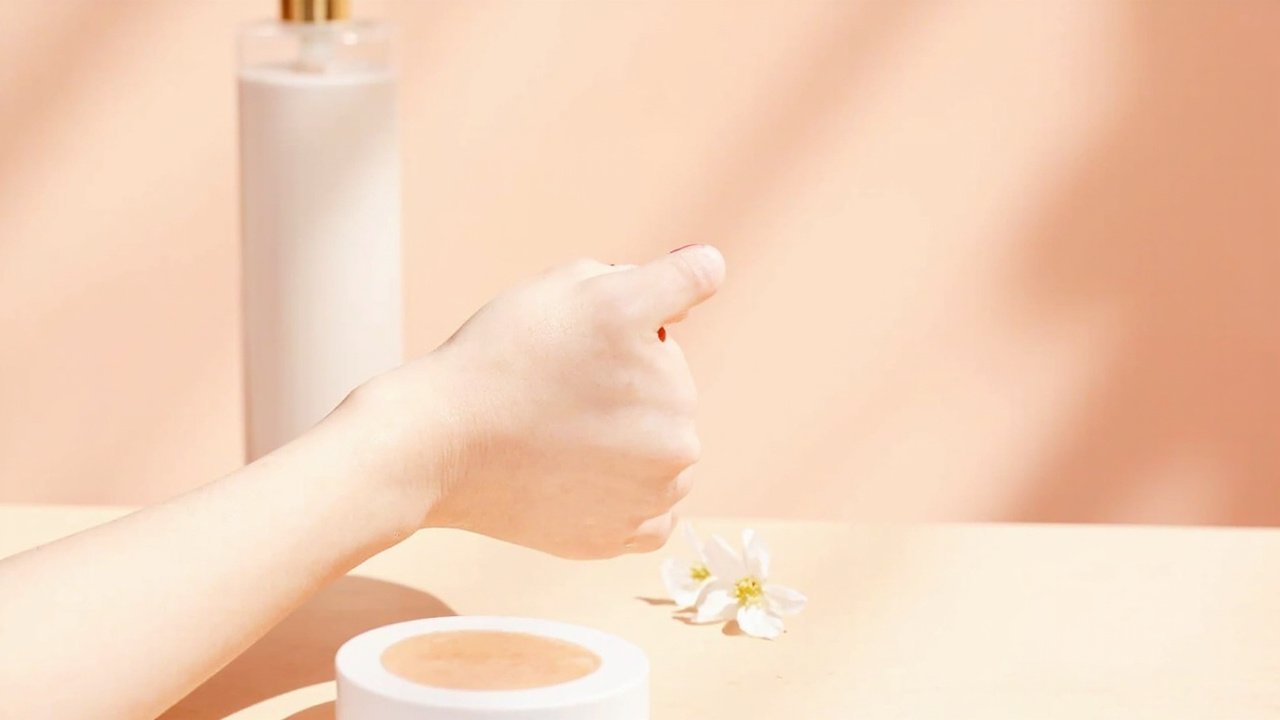
Vitamin C: The Brightening Antioxidant
Vitamin C is a powerful antioxidant. It neutralizes free radicals from UV exposure. It also inhibits melanin production. This helps fade dark spots and brighten skin. Look for L-ascorbic acid, the most stable form. Use it in the morning for best results. A concentration of 10-20% is effective. Store it in a dark, cool place to prevent oxidation.
Retinoids: Boosting Collagen Production
Retinoids are vitamin A derivatives. They speed up cell turnover and boost collagen. This reduces fine lines and wrinkles. Over-the-counter retinol is milder than prescription tretinoin. Start with a low concentration (0.25-0.5%) to avoid irritation. Apply at night, as retinoids make skin sun-sensitive. Use sunscreen diligently during the day.
Niacinamide: Repairing the Skin Barrier
Niacinamide, or vitamin B3, strengthens the skin barrier. It reduces inflammation and improves texture. It also helps fade hyperpigmentation. Niacinamide works well with other ingredients. Use a 2-5% concentration. It is gentle and suitable for all skin types.
Alpha Hydroxy Acids (AHAs): Exfoliating Sun-Damaged Skin
AHAs, like glycolic and lactic acid, exfoliate the top layer of skin. They remove dead cells and stimulate collagen. This improves skin tone and texture. Start with a low concentration (5-10%). Use 2-3 times per week. AHAs increase sun sensitivity, so always wear sunscreen.
Step-by-Step At-Home Sun Damage Treatment Routine
!Step-by-Step At-Home Sun Damage Treatment Routine

Morning Routine: Protect and Repair
Evening Routine: Restore and Rejuvenate
Lifestyle Changes to Enhance Results
- Wear sunscreen daily: Even on cloudy days. UV rays penetrate glass.
- Avoid tanning beds: They cause irreversible damage.
- Eat a balanced diet: Foods rich in antioxidants (berries, leafy greens) support skin health.
- Stay hydrated: Water keeps skin plump and helps repair.
- Don't smoke: Smoking accelerates aging and reduces blood flow.
- Manage stress: High cortisol levels can worsen skin issues.
When to See a Dermatologist
At-home treatments work for mild to moderate sun damage. See a dermatologist if:
- You have deep wrinkles or severe sagging.
- Dark spots change shape, color, or size.
- You notice a new growth or sore that doesn't heal.
- Over-the-counter products cause irritation or no improvement after 3 months.
A dermatologist can offer prescription treatments like tretinoin, chemical peels, or laser therapy. They also perform skin cancer screenings.
Key Takeaways
- Sun damage is caused by UVA and UVB rays. It leads to wrinkles, spots, and cancer risk.
- Key ingredients: Vitamin C, retinoids, niacinamide, and AHAs.
- Morning routine: Cleanse, vitamin C, moisturize, sunscreen.
- Evening routine: Cleanse, treat (AHA or retinoid), moisturize.
- Lifestyle: Daily sunscreen, healthy diet, no smoking.
- See a dermatologist for severe damage or suspicious lesions.
Consistency is crucial. Results take weeks to months. Patience and protection are your best allies.
Frequently Asked Questions
Can sun damage be reversed completely?
Complete reversal is not possible, but many signs can be significantly improved with consistent use of ingredients like retinoids and vitamin C, along with sun protection.
How long does it take to see results from at-home treatments?
Visible improvements often appear within 3-6 months. Retinoids may cause initial purging, but benefits emerge after 12 weeks.
Can I use vitamin C and retinol together?
Yes, but at different times of day. Use vitamin C in the morning and retinol at night to avoid irritation and maximize benefits.
Is sunscreen necessary even on cloudy days?
Yes, up to 80% of UV rays penetrate clouds. Daily sunscreen is essential for preventing further damage.
What SPF level is recommended for sun-damaged skin?
Use broad-spectrum SPF 30 or higher. SPF 30 blocks 97% of UVB rays. Reapply every 2 hours when outdoors.
You May Also Like
Explore more articles in our Health collection:
- Mastering At-Home Hair Extensions and Building Your Beauty Library: A Complete Guide to Length, Volume, and Expert Knowledge
- Navigating Pregnancy Skin Changes and Eyelash Health: A Complete Guide to Safe Skincare and Lash Care
- Redness in 30s: What to Know
Related Tools
Try these free calculators and quizzes to personalize your routine: