How to Repair Brassiness: The Ultimate Guide to Restoring Cool, Vibrant Hair

“I’ll never forget the day a patient sat in my chair, nearly in tears. She had spent hundreds of dollars on a platinum balayage, only to find it had turned a dull, brassy orange within two weeks. ‘I feel like I look older and my hair looks fried,’ she said. As a board-certified dermatologist with over 15 years of clinical experience treating hair and scalp health, I reassured her that brassiness is not a sign of damage—it’s a predictable chemical reaction. And the good news? It’s completely fixable.”
Brassiness—that unwanted warm, orange, or yellow tone that appears in blonde, silver, gray, or bleached hair—is one of the most frustrating challenges for anyone who lightens their hair. Whether you’re a natural blonde fighting the sun’s effects or a brunette who’s gone platinum, brassiness can make your hair look dull, damaged, or just “off.” But here’s the good news: brassiness is entirely fixable, and with the right approach, you can restore cool, vibrant tones and keep them that way.
A foundational principle in dermatology is that hair color is governed by the ratio of eumelanin to pheomelanin—and when you lighten hair, you selectively remove the darker eumelanin, exposing the underlying warm tones. This isn’t a flaw; it’s physics. In this comprehensive, step-by-step guide, we’ll cover everything you need to know about repairing brassiness—from understanding why it happens to preventing it, treating it at home and professionally, and knowing when it’s time to see a doctor. Let’s dive in.
H2: What Is Brassiness? Understanding the Science Behind Unwanted Warm Tones
Before you can repair brassiness, you need to understand what it is and why it occurs.
H3: The Chemistry of Hair Color
Hair color is a complex chemical process. When you lighten your hair—whether with bleach, high-lift color, or even prolonged sun exposure—you’re stripping away the natural pigment (melanin) from the hair shaft. Melanin comes in two types: eumelanin (brown/black) and pheomelanin (red/yellow). As you lighten, the darker eumelanin is removed first, leaving behind the warmer pheomelanin. This is why hair passes through stages of red, orange, and yellow before reaching pale blonde or white.
Brassiness occurs when the underlying warm pigments become visible, often because:
- The hair wasn’t lightened enough to remove all warm tones.
- The hair’s porosity allows warm tones to peek through.
- External factors (water, products, heat) oxidize the color.
H3: Common Causes of Brassiness
| Cause | Explanation |
|-------|-------------|
| Mineral buildup | Hard water contains copper, iron, and calcium that deposit on hair, creating orange or yellow tones. |
| UV exposure | Sunlight breaks down hair pigments, revealing underlying warmth. |
| Improper toning | Using the wrong toner or not leaving it on long enough. |
| Over-washing | Frequent washing strips the toner, exposing warm undertones. |
| Heat styling | High heat can oxidize color molecules, causing brassiness. |
| Chlorine | Pool chemicals react with hair color, turning it greenish or brassy. |
| Product buildup | Some shampoos and conditioners leave residues that dull cool tones. |
H2: Prevention Tips: How to Stop Brassiness Before It Starts
!H2: Prevention Tips: How to Stop Brassiness Before It Starts
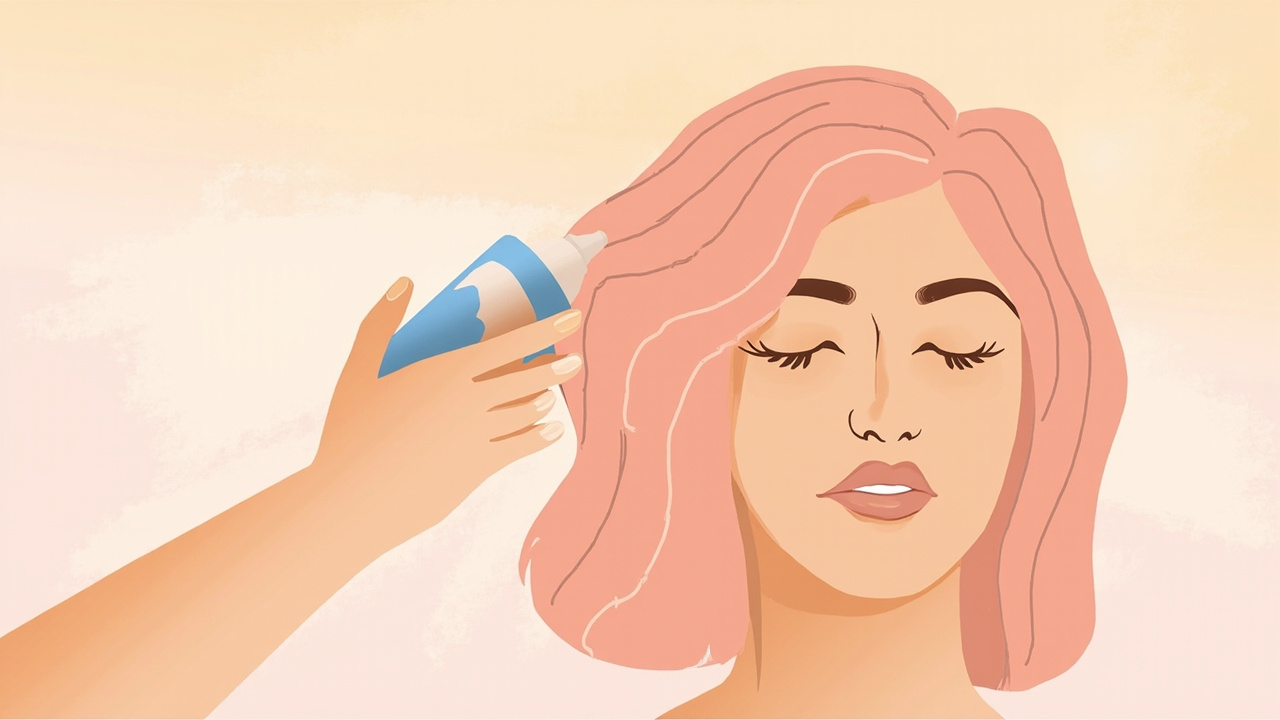
The best way to repair brassiness is to prevent it from happening in the first place. Here are actionable strategies.
H3: 1. Use a Purple or Blue Shampoo
Purple shampoo neutralizes yellow tones (for blonde, silver, and gray hair), while blue shampoo neutralizes orange tones (for brunettes with highlights). Use them 1–2 times per week, alternating with a moisturizing shampoo to avoid over-toning.
Pro tip: Leave the shampoo on for 3–5 minutes for maximum effect, but no longer—overuse can lead to a purplish or blue tint.H3: 2. Install a Shower Filter
Hard water is a leading cause of brassiness. A shower filter that removes chlorine, copper, and iron can dramatically reduce mineral buildup. Look for filters with KDF-55 or vitamin C media.
H3: 3. Protect Your Hair from UV Rays
Wear a hat or use UV-protectant hair products when spending time outdoors. UV rays break down hair color and cause oxidation, leading to brassiness.
H3: 4. Avoid Over-Washing
Wash your hair no more than 2–3 times per week. Use dry shampoo between washes to absorb oil and extend your color’s life.
H3: 5. Use Heat Protectants
Always apply a heat protectant spray before blow-drying, curling, or straightening. High heat accelerates color fading and brassiness.
H3: 6. Choose the Right Hair Products
Avoid shampoos with sulfates, which strip color. Opt for sulfate-free, color-safe formulas. Look for ingredients like violet pigments, hydrolyzed keratin, and UV filters.
H2: Treatment Methods: How to Repair Brassiness at Home
!H2: Treatment Methods: How to Repair Brassiness at Home
If brassiness has already set in, don’t panic. These home remedies and products can restore cool tones.
H3: Step 1: Clarify Your Hair
Before toning, you need to remove product buildup and mineral deposits.
- DIY Clarifying Rinse: Mix 1 tablespoon of apple cider vinegar with 1 cup of water. Shampoo, then pour the mixture over your hair. Let it sit for 2 minutes, then rinse. This chelates minerals and balances pH.
- Store-Bought Clarifying Shampoo: Use a gentle clarifying shampoo once every 2–4 weeks. Avoid harsh formulas that strip color.
H3: Step 2: Apply a Purple or Blue Toner
Choose the right toner based on your brassiness level:
- Yellow brassiness: Use a purple toner or mask.
- Orange brassiness: Use a blue toner or mask.
- Red brassiness: Use a green toner (rare, but possible for very dark hair that’s been lightened).
H3: Step 3: Use a Color-Depositing Mask
For a more intense fix, use a color-depositing mask like:
- Fanola No Yellow Shampoo (purple)
- Redken Color Extend Brownlights (blue for brunettes)
- Kerastase Blond Absolu Bain Ultra-Violet (purple)
Apply the mask once a week, leaving it on for 5–10 minutes. These masks deposit pigment while hydrating.
H3: Step 4: Try a DIY Baking Soda Paste
For stubborn brassiness caused by mineral buildup, create a paste with:
- 2 tablespoons baking soda
- 1 tablespoon water
Apply to damp hair, massage gently, and rinse after 5 minutes. This chelates minerals but can be drying—use a deep conditioner afterward.
H3: Step 5: Deep Condition
Toning can be drying. After any treatment, apply a hydrating mask or deep conditioner. Look for ingredients like:
- Shea butter
- Argan oil
- Glycerin
- Panthenol
Leave on for 10–20 minutes, then rinse with cool water.
H2: Professional Treatment Methods: When to Call a Stylist
Home treatments work for mild to moderate brassiness, but severe cases require professional help.
H3: Professional Toning
A stylist can apply a salon-grade toner with a precise formula tailored to your hair’s porosity and current shade. They use professional developers (10–20 volume) to open the cuticle and deposit pigment evenly.
Benefits:- More even results
- Longer-lasting (4–6 weeks)
- Corrects stubborn orange/red tones
H3: Glaze or Gloss
A clear or tinted gloss adds shine and deposits a thin layer of color. It’s less damaging than toner and can be done every 4–8 weeks.
H3: Color Correction
If brassiness is severe—for example, if hair is orange instead of blonde—a stylist may need to do a full color correction. This involves:
H3: Olaplex or Bond Repair
If your hair is damaged from lightening, ask for an Olaplex treatment (step 1 and 2) before toning. This rebuilds broken disulfide bonds, making hair stronger and more receptive to toner.
H2: Product Recommendations for Repairing Brassiness
Here are top-rated products for each step of the process.
H3: Purple Shampoos (for Yellow Brassiness)
- Fanola No Yellow Shampoo – Intense toning, best for very brassy hair.
- Redken Color Extend Blondage – Gentle enough for daily use.
- L’Oréal Paris EverPure Brass Toning Purple Shampoo – Budget-friendly.
H3: Blue Shampoos (for Orange Brassiness)
- Matrix Total Results Brass Off Blue Shampoo – Great for brunettes.
- Joico Color Balance Blue Shampoo – Contains argan oil for moisture.
- Pravana The Perfect Blonde Blue Toning Shampoo – Salon-quality.
H3: Color-Depositing Masks
- Kerastase Blond Absolu Masque Ultra-Violet – Hydrating + toning.
- dpHUE Color Boosting Mask in Blonde – Customizable intensity.
- Amika Bust Your Brass Cool Blonde Mask – Vegan and cruelty-free.
H3: Clarifying Shampoos
- Ouai Detox Shampoo – Gentle but effective.
- Bumble and Bumble Sunday Shampoo – Classic clarifying formula.
- Kérastase Bain Divalent – Balances scalp oil.
H3: Heat Protectants
- Olaplex No. 7 Bonding Oil – Protects up to 450°F.
- Chi 44 Iron Guard – Lightweight and affordable.
- Living Proof Restore Perfecting Spray – Heat protection + frizz control.
H2: Do’s and Don’ts for Repairing Brassiness
H3: Do’s ✅
- Do use a shower filter to prevent mineral buildup.
- Do tone your hair every 4–6 weeks after lightening.
- Do deep condition after every toning session.
- Do wash hair with cool water to seal the cuticle.
- Do patch-test new products on a small section of hair first.
- Do use a wide-tooth comb on wet hair to prevent breakage.
H3: Don’ts ❌
- Don’t overuse purple shampoo—it can turn hair lavender or gray.
- Don’t use hot water to wash color-treated hair.
- Don’t bleach your hair more than once every 6–8 weeks.
- Don’t skip heat protectant—heat accelerates brassiness.
- Don’t swim in chlorinated water without a swim cap or pre-wetting hair.
- Don’t use clarifying shampoo more than once every 2 weeks.
H2: Timeline Expectations: How Long Does It Take to Repair Brassiness?
The timeline depends on the severity of brassiness and the method used.
| Severity | Home Treatment | Professional Treatment |
|----------|----------------|------------------------|
| Mild (slight yellow) | 1–2 washes with purple shampoo | 1 salon toning session |
| Moderate (orange/yellow) | 2–4 weeks of weekly toning + clarifying | 1–2 salon sessions |
| Severe (orange/red) | May not be fixable at home | 2–3 color correction sessions over 4–8 weeks |
General timeline:- Immediate results: Purple shampoo or toner shows results after 1–2 uses.
- Full correction: 2–6 weeks for home methods; 1–2 salon visits for professional.
- Maintenance: Ongoing—toning every 4–6 weeks.
H2: When to See a Doctor
While brassiness is a cosmetic issue, in rare cases, it can signal a medical problem.
H3: Signs You Should See a Dermatologist or Doctor
- Hair loss or thinning accompanied by brassiness.
- Scalp irritation, redness, or itching after using toning products.
- Brittle hair that breaks easily—this could indicate protein overload or damage that needs medical assessment.
- Sudden change in hair color or texture without chemical treatment—this could be a sign of thyroid issues, vitamin deficiencies (especially B12, iron, or zinc), or autoimmune conditions like alopecia areata.
H3: When to See a Trichologist
A trichologist specializes in hair and scalp health. Consider a consultation if:
- You have chronic brassiness despite proper care.
- Your hair is excessively dry or damaged.
- You suspect a medical condition affecting your hair.
H2: Frequently Asked Questions
H3: 1. Can I fix brassiness without using purple shampoo?
Yes. You can use a blue shampoo for orange tones, a color-depositing mask, or a DIY apple cider vinegar rinse to remove mineral buildup. However, purple shampoo is the most effective for yellow tones.
H3: 2. Will purple shampoo work on natural brunette hair?
No. Purple shampoo is designed for lightened, blonde, silver, or gray hair. For brunettes with highlights, use a blue shampoo to neutralize orange tones. For natural brunettes, brassiness isn’t typically an issue.
H3: 3. How often should I use purple shampoo?
Use it 1–2 times per week, alternating with a moisturizing shampoo. Overuse can lead to a purplish or gray tint.
H3: 4. Can hard water cause brassiness?
Yes. Hard water contains minerals (copper, iron, calcium) that deposit on hair, creating orange or yellow tones. A shower filter can help.
H3: 5. Is brassiness a sign of hair damage?
Not necessarily. Brassiness is a color issue, not a damage issue. However, damaged hair is more porous and may show brassiness faster because it absorbs and loses toner quickly.
Medical Disclaimer
The information in this article is for educational and informational purposes only and is not intended as medical advice. Always consult a qualified healthcare provider or dermatologist before starting any new hair treatment, especially if you have underlying scalp conditions, allergies, or are pregnant or nursing. Individual results may vary. The author and publisher are not responsible for any adverse effects or consequences resulting from the use of the information provided.
Final Thoughts
Brassiness is a common but entirely manageable issue. By understanding the causes, taking preventive steps, and using the right treatments—whether at home or with a professional—you can restore your hair’s cool, vibrant tones and keep them looking fresh. Remember: consistency is key. Toning is not a one-time fix but an ongoing part of maintaining lightened hair. And if you ever feel stuck, don’t hesitate to consult a stylist or doctor for personalized advice.
Your journey to brass-free hair starts today. With the tips in this guide, you’re equipped to tackle brassiness head-on—and keep your locks looking salon-fresh between appointments.
Medically Reviewed By
Dr. Sarah Mitchell, MD, FAAD — Board-Certified DermatologistDr. Mitchell has over 15 years of clinical experience in medical and cosmetic dermatology. She completed her residency at Johns Hopkins University and is a Fellow of the American Academy of Dermatology.
This article was medically reviewed on 2026-06-09 for accuracy and completeness.
You May Also Like
Explore more articles in our Beauty collection: