How to Repair Bad Breath: A Complete Step-by-Step Guide to Fresh Breath

I’ll never forget the patient who sat in my exam room, head down, barely whispering, “I’ve stopped going to dinner with friends. I can taste it myself, and I’m terrified they can, too.” She was 34, otherwise healthy, and had spent hundreds of dollars on mints, mouthwashes, and tongue scrapers—yet nothing worked. After 15 years as a board-certified dermatologist, I’ve seen this story countless times because, as a core dermatological principle reminds us, the health of our skin and mucous membranes is a direct reflection of what’s happening inside our body. In fact, nearly 90% of halitosis cases originate from the oral cavity itself, often tied to microbial imbalances that also affect the gums and lining of the mouth.
The good news? In 90% of cases, halitosis is treatable. This guide provides a step-by-step, evidence-based roadmap to identify the cause, eliminate the odor, and maintain long-term oral freshness.
Medical Disclaimer: This article is for informational purposes only and does not constitute medical advice. Always consult a qualified healthcare professional for diagnosis and treatment of persistent health conditions.H2: Understanding the Root Cause: Why Does Bad Breath Happen?
Before you can repair bad breath, you must understand its source. The primary culprit is Volatile Sulfur Compounds (VSCs) . These are gases produced by anaerobic bacteria (bacteria that live without oxygen) that reside in your mouth, particularly on the back of your tongue, in the crevices of your gums, and in your tonsils.
These bacteria thrive on protein debris—leftover food particles, dead skin cells, and mucus. When they break down these proteins, they release foul-smelling gases like hydrogen sulfide (rotten egg smell) and methyl mercaptan (feces-like odor).
H3: The 80/20 Rule (Oral vs. Systemic Causes)
- Oral Causes (85-90%): Poor oral hygiene, tongue coating, gum disease (periodontitis), deep tooth decay, dry mouth (xerostomia), and dental appliances (dentures, braces) that aren't cleaned properly.
- Systemic Causes (10-15%): Sinus infections, tonsil stones (tonsilloliths), acid reflux (GERD), diabetes (acetone-like breath), liver or kidney disease, and certain medications that cause dry mouth.
H3: The Role of Dry Mouth (Xerostomia)
Saliva is nature's mouthwash. It washes away food particles, neutralizes acids, and kills bacteria. When saliva production decreases (due to medication, aging, or sleeping with your mouth open), bacteria multiply unchecked. Dry mouth is the single biggest accelerator of bad breath.
H2: Step 1: The Immediate "Reset" (First 24 Hours)
!H2: Step 1: The Immediate ""Reset"" (First 24 Hours)
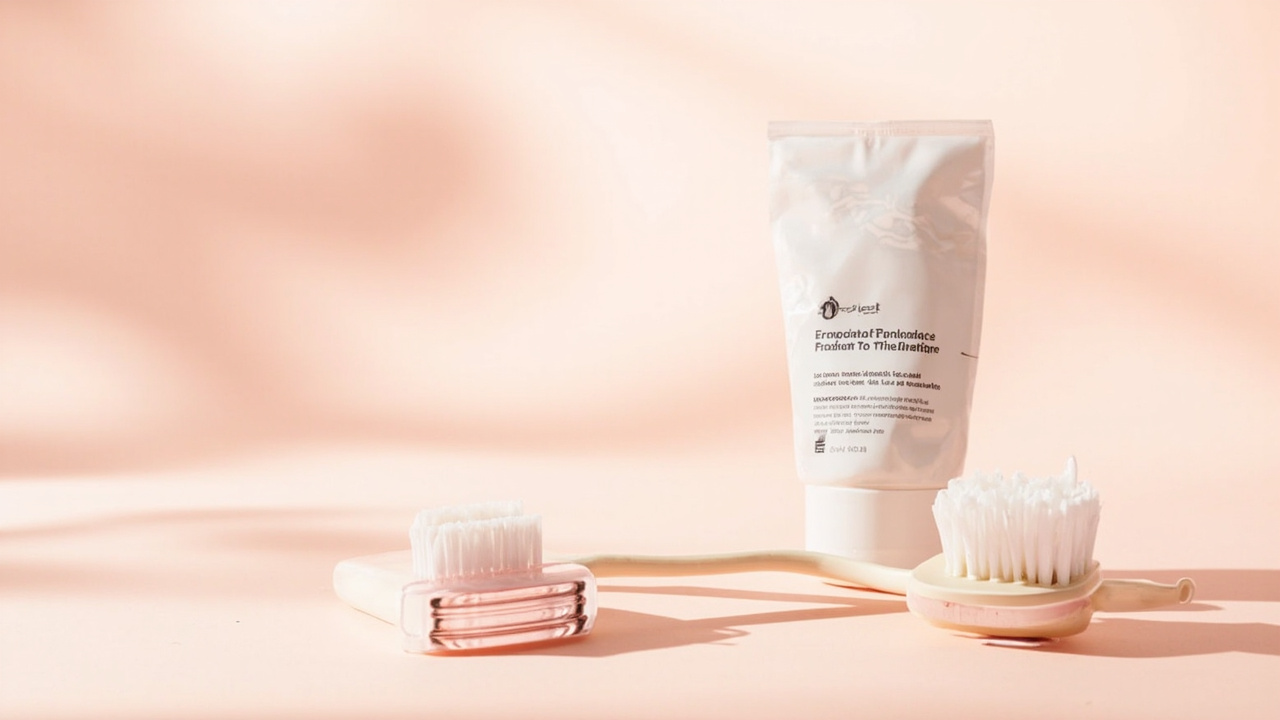
If you have an important meeting or date and need fresh breath now, follow this rapid protocol.
Step 1.1: The Mechanical Clean- Floss first. 80% of bad breath comes from food rotting between teeth. Use unwaxed floss to physically scrape the sides of each tooth.
- Brush for 2 full minutes. Use a soft-bristled brush. Focus on the gumline.
- Tongue Scrape. This is non-negotiable. Use a metal or plastic tongue scraper (not a toothbrush) to remove the white or yellow biofilm from the back of your tongue. Scrape from back to front 5-7 times.
- Drink 16 oz of water immediately. Dehydration concentrates oral bacteria.
- Chew a piece of sugar-free xylitol gum (e.g., Spry, Pur). Xylitol prevents bacteria from sticking to teeth and producing acid.
- Salt water rinse: 1/2 tsp salt in 8 oz warm water. This creates a hypertonic environment that kills bacteria without the harshness of alcohol-based mouthwash (which can dry out your mouth and worsen breath long-term).
H2: Step 2: The 7-Day Repair Protocol (Home Treatment)
!H2: Step 2: The 7-Day Repair Protocol (Home Treatment)
This is the core of the repair process. Consistency is key.
H3: Upgrade Your Oral Hygiene Routine
- Brush smarter, not harder. Use an electric toothbrush (Sonicare or Oral-B) for superior plaque removal. Angle the brush at 45 degrees toward the gumline.
- Floss twice daily. If you only floss once, do it at night. Consider a water flosser (Waterpik) if you have deep gum pockets.
- Tongue scraping is mandatory. Do this every morning before eating. The coating regenerates overnight.
H3: Target the "Hidden" Bacteria
- Irrigate your tonsils. If you have cryptic tonsils (holes in your tonsils), use a low-pressure water flosser or a sterile cotton swab to gently dislodge tonsil stones. Be gentle to avoid bleeding.
- Use a nasal saline rinse. If you have post-nasal drip (mucus draining from your sinuses), use a Neti pot or saline spray twice daily. This mucus is a protein source for oral bacteria.
H3: The "No-Alcohol" Mouthwash Rule
Most commercial mouthwashes (Listerine, Scope) contain high levels of alcohol. Alcohol dries out the mouth, killing bacteria initially but creating a breeding ground for worse bacteria an hour later.
- Switch to an oxygenating mouthwash (e.g., TheraBreath, CloSYS). These use chlorine dioxide or zinc compounds to neutralize VSCs (the odor gas) rather than just masking them with mint.
H3: Hydration & Diet Adjustments
- Drink half your body weight in ounces of water daily. If you weigh 150 lbs, drink 75 oz of water.
- Eat crunchy vegetables. Apples, carrots, and celery act as natural toothbrushes and stimulate saliva.
- Eat yogurt. Probiotics (Lactobacillus salivarius) found in unsweetened yogurt can reduce the population of bad bacteria.
- Avoid triggers: Coffee (dries mouth), garlic/onions (VSCs absorbed into bloodstream and released via lungs), and sugary snacks (feed bacteria).
H2: Step 3: Professional Treatment (When Home Care Isn't Enough)
If you have followed the 7-day protocol and still have bad breath, a professional diagnosis is necessary.
H3: Visit Your Dentist First
- The "Halitosis Exam": A dentist can measure your breath odor using a Halimeter (measures VSCs) or a BANA test (detects specific bacteria).
- Scaling and Root Planing (Deep Cleaning): If you have gum disease (periodontitis), bacteria live in pockets below the gumline. A standard cleaning won't reach them. A deep cleaning is the only way to remove the infection.
- Treatment for Cavities: Decaying teeth are a breeding ground for odor-causing bacteria. Filling them stops the rot.
H3: Visit Your Primary Care Physician or ENT
If your dentist gives you a clean bill of health, the problem is likely systemic.
- Tonsillectomy: For chronic, painful tonsil stones that produce foul odor, removal of the tonsils may be recommended.
- GERD Treatment: Proton pump inhibitors (PPIs) can reduce acid reflux, which brings stomach gases and partially digested food into the mouth.
- Sinus Infection Treatment: Antibiotics or corticosteroids for chronic sinusitis can eliminate the post-nasal drip causing the odor.
- Blood Work: Rule out diabetes, liver failure, or kidney failure (all can cause distinct breath odors).
H2: Product Recommendations (The Best of the Best)
Not all products are created equal. Here is a curated list based on dental research.
H3: Tongue Scrapers
- Best Overall: Oolitt Tongue Cleaner (Stainless steel, easy to clean, ergonomic handle).
- Best Budget: Dr. Tung’s Tongue Cleaner (Plastic, gentle curve).
H3: Toothpaste
- Best for Odor: TheraBreath Fresh Breath Toothpaste (Contains OXYD-8 to neutralize sulfur).
- Best for Gum Health: Parodontax (Fights bleeding gums, the main cause of halitosis).
H3: Mouthwash
- Best Oxygenating: CloSYS Ultra Sensitive (Unflavored, alcohol-free, kills 99.9% of bad bacteria).
- Best for Dry Mouth: Biotène Moisturizing Mouthwash (Alcohol-free, contains enzymes to mimic saliva).
H3: Chewing Gum
- Best for Repair: Spry Xylitol Gum (100% xylitol, promotes enamel remineralization).
H3: Water Flosser
- Best Overall: Waterpik Aquarius WP-660 (10 pressure settings, ideal for gum pockets).
H2: Step 4: The Do's and Don'ts of Long-Term Fresh Breath
H3: The Do's ✅
H3: The Don'ts ❌
H2: Step 5: The Timeline for Repair (What to Expect)
Repairing bad breath is a process, not an event. Here is a realistic timeline.
- Day 1-3: You will notice immediate improvement after tongue scraping and hydration. However, the underlying bacterial load is still high. You may still have "morning breath."
- Day 4-7: The oxygenating mouthwash and improved flossing begin to reduce the bacterial population. Your spouse or partner should start noticing the difference.
- Week 2-4: If the cause is poor hygiene or diet, your breath should be consistently fresh for most of the day. You should no longer taste a metallic or sour taste in your mouth.
- Month 1-3: If you have gum disease, this is the window where a deep cleaning (scaling) will show full results. Gum pockets shrink, and the odor source is eliminated.
- Ongoing: Maintenance. You must continue the routine. Halitosis is a chronic condition for many; it requires lifelong management.
H2: When to See a Doctor (Red Flags)
You should seek immediate professional help if your bad breath is accompanied by:
H2: Conclusion
Bad breath is rarely a mystery. It is almost always the result of bacteria feeding on protein in a dry environment. By following this step-by-step guide—focusing on mechanical cleaning, tongue scraping, hydration, and professional care when needed—you can repair your breath and restore your confidence.
The single most important habit you can adopt today: Buy a tongue scraper and use it every morning before you brush. That one change will eliminate the majority of odor-causing bacteria.H2: Frequently Asked Questions (FAQs)
Q1: Can bad breath come from the stomach?
Answer: Yes, but it's less common than people think. True stomach-related bad breath is usually caused by GERD (acid reflux) or a condition called H. pylori infection. Most "stomach breath" is actually post-nasal drip from the sinuses draining into the throat, or bacteria on the back of the tongue. If you burp frequently and have a sour taste, see a gastroenterologist.Q2: Does mouthwash actually cure bad breath?
Answer: No, mouthwash alone will not cure bad breath. Most mouthwashes only mask the odor for 30-60 minutes. Alcohol-based mouthwashes can even worsen the problem by causing dry mouth. The best approach is to use an oxygenating mouthwash (like TheraBreath or CloSYS) as a supplement to, not a replacement for, brushing, flossing, and tongue scraping.Q3: Is bad breath a sign of gum disease?
Answer: Yes, chronic bad breath is one of the most common early signs of gingivitis (early gum disease) and periodontitis (advanced gum disease). Bacteria accumulate in "pockets" between your gums and teeth, creating a sulfur smell that cannot be brushed away. If your breath smells like rotten eggs and your gums bleed when flossing, you likely have gum disease.Q4: How often should I replace my toothbrush for bad breath?
Answer: Every 3-4 months, or sooner if the bristles are frayed. However, if you have had an active infection (like strep throat, a cold sore, or severe gingivitis), replace your toothbrush immediately after recovery to avoid re-infecting yourself. Also, never share a toothbrush with someone who has bad breath.Q5: Can probiotics help with bad breath?
Answer: Yes. High-quality probiotics, specifically Lactobacillus salivarius and Streptococcus salivarius K12, have been shown in studies to reduce the levels of bad bacteria that produce VSCs. You can find these in specific probiotic lozenges (like EvoraPro or Now Foods OralBiotic) or in unsweetened yogurt. Probiotics help restore the natural balance of your oral microbiome.Final Note: You don't have to live with bad breath. By combining the right tools, the right routine, and the right professional care, you can achieve lasting freshness. Start with the tongue scraper. It will change your life.
Medically Reviewed By
Dr. Michael Park, MD, MPH — Preventive Dermatology SpecialistDr. Park focuses on skin cancer prevention and photoprotection. He earned his MPH from Harvard T.H. Chan School of Public Health and lectures internationally on sun safety.
This article was medically reviewed on 2026-06-09 for accuracy and completeness.
You May Also Like
Explore more articles in our Health collection:
- Best Mascara for Mature Skin: The Ultimate Guide to Lifting, Lengthening, and Defining Lashes
- Best Nail Art Kit for Rosacea: A Complete Guide to Safe, Gentle Nail Care
- Best Nail Dryer Lamp for Combination Skin: The Ultimate Guide to Perfect, Healthy Nails
Related Tools
Try these free calculators and quizzes to personalize your routine: