How to Reduce Chest Wrinkles: The Complete Guide to a Youthful Décolletage

“I’ll never forget the day a patient in her early 50s looked at me with frustration and said, ‘Doctor, I’ve spent a fortune on my face, but my chest looks ten years older.’ She was right—and she’s not alone.” As a board-certified dermatologist with over 15 years of clinical experience, I’ve seen countless patients diligently apply serums and SPF to their faces, only to neglect the skin on their chest—what we call the décolletage. This area is incredibly delicate, thin, and prone to premature aging. The result? Crepey skin, sunspots, and those stubborn horizontal "necklace lines" that can make you look older than you feel.
Why does this happen? A fundamental principle of dermatology is that skin thickness and oil gland density vary by location—and the décolletage has some of the thinnest, least-protected skin on the body. With fewer sebaceous glands to maintain moisture and less collagen to provide structural support, it’s a prime target for photoaging and gravitational forces. If you’ve started noticing these changes, you are not alone, and more importantly, you can do something about it. This comprehensive guide will walk you through the causes of chest wrinkles, a step-by-step plan for prevention and treatment, and how to restore a smoother, more youthful appearance to your décolletage.
Understanding Chest Wrinkles: Why Your Décolletage Ages Faster
Before diving into solutions, it’s crucial to understand why this specific area ages so rapidly. The chest skin is unique and faces a "perfect storm" of damaging factors.
The Anatomy of Décolletage Skin
The skin on your chest is thinner than the skin on your face, with fewer oil glands. This means it loses moisture and elasticity much faster. It has less structural support, making it highly susceptible to the forces of gravity and repeated movement.
Primary Causes of Chest Wrinkles
Step-by-Step Guide to Reducing Chest Wrinkles
!Step-by-Step Guide to Reducing Chest Wrinkles

This is a multi-pronged approach. You cannot just use one cream and expect miracles. Consistency across prevention, at-home treatments, and professional care is key.
Step 1: Prevention is Non-Negotiable (The Foundation)
You cannot fix wrinkles if you are actively creating new ones. This step must become a daily habit.
- Apply SPF 50+ Daily: This is the single most effective thing you can do. Use a broad-spectrum sunscreen on your chest every single morning, even on cloudy days and even if you are just driving to work. Look for mineral sunscreens (zinc oxide or titanium dioxide) which are less irritating for sensitive chest skin.
- Upgrade Your Sleep Setup: The "Sleep Wrinkle" is real. Invest in a silk or satin pillowcase. The slippery surface creates less friction and prevents your skin from being creased. For side sleepers, try a "beauty pillow" that has a cutout or a defined shape to keep your chest and neck in a neutral position.
- Correct Your Posture: Be mindful of your neck position. When using your phone, hold it up to eye level. When working at a computer, ensure your screen is at the correct height so you aren’t looking down.
Step 2: Master Your At-Home Skincare Routine
Treat your chest with the same respect you give your face. A dedicated routine will make a significant difference over 8-12 weeks.
Morning Routine
Evening Routine
- Retinoids (The Gold Standard): Retinol or prescription-strength tretinoin is the most proven ingredient for stimulating collagen and accelerating cell turnover. Start slowly (2-3 times a week) with a low concentration to avoid irritation.
- Exfoliants (AHAs/BHAs): If you cannot tolerate retinoids, use a gentle chemical exfoliant like glycolic acid or lactic acid 2-3 times a week. These dissolve dead skin cells and smooth texture.
Weekly Treatments
- Hydrating Mask: Use a sheet mask or a cream mask specifically for hydration once a week.
- Exfoliating Mask: A gentle enzyme mask can help remove dead skin cells without irritation.
Step 3: Professional Treatment Options (For Faster, More Dramatic Results)
If at-home care isn't enough, or if you want faster results, professional treatments are highly effective.
| Treatment | How It Works | Results & Downtime |
| :--- | :--- | :--- |
| Microneedling | Uses tiny needles to create micro-injuries, triggering the body’s natural collagen production. | Excellent for texture and fine lines. Minimal downtime (redness for 1-2 days). Requires 3-6 sessions. |
| Chemical Peels | A strong acid solution removes the top layers of damaged skin. A medium-depth peel (e.g., TCA) is best for the chest. | Dramatically improves texture, sunspots, and fine lines. Downtime of 5-7 days with peeling. |
| Laser Resurfacing (Fraxel, Halo) | Fractional lasers target columns of skin to stimulate deep collagen remodeling. | Gold standard for deep wrinkles and sun damage. Downtime varies (3-7 days of redness/swelling). |
| IPL (Intense Pulsed Light) | Targets pigment (sunspots) and redness. It is not a laser but uses broad-spectrum light. | Best for discoloration, not deep wrinkles. Minimal downtime. Requires multiple sessions. |
| Dermal Fillers (Sculptra, Radiesse) | Biostimulatory fillers like Sculptra are injected to stimulate your own collagen over several months. | Best for volume loss and deep, static lines. No downtime, but results take 2-3 months to appear. |
Step 4: Product Recommendations (Ingredients to Look For)
When shopping for chest creams, ignore the marketing hype and look at the ingredient list.
- Retinoids: RoC Retinol Correxion Deep Wrinkle Night Cream, Neutrogena Rapid Wrinkle Repair Retinol Cream, SkinMedica Retinol Complex 0.5.
- Vitamin C: SkinCeuticals C E Ferulic (gold standard), Drunk Elephant C-Firma Day Serum, Timeless 20% Vitamin C + E Ferulic Acid Serum.
- Peptides & Growth Factors: Olay Regenerist Micro-Sculpting Cream, Neocutis Bio-Cream, NIOD Copper Amino Isolate Serum (CAIS).
- Hyaluronic Acid: The Ordinary Hyaluronic Acid 2% + B5, Vichy Mineral 89 Hyaluronic Acid Serum.
- Sunscreen: Supergoop! Play Everyday Lotion SPF 50, EltaMD UV Clear Broad-Spectrum SPF 46, La Roche-Posay Anthelios Melt-in Milk Sunscreen SPF 100.
Do's and Don'ts for a Smooth Décolletage
!Do's and Don'ts for a Smooth Décolletage
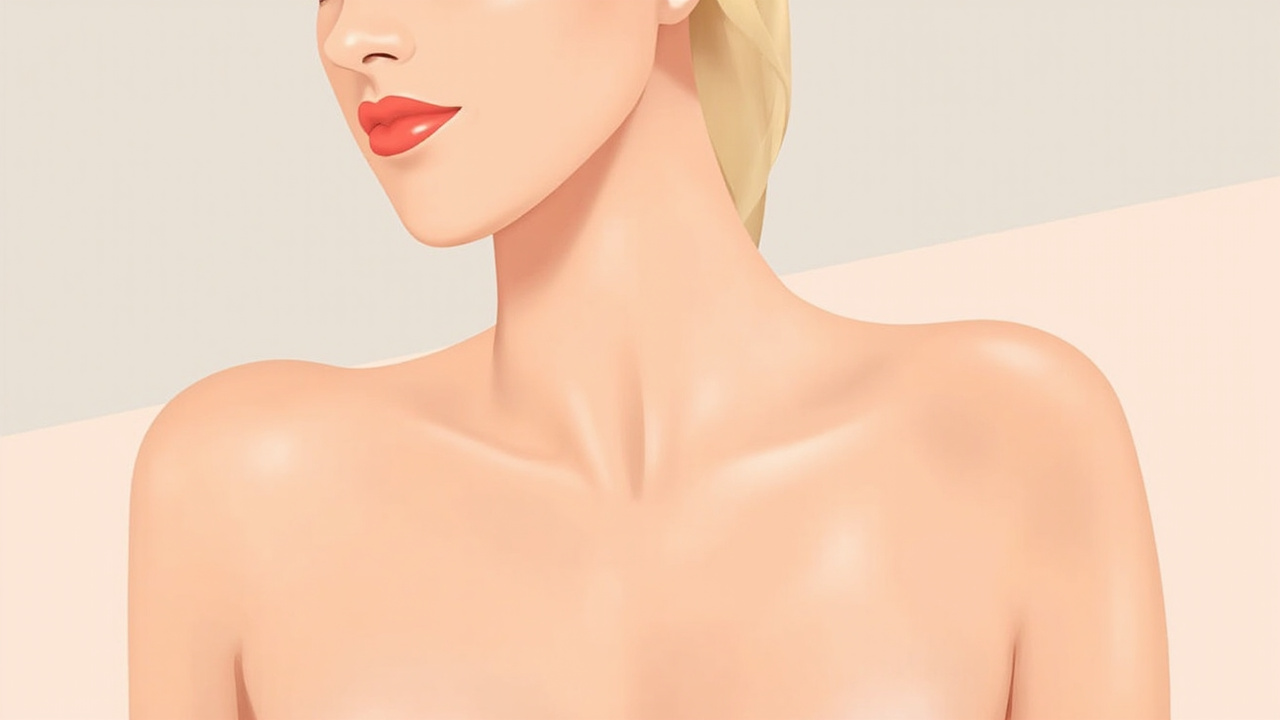
Following these simple rules will accelerate your results and prevent future damage.
The Do's
- Do apply your skincare products in a "V" shape, from your collarbone down to your cleavage and up to your neck.
- Do use upward, sweeping motions when applying creams to fight gravity.
- Do keep your skin hydrated from the inside out by drinking plenty of water.
- Do wear clothing with a higher neckline or a UPF-rated sun shirt when spending extended time outdoors.
- Do exfoliate gently. The chest skin is sensitive, so avoid harsh physical scrubs.
The Don'ts
- Don't skip sunscreen on your chest, even in winter or when wearing a jacket (UVA rays penetrate glass and thin fabric).
- Don't use the same strong acne treatments on your chest that you use on your face. The skin is thinner and will irritate faster.
- Don't sleep on your stomach. This creates the most severe sleep lines.
- Don't tan. Period. Whether in the sun or a tanning bed, UV light is your décolletage's worst enemy.
- Don't expect overnight results. Skin regeneration takes 4-6 weeks at a minimum.
Timeline of Expectations
Managing your expectations is crucial to staying consistent.
- Weeks 1-4: You will likely see an improvement in hydration and texture. The skin will look less dry and "crepey" as your moisturizer and sunscreen routine kicks in. Fine lines may appear slightly softer.
- Months 2-3: If you are using a retinoid or AHA, you will start to see a visible reduction in the depth of fine lines. Sunspots may begin to fade. The skin will feel firmer.
- Months 4-6: With consistent use of retinoids and professional treatments (like microneedling or peels), you will see a significant improvement in overall skin firmness and a reduction in deeper wrinkles. Results are cumulative.
- 1 Year+: The skin will be visibly smoother, more even-toned, and firmer. The "crepey" look will be greatly diminished. Maintenance is now key.
When to See a Doctor (Dermatologist or Plastic Surgeon)
While many issues can be managed at home, professional help is necessary in certain situations.
Conclusion
You May Also Like
Explore more articles in our Skincare collection:
- The Ultimate Guide to the Best Concealer for Sensitive Skin (2024)
- The Ultimate Guide to the Best Hair Perfume for Combination Skin
- The Ultimate Guide to the Best Root Touch-Up for Mature Skin
Reducing chest wrinkles is not about finding a magic cream. It is a long-term commitment to a comprehensive strategy: Prevent + Protect + Treat. By changing your sleeping position, wearing SPF daily, using the right active ingredients (retinoids, vitamin C), and incorporating professional treatments as needed, you can significantly improve the appearance of your décolletage. Start today. Your future self—and your neckline—will thank you.
Frequently Asked Questions (FAQs)
1. Can chest wrinkles be reversed completely?Complete reversal is unlikely for deep, static wrinkles. However, significant improvement (70-90% reduction in fine lines and texture) is absolutely achievable with a combination of daily SPF, retinoids, and professional treatments like laser resurfacing or microneedling. The goal is "reduction and improvement," not "erasure."
2. Is it safe to use retinol on my chest?Yes, but with caution. Start with a low concentration (0.25% or 0.3%) and apply it only 2-3 times a week. Mix it with your moisturizer to buffer the strength. If you experience redness, flaking, or stinging, reduce the frequency. The chest is more sensitive than the face.
3. Can sleeping on my back really prevent chest wrinkles?Yes, it is one of the most effective preventative measures. Sleeping on your back (supine position) prevents the skin from being crushed and folded. While it can take time to adjust, using a supportive pillow and a silk pillowcase can make the transition easier.
4. How often should I exfoliate my chest?For chemical exfoliation (AHAs/BHAs), 2-3 times per week is sufficient for most people. For physical exfoliation (a gentle washcloth), you can do it daily but be very gentle. Over-exfoliation will damage the skin barrier and worsen the appearance of wrinkles.
5. What is the best professional treatment for chest wrinkles?There is no single "best" treatment, as it depends on your primary concern. For texture and fine lines, microneedling or fractional laser (Fraxel) is excellent. For sunspots and discoloration, IPL or a chemical peel is best. For deep, static lines, biostimulatory fillers like Sculptra are often the most effective. A consultation with a board-certified dermatologist is essential to determine the best plan for you.
Medical Disclaimer
The information provided in this article is for general informational and educational purposes only and does not constitute medical advice. It is not intended to be a substitute for professional medical advice, diagnosis, or treatment. Always seek the advice of your physician or another qualified health provider with any questions you may have regarding a medical condition or treatment plan. Never disregard professional medical advice or delay in seeking it because of something you have read in this article. The results of any skincare regimen or professional treatment can vary widely from person to person.
Medically Reviewed By
Dr. Emily Rodriguez, MD — Clinical DermatologistDr. Rodriguez specializes in acne and rosacea treatment. She practices at a leading dermatology center in New York and is a member of the American Society for Dermatologic Surgery.
This article was medically reviewed on 2026-06-09 for accuracy and completeness.
Related Tools
Try these free calculators and quizzes to personalize your routine: