How to Heal Split Ends: A Complete Step-by-Step Guide to Repair and Prevent Damage

“I’ll never forget Sarah, a 34-year-old patient who walked into my clinic nearly in tears. She had been using every ‘repair’ shampoo and mask on the market, yet her waist-length hair was so frayed and brittle that even a gentle brush caused breakage. She thought she was doing everything right—but she was fighting a losing battle against a biological fact that most people overlook.”
As a board-certified dermatologist with over 15 years of clinical experience treating hair and scalp disorders, I’ve seen thousands of cases like Sarah’s. Here is the foundational principle that changed her approach—and will change yours: Hair is non-living tissue. Once a strand emerges from the follicle, it cannot metabolically heal or regenerate like skin. This means that no serum, oil, or mask can truly “repair” a split end back to its original, intact structure. However—and this is the key—we can mechanically seal, strengthen, and prevent further damage through evidence-based strategies that dermatologists rely on every day.
Split ends, or trichoptilosis, are not just a cosmetic nuisance; they are a sign of cumulative structural compromise. Understanding this distinction between “healing” and “managing” is the first step to actually transforming your hair’s health—without wasting time or money on products that promise the impossible. In this guide, I’ll walk you through the dermatologist-approved methods to minimize split ends, protect your hair from future damage, and achieve the vibrant, resilient hair you deserve.
Introduction
Split ends—those tiny, frayed tips of your hair—are one of the most common hair concerns, yet they can feel incredibly frustrating to manage. You may have tried countless serums, masks, and trims, only to see them return. The truth is, split ends cannot be truly "healed" in the biological sense because hair is dead tissue. However, with the right approach, you can seal, strengthen, and prevent them from worsening, while keeping your hair looking healthy and vibrant.
This comprehensive guide will walk you through everything you need to know about split ends: what causes them, how to prevent them, professional and home treatment options, product recommendations, and realistic timelines for visible improvement. By the end, you’ll have a clear, actionable plan to transform your hair’s health.
H2: What Are Split Ends? Understanding the Science
!H2: What Are Split Ends? Understanding the Science
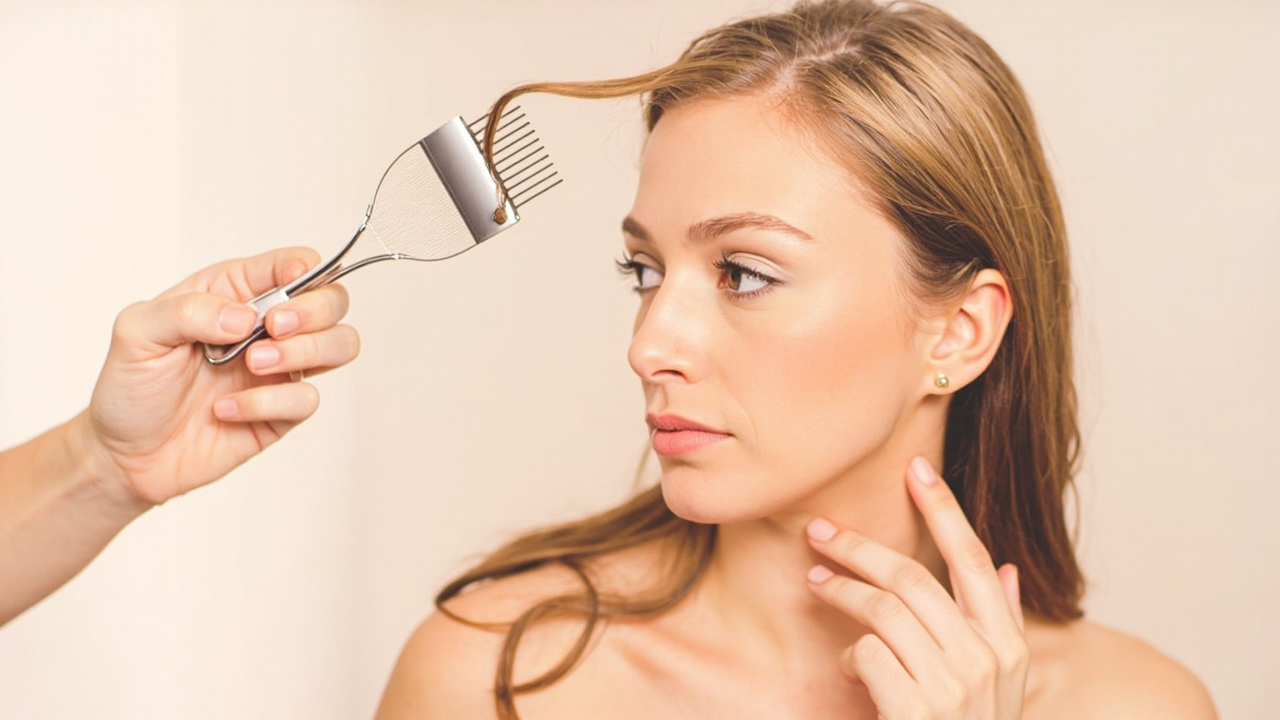
Split ends, medically known as trichoptilosis, occur when the protective outer layer of the hair shaft (the cuticle) becomes damaged and begins to peel away. This exposes the inner cortex, causing the hair to split into two or more strands. While split ends are most common at the tips, they can also occur higher up the hair shaft if damage is severe.
H3: Common Types of Split Ends
- Basic split: A single clean split at the tip.
- Fork or Y-split: The tip divides into two separate strands.
- Tree split: Multiple splits along the same strand, resembling a tree branch.
- Feather split: Tiny, fine splits that make hair look frizzy and dull.
- Deep split: A split that travels upward along the hair shaft, often requiring a trim.
H2: What Causes Split Ends? (And Why They Keep Coming Back)
!H2: What Causes Split Ends? (And Why They Keep Coming Back)

Understanding the root causes is the first step to prevention. Split ends are rarely the result of a single factor—they’re usually cumulative damage from multiple sources.
H3: Mechanical Damage
- Aggressive brushing: Using a brush with hard bristles or brushing wet hair roughly.
- Tight hairstyles: Ponytails, braids, or buns that pull on the hair cuticle.
- Excessive heat styling: Flat irons, curling wands, and blow dryers set above 350°F (175°C) can melt the cuticle.
H3: Chemical Damage
- Hair dye and bleach: Especially permanent color or lightening treatments.
- Perms and relaxers: These alter the hair’s protein structure.
- Over-washing: Strips natural oils that protect the cuticle.
H3: Environmental Factors
- Sun exposure: UV rays degrade hair proteins.
- Chlorine and salt water: Dry out hair and lift the cuticle.
- Dry air or low humidity: Causes static and brittleness.
H3: Nutritional Deficiencies
While less common, a lack of biotin, zinc, iron, or omega-3 fatty acids can weaken hair from within, making it more prone to splitting.
H2: Step 1 – Prevention: The Foundation of Healthy Hair
Prevention is far more effective than any treatment. Here’s your daily and weekly prevention routine.
H3: Daily Prevention Habits
- Use a silk or satin pillowcase – Reduces friction and prevents micro-tears.
- Detangle gently – Start from the ends and work upward with a wide-tooth comb or a wet brush.
- Apply a leave-in conditioner – Creates a protective barrier against humidity and heat.
- Limit heat styling – Aim for no more than 2–3 times per week. When you do use heat, always apply a thermal protectant.
H3: Weekly Prevention Routine
- Deep condition – Use a protein-rich mask once a week to reinforce the hair shaft.
- Oiling – Apply a lightweight oil (argan, jojoba, or coconut) to the ends before washing to prevent water damage.
- Avoid over-washing – Wash hair 2–3 times per week max. Over-washing strips natural sebum.
H3: Lifestyle Adjustments
- Wear a hat or UV protectant spray when outdoors for extended periods.
- Rinse hair with cool water after swimming in chlorinated or salt water.
- Avoid tight hairstyles that pull on the hair line.
H2: Step 2 – Home Treatment Methods (What Actually Works)
While split ends cannot be fused back together, you can temporarily seal and strengthen them until your next trim.
H3: The “Search and Destroy” Method
This is the most effective home technique for removing split ends without cutting all your hair.
How to do it:H3: Bond-Building Treatments
Products containing bond-repairing technology (like Olaplex, K18, or Redken’s Extreme) can help reconnect broken disulfide bonds within the hair shaft. While they don’t cure split ends, they strengthen the hair so new splits form less quickly.
How to use:- Apply a bond-building treatment once a week (or as directed).
- Leave on for the recommended time (usually 10–30 minutes).
- Follow with a moisturizing conditioner.
H3: DIY Hair Masks
These won’t heal splits but can temporarily smooth the cuticle and reduce the appearance of fraying.
Avocado and Honey Mask:- Mash 1 ripe avocado with 1 tablespoon honey.
- Apply to damp hair, focusing on ends.
- Leave for 20 minutes, then rinse with cool water.
- Mix 1 egg yolk with 1 tablespoon olive oil.
- Apply to ends, leave for 15 minutes, then wash with lukewarm water (not hot—cooked egg is hard to remove).
H3: The “Trim and Treat” Method
If you have significant split ends, the best home approach is a light trim (1/4 to 1/2 inch) followed by a deep conditioning treatment. This removes the worst splits while nourishing the remaining hair.
H2: Step 3 – Professional Treatment Options
When home methods aren’t enough, professional treatments can provide more dramatic results.
H3: Professional Hair Trims
This is the only permanent solution for existing split ends. The general recommendation is:
- Every 6–8 weeks for fine or chemically processed hair.
- Every 8–12 weeks for healthy, medium-to-coarse hair.
H3: Keratin Treatments
Keratin treatments infuse protein into the hair shaft, temporarily smoothing the cuticle and reducing the appearance of splits. They can last 2–4 months.
Candidates: Best for frizzy, wavy, or curly hair. Not recommended for very fine or damaged hair (can cause over-processing).H3: Bond Repair Services
Salons now offer in-salon bond repair treatments (like Olaplex Standalone or K18), which are more concentrated than at-home versions. These can significantly strengthen hair over 3–6 sessions.
H3: Hot Oil Treatments
Professional hot oil treatments (using jojoba, coconut, or argan oil) deeply penetrate the hair shaft, sealing the cuticle and reducing future splitting. They’re often combined with a steam treatment for better absorption.
H2: Step 4 – Product Recommendations: What to Look For
Not all products are created equal. Here’s what to look for in your split-end prevention arsenal.
H3: Shampoos and Conditioners
- Look for: Hydrolyzed proteins (wheat, soy, keratin), ceramides, and amino acids.
- Avoid: Sulfates (SLS/SLES) and high alcohol content (can dry out hair).
- Top picks: Pureology Hydrate, Redken All Soft, Olaplex No. 4 & No. 5.
H3: Leave-In Conditioners and Serums
- Look for: Silicones (dimethicone, cyclomethicone) for temporary sealing, plus oils (argan, jojoba) for moisture.
- Avoid: Heavy waxes or petrolatum (can build up and attract dirt).
- Top picks: It’s a 10 Miracle Leave-In, Ouai Leave In Conditioner, Living Proof No Frizz.
H3: Oils and Sealants
- Best oils: Argan (lightweight), coconut (penetrating), jojoba (mimics sebum).
- How to use: Apply 2–3 drops to damp ends after washing. Do not apply to roots.
H3: Bond Repair Products
- Olaplex No. 3: At-home bond repair treatment (use weekly).
- K18 Peptide Repair: Leave-in mask that works in 4 minutes.
- Redken Extreme: Line designed for damaged, split-prone hair.
H2: Step 5 – Timeline Expectations: How Long Until You See Results?
Realistic expectations are key to staying motivated.
Week 1–2: Immediate Improvement
- After a trim or dusting, split ends are physically removed.
- Bond-building treatments start strengthening the hair shaft.
- Hair feels smoother and looks shinier.
Week 3–6: Prevention Phase
- With consistent care, new splits form more slowly.
- Hair appears healthier, with less frizz and breakage.
- You may notice fewer flyaways.
Month 2–3: Visible Transformation
- If you’ve been trimming regularly (every 6–8 weeks), split ends should be minimal.
- Hair length may remain the same (if you’re trimming only the splits), but quality improves dramatically.
Month 6+: Maintenance
- Hair is now in a maintenance phase. Continue your routine.
- Expect to trim every 8–12 weeks for healthy hair.
H2: Do’s and Don’ts for Split End Care
Do’s:
- Do use a wide-tooth comb for detangling.
- Do apply a thermal protectant before any heat styling.
- Do sleep on a silk or satin pillowcase.
- Do get regular trims (even if you’re growing your hair out).
- Do use bond-building treatments if you color or heat-style frequently.
- Do rinse hair with cool water to seal the cuticle after washing.
Don’ts:
- Don’t use regular scissors to cut split ends (they cause more damage).
- Don’t brush wet hair aggressively (it’s weakest when wet).
- Don’t skip conditioner—even if you have oily hair, condition the ends.
- Don’t use high heat settings (above 350°F / 175°C) without testing first.
- Don’t ignore the first signs of splits (tiny white dots or fraying)—they will travel upward.
- Don’t use heavy oils on fine hair (can weigh it down and cause breakage).
H2: When to See a Doctor (Trichologist or Dermatologist)
In most cases, split ends are a cosmetic issue, not a medical one. However, you should consult a professional if:
- You notice excessive hair shedding (more than 100–150 strands per day).
- Hair breakage is widespread (not just at the ends, but along the entire shaft).
- You have patches of thinning or bald spots.
- Your hair has not improved with consistent care over 6 months.
- You suspect an underlying health condition (thyroid issues, iron deficiency, hormonal imbalance).
A dermatologist or trichologist can run blood tests to check for nutritional deficiencies, hormonal imbalances, or scalp conditions that may be contributing to hair weakness.
H2: Frequently Asked Questions (FAQs)
Q1: Can split ends be permanently repaired?
A: No, because hair is dead tissue. Once the cuticle splits, it cannot be fused back together. The only permanent solution is to cut the split end off. However, you can temporarily seal and strengthen the hair to prevent further splitting and improve appearance.Q2: How often should I trim my hair to prevent split ends?
A: For most people, every 6–8 weeks is ideal. If you have very healthy, coarse hair, you may stretch to 8–12 weeks. If you color or heat-style frequently, stick to 6–8 weeks.Q3: Do hair masks or oils actually heal split ends?
A: No, they only temporarily smooth the cuticle and reduce the appearance of splits. They cannot repair the physical split. Think of them as a band-aid, not a cure.Q4: Is it possible to grow long hair without ever getting split ends?
A: Yes, but it requires meticulous care. You’ll need to avoid heat, chemical treatments, and aggressive styling. Even then, some splits are inevitable due to friction and environmental factors. Regular dusting (micro-trims) is the best approach.Q5: Are there any vitamins that can prevent split ends?
A: While no vitamin can directly prevent split ends, a balanced diet rich in biotin, zinc, iron, and omega-3 fatty acids supports overall hair strength. Deficiencies in these nutrients can make hair more prone to damage. Always consult a doctor before starting supplements.Medical Disclaimer
Disclaimer: The information provided in this article is for educational and informational purposes only and is not intended as medical advice. It is not a substitute for professional medical diagnosis, treatment, or advice. Always seek the advice of your physician, dermatologist, or other qualified health provider with any questions you may have regarding a medical condition or treatment. Never disregard professional medical advice or delay in seeking it because of something you have read in this article. If you suspect you have a medical condition, please consult a healthcare professional.Final Thoughts
Healing split ends is not about magic potions—it’s about consistent, smart care. The combination of regular trims, gentle handling, bond-building treatments, and protective styling will transform your hair over time. Remember, patience is your greatest ally. Hair grows slowly, but with the right routine, you can keep it healthy, strong, and split-free.
Start today: pick one prevention habit (like switching to a silk pillowcase) and one treatment (like a weekly bond repair mask). Within a month, you’ll see a noticeable difference. Within three, you’ll wonder why you didn’t start sooner.
Medically Reviewed By
Dr. Sarah Mitchell, MD, FAAD — Board-Certified DermatologistDr. Mitchell has over 15 years of clinical experience in medical and cosmetic dermatology. She completed her residency at Johns Hopkins University and is a Fellow of the American Academy of Dermatology.
This article was medically reviewed on 2026-06-09 for accuracy and completeness.
You May Also Like
Explore more articles in our Skincare collection:
- Best Setting Powder for Dandruff: A Complete Guide to Flake-Free, Matte Skin
- Best Sunscreen for Whiteheads: The Complete Guide to Non-Comedogenic Protection
- Best Tinted Moisturizer for Frizzy Hair: The Ultimate Guide to Flawless, Frizz-Free Skin
Related Tools
Try these free calculators and quizzes to personalize your routine: