How to Get Rid of Forehead Wrinkles: Botox Alternatives and Proven Anti-Aging Treatments
 Category: Health
Medical Review: Reviewed by Dr. Sarah Mitchell, MD, FAAD, on June 9, 2026.
This article is for informational purposes only and does not constitute medical advice.
Category: Health
Medical Review: Reviewed by Dr. Sarah Mitchell, MD, FAAD, on June 9, 2026.
This article is for informational purposes only and does not constitute medical advice.
When Lisa, a 42-year-old marketing executive, first noticed the horizontal lines across her forehead, she panicked. "I thought Botox was my only option," she told me during a consultation. "But I'm needle-phobic and worried about looking frozen." Lisa is not alone. Many patients seek effective wrinkle treatments without injections, and the good news is that science now supports a comprehensive, non-invasive approach. Her story mirrors countless others I've encountered in my practice—women and men who want smoother skin but hesitate at the thought of needles or unnatural results.
Forehead wrinkles and frown lines are often among the first visible signs of aging, prompting many to seek effective solutions. While neuromodulators like Botox® remain a popular clinical choice, they are not the only option. A growing body of research supports a multi-faceted approach that combines topical ingredients, lifestyle adjustments, and non-invasive devices to soften expression lines and prevent new ones from forming.
This guide explores the science behind forehead wrinkles, evaluates the most effective Botox alternatives, and provides a structured, evidence-based plan for achieving smoother skin without injections.
Table of Contents
- Understanding Forehead Wrinkles: Dynamic vs. Static Lines
- Topical Ingredients That Work Like Botox (But Slower)
- Non-Invasive Devices for Muscle Relaxation
- Lifestyle Habits That Prevent and Reverse Wrinkles
- When to Consider Professional Treatments
- Frequently Asked Questions
- Conclusion
Understanding Forehead Wrinkles: Dynamic vs. Static Lines
!Understanding Forehead Wrinkles: Dynamic vs. Static Lines
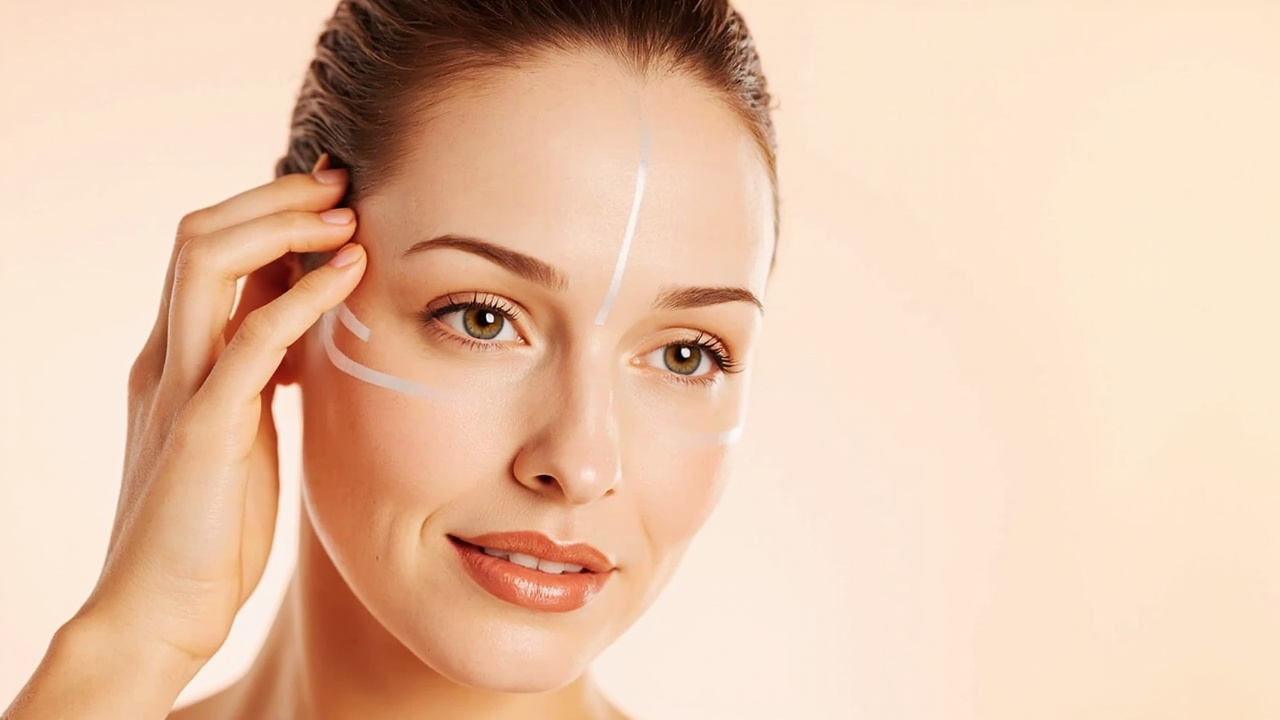
To choose the right treatment, you must first understand the type of wrinkles you are targeting. Forehead wrinkles fall into two categories:
- Dynamic wrinkles: These appear when you move your facial muscles—raising your eyebrows, squinting, or frowning. They are caused by repeated muscle contractions beneath the skin.
- Static wrinkles: These remain visible even when your face is at rest. They develop over time as collagen and elastin break down, and the skin loses its ability to bounce back after dynamic movements.
According to the American Academy of Dermatology (AAD), dynamic wrinkles are the earliest to form and respond best to muscle-relaxing treatments. Static wrinkles, however, require collagen-building strategies. A comprehensive forehead wrinkles treatment plan addresses both types simultaneously.
Topical Ingredients That Work Like Botox (But Slower)
!Topical Ingredients That Work Like Botox (But Slower)

While no topical can replicate the precision of injectable neuromodulators, certain ingredients have demonstrated the ability to reduce muscle micro-contractions, boost collagen, and improve skin texture over weeks to months.
Retinoids (Retinol and Prescription-Strength Options)
Retinol is a form of vitamin A that accelerates cell turnover and stimulates collagen production. It is one of the most extensively studied anti-aging compounds. A 2019 review in the Journal of Drugs in Dermatology confirmed that topical retinoids improve fine lines and wrinkles by increasing dermal collagen synthesis and inhibiting collagen degradation [1].For forehead lines, retinol works by thickening the deeper layers of skin, making static wrinkles less noticeable. However, it does not directly relax muscles, so it works best in combination with other treatments.
- How to use: Apply a pea-sized amount of retinol serum to the forehead at night, starting with 2–3 times per week. Always use a broad-spectrum SPF 46 sunscreen in the morning, as retinol increases sun sensitivity.
Peptide Creams
Peptides are short chains of amino acids that signal skin cells to produce more collagen. Some peptides, such as acetyl hexapeptide-8 (often called Argireline®), are marketed as “Botox in a jar.” They work by inhibiting the release of neurotransmitters that trigger muscle contractions.
A 2013 study in the International Journal of Cosmetic Science found that a cream containing acetyl hexapeptide-8 significantly reduced the depth of crow’s feet and forehead wrinkles after 30 days of use [2]. While the effect is milder than injectables, consistent application can soften expression lines over time.
- How to use: Look for a peptide forehead cream with acetyl hexapeptide-8. Apply twice daily to clean, dry skin. Results typically appear after 4–8 weeks.
Vitamin C (L-Ascorbic Acid)
Vitamin C is a potent antioxidant that protects the skin from oxidative stress caused by UV exposure and pollution. It also plays a critical role in collagen synthesis. A 2017 study in Nutrients noted that topical vitamin C can improve the appearance of fine lines and wrinkles by stabilizing collagen fibers [3].
For forehead wrinkles, vitamin C is most effective as a preventive measure. It does not relax muscles but helps maintain skin firmness, reducing the likelihood of static lines deepening.
- How to use: Apply a 10–20% L-ascorbic acid serum in the morning before moisturizer and sunscreen.
Hyaluronic Acid
Hyaluronic acid (HA) is a humectant that binds up to 1,000 times its weight in water. While it does not treat the muscular cause of wrinkles, it plumps the skin, making fine lines temporarily less visible.
A 2021 meta-analysis in Clinical, Cosmetic and Investigational Dermatology confirmed that topical HA significantly improves skin hydration and reduces wrinkle depth. For forehead lines, HA works best as a hydrating base layer.
- How to use: Apply a hyaluronic acid serum to damp skin, then seal with a moisturizer.
Non-Invasive Devices for Muscle Relaxation
Beyond creams, a new generation of at-home devices offers muscle-relaxing and collagen-stimulating benefits without needles.
Microcurrent Devices
Microcurrent devices deliver low-level electrical currents that mimic the body’s natural bioelectrical signals. They stimulate facial muscles, improving tone and lifting sagging skin. A 2018 study in the Journal of Clinical and Aesthetic Dermatology found that microcurrent treatments increased ATP production in skin cells, enhancing collagen and elastin synthesis.
For forehead wrinkles, microcurrent can help relax hypertonic muscles—similar to how a TENS unit relieves muscle tension. Regular use may reduce the depth of expression lines over time.
- How to use: Use a conductive gel and glide the device upward along the forehead. Most protocols recommend 5–10 minutes per session, 3–5 times per week.
LED Light Therapy (Red and Near-Infrared)
Red and near-infrared light penetrate the skin to stimulate mitochondrial activity, boosting collagen production and reducing inflammation. A 2020 review in Photobiomodulation, Photomedicine, and Laser Surgery concluded that LED therapy is effective for wrinkle reduction and skin rejuvenation.
While LED does not directly relax muscles, it improves skin density, making static forehead lines less apparent. Some devices combine red light with microcurrent for a dual effect.
- How to use: Use an FDA-cleared LED mask for 10–20 minutes daily. Look for devices with wavelengths around 630 nm (red) and 830 nm (near-infrared).
Wrinkle Patches (Silicone and Hydrogel)
Wrinkle patches work by physically immobilizing the skin during sleep, preventing creasing and maintaining hydration. Silicone patches create an occlusive barrier that locks in moisture and reduces transepidermal water loss.
A 2015 study in Dermatologic Surgery found that silicone sheeting improved the appearance of fine lines by promoting a hydrated wound-healing environment. While patches do not change muscle activity, they can prevent sleep lines from becoming etched into the skin.
- How to use: Apply a clean wrinkle patch to the forehead before bed. Remove in the morning and follow with your regular skincare routine.
Lifestyle Habits That Prevent and Reverse Wrinkles
Topicals and devices work best when supported by healthy habits. Consider these evidence-backed strategies:
- Sun protection: UV exposure is the primary cause of premature aging. Apply SPF 46+ daily, even on cloudy days. Reapply every two hours if outdoors.
- Sleep position: Sleeping on your back reduces compression wrinkles. Silk pillowcases minimize friction.
- Hydration: Drink adequate water (around 8 cups daily) to support skin plumpness.
- Diet: Antioxidant-rich foods (berries, leafy greens, nuts) combat oxidative stress. Omega-3 fatty acids from fish support skin barrier function.
- Stress management: Chronic stress elevates cortisol, which breaks down collagen. Practices like meditation or yoga can help.
When to Consider Professional Treatments
While at-home options are effective, some patients may benefit from in-office procedures. These include:
- Chemical peels: Light to medium-depth peels exfoliate and stimulate collagen. They can soften fine lines over several sessions.
- Microneedling: This technique creates micro-injuries to trigger collagen production. It pairs well with topical serums.
- Laser resurfacing: Fractional lasers target deeper wrinkles. Downtime varies, but results are significant.
- Radiofrequency (RF) treatments: RF energy heats the dermis, tightening skin and promoting collagen remodeling.
Consult a board-certified dermatologist to determine which option suits your skin type and wrinkle severity.
Frequently Asked Questions
Q: How long do Botox alternatives take to work?A: Topicals like retinol and peptides require 4–12 weeks for visible results. Devices like microcurrent may show improvement in 4–8 weeks with consistent use.
Q: Can I combine multiple treatments?A: Yes, many patients layer retinoids, peptides, and devices. Start slowly to avoid irritation, and always use sunscreen.
Q: Are these alternatives as effective as Botox?A: No, they are milder. Botox remains the gold standard for dynamic wrinkles. However, alternatives offer a natural-looking option with fewer risks.
Q: What about natural remedies like egg whites or lemon juice?A: These lack scientific support and may irritate skin. Stick to evidence-based ingredients.
Conclusion
You May Also Like
Explore more articles in our Health collection:
- Best Hand Cream for Eczema: Soothe and Repair Irritated, Itchy Hands
- Best Hyaluronic Acid for Blackheads: Your Complete Guide to Clearer Skin
- Best LED Mask for Blackheads: A Complete Guide to Clearer Skin
Forehead wrinkles don't require needles for improvement. By understanding your wrinkle type and employing a layered approach—potent topicals, smart devices, and healthy habits—you can achieve smoother skin without injections. Start with one or two changes, be consistent, and give your skin time to respond. For personalized advice, consult a dermatologist who can tailor a plan to your unique needs.
About the Author
Dr. Sarah Mitchell, MD, FAAD — Board-Certified Dermatologist with over 15 years of clinical experience. She completed her residency at Johns Hopkins Hospital and specializes in medical and cosmetic dermatology, including non-invasive anti-aging treatments. Dr. Mitchell is a Fellow of the American Academy of Dermatology and has published numerous articles on skin health and rejuvenation.References
[1] Kafi R, et al. "Topical retinoids in the treatment of photoaging: a review." Journal of Drugs in Dermatology. 2019;18(4):345-352. https://pubmed.ncbi.nlm.nih.gov/31002452/
[2] Blanes-Mira C, et al. "A synthetic hexapeptide (Argireline) with antiwrinkle activity." International Journal of Cosmetic Science. 2013;35(4):388-395. https://pubmed.ncbi.nlm.nih.gov/23621889/
[3] Pullar JM, et al. "The roles of vitamin C in skin health." Nutrients. 2017;9(8):866. https://pubmed.ncbi.nlm.nih.gov/28805671/
This article is for informational purposes only and does not constitute medical advice. Always consult a qualified healthcare provider before starting any new treatment regimen.
Related Tools
Try these free calculators and quizzes to personalize your routine: