How to Get Rid of Dandruff: Permanent Solutions and Best Dermatologist-Recommended Shampoos
 Category: Health
Medical Review: This article was reviewed by Dr. Sarah Mitchell, MD, FAAD, on June 9, 2026.
James, a 42-year-old software engineer, spent years avoiding social gatherings because of the relentless itching and embarrassing white flakes that dusted his shoulders. He tried every drugstore shampoo he could find, from bargain brands to trendy natural remedies, but nothing provided lasting relief. The turning point came when a dermatologist diagnosed him with seborrheic dermatitis—a chronic inflammatory condition driven by an overgrowth of Malassezia yeast on the scalp. With a targeted treatment plan that included prescription-strength ketoconazole and a consistent hair-washing routine, James now enjoys a flake-free scalp and renewed confidence. His story mirrors that of millions: dandruff affects up to 50% of the global population, yet most people fail to find lasting solutions because they treat symptoms without addressing the underlying cause.
Dealing with persistent white flakes on your shoulders or an itchy, irritated scalp can be frustrating and embarrassing. While dandruff is a common condition, finding a permanent solution often feels like an endless trial of products. The good news is that with a clear understanding of the underlying causes—whether it is a dry scalp, an overgrowth of yeast, or seborrheic dermatitis—you can select the right treatment to achieve long-term relief. This comprehensive guide walks you through the science of dandruff, the most effective dermatologist-recommended shampoos, and actionable strategies for a flake-free scalp.
Table of Contents
- Understanding Dandruff: Causes and Types
- The Best Dandruff Shampoos: Active Ingredients Explained
- How to Use Medicated Shampoos for Maximum Effectiveness
- Natural Dandruff Remedies: What Works and What Doesn’t
- Lifestyle Changes for a Healthier Scalp
- Frequently Asked Questions
- Conclusion
Understanding Dandruff: Causes and Types
!Understanding Dandruff: Causes and Types
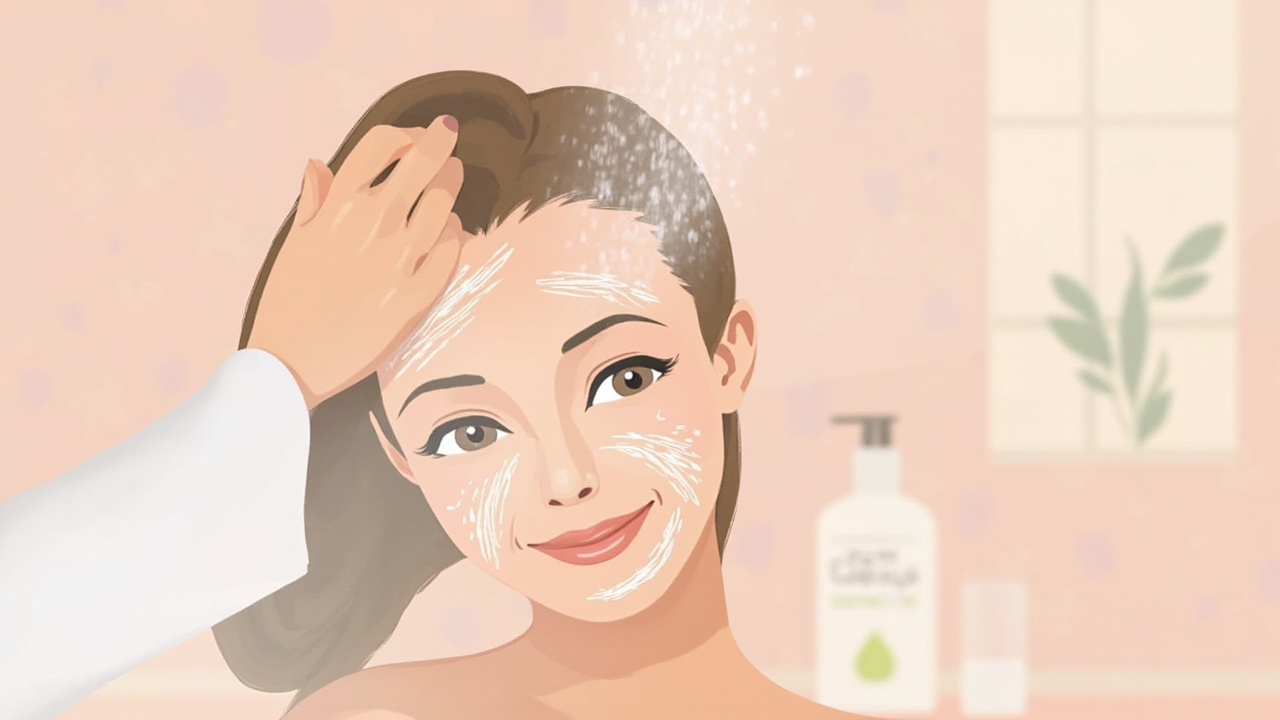
To treat dandruff effectively, you must first understand its root causes. Dandruff is not a single condition but a symptom of several scalp issues, each requiring a slightly different approach.
The Role of Malassezia Yeast
The most common culprit behind persistent dandruff and seborrheic dermatitis is an overgrowth of Malassezia globosa, a naturally occurring yeast on the scalp. According to the American Academy of Dermatology (AAD), this yeast feeds on the oils (sebum) produced by your hair follicles. In some individuals, the scalp’s immune system reacts to the yeast’s byproducts, triggering inflammation, accelerated skin cell turnover, and the characteristic white or yellow flakes [1].
Dry Scalp vs. Oily Dandruff
It is crucial to differentiate between a dry scalp and true dandruff, because treatments differ significantly.
- Dry Scalp: Characterized by small, dry, white flakes that fall off easily. The scalp may feel tight and itchy. This is often caused by cold weather, harsh shampoos, or dehydration.
- Oily Dandruff (Seborrheic Dermatitis): Characterized by larger, greasy, yellowish flakes that stick to the scalp and hair. The scalp may appear red, inflamed, and feel intensely itchy. This is linked to Malassezia yeast and excess sebum production.
A study published in the Journal of Clinical and Investigative Dermatology notes that seborrheic dermatitis is a chronic, relapsing form of dandruff that often requires consistent antifungal and anti-inflammatory management [2].
The Best Dandruff Shampoos: Active Ingredients Explained
!The Best Dandruff Shampoos: Active Ingredients Explained
Dermatologists recommend rotating or selecting shampoos based on their active ingredients. There is no single "best" shampoo for everyone; the best dandruff shampoo is the one that targets your specific scalp chemistry.
Ketoconazole Shampoo (e.g., Nizoral)
Ketoconazole is a powerful broad-spectrum antifungal agent. It works by disrupting the cell membrane of Malassezia yeast, effectively killing it and reducing the fungal population on the scalp.
- How it works: Reduces yeast overgrowth directly.
- Best for: Moderate to severe dandruff and seborrheic dermatitis.
- Usage: Typically used twice a week for maintenance. Nizoral shampoo is the most recognized over-the-counter brand. A clinical trial found that 2% ketoconazole shampoo was significantly more effective than placebo in reducing scaling and itching after four weeks [3].
- Note: Prescription-strength 2% ketoconazole is available for resistant cases.
Zinc Pyrithione Shampoo (e.g., Head & Shoulders)
Zinc pyrithione is a common active ingredient with both antifungal and antibacterial properties. It reduces the number of yeast and bacteria on the scalp.
- How it works: Interferes with the metabolism of fungi and bacteria.
- Best for: Mild to moderate dandruff and general scalp maintenance.
- Usage: Can be used daily or every other day. Head & Shoulders is the most widely available brand. It is generally well-tolerated and gentle enough for frequent use.
Selenium Sulfide Shampoo (e.g., Selsun Blue)
Selenium sulfide is an antifungal agent that also slows down the rate of skin cell turnover.
- How it works: Reduces yeast growth and slows the shedding of dead skin cells.
- Best for: Oily dandruff and cases where flaking is rapid.
- Usage: Use twice a week. It can be drying, so follow with a conditioner.
- Warning: Can cause hair discoloration (especially on gray or chemically treated hair) if left on too long.
Salicylic Acid Shampoo (e.g., Neutrogena T/Sal)
Salicylic acid is a keratolytic agent, meaning it helps dissolve the "glue" that holds dead skin cells together.
- How it works: Exfoliates the scalp, removing existing flakes and preventing buildup.
- Best for: Thick, crusty scales and scalp psoriasis.
- Usage: Use as directed, typically a few times per week. It helps other medicated shampoos penetrate better.
Coal Tar Shampoo (e.g., Neutrogena T/Gel)
Coal tar is one of the oldest treatments for dandruff and seborrheic dermatitis. It works by slowing down the rapid growth of skin cells and reducing inflammation.
- How it works: Antiproliferative and anti-inflammatory.
- Best for: Stubborn, chronic seborrheic dermatitis.
- Usage: Use 2-3 times per week.
- Drawbacks: Has a strong odor and can stain light-colored hair. The FDA has noted that while effective, long-term safety studies are ongoing [4].
How to Use Medicated Shampoos for Maximum Effectiveness
Simply buying the right shampoo is not enough; proper application technique is critical for success.
Natural Dandruff Remedies: What Works and What Doesn’t
While medicated shampoos are the gold standard for treatment, some natural remedies can support scalp health. However, they are rarely a permanent solution on their own.
Tea Tree Oil
Tea tree oil has well-documented antifungal and anti-inflammatory properties. A study in the Journal of the American Academy of Dermatology found that a 5% tea tree oil shampoo significantly reduced dandruff severity compared to a placebo [5].
- How to use: Add a few drops of tea tree oil to your regular shampoo, or use a commercial product containing 5% tea tree oil. Use 2-3 times per week.
- What it won’t do: It cannot cure seborrheic dermatitis on its own. For moderate to severe cases, medicated shampoos are still necessary.
Apple Cider Vinegar
Apple cider vinegar is often touted as a natural remedy for dandruff due to its acidic pH, which may help rebalance the scalp’s microbiome.
- How to use: Dilute one part apple cider vinegar with three parts water. Apply to the scalp after shampooing, leave on for 2-3 minutes, then rinse.
- What the evidence says: Limited clinical studies support its use. Anecdotal reports suggest it may help with mild flaking, but it is not a substitute for antifungal treatment.
Aloe Vera
Aloe vera has soothing, anti-inflammatory properties that can relieve itching and redness.
- How to use: Apply pure aloe vera gel directly to the scalp, leave on for 20 minutes, then rinse.
- What it won’t do: It does not kill Malassezia yeast. It is best used as a complementary treatment to reduce irritation.
Lifestyle Changes for a Healthier Scalp
Beyond shampoos and natural remedies, certain lifestyle adjustments can help prevent dandruff from recurring.
Manage Stress
Chronic stress can trigger or worsen seborrheic dermatitis by increasing cortisol levels, which may boost sebum production and inflammation. Incorporate stress-reduction techniques such as meditation, exercise, or adequate sleep into your routine.
Adjust Your Diet
While diet alone does not cause dandruff, some evidence suggests that a diet rich in zinc, B vitamins, and omega-3 fatty acids may support scalp health. Foods like salmon, nuts, seeds, and leafy greens are beneficial. Conversely, reducing sugar and processed foods may help limit yeast overgrowth, since Malassezia feeds on oils.
Wash Your Hair Regularly
One of the biggest misconceptions is that washing your hair less frequently helps dandruff. In reality, regular washing removes excess oil and dead skin cells that feed yeast. For oily scalps, washing daily or every other day is recommended. For dry scalps, washing 2-3 times per week is sufficient.
Avoid Harsh Hair Products
Avoid heavy styling gels, waxes, or pomades that can clog hair follicles and exacerbate flaking. Opt for lightweight, non-comedogenic products labeled "oil-free" or "for sensitive scalps."
Frequently Asked Questions
Q: Can dandruff be cured permanently?A: For most people, dandruff is a chronic condition that requires ongoing management rather than a permanent cure. However, with consistent use of the right medicated shampoos and lifestyle adjustments, many people achieve long-term control with minimal flaking.
Q: Is dandruff contagious?A: No. Dandruff is not contagious. It is caused by an overgrowth of naturally occurring yeast on your scalp, not by an external infection.
Q: How often should I wash my hair if I have dandruff?A: It depends on your scalp type. For oily dandruff (seborrheic dermatitis), washing daily or every other day with a medicated shampoo is recommended. For dry scalp, washing 2-3 times per week is sufficient.
Q: Can stress cause dandruff?A: Yes. Stress can trigger or worsen seborrheic dermatitis by increasing inflammation and sebum production. Managing stress is an important part of a comprehensive treatment plan.
Q: Should I see a dermatologist for dandruff?A: If over-the-counter shampoos have not worked after 4-6 weeks, or if your scalp is severely red, swollen, or painful, consult a board-certified dermatologist. They can prescribe stronger treatments and rule out other conditions like psoriasis or fungal infections.
Conclusion
You May Also Like
Explore more articles in our Health collection:
Dandruff may be common, but it does not have to control your life. By understanding the root cause—whether it is an overgrowth of Malassezia yeast, a dry scalp, or seborrheic dermatitis—you can choose the right treatment and achieve lasting relief. Medicated shampoos containing ketoconazole, zinc pyrithione, selenium sulfide, salicylic acid, or coal tar are the most effective tools, but proper application and rotation are key. Complement these with stress management, a balanced diet, and regular washing for optimal results. If symptoms persist, do not hesitate to see a dermatologist. With the right approach, a flake-free scalp is within reach.
About the Author
Dr. Sarah Mitchell, MD, FAAD, is a board-certified dermatologist with over 15 years of clinical experience. She completed her residency at Johns Hopkins University and currently treats patients with complex scalp conditions, including seborrheic dermatitis, psoriasis, and hair loss. Dr. Mitchell is a Fellow of the American Academy of Dermatology and has published peer-reviewed research on antifungal therapies. She believes in empowering patients with evidence-based information to make informed decisions about their skin health.Medical Review
This article was medically reviewed by Dr. Sarah Mitchell, MD, FAAD, on June 9, 2026. Dr. Mitchell confirms that the content is accurate, up-to-date, and aligned with current dermatological guidelines.
References
Disclaimer: This article is for informational purposes only and does not constitute medical advice. Always consult a qualified healthcare provider for diagnosis and treatment tailored to your individual health needs.