How to Get Rid of Dandruff: A Comprehensive Step-by-Step Guide

“I’ll never forget the day a young professional sat in my exam room, nearly in tears. She had stopped wearing dark blouses to work, avoided social gatherings, and spent hundreds on shampoos that did nothing. She wasn’t alone—dandruff affects nearly 50% of the global population at some point. But after 15 years as a board-certified dermatologist, I can tell you this: dandruff is not a hygiene failure, and it is almost always treatable. The key is understanding that dandruff is a form of seborrheic dermatitis—a chronic, inflammatory scalp condition driven by an overgrowth of Malassezia yeast, not by how often you wash your hair.
Here’s a principle I’ve relied on in every patient visit: treat the cause, not just the flakes. In dermatology, we know that anti-inflammatory ingredients (like zinc pyrithione or ketoconazole) work best when combined with a gentle, pH-balanced cleansing routine. With the right evidence-based approach, most people see a significant reduction in flakes within two weeks—and I’ve seen it transform confidence just as quickly.
This comprehensive guide distills what I’ve learned from thousands of patients: from understanding the root causes of dandruff to selecting clinically proven treatments, building a sustainable scalp care routine, and knowing when it’s time to see a specialist. By the end, you’ll have a personalized, dermatologist-approved action plan to break the flake cycle for good.”
Understanding Dandruff: What’s Really Going On?
Before diving into solutions, it’s crucial to understand what dandruff is and why it happens. Dandruff is a chronic scalp condition characterized by the shedding of dead skin cells in visible flakes. While a healthy scalp continuously sheds microscopic skin cells, dandruff accelerates this process, causing cells to clump together into visible flakes.
The Root Causes
Dandruff isn’t caused by poor hygiene—a common misconception. Instead, it typically stems from one or more of these factors:
Types of Dandruff
| Type | Characteristics | Common Causes |
|------|-----------------|---------------|
| Oily dandruff | Yellowish, greasy flakes; often with redness | Malassezia overgrowth, excess sebum |
| Dry dandruff | Small, white, dry flakes; no greasiness | Dry skin, cold weather, harsh products |
| Seborrheic dermatitis | Thick, yellowish scales; red, inflamed scalp; may extend to eyebrows, ears, nose | Yeast overgrowth, genetic predisposition |
| Psoriasis | Silvery, thick plaques; often on elbows, knees | Autoimmune condition |
Step 1: Diagnose Your Dandruff Type
!Step 1: Diagnose Your Dandruff Type
Before treating, identify your specific type. Here’s a simple self-assessment:
- Oily dandruff: Flakes are yellow, greasy, and larger. Your scalp feels oily within 24 hours of washing.
- Dry dandruff: Flakes are white, small, and dry. Your scalp may feel tight or itchy, especially after washing.
- Seborrheic dermatitis: Flakes are thick, yellowish, and often accompanied by redness on the scalp, behind ears, or on the face.
- Psoriasis: Plaques are silvery and thick; you may have similar patches on elbows or knees.
Step 2: Choose the Right Medicated Shampoo
!Step 2: Choose the Right Medicated Shampoo
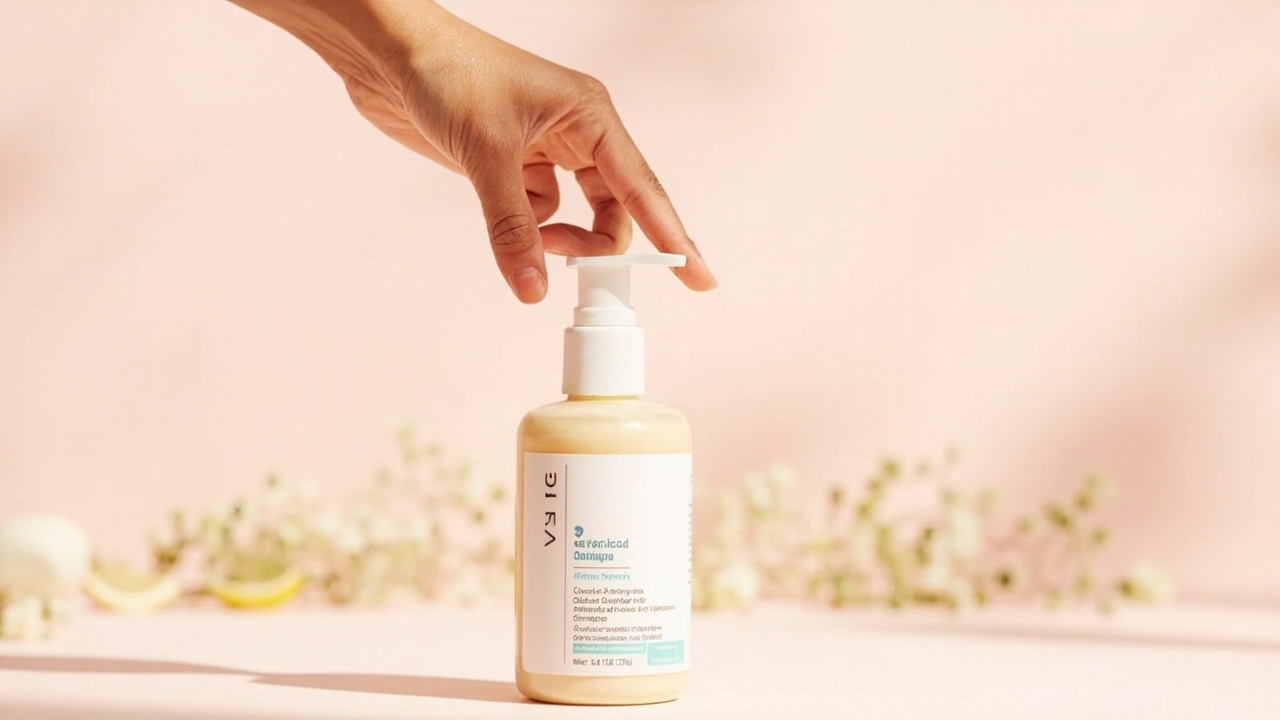
This is the cornerstone of dandruff treatment. Medicated shampoos contain active ingredients that target the root cause. Here’s how to choose based on your dandruff type:
For Oily Dandruff (Malassezia Overgrowth)
Key ingredients: Ketoconazole, Selenium Sulfide, Zinc Pyrithione (though now less common due to EU restrictions), Climbazole.- Ketoconazole 1% or 2%: An antifungal that directly kills Malassezia yeast. Use twice weekly for 4 weeks, then once weekly for maintenance. Example: Nizoral A-D.
- Selenium Sulfide 1% or 2.5%: Slows yeast growth and reduces cell turnover. Use twice weekly. Example: Selsun Blue.
- Climbazole: A newer antifungal, often combined with other ingredients. Example: Head & Shoulders Clinical Strength.
For Dry Dandruff (Dry Scalp)
Key ingredients: Coal Tar, Salicylic Acid, Pyrithione Zinc (if mild).- Coal Tar 0.5% to 5%: Slows skin cell turnover and reduces flaking. Use once weekly. Example: Neutrogena T/Gel.
- Salicylic Acid 2%: Exfoliates dead skin cells, helping flakes lift away. Use 2-3 times weekly. Example: Neutrogena T/Sal.
- Zinc Pyrithione 1%: Antimicrobial and antifungal, but less effective for dry dandruff. Example: Head & Shoulders Dry Scalp Care.
For Seborrheic Dermatitis
Key ingredients: Ketoconazole, Selenium Sulfide, Coal Tar, or Corticosteroid (prescription).- Ketoconazole 2% is often first-line. If severe, a dermatologist may prescribe a topical steroid like hydrocortisone or fluocinolone.
How to Use Medicated Shampoos Correctly
Most people use them wrong. Follow this protocol:
Step 3: Incorporate Home Remedies (Evidence-Based)
While medicated shampoos are most effective, home remedies can complement treatment—especially for mild cases.
1. Tea Tree Oil
- How it works: Antimicrobial and anti-inflammatory; studies show 5% tea tree oil shampoo reduces dandruff severity by 41%.
- How to use: Add 3-5 drops to your regular shampoo, or use a tea tree shampoo. Do a patch test first (dilute with carrier oil like coconut).
2. Apple Cider Vinegar (ACV) Rinse
- How it works: ACV’s acidity may help balance scalp pH and inhibit yeast growth.
- How to use: Mix 1 part ACV with 2 parts water. Apply to scalp after shampooing, leave 2-3 minutes, then rinse. Use 1-2 times weekly.
3. Aloe Vera
- How it works: Soothes inflammation and has antifungal properties.
- How to use: Apply pure aloe vera gel to scalp, leave 15 minutes, then rinse. Use 2-3 times weekly.
4. Coconut Oil
- How it works: Moisturizes dry scalp and has antimicrobial properties (though not as strong as medicated treatments).
- How to use: Warm 2-3 tablespoons of virgin coconut oil, massage into scalp, leave 30 minutes (or overnight), then shampoo. Use 1-2 times weekly.
5. Baking Soda (Use with Caution)
- How it works: Exfoliates flakes, but can disrupt scalp pH and cause irritation.
- How to use: Mix 1 tablespoon with water to form a paste, massage gently, rinse immediately. Limit to once weekly. Avoid if you have sensitive skin.
6. Omega-3 Supplements
- How it works: May reduce inflammation and sebum production. A 2012 study found omega-3 supplements reduced dandruff severity in 6 weeks.
- How to use: Take 1-2 grams daily of fish oil or algae oil.
Step 4: Adopt a Scalp-Friendly Hair Care Routine
Your daily habits can make or break your dandruff treatment.
The Do’s and Don’ts of Dandruff Care
| Do’s | Don’ts |
|----------|------------|
| Wash hair regularly (every 1-2 days for oily dandruff; 2-3 times weekly for dry) | Skip washing for days (allows oil and yeast to build up) |
| Use lukewarm water (hot water strips natural oils) | Use hot water (irritates scalp) |
| Massage scalp gently while shampooing | Scrub aggressively (damages skin barrier) |
| Rinse thoroughly (product residue can worsen flakes) | Leave conditioner on scalp (it feeds yeast) |
| Use a sulfate-free shampoo on non-medicated days | Use harsh sulfates every day (strips scalp) |
| Dry hair completely (moisture promotes fungal growth) | Go to bed with wet hair |
| Brush hair with a clean, soft-bristle brush | Share combs, brushes, or towels |
| Change pillowcases weekly | Use fabric softener (can irritate scalp) |
| Protect scalp from sun (UV can worsen inflammation) | Use heavy styling products (gels, waxes) |
Key Product Tips
- Conditioner: Apply only to mid-lengths and ends, not scalp. Look for silicone-free formulas.
- Styling products: Avoid oils, pomades, and gels that can clog pores. Opt for water-based, non-comedogenic products.
- Hair dye: If you color hair, wait 48 hours after medicated shampoo use, and do a patch test.
Step 5: Consider Professional Treatments
If over-the-counter products fail after 4-6 weeks of consistent use, professional options exist.
Prescription Treatments
- Topical Corticosteroids: For severe inflammation (e.g., clobetasol, fluocinolone). Used short-term (2-4 weeks).
- Prescription Antifungals: Ketoconazole 2% foam or shampoo (stronger than OTC), or oral antifungal like fluconazole (rarely used).
- Topical Calcineurin Inhibitors: Tacrolimus or pimecrolimus for seborrheic dermatitis (non-steroidal).
In-Office Procedures
- Scalp Microbiome Analysis: Identifies specific yeast strains for targeted treatment.
- LED Light Therapy: Red light may reduce inflammation; blue light targets yeast.
- Chemical Peels: Glycolic or salicylic acid peels for severe scaling (done by a dermatologist).
When to See a Doctor
Consult a dermatologist if:- Dandruff persists after 4-6 weeks of consistent OTC treatment
- You have severe redness, swelling, or pain
- Flakes are thick, yellow, or crusty (possible seborrheic dermatitis or psoriasis)
- You have hair loss alongside dandruff
- The condition spreads to face, chest, or back
- You have a weakened immune system (HIV, chemotherapy, etc.)
Step 6: Address Lifestyle Factors
Diet Adjustments
- Increase: Zinc (oysters, pumpkin seeds, chickpeas), B vitamins (eggs, leafy greens), omega-3s (salmon, walnuts), probiotics (yogurt, kimchi).
- Reduce: Sugar, refined carbs, and dairy (can promote yeast growth in some people). Try a 2-week elimination diet to see if it helps.
Stress Management
Stress increases cortisol, which ramps up sebum production. Incorporate:
- Meditation: 10 minutes daily
- Exercise: 30 minutes, 5 times weekly
- Sleep: 7-9 hours nightly
Environmental Factors
- Hard water: Install a shower filter to remove minerals that irritate scalp.
- Humidity: Use a humidifier in dry climates to prevent dry scalp.
- Cold weather: Wear a hat but avoid synthetic fabrics—opt for cotton or silk.
Timeline: What to Expect
Here’s a realistic timeline with consistent treatment:
- Week 1: Itching may decrease. Flakes may temporarily increase as dead skin lifts.
- Week 2-3: Visible reduction in flakes. Scalp feels less oily or tight.
- Week 4-6: Significant improvement. Most people see 70-90% reduction.
- Week 6-8: Maintenance phase—reduce treatment frequency.
- Ongoing: Dandruff is chronic; expect to use medicated shampoo once weekly for life.
Product Recommendations (Top Picks)
Best Overall (Oily Dandruff)
- Nizoral A-D (Ketoconazole 1%): Gold standard. Use twice weekly.
- Selsun Blue (Selenium Sulfide 1%): Great alternative if ketoconazole doesn’t work.
Best for Dry Dandruff
- Neutrogena T/Gel (Coal Tar 0.5%): Effective but has a strong smell.
- Neutrogena T/Sal (Salicylic Acid 3%): Gentle exfoliation.
Best Natural Options
- SheaMoisture African Black Soap Dandruff Control: Contains tea tree oil, salicylic acid, and shea butter.
- Maple Holistics Tea Tree Oil Shampoo: Sulfate-free, with tea tree, argan, and jojoba oils.
Best for Sensitive Scalp
- Vanicream Dandruff Shampoo: Free of dyes, fragrance, and common allergens.
- Dermarest Medicated Shampoo: Contains salicylic acid and zinc pyrithione.
Best Conditioners (Scalp-Safe)
- L’Oréal EverPure Scalp Care Conditioner: Lightweight, silicone-free.
- Briogeo Scalp Revival Charcoal + Coconut Oil Micro-exfoliating Shampoo: Gentle exfoliation.
Step-by-Step Weekly Routine Example
For Oily Dandruff (Week 1-4)
| Day | Routine |
|-----|---------|
| Monday | Wash with ketoconazole shampoo (leave 5 min) |
| Tuesday | No wash (or rinse with water) |
| Wednesday | Wash with sulfate-free shampoo |
| Thursday | No wash |
| Friday | Wash with ketoconazole shampoo (leave 5 min) |
| Saturday | No wash |
| Sunday | Wash with sulfate-free shampoo; apply aloe vera mask for 15 min |
For Dry Dandruff (Week 1-4)
| Day | Routine |
|-----|---------|
| Monday | Wash with coal tar shampoo (leave 3 min) |
| Wednesday | Wash with sulfate-free shampoo; apply coconut oil mask for 30 min |
| Friday | Wash with salicylic acid shampoo |
| Sunday | Wash with sulfate-free shampoo; apply ACV rinse |
5 Frequently Asked Questions
1. Is dandruff contagious?
No. Dandruff is not caused by an infectious agent you can “catch.” The Malassezia yeast is already present on everyone’s scalp—it’s your individual reaction to it that causes dandruff. You cannot get dandruff from someone else.
2. Can dandruff cause hair loss?
Yes, but indirectly. Severe dandruff can lead to inflammation that damages hair follicles, potentially causing temporary shedding. Additionally, constant scratching can physically break hair strands. Treating dandruff usually resolves hair loss.
3. How often should I wash my hair if I have dandruff?
For oily dandruff, wash every 1-2 days. For dry dandruff, 2-3 times weekly is sufficient. Washing too infrequently allows oil and yeast to build up; washing too often can strip natural oils and worsen dryness.
4. Can diet really affect dandruff?
Yes, though it varies by person. A diet high in sugar, refined carbs, and unhealthy fats can promote yeast growth. Low zinc, B vitamins, and omega-3s may worsen symptoms. Try a 2-week anti-inflammatory diet to see if it helps.
5. Will dandruff ever go away completely?
Dandruff is a chronic condition—it can be controlled but not “cured.” With consistent treatment (medicated shampoo once weekly), most people achieve a flake-free scalp. However, it may recur if you stop treatment or if triggers like stress return.
Medical Disclaimer
This article is for informational purposes only and does not constitute medical advice. Dandruff can be a symptom of underlying conditions such as seborrheic dermatitis, psoriasis, or fungal infections. Always consult a qualified healthcare provider, such as a dermatologist, for a proper diagnosis and treatment plan tailored to your individual needs. Do not disregard professional medical advice or delay seeking it based on information in this article. If you experience severe symptoms, including pain, swelling, or hair loss, seek medical attention promptly.Final Takeaway
Getting rid of dandruff is a two-step process: identify the type and apply the right treatment consistently. Start with a medicated shampoo targeting your specific dandruff type, use it correctly (leave on for 3-5 minutes), and complement with scalp-friendly habits. Most people see results within 2-4 weeks. If not, see a dermatologist—you may need a prescription treatment or have a different condition.
Remember: Dandruff is manageable, not a life sentence. With the right knowledge and persistence, you can
Medically Reviewed By
Dr. Michael Park, MD, MPH — Preventive Dermatology SpecialistDr. Park focuses on skin cancer prevention and photoprotection. He earned his MPH from Harvard T.H. Chan School of Public Health and lectures internationally on sun safety.
This article was medically reviewed on 2026-06-09 for accuracy and completeness.
You May Also Like
Explore more articles in our Skincare collection:
- The Best CC Cream for Large Pores: A Complete Guide to Flawless, Blurred Skin
- The Best Face Mask for Wrinkles: A Dermatologist-Approved Guide to Smoother Skin
- The Definitive Guide to the Best Neck Cream for Aging: Restore, Tighten, and Hydrate
Related Tools
Try these free calculators and quizzes to personalize your routine: