How to Get Rid of Blackheads: The Ultimate Step-by-Step Guide to Clear Skin

“I’ll never forget Sarah, a 32-year-old teacher who came to my clinic frustrated and embarrassed by the stubborn blackheads across her nose and chin. ‘I’ve tried every pore strip and scrub on the market,’ she told me, ‘but they just keep coming back.’ After years of trial and error—and a few misguided DIY extractions—she was ready for real answers. As a board-certified dermatologist with over 15 years of clinical experience, I’ve seen thousands of patients just like Sarah, and the truth is: blackheads aren’t just a cosmetic nuisance; they’re a sign that your skin’s natural shedding process has gone off track.”
“Here’s the core dermatological principle you need to know: blackheads, or open comedones, form when a hair follicle becomes clogged with excess oil and dead skin cells—not because your skin is ‘dirty.’ This is why harsh scrubbing and pore strips often make things worse, stripping your skin’s protective barrier and triggering even more oil production. Understanding this biology is the first step toward a treatment plan that actually works, without the cycle of irritation and rebound breakouts.”
“In this comprehensive, evidence-based guide, I’ll walk you through the science behind blackheads, the most effective home remedies and professional treatments, and a strict ‘Do’s and Don’ts’ list to finally achieve smooth, clear skin. Whether you are a skincare beginner or a routine veteran, this step-by-step plan—grounded in clinical research and real-world results—will help you banish blackheads for good.”
What Are Blackheads? (The Science Behind the Clog)
To treat blackheads effectively, you must understand what they are. Medically known as open comedones, blackheads form when a hair follicle becomes clogged with a combination of:
- Sebum (Oil): Excess oil produced by your sebaceous glands.
- Dead Skin Cells: Skin cells that shed irregularly and stick together.
- Bacteria: Specifically Cutibacterium acnes, which thrives in low-oxygen environments.
Common Causes of Blackheads
- Hormonal Fluctuations: Puberty, menstrual cycles, and stress increase oil production.
- Genetics: If your parents had oily skin or large pores, you are more prone.
- Heavy Skincare & Makeup: Occlusive products (like coconut oil or thick creams) can trap debris.
- Over-Cleansing: Stripping your skin of oil causes it to overproduce sebum to compensate.
- Diet: High-glycemic foods (sugar, white bread) and dairy can trigger breakouts in some individuals.
- Friction: Touching your face, wearing helmets, or resting your chin on your hands.
Step-by-Step Guide: How to Get Rid of Blackheads
!Step-by-Step Guide: How to Get Rid of Blackheads
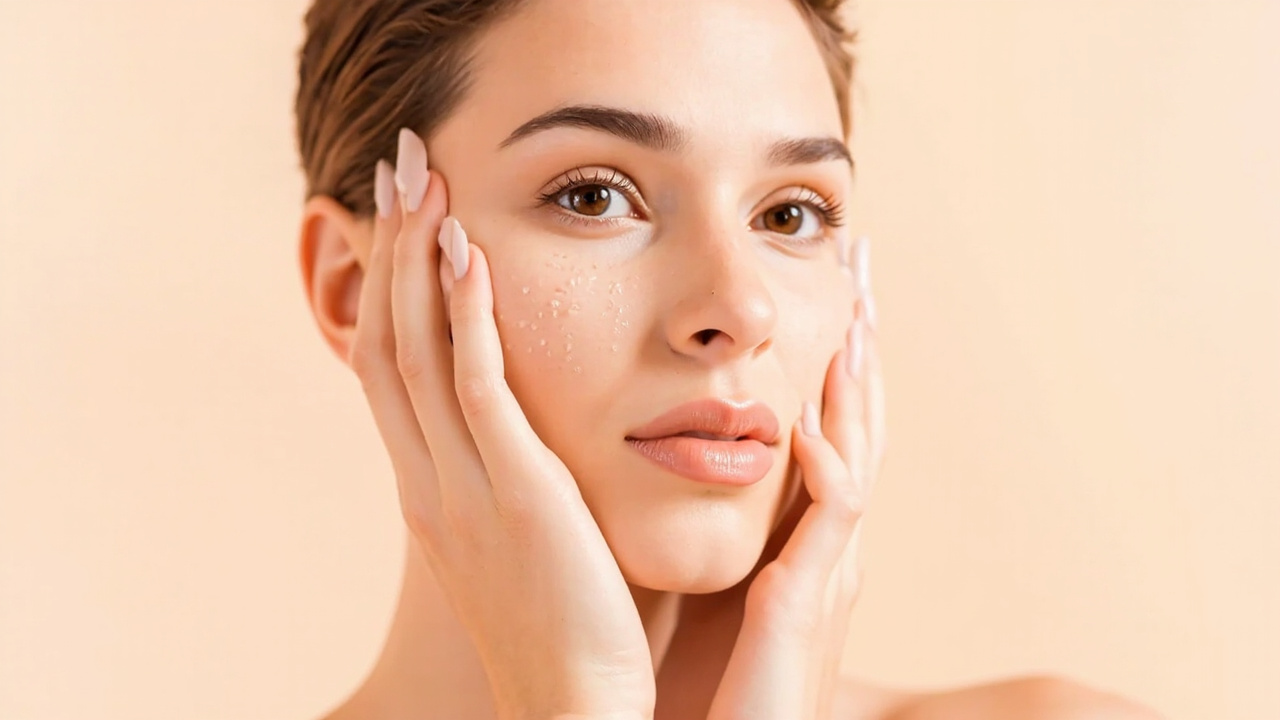
This is a long-term strategy. Quick fixes rarely work. Follow these steps in order for lasting results.
Step 1: Cleanse Correctly (The Foundation)
You cannot treat blackheads on dirty skin. However, harsh sulfates will make them worse.
- Morning: Use a gentle, non-stripping cleanser (gel or cream based).
- Evening: Use a double cleanse.
- Step A: Oil-based cleanser to dissolve sunscreen, makeup, and sebum.
- Step B: Water-based cleanser (preferably with Salicylic Acid or Niacinamide) to clean the pores.
Step 2: Exfoliate with Chemical Exfoliants (The Key)
Physical scrubs (apricot kernels, sugar) cause micro-tears and push bacteria deeper. You need chemical exfoliation.
- Beta Hydroxy Acid (BHA) – Salicylic Acid: This is the gold standard for blackheads. BHA is oil-soluble, meaning it can penetrate deep into the pore to dissolve the sebum and dead skin plug.
- How to use: Apply a BHA toner or serum 2-3 times per week (or daily if your skin tolerates it). Leave on for 20-30 minutes before applying moisturizer.
- Alpha Hydroxy Acids (AHAs) – Glycolic/Lactic Acid: These work on the surface to shed dead skin cells. They are good for texture but less effective for deep clogs.
Step 3: Use Retinoids (The Heavy Lifter)
Retinoids (Vitamin A derivatives) are the most scientifically proven ingredient to prevent blackheads. They increase cell turnover, stopping the plug from forming in the first place.
- Over-the-Counter: Retinol (Adapalene/Differin is now OTC and excellent for acne).
- Prescription: Tretinoin (stronger, requires a dermatologist).
Step 4: Add a Clay Mask (The Extraction Aid)
Clay masks do not remove blackheads permanently, but they are excellent at drawing oil to the surface and loosening the plug.
- Best clays: Kaolin, Bentonite.
- How to use: Apply a thin layer to the T-zone once a week. Leave on for 10-15 minutes (do not let it crack). Rinse with warm water.
Step 5: The Only Safe Extraction Method (Manual)
Warning: Picking and squeezing causes broken capillaries, scarring, and larger pores. If you must extract at home, do it safely.Do’s and Don’ts of Blackhead Removal
!Do’s and Don’ts of Blackhead Removal
This section is critical for preventing damage.
✅ Do’s
- Do use non-comedogenic products (check the label).
- Do change your pillowcase every 3 days.
- Do use a silk or satin pillowcase to reduce friction.
- Do wear sunscreen daily. UV rays thicken the skin's outer layer, trapping more oil.
- Do be patient. It takes 4-8 weeks for a new cell cycle to complete.
- Do see a dermatologist if you have severe, widespread, or inflamed acne.
❌ Don’ts
- Don't use pore strips (Biore strips). They rip off the top of the blackhead, leaving the root deep inside. This makes the pore look larger and refill faster.
- Don't use toothpaste, baking soda, or lemon juice. These are acidic and alkaline, destroying your skin's protective barrier.
- Don't steam your face for more than 10 minutes. Over-steaming dilates capillaries and can cause broken veins (telangiectasias).
- Don't over-exfoliate. If your skin feels tight, stings, or looks shiny/waxy, you have damaged your moisture barrier. Stop all actives and focus on hydration.
- Don't use heavy oils (coconut, olive, cocoa butter) on your face if you are prone to blackheads.
Professional Treatments (When Home Care Isn't Enough)
If you have tried a BHA + Retinol routine for 3 months with no improvement, consider professional help.
1. Professional Extractions (Esthetician or Dermatologist)
- What it is: A trained professional uses sterile tools to manually extract the blackheads.
- Cost: $50 - $150 per session.
- Result: Immediate improvement, but requires maintenance.
2. Chemical Peels (Medical Grade)
- What it is: A high-concentration acid (Salicylic, Glycolic, or TCA) is applied to peel off the top layers of skin.
- Result: Deeply cleans pores, reduces oil, and improves skin texture.
- Downtime: 3-7 days of peeling.
3. Microdermabrasion
- What it is: A device sprays fine crystals onto the skin to sand away the top layer.
- Result: Good for surface texture, less effective for deep blackheads.
4. Laser Treatments (Isolaz or Photodynamic Therapy)
- What it is: Uses light and vacuum suction to kill bacteria and shrink oil glands.
- Result: Long-term reduction in oil production. Requires 3-6 sessions.
5. Prescription Medications
- Tretinoin (Retin-A): The strongest topical for cell turnover.
- Clascoterone (Winlevi): A new topical that blocks the androgen receptors in oil glands (hormonal treatment).
- Spironolactone (Oral): For women with hormonal blackheads/acne. Lowers testosterone to reduce oil.
Timeline Expectations: How Long Until I See Results?
Patience is the hardest part of skincare. Here is a realistic timeline:
| Timeframe | What to Expect |
| :--- | :--- |
| Week 1 | Skin may feel drier. You might see purging (new small whiteheads/blackheads coming to the surface). This is normal. Do not stop. |
| Weeks 2-4 | Purging subsides. Blackheads look smaller and less dark. Pores appear tighter. |
| Weeks 6-8 | Significant reduction in the number of blackheads. Skin texture is smoother. |
| Months 3-6 | Maintenance phase. New blackheads form much slower. Routine is now a habit. |
Red Flag: If you have no improvement after 12 weeks of consistent BHA/Retinol use, you need a dermatologist.Product Recommendations (The Best of the Best)
Here is a curated routine for blackhead-prone skin.
Cleanser
- Budget: CeraVe Salicylic Acid Cleanser
- Splurge: SkinCeuticals LHA Cleanser
Exfoliant (BHA)
- Budget: The Ordinary Salicylic Acid 2% Masque (wash-off)
- Splurge: Paula’s Choice Skin Perfecting 2% BHA Liquid Exfoliant (leave-on)
Retinoid
- OTC: Differin Adapalene Gel 0.1%
- Prescription: Tretinoin Cream (ask your derm)
Moisturizer (Crucial!)
- Gel-based: Neutrogena Hydro Boost Water Gel (fragrance-free)
- Oil-free: La Roche-Posay Effaclar Mat (mattifying)
Sunscreen (Non-negotiable)
- Supergoop! Unseen Sunscreen SPF 40 (invisible, no white cast)
- EltaMD UV Clear SPF 46 (contains Niacinamide to help pores)
When to See a Doctor (Dermatologist)
You should seek professional medical advice if:
Frequently Asked Questions (FAQs)
1. Do pore strips actually work to remove blackheads?
No. Pore strips remove the top, oxidized portion of the sebum plug. They are excellent for instant gratification, but they do not remove the root. The pore will refill within 24-48 hours, often looking larger. They are okay for a one-time event (e.g., before a wedding) but not a solution.2. Can toothpaste get rid of blackheads?
Absolutely not. Toothpaste contains baking soda, hydrogen peroxide, alcohol, and fluoride. These ingredients are highly irritating to the skin barrier. They will dry out the blackhead temporarily but cause redness, peeling, and chemical burns.3. Why do I get blackheads even though I wash my face twice a day?
Blackheads are not caused by dirt. They are caused by internal factors (hormones, genetics, oil production) and clogged pores. Washing removes surface oil but cannot penetrate the pore. You need a chemical exfoliant (BHA) to dissolve the internal plug.
4. Is it bad to pop blackheads with my fingers?
Yes. Fingernails harbor bacteria and dirt. Squeezing with fingers applies uneven pressure, which can rupture the follicle wall, pushing the contents deeper into the skin. This causes inflammation, infection, and scarring. Always use a sterile comedone extractor or leave it to a professional.5. Will blackheads go away on their own if I ignore them?
Rarely. Blackheads are stable, non-inflamed lesions. Unlike a pimple, they do not have a "life cycle" that resolves on its own. The plug is solid. Without intervention (chemical exfoliation or extraction), they will remain for months or even years, often growing larger over time.Medical Disclaimer
This article is for informational purposes only and does not constitute medical advice. It is not a substitute for professional medical diagnosis, treatment, or consultation with a qualified dermatologist or healthcare provider. Always seek the advice of your physician or another qualified health provider with any questions you may have regarding a medical condition or skincare regimen. Never disregard professional medical advice or delay in seeking it because of something you have read in this article. Results vary by individual; product recommendations are based on general consensus and efficacy data, not guaranteed outcomes.Medically Reviewed By
Dr. James Chen, MD, PhD — Dermatology ResearcherDr. Chen is a physician-scientist specializing in skin barrier research. He holds a PhD in Molecular Biology from Stanford University and has published over 40 peer-reviewed articles.
This article was medically reviewed on 2026-06-09 for accuracy and completeness.
You May Also Like
Explore more articles in our Beauty collection: