How to Fade Crow’s Feet: A Complete Step-by-Step Guide to Erasing Eye Wrinkles

“I’ll never forget the patient who came to me in her early forties, frustrated that concealer no longer hid the fine lines fanning out from her eyes. ‘It makes me look tired all the time, even after a full night’s sleep,’ she said. That moment—and thousands like it in my years as a board-certified dermatologist—reminds me that crow’s feet aren’t just wrinkles; they’re often the first signal our skin sends that collagen production has begun its steady decline.”
“As a dermatologist with over 15 years of clinical experience, I’ve seen firsthand that the skin around the eyes is uniquely vulnerable. At roughly 0.5mm thick—nearly four times thinner than the skin on your cheeks—this area has fewer oil glands and less underlying fat, making it prone to dehydration and early wrinkle formation. A foundational principle in dermatology is that prevention is far more effective than reversal: daily sun protection and targeted skincare can delay the onset of these lines by years.”
“While crow’s feet are a natural part of life, the good news is that you don’t need invasive surgery to soften their appearance. This science-backed, step-by-step guide distills the latest evidence into a clear roadmap for fading crow’s feet—from daily prevention to professional treatments—so you can achieve a smoother, more rested look without leaving your dermatologist’s office.”
H2: Understanding Crow’s Feet: Causes and Background
Before treating the lines, you must understand why they form. Crow’s feet (medical term: lateral canthal lines) are categorized as dynamic wrinkles—meaning they are caused by muscle movement.
H3: The Primary Causes
- Repetitive Muscle Contractions: Every time you squint, smile, or laugh, the orbicularis oculi muscle contracts. Over decades, the skin’s elasticity weakens, and these temporary creases become permanent grooves.
- Collagen and Elastin Breakdown: Starting in your mid-20s, your body produces about 1% less collagen per year. The delicate eye area loses the scaffolding that keeps skin plump and smooth.
- Photoaging (UV Damage): This is the #1 preventable cause. UV rays penetrate the thin eye skin, breaking down collagen and elastin fibers, accelerating wrinkle formation by decades.
- Free Radical Damage: Pollution, blue light from screens, and lifestyle factors (smoking, poor diet) create oxidative stress, which degrades skin cells.
- Dehydration: Dry skin is more prone to creasing. When the skin lacks moisture, fine lines appear deeper and more pronounced.
- Genetics: Some people are genetically predisposed to earlier or deeper wrinkling due to their skin type (fair skin often shows damage faster) and facial structure.
H3: Types of Crow’s Feet
- Dynamic Lines: Visible only when you smile or squint. These are the easiest to treat with neuromodulators (like Botox).
- Static Lines: Visible even when your face is at rest. These require a combination of fillers, retinoids, and laser treatments to address the loss of volume and collagen.
H2: Step 1 – Prevention: The Best Strategy for Fading Crow’s Feet
!H2: Step 1 – Prevention: The Best Strategy for Fading Crow’s Feet
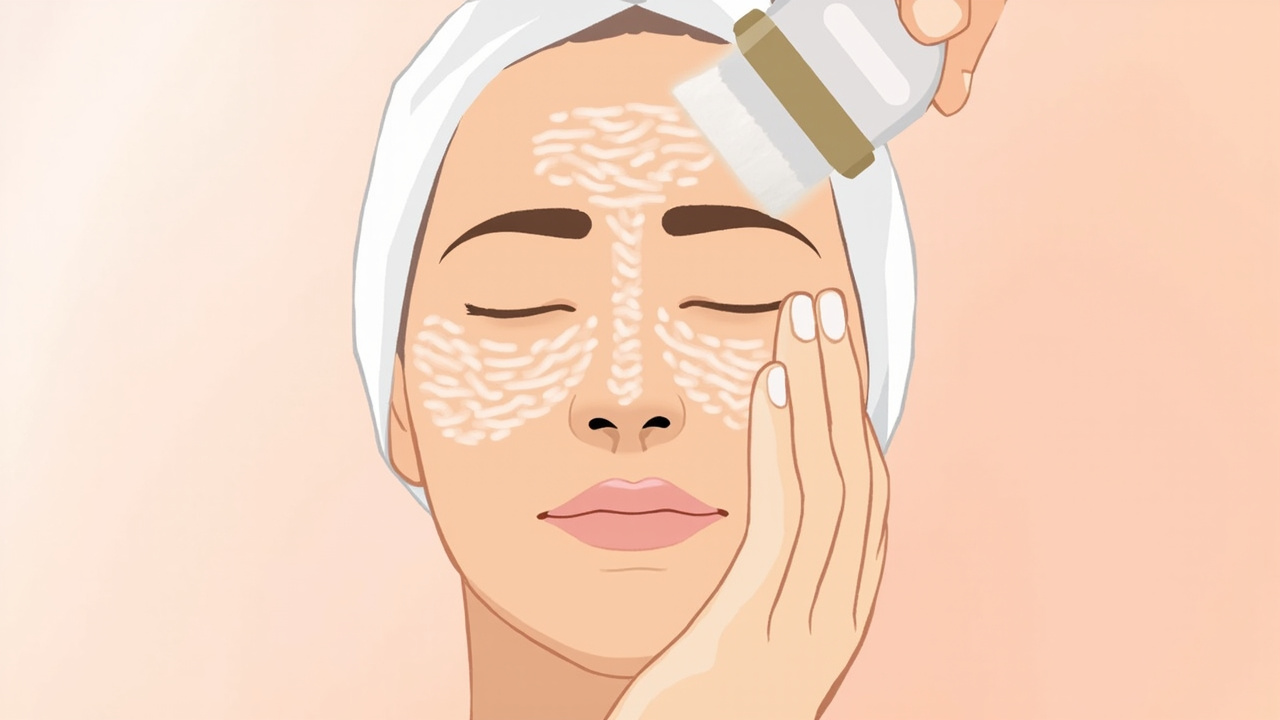
You cannot fully stop the aging process, but you can slow it dramatically. Prevention is not just for young skin; it is the foundation of any effective fading routine.
H3: The "Non-Negotiable" Sun Protection Routine
Sunscreen is your most powerful anti-aging tool. For the eye area, standard face sunscreen can sting.
- Use a Mineral Sunscreen: Look for Zinc Oxide or Titanium Dioxide. These sit on top of the skin and reflect UV rays without irritating the eyes.
- Recommendation: Supergoop! Play 100% Mineral Lotion SPF 50 or La Roche-Posay Anthelios Mineral Sunscreen SPF 50.
- Wear UV-Protective Sunglasses: This is a two-in-one solution. Sunglasses block UV rays and prevent you from squinting (the primary mechanical cause of crow's feet). Look for wraparound styles or large lenses labeled "UV400."
- Reapply: Sunscreen on the eye area should be reapplied every 2 hours if you are outdoors.
H3: Change Your Facial Habits
- Stop Squinting: If you need glasses or a new prescription, get them. Squinting is a repetitive micro-movement that carves lines into your skin.
- Sleep on Your Back: Side or stomach sleeping smashes your face into a pillow, creating "sleep wrinkles" that can become permanent over time. Use a silk or satin pillowcase to reduce friction.
H2: Step 2 – At-Home Topical Treatments (The Daily Routine)
!H2: Step 2 – At-Home Topical Treatments (The Daily Routine)

Consistency is key. You cannot fade crow's feet overnight, but the right ingredients can stimulate collagen and hydrate the skin to reduce the appearance of lines in 4–12 weeks.
H3: The Powerhouse Ingredients
- Retinoids (Vitamin A): The gold standard for wrinkle reduction. They speed up cell turnover and stimulate collagen production.
- How to use: Start with a low-strength retinol eye cream (e.g., 0.1% - 0.3%) 2-3 times a week. Never apply directly to the lash line or inner corner. Always use at night.
- Product: RoC Retinol Correxion Eye Cream (budget-friendly) or SkinCeuticals Retinol 0.5 Refining Eye Cream (professional grade).
- Peptides: These are short chains of amino acids that signal the skin to produce more collagen. They are gentle and can be used morning and night.
- Product: The Ordinary Multi-Peptide Eye Serum or Olay Regenerist Retinol 24 Night Eye Cream (contains both retinol and peptides).
- Vitamin C (L-Ascorbic Acid): A potent antioxidant that protects against free radicals and brightens the skin. It can help fade the dark circles that often accompany crow's feet.
- Product: Drunk Elephant C-Tango Multivitamin Eye Cream or Paula’s Choice C5 Super Boost Eye Cream.
- Hyaluronic Acid: A humectant that holds 1,000 times its weight in water. It plumps the skin, temporarily smoothing fine lines.
- Product: Neutrogena Hydro Boost Eye Gel-Cream or Vichy Mineral 89 Hyaluronic Acid Eye Serum.
H3: The Ideal AM/PM Routine
- Morning:
- Evening:
H3: DIY and Natural Options (Use with Caution)
While not as effective as medical-grade ingredients, some natural remedies can provide mild hydration and anti-inflammatory benefits.
- Cold Compress (Cucumber or Tea Bags): Chilled cucumber slices or green tea bags (cooled) reduce puffiness, which can make lines appear less prominent. This is temporary (lasting hours).
- Aloe Vera Gel: Contains malic acid, which can help improve skin elasticity. Use pure aloe gel as a cooling mask.
- Castor Oil: Rich in fatty acids. Apply a tiny drop to the crow's feet area at night. It is deeply moisturizing but can clog pores for some.
H2: Step 3 – Professional Treatments (For Faster, Dramatic Results)
If at-home care isn't enough, or if you have deep static lines, professional procedures are the most effective route.
H3: Neuromodulators (Botox, Dysport, Xeomin)
- How it works: A purified protein is injected into the orbicularis oculi muscle. It temporarily blocks the nerve signals, preventing the muscle from contracting. You can still smile, but you cannot squint deeply.
- Results: Visible in 3–7 days. Lines soften significantly or disappear completely when the face is at rest.
- Duration: 3–4 months.
- Cost: $300–$600 per session.
- Best for: Dynamic lines.
H3: Dermal Fillers (Restylane, Juvederm)
- How it works: A gel-like hyaluronic acid is injected under the lines to plump the skin from within. This "fills" the crease and replaces lost volume.
- Results: Immediate. The skin looks smoother and more supported.
- Duration: 6–12 months.
- Cost: $600–$1,200 per syringe.
- Best for: Deep static lines and hollowing under the eyes.
H3: Laser Resurfacing (Fraxel, CO2, Halo)
- How it works: A laser creates microscopic injuries in the skin, stimulating the body’s natural wound-healing response. This produces new collagen and elastin.
- Results: Gradual improvement over 3–6 months. Significant reduction in fine lines and skin texture.
- Duration: 1–3 years (depending on the laser).
- Cost: $1,000–$3,000 per session.
- Best for: Fine lines, sun damage, and overall skin quality.
H3: Microneedling with Radiofrequency (Morpheus8, Vivace)
- How it works: Tiny needles penetrate the skin, and radiofrequency energy heats the deeper layers, tightening the skin and boosting collagen.
- Results: Visible after 3 sessions.
- Duration: 1–2 years.
- Cost: $800–$1,500 per session.
H2: Do’s and Don’ts for Fading Crow’s Feet
| Do’s | Don’ts |
| :--- | :--- |
| Do use a dedicated eye cream with active ingredients. | Don’t use harsh body moisturizers or heavy creams near the eyes. |
| Do apply sunscreen to the eye area every single day. | Don’t rub or pull the skin when applying products. Tap gently. |
| Do wear UV400 sunglasses outdoors. | Don’t smoke or vape. Nicotine constricts blood vessels, starving skin of oxygen. |
| Do sleep on a silk pillowcase. | Don’t use high-strength retinol (above 0.5%) without a doctor’s guidance. |
| Do stay hydrated (drink water) and eat omega-3 rich foods. | Don’t sleep with makeup on, especially eye makeup. |
| Do consult a dermatologist for deep lines. | Don’t over-exfoliate the eye area. It is too thin for scrubs or acids. |
H2: Timeline Expectations (What to Realistically Expect)
Fading crow's feet is a marathon, not a sprint. Here is a realistic timeline:
- Week 1–2 (Immediate): Hydrating eye creams and cold compresses will give a temporary "plump" effect. Lines may look 10-15% better for a few hours.
- Month 1–2: With consistent retinol and peptide use, you may notice fine lines look "blurred" or less deep. The skin texture will improve. This is the start of collagen remodeling.
- Month 3–6: Significant improvement. Dynamic lines (smile lines) will be softer. Static lines will be less visible. You will see a 30-50% reduction in line depth.
- Month 6–12: With continued use of retinoids and sunscreen, collagen production continues. You may need a maintenance session of Botox or a touch-up filler.
- 1 Year+: The results plateau. To maintain, you must continue the routine. Stopping retinol or sunscreen will cause lines to return.
- Botox: Full effect in 2 weeks. Lasts 3-4 months.
- Fillers: Immediate. Need touch-up at 9-12 months.
- Laser: Best results at 3-6 months post-treatment.
H2: When to See a Doctor
While most cases of crow's feet are cosmetic, you should consult a board-certified dermatologist or plastic surgeon if:
H2: Frequently Asked Questions (FAQs)
1. Can I use regular face retinol around my eyes?
No. Standard retinol formulations are too strong for the thin eye skin. Use a product specifically formulated for the eye area (usually 0.1%–0.3% retinol) to avoid irritation, peeling, and redness.
2. Does Botox completely erase crow's feet?
Botox is highly effective for dynamic crow's feet (lines that appear when you smile). It can make them 80-100% invisible when your face is at rest. However, for deep static lines (grooves that are always visible), Botox alone is not enough; you may need filler or laser resurfacing.
3. How often should I apply retinol eye cream?
Start with 2-3 times per week at night. If you experience no redness or peeling after 2 weeks, you can increase to every other night. Never use it in the morning, as it makes skin sun-sensitive.
4. Are there any foods that help fade crow's feet?
Yes, indirectly. A diet rich in antioxidants can support collagen production. Focus on:
- Vitamin C: Citrus fruits, bell peppers, strawberries.
- Omega-3s: Salmon, walnuts, flaxseeds (reduce inflammation).
- Collagen-boosting: Bone broth, chicken skin, berries.
- Hydration: Watermelon, cucumber, celery.
5. Can I reverse crow's feet naturally without injections?
For mild to moderate lines, yes, you can significantly reduce them with a consistent routine of sunscreen, retinol, peptides, and hydration. However, you cannot "reverse" deep, established grooves without professional intervention (fillers, lasers). Natural methods will soften them but not erase them completely.
Medical Disclaimer
Important: This article is for informational and educational purposes only and does not constitute medical advice. The content is not intended to be a substitute for professional medical advice, diagnosis, or treatment. Always seek the advice of your physician, dermatologist, or other qualified health provider with any questions you may have regarding a medical condition or treatment plan. Never disregard professional medical advice or delay in seeking it because of something you have read here. Results from skincare products and treatments vary widely based on individual skin type, genetics, and adherence to the regimen. Some ingredients (like retinoids) may cause irritation, dryness, or sun sensitivity. Patch test all new products before full application.Medically Reviewed By
Dr. James Chen, MD, PhD — Dermatology ResearcherDr. Chen is a physician-scientist specializing in skin barrier research. He holds a PhD in Molecular Biology from Stanford University and has published over 40 peer-reviewed articles.
This article was medically reviewed on 2026-06-09 for accuracy and completeness.
You May Also Like
Explore more articles in our Skincare collection:
- The Ultimate Guide to the Best Lip Gloss for Dry Skin (2025)
- The Ultimate Skincare Routine for Oily Skin: Expert Tips for a Balanced Complexion
- The Best Color Corrector for Sensitive Skin: A Complete Guide to Flawless, Irritation-Free Coverage
Related Tools
Try these free calculators and quizzes to personalize your routine: