How Sleep Affects Your Skin

The Science Behind Sleep and Skin Health
Sleep is essential for your skin's health and appearance. During deep sleep, your body releases growth hormone. This hormone helps repair and regenerate skin cells. Your skin also produces more collagen, the protein that keeps skin firm and elastic.
At night, your skin's blood flow increases. This brings oxygen and nutrients to the surface. It also removes waste products, like free radicals. This process is crucial for a youthful glow.
How Sleep Deprivation Impacts Your Skin
When you don't get enough sleep, your body produces more cortisol. Cortisol is a stress hormone. High cortisol levels break down collagen and elastin. This leads to sagging skin and wrinkles.
Sleep deprivation also increases inflammation. Inflammation can worsen skin conditions like acne, eczema, and psoriasis. Your skin's barrier function weakens, making it easier for moisture to escape. This results in dry, dull skin.
The Role of Circadian Rhythm in Skin Repair
!The Role of Circadian Rhythm in Skin Repair
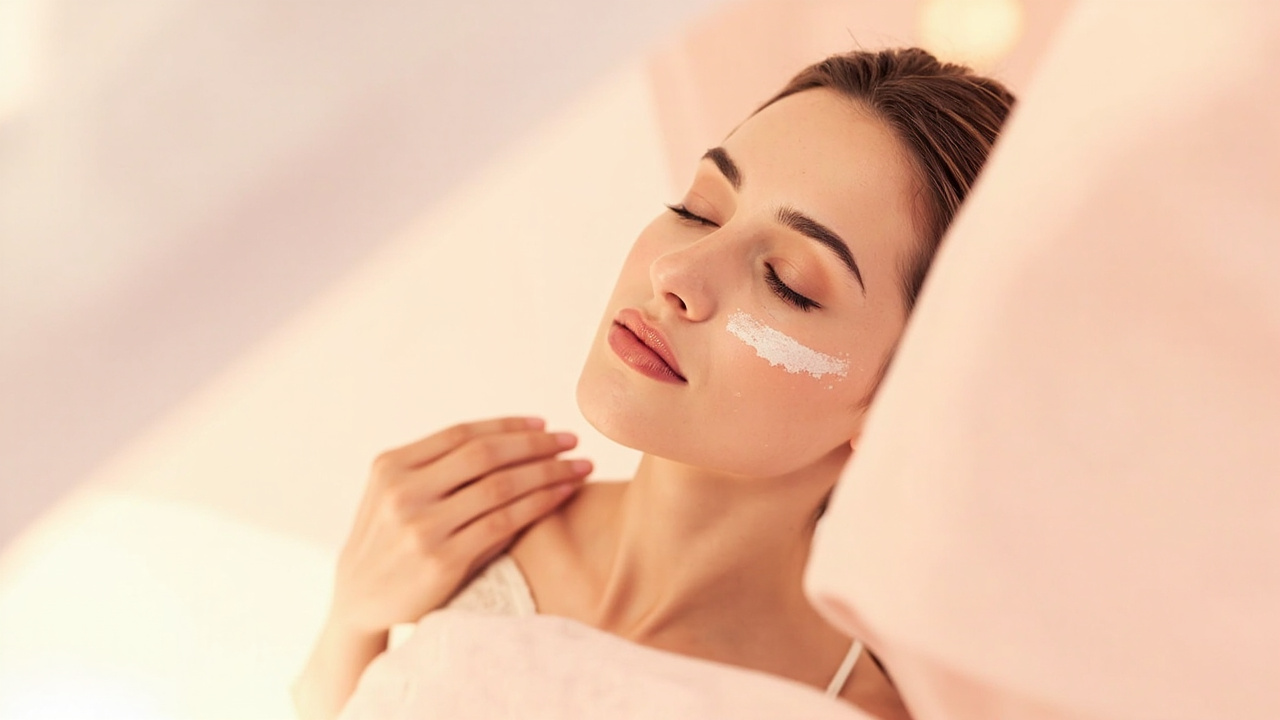
Your body's internal clock, or circadian rhythm, regulates many processes. This includes skin repair. Your skin cells follow a 24-hour cycle. During the day, they focus on protection. At night, they shift to repair and renewal.
Key skin functions that follow your circadian rhythm:
- Cell turnover: Peaks at night, replacing old cells with new ones.
- Barrier repair: Most active during sleep, strengthening the skin's protective layer.
- Sebum production: Increases at night, keeping skin hydrated.
The 'Beauty Sleep' Myth vs. Reality
The term "beauty sleep" is not just a myth. Research supports its benefits. A study in Clinical and Experimental Dermatology found that poor sleep quality ages skin faster. However, it's not just about quantity. Quality sleep matters too.
Reality: Consistent, restful sleep improves skin appearance. But sleeping for 10 hours won't erase all skin issues. It's one part of a healthy lifestyle.
Common Skin Issues Linked to Poor Sleep
!Common Skin Issues Linked to Poor Sleep
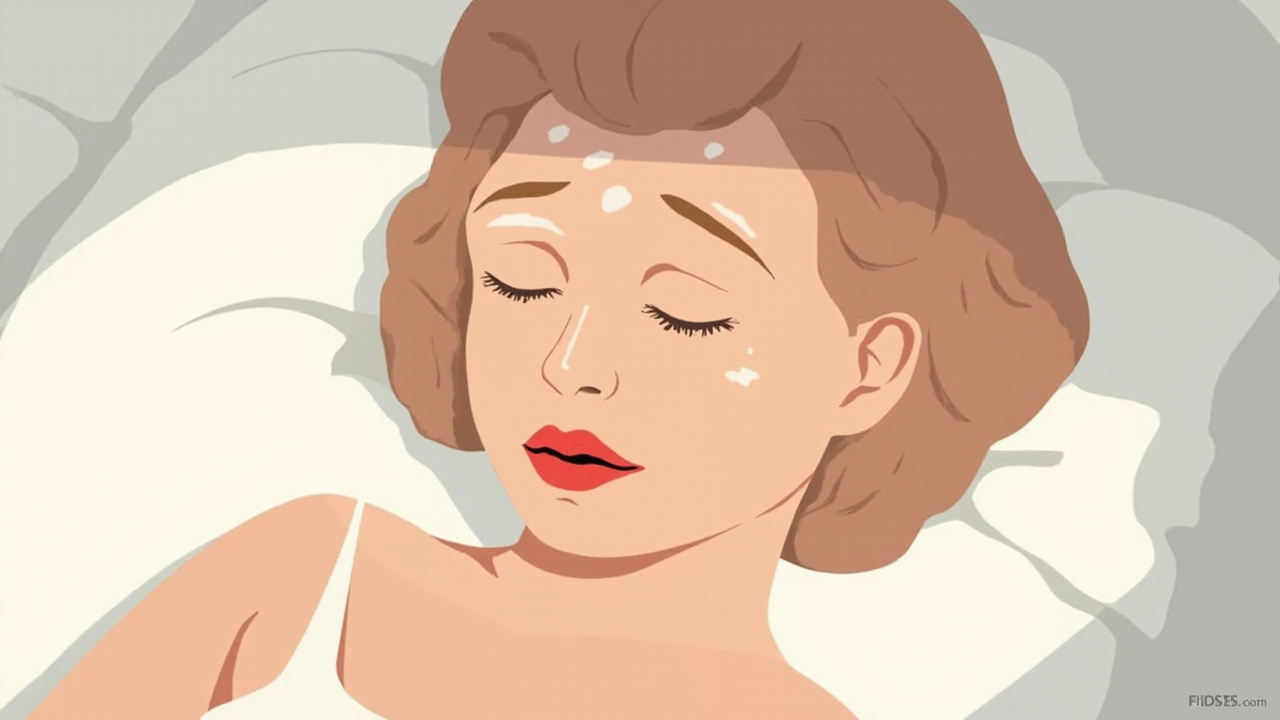
Dark Circles and Puffy Eyes
Lack of sleep causes blood vessels under the eyes to dilate. This creates dark circles. Fluid can also pool, causing puffiness. Sleep deprivation reduces lymphatic drainage, which normally removes excess fluid.
Acne and Breakouts
Cortisol from sleep loss triggers oil production. More oil can clog pores and lead to acne. Poor sleep also impairs your immune system. This makes it harder to fight acne-causing bacteria.
Premature Aging and Wrinkles
Collagen production decreases when you're sleep-deprived. Without enough collagen, skin loses firmness. Fine lines and wrinkles become more visible. A study in Sleep showed that poor sleepers had more signs of intrinsic aging.
Tips for Better Sleep to Improve Your Skin
Establish a Consistent Sleep Schedule
Go to bed and wake up at the same time every day. This helps regulate your circadian rhythm. Aim for 7-9 hours of sleep per night. Consistency is key.
Create a Relaxing Bedtime Routine
- Limit screen time: Blue light from devices disrupts melatonin production.
- Try relaxation techniques: Deep breathing, meditation, or gentle yoga.
- Avoid caffeine and alcohol: They interfere with sleep quality.
Optimize Your Sleep Environment
- Keep your room cool: 60-67°F (15-19°C) is ideal.
- Use blackout curtains: Darkness promotes melatonin release.
- Invest in a good pillow: A clean, hypoallergenic pillowcase reduces skin irritation.
When to See a Dermatologist
If you notice persistent skin issues despite improving sleep, consult a dermatologist. Signs to watch for:
- Severe or cystic acne
- Sudden onset of wrinkles or sagging
- Dark circles that don't improve with rest
- Skin conditions like eczema or psoriasis flaring up
A dermatologist can assess your skin and recommend treatments. They can also check for underlying health conditions affecting your sleep.
Key Takeaways
- Sleep is vital for skin repair and collagen production.
- Lack of sleep increases cortisol, leading to aging and breakouts.
- Circadian rhythm governs skin's nightly repair processes.
- Common sleep-related skin issues: dark circles, acne, wrinkles.
- Improve sleep with a consistent schedule, relaxation, and a good environment.
- See a dermatologist if skin problems persist.
Frequently Asked Questions
Does sleeping on your side cause wrinkles?
Yes, sleeping on your side or stomach can cause compression wrinkles. These are temporary but may become permanent over time. Sleeping on your back is best to avoid this.
Can lack of sleep cause acne?
Yes, sleep deprivation increases cortisol and oil production, which can clog pores and lead to acne.
How many hours of sleep do you need for healthy skin?
Most adults need 7-9 hours of quality sleep per night for optimal skin health.
Does melatonin help skin?
Melatonin is an antioxidant that may protect skin from UV damage. But more research is needed. Consult a doctor before taking supplements.
Can a good sleep routine reverse aging?
While sleep can improve skin appearance, it cannot reverse all signs of aging. A holistic approach including diet, sun protection, and skincare is essential.
You May Also Like
Explore more articles in our Wellness collection:
- Best Sleep Techniques for Dry Skin
- Best Sleep Techniques for Large Pores
- Best Sleep Techniques for Uneven Skin Tone
Related Tools
Try these free calculators and quizzes to personalize your routine: