Frizzy Hair: Symptoms, Causes, and Treatments

What is Frizzy Hair?
Frizzy hair is a common condition where hair strands stand up or curl away from the main hair mass, creating a fuzzy or unruly appearance. It occurs when the hair’s outer layer (cuticle) is raised, allowing moisture to enter and swell the hair shaft. This disrupts the smooth, flat alignment of cuticles that gives hair a sleek look. Frizz can affect any hair type but is more noticeable in curly or wavy hair due to its natural texture.
Common Symptoms of Frizzy Hair
!Common Symptoms of Frizzy Hair
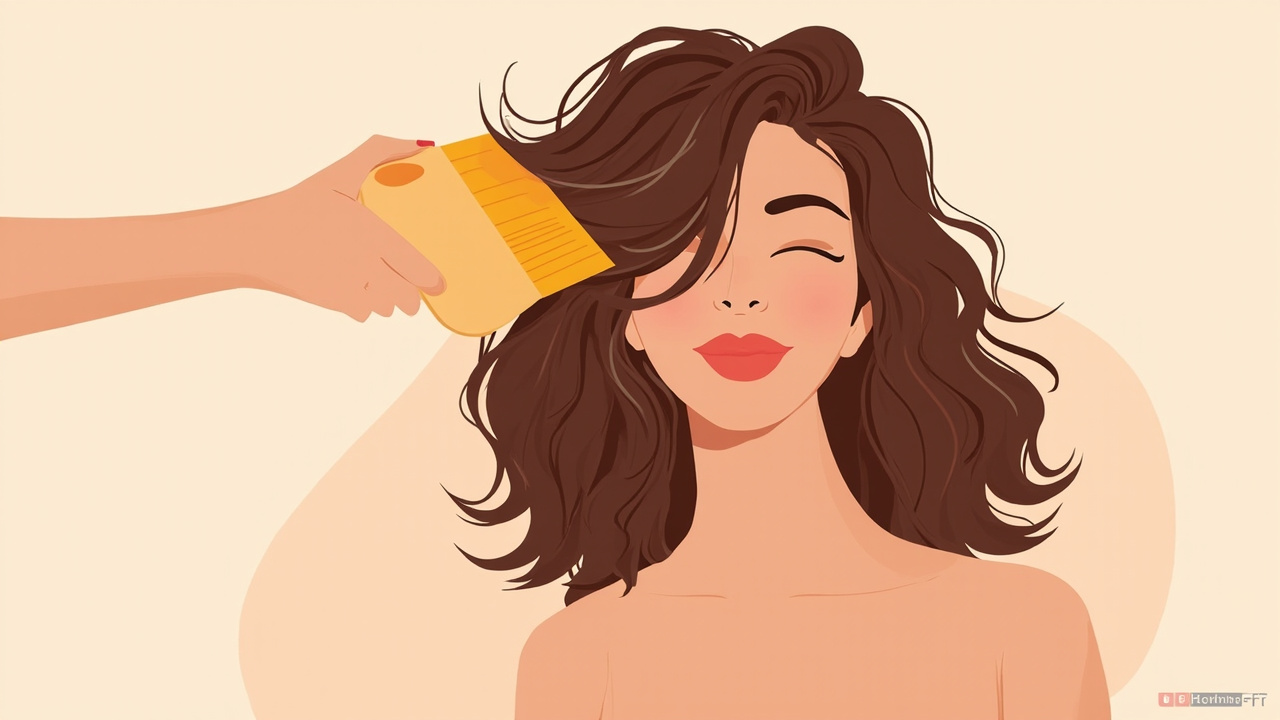
- Flyaways: Short hairs that stick out from the rest of your hair.
- Lack of shine: Dull appearance because light scatters off raised cuticles.
- Tangling: Hair strands catch on each other easily.
- Unmanageability: Difficulty styling or keeping hair in place.
- Dryness: Hair feels rough or brittle to the touch.
- Puffiness: Hair appears voluminous in an uncontrolled way.
Symptoms often worsen in humid weather or after washing.
Main Causes of Frizzy Hair
Humidity and Weather
Humidity is a primary trigger. When the air is moist, water molecules bind to the hair shaft. This breaks hydrogen bonds inside the hair, causing it to swell and frizz. Rain, dew, and high humidity levels (above 60%) exacerbate the problem. Dry air can also cause frizz by stripping moisture, leading to static electricity.
Hair Damage and Dryness
Damaged hair has raised cuticles that cannot lie flat. Common causes of damage include:
- Heat styling (blow-dryers, flat irons, curling wands).
- Chemical treatments (dyes, relaxers, perms).
- Over-washing or using harsh shampoos.
- Environmental factors (sun, wind, pollution).
Dry hair lacks natural oils (sebum) that seal the cuticle. This makes it porous and prone to absorbing moisture from the air.
Hair Type and Genetics
Genetics determine your hair’s natural shape and porosity. Curly and coily hair has an elliptical cross-section, making it more prone to frizz because the cuticle is naturally raised. People with fine hair may experience frizz due to lack of weight to hold strands down. Low-porosity hair resists moisture, while high-porosity hair absorbs too much, both leading to frizz.
Improper Hair Care Routines
- Washing too often: Strips natural oils.
- Using sulfate shampoos: Harsh detergents dry out hair.
- Rough towel drying: Causes friction and lifts cuticles.
- Brushing dry hair: Breaks bonds and creates frizz.
- Skipping conditioner: Leaves hair under-moisturized.
Effective Treatments for Frizzy Hair
Moisturizing Shampoos and Conditioners
Choose sulfate-free, hydrating formulas. Look for ingredients like:
- Glycerin
- Hyaluronic acid
- Aloe vera
- Shea butter
- Ceramides
Use conditioner after every wash. Apply from mid-length to ends. Rinse with cool water to seal cuticles.
Leave-in Conditioners and Serums
Leave-in products provide ongoing moisture and protection. Apply to damp hair before styling. Serums with silicones (dimethicone) coat the hair to smooth frizz. Use sparingly to avoid buildup.
Hair Oils and Masks
Oils like argan, coconut, jojoba, or grapeseed can seal moisture. Apply a few drops to ends. Deep conditioning masks once a week replenish moisture. Use masks with natural oils, proteins, or fatty alcohols.
Styling Techniques to Reduce Frizz
- Air-dry or use a diffuser on low heat.
- Avoid brushing dry hair; use a wide-tooth comb when wet.
- Apply anti-frizz cream before styling.
- Use silk or satin pillowcases to reduce friction.
- Limit heat styling; when using heat, apply a heat protectant.
Professional Treatments
- Keratin treatments: Temporarily smooth hair by filling cuticles with protein. Lasts 2-6 months.
- Bond-building treatments: Repair damage (e.g., Olaplex).
- Scalp treatments: Address underlying dryness or oil imbalance.
Always consult a licensed professional before undergoing chemical treatments.
Prevention Tips for Frizzy Hair
- Wash with lukewarm water; hot water strips oils.
- Use a microfiber towel or cotton T-shirt to dry hair.
- Avoid alcohol-based products that dry hair.
- Protect hair from humidity with anti-humidity sprays.
- Trim split ends every 6-8 weeks.
- Eat a balanced diet rich in omega-3s, biotin, and vitamin E.
- Drink enough water to stay hydrated.
When to See a Dermatologist
Consult a board-certified dermatologist if:
- Frizz is sudden or severe and accompanied by hair loss.
- You have scalp issues (itching, flaking, redness).
- Home treatments do not improve frizz after 3 months.
- You suspect an underlying condition like hypothyroidism or nutritional deficiency.
A dermatologist can diagnose hair shaft disorders, recommend medicated shampoos, or perform blood tests to rule out medical causes.
Key Takeaways
- Frizzy hair results from raised cuticles that let moisture in.
- Main causes: humidity, damage, genetics, and poor hair care.
- Treatments include moisturizing products, oils, and gentle styling.
- Professional treatments like keratin can help.
- See a dermatologist if frizz is extreme or paired with other symptoms.
Frequently Asked Questions
Q: Can frizzy hair be permanently fixed?A: No, but you can manage it with proper care. Treatments like keratin can smooth hair for months, but they are temporary.
Q: Does brushing make frizz worse?A: Yes, brushing dry hair breaks natural curls and raises cuticles. Use a wide-tooth comb on wet hair only.
Q: Is frizzy hair a sign of damage?A: Often yes. Damaged cuticles cannot lie flat, leading to frizz. However, some hair types are naturally prone to frizz.
Q: Can diet affect frizz?A: Yes. A diet lacking essential fatty acids, biotin, or protein can weaken hair, making it more porous and frizzy.
Q: Should I use hair products with silicones?A: Silicones can smooth frizz temporarily, but they may build up. Use them sparingly and clarify periodically.
Citations
You May Also Like
Explore more articles in our Beauty collection:
- Best Affordable Face Serum for Hair Loss
- Best Affordable Toner for Frizzy Hair
- Best Body Lotion for Dark Spots: Top Picks, Ingredients & Expert Tips
Related Tools
Try these free calculators and quizzes to personalize your routine: