Eczema in Teens: What to Know

Understanding Eczema in Teens
Eczema, also called atopic dermatitis, is a chronic skin condition. It causes dry, itchy, and inflamed skin. Many teens experience eczema for the first time or see it worsen during adolescence.
Teens face unique challenges with eczema. Social pressures and self-consciousness can increase stress. Hormonal changes also affect the skin. Understanding these factors helps in managing the condition.
Eczema is not contagious. It results from a combination of genetics and environment. The skin barrier is weaker, allowing moisture to escape and irritants to enter.
Common Triggers for Teen Eczema
!Common Triggers for Teen Eczema

Environmental Factors
- Allergens: Pollen, dust mites, pet dander, and mold can trigger flares.
- Irritants: Harsh soaps, detergents, and fragrances worsen symptoms.
- Weather: Cold, dry air or hot, humid conditions can cause flare-ups.
- Sweat: Physical activity and sweating may irritate the skin.
Stress and Hormones
- Stress: School, exams, social life, and peer pressure increase stress. Stress triggers inflammation and worsens eczema.
- Hormones: Puberty causes hormonal shifts. These changes can affect the immune system and skin barrier, leading to flares.
- Sleep deprivation: Poor sleep from itching can increase stress and create a cycle.
Symptoms and Diagnosis
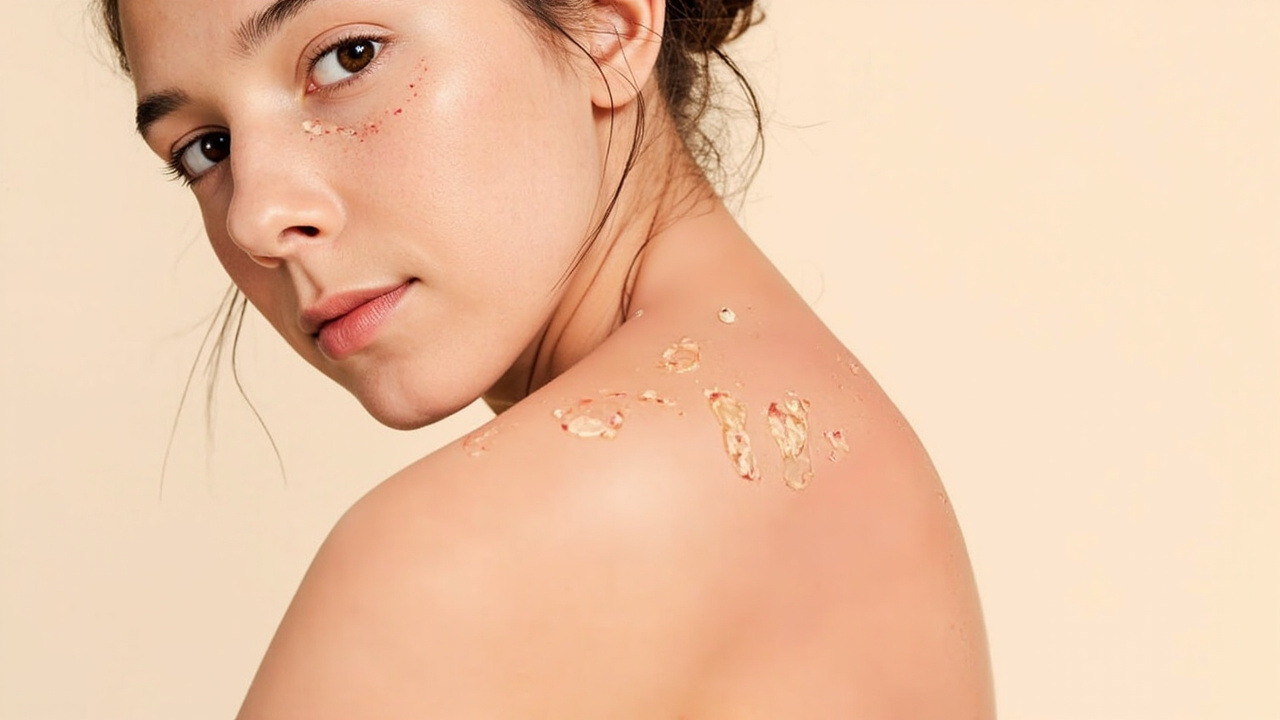
Symptoms of eczema in teens include:
- Intense itching, especially at night
- Dry, scaly, or cracked skin
- Red to brownish-gray patches, often on the face, neck, elbows, knees, and hands
- Small, raised bumps that may leak fluid when scratched
- Thickened, leathery skin from chronic scratching
A dermatologist diagnoses eczema by examining the skin. They review medical history and ask about triggers. No specific test exists, but sometimes patch testing rules out allergies.
Treatment Options for Teen Eczema
Over-the-Counter Remedies
- Moisturizers: Use fragrance-free creams or ointments daily. Apply within 3 minutes after bathing.
- Hydrocortisone cream: Low-strength steroid cream reduces itching and redness. Use for short periods only.
- Antihistamines: Oral antihistamines like cetirizine can help with itching, especially at night.
- Colloidal oatmeal: Bath products with colloidal oatmeal soothe irritated skin.
Prescription Treatments
- Topical corticosteroids: Stronger steroid creams or ointments prescribed by a doctor. Use as directed to avoid side effects.
- Topical calcineurin inhibitors: Non-steroid medications like tacrolimus and pimecrolimus. Safe for sensitive areas like face and neck.
- Biologics: For moderate to severe eczema, injectable medications like dupilumab target specific immune pathways.
- Oral medications: In severe cases, doctors may prescribe oral steroids or immunosuppressants. These have significant side effects.
Lifestyle and Home Care
- Gentle cleansing: Use mild, fragrance-free cleansers. Avoid hot water and scrubbing.
- Bathing: Take short, lukewarm baths (5-10 minutes). Pat skin dry, then moisturize.
- Wet wrap therapy: Apply moisturizer and wrap with damp gauze for severe flares. Do this under medical guidance.
- Avoid triggers: Identify and avoid personal triggers. Keep a diary to track flares.
- Wear soft fabrics: Choose cotton and avoid wool or synthetic materials.
Managing Eczema in Daily Life
Eczema can affect school, sports, and social activities. Here are practical tips:
- At school: Keep a small tube of moisturizer in the backpack. Inform teachers about the condition.
- During sports: Shower immediately after sweating. Use gentle cleansers and moisturize.
- Social situations: Be open with close friends. Eczema is common and nothing to be ashamed of.
- Sleep: Keep the bedroom cool and humidified. Use cotton sheets and avoid heavy blankets.
- Stress management: Practice relaxation techniques like deep breathing, meditation, or yoga. Talk to a counselor if needed.
When to See a Doctor
See a dermatologist if:
- Eczema interferes with daily life or sleep.
- Over-the-counter treatments do not help.
- Skin becomes infected (signs: increased redness, pain, pus, fever).
- Flares are frequent or severe.
A board-certified dermatologist can create a personalized treatment plan. They can also address concerns about scarring or skin changes.
Key Takeaways
- Eczema is common in teens and can be managed with proper care.
- Triggers include environmental factors, stress, and hormones.
- Treatment involves moisturizing, avoiding triggers, and using medications when needed.
- See a dermatologist for persistent or severe symptoms.
- Self-care and stress reduction are essential for long-term control.
FAQ
Q: Can eczema in teens go away on its own?A: Eczema may improve with age, but many teens continue to have flares. Proper treatment helps control symptoms.
Q: Is eczema contagious?A: No, eczema is not contagious. It is an inflammatory condition, not an infection.
Q: Can diet affect teen eczema?A: Some teens have food triggers. Common culprits include dairy, eggs, and nuts. An elimination diet under a doctor's guidance can help identify triggers.
Q: Can stress cause eczema?A: Yes, stress is a common trigger. It can worsen existing eczema and cause new flares.
Q: What is the best moisturizer for teen eczema?A: The best moisturizer is fragrance-free, hypoallergenic, and thick (cream or ointment). Examples include petroleum jelly and ceramide-based creams.
Citations
You May Also Like
Explore more articles in our Health collection:
- The Ultimate Guide to the Best Body Mist for Combination Skin
- The Ultimate Guide to the Best Makeup Remover for Combination Skin (2024)
- The Ultimate Guide to the Best Sheet Mask for Fine Hair: Hydration Without the Weight
Related Tools
Try these free calculators and quizzes to personalize your routine: