Damaged Hair: Symptoms, Causes, and Treatments

What Is Damaged Hair?
Damaged hair occurs when the hair cuticle (the outer protective layer) is compromised. This leads to moisture loss, structural weakness, and increased porosity. Healthy hair has a smooth, intact cuticle that reflects light and retains moisture. Damaged hair has gaps and cracks in the cuticle, making it prone to breakage, frizz, and dullness.
Common Symptoms of Damaged Hair
!Common Symptoms of Damaged Hair
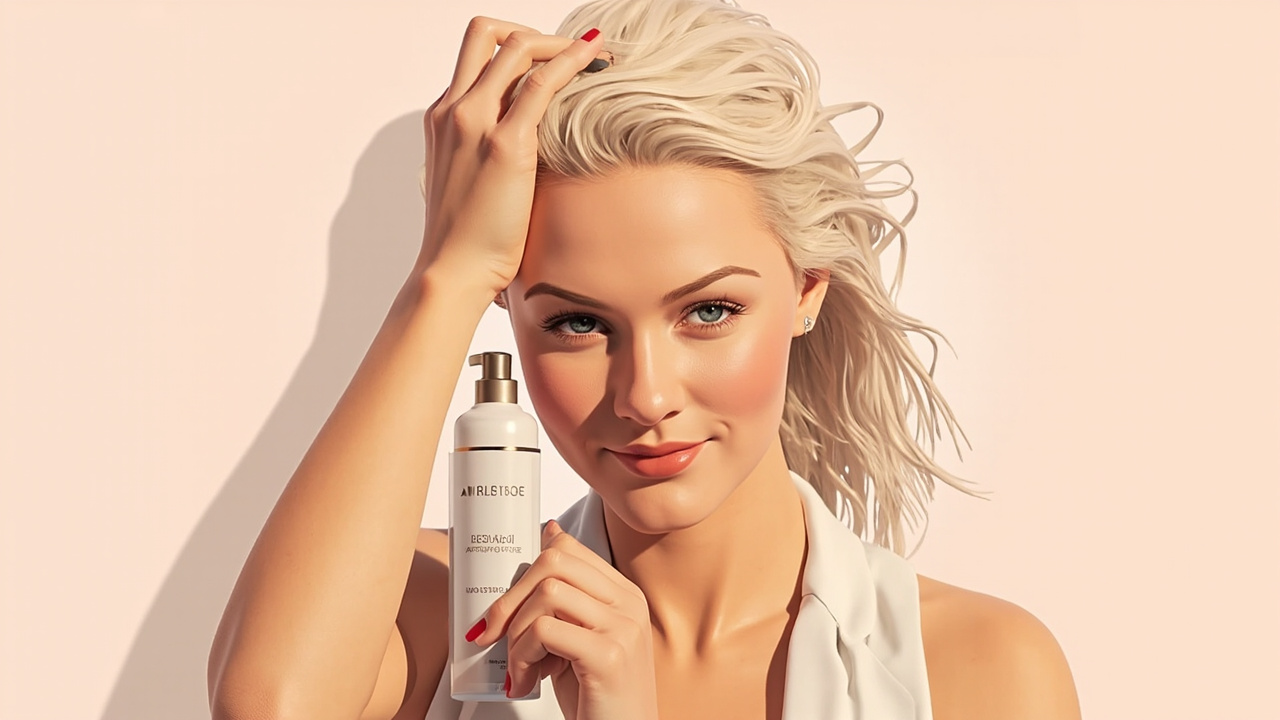
Split Ends and Frizz
Split ends (trichoptilosis) happen when the protective cuticle wears away at the tips. Frizz occurs when the cuticle lifts, allowing moisture to swell the hair shaft unevenly.
Dryness and Brittleness
Damaged hair loses its natural oils. This makes it feel dry, straw-like, and brittle. It may snap easily when stretched.
Lack of Shine and Dullness
A damaged cuticle scatters light instead of reflecting it. This results in a dull, lifeless appearance.
Breakage and Hair Loss
Weakened hair breaks off at weak points. This can lead to noticeable thinning or hair loss, especially with excessive manipulation.
Tangled and Rough Texture
Raised cuticles cause friction between strands. Hair becomes tangled, rough to the touch, and difficult to comb.
Causes of Damaged Hair
Heat Styling and Chemical Treatments
- Heat tools (blow dryers, flat irons, curling wands) can reach over 400°F. This boils moisture inside the hair, creating bubbles (bubble hair) and weakening the protein structure.
- Chemical treatments like bleaching, perming, and relaxing break disulfide bonds in hair. Repeated use leads to irreversible damage.
Environmental Factors (Sun, Pollution, Hard Water)
- UV radiation degrades hair proteins (keratin) and melanin, causing color fading and brittleness.
- Air pollution particles deposit on the scalp and hair, causing oxidative stress and cuticle damage.
- Hard water contains calcium and magnesium. These minerals build up on hair, making it stiff, dry, and difficult to manage.
Over-Washing and Improper Brushing
- Frequent washing strips natural sebum. Shampoos with sulfates can be especially drying.
- Brushing wet hair is risky because wet hair is more elastic and prone to breakage. Using a fine-tooth comb or brushing too vigorously can snap strands.
Nutritional Deficiencies and Health Conditions
- Iron deficiency can lead to hair thinning and breakage.
- Biotin, zinc, and protein deficiencies affect hair strength and growth.
- Medical conditions like hypothyroidism, alopecia areata, or scalp infections can cause hair damage.
Effective Treatments for Damaged Hair
Moisturizing and Protein Treatments
- Moisturizing masks with humectants (glycerin, hyaluronic acid) restore hydration.
- Protein treatments (keratin, collagen) fill gaps in the cuticle temporarily. Use them sparingly—too much protein can make hair stiff and brittle.
Leave-In Conditioners and Hair Oils
- Leave-in conditioners provide ongoing moisture and detangling.
- Hair oils (argan, coconut, jojoba) seal the cuticle and reduce frizz. Apply to damp hair, focusing on ends.
Trim and Cut Split Ends
- Regular trims (every 6–8 weeks) remove split ends before they travel up the hair shaft. This prevents further breakage.
Minimize Heat and Chemical Exposure
- Use heat protectant sprays before styling.
- Lower heat settings (below 300°F for fine hair, 350°F for thick hair).
- Limit chemical treatments to every 8–12 weeks or longer.
Healthy Diet and Supplements
- Eat protein-rich foods (eggs, fish, legumes) for keratin production.
- Include iron (spinach, red meat), zinc (nuts, seeds), and biotin (eggs, avocados).
- Consider supplements if deficient, but consult a healthcare provider first.
When to See a Professional
Consult a dermatologist if you experience:
- Sudden or patchy hair loss
- Scalp pain, itching, or flaking
- No improvement after 3 months of home care
- Signs of infection (redness, pus)
A trichologist or stylist can also help with severe damage from chemical overprocessing.
Frequently Asked Questions
No, once the hair cortex is damaged, it cannot regenerate. However, treatments can temporarily strengthen and smooth the hair until it grows out.
2–3 times per week is ideal. Over-washing strips natural oils. Use a sulfate-free, moisturizing shampoo.
Yes, coconut oil penetrates the hair shaft and reduces protein loss. It is effective for pre-wash treatments and sealing moisture.
Yes, chronic stress can trigger telogen effluvium, causing temporary shedding. It may also worsen existing damage by affecting hair care habits.
Air drying is gentler, but if you must blow dry, use low heat and a diffuser. Always apply a heat protectant.
Key Takeaways
- Damaged hair results from a compromised cuticle, leading to dryness, breakage, and dullness.
- Common causes include heat styling, chemicals, environment, and poor nutrition.
- Treatments focus on moisture, protein, and protective practices.
- Regular trims and professional help are crucial for severe cases.
- A healthy diet and gentle hair care routine support long-term hair health.
Citations:
You May Also Like
Explore more articles in our Beauty collection:
- How to Protect Psoriasis: A Complete Step-by-Step Guide to Managing Flares and Soothing Skin
- The Ultimate Guide to the Best Face Oil for Whiteheads: Clear Pores Without the Grease
- 30s Skin Care Routine for Damaged Hair
Related Tools
Try these free calculators and quizzes to personalize your routine: