Damaged Hair in 50s: What to Know

Introduction: Why Hair Changes in Your 50s
Hair changes in your 50s. It becomes thinner, drier, and more fragile. This is normal. Hormonal shifts, aging, and years of styling take a toll. Understanding these changes helps you care for your hair better. This article covers causes, signs, treatments, and routines for damaged hair in your 50s.
Common Causes of Damaged Hair in Your 50s
!Common Causes of Damaged Hair in Your 50s
Hormonal Shifts and Thinning
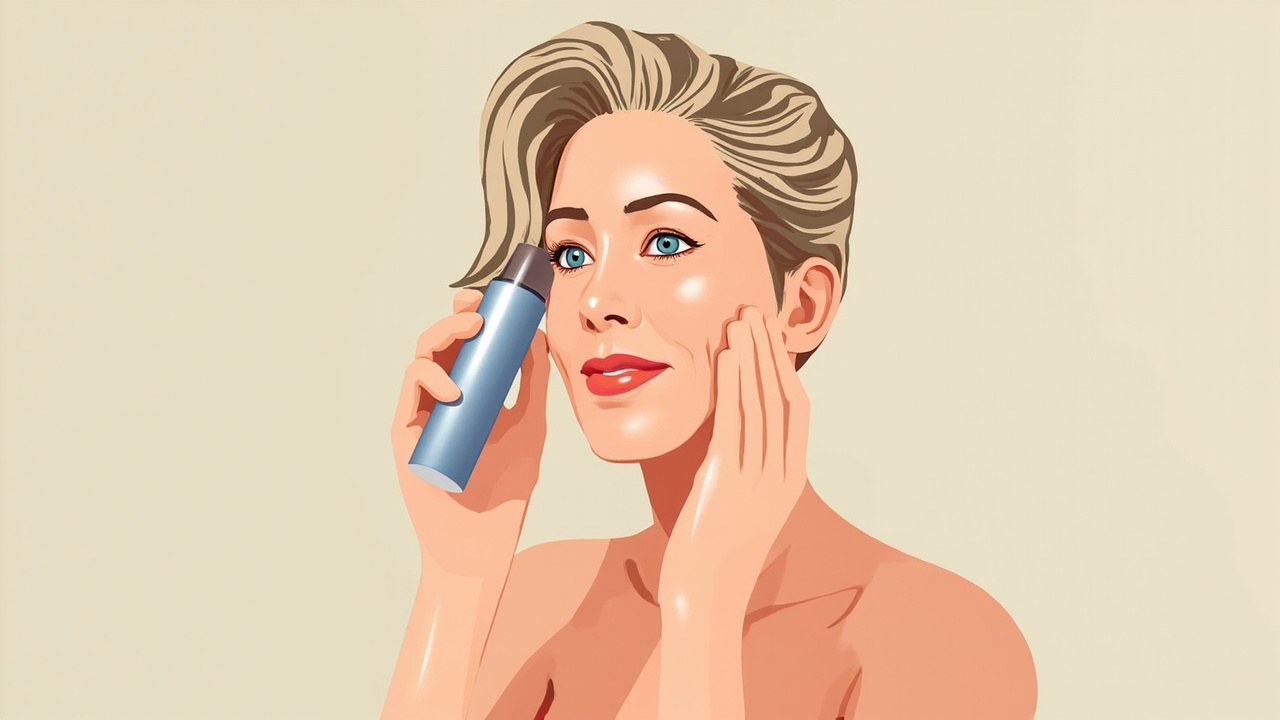
As you age, estrogen and progesterone levels drop. This leads to finer hair and slower growth. Androgens (male hormones) can cause hair thinning at the crown. This is called female pattern hair loss. It affects many women over 50. Stress also raises cortisol, which can worsen hair shedding.
Environmental and Styling Damage
Years of heat styling, coloring, and chemical treatments add up. UV rays from the sun damage the hair cuticle. Pollution and hard water also harm hair. Overwashing strips natural oils. Tight hairstyles cause traction alopecia. All these factors make hair weak and brittle.
Signs of Damaged Hair to Watch For
!Signs of Damaged Hair to Watch For
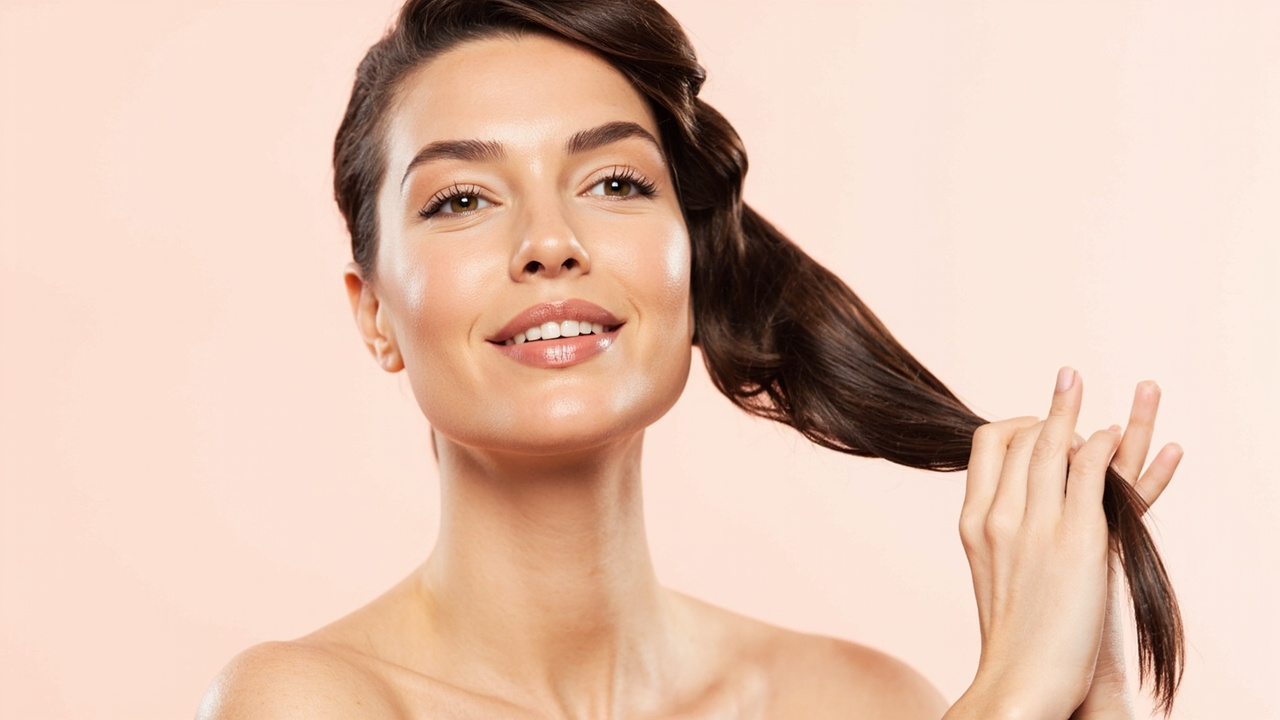
- Excessive shedding: More than 100 hairs per day.
- Brittleness: Hair breaks easily when brushed.
- Dryness: Feels rough and lacks shine.
- Split ends: Visible splitting of the hair shaft.
- Lack of elasticity: Hair snaps instead of stretching.
- Dullness: No natural luster.
- Thinning: Noticeable widening of the part.
If you see these signs, it's time to adjust your routine.
Best Treatments and Products for Damaged Hair Over 50
Moisturizing and Strengthening Ingredients
Look for products with these proven ingredients:
- Hyaluronic acid: Attracts moisture to hair.
- Ceramides: Strengthen the hair shaft.
- Argan oil: Rich in fatty acids and vitamin E.
- Shea butter: Deeply moisturizes.
- Biotin: Supports keratin production.
- Panthenol (pro-vitamin B5): Improves elasticity.
- Niacinamide: Boosts circulation to scalp.
- Keratin: Repairs damaged protein bonds.
Avoid sulfates, alcohol, and parabens. They dry out hair.
Professional Treatments (Keratin, Olaplex, etc.)
- Keratin treatments: Smooth the cuticle and reduce frizz. Good for dry, damaged hair. But they contain formaldehyde. Use sparingly.
- Olaplex: A bond-repairing system. It reconnects broken disulfide bonds. Works well for chemically treated hair.
- Scalp treatments: Microneedling or PRP (platelet-rich plasma) can stimulate hair growth. Consult a dermatologist.
- Low-level laser therapy: May increase hair density. At-home devices are available.
Always get professional treatments from a licensed stylist or dermatologist.
Daily Hair Care Routine for Damaged Hair in Your 50s
When to See a Dermatologist or Trichologist
See a dermatologist if:
- You notice sudden or patchy hair loss.
- Your scalp is red, itchy, or painful.
- You have a family history of hair loss.
- Over-the-counter products don't help.
- You suspect a medical condition (e.g., thyroid issues, anemia).
A trichologist is a specialist in hair and scalp health. They can perform tests and recommend treatments. Early intervention prevents further damage.
Key Takeaways
- Hair changes in your 50s are normal due to hormones and aging.
- Common causes: hormonal shifts, environmental damage, styling.
- Signs: shedding, brittleness, dryness, split ends.
- Use moisturizing and strengthening ingredients.
- Professional treatments like Olaplex can help.
- Adopt a gentle daily routine.
- See a dermatologist for persistent issues.
- Healthy hair is possible at any age with proper care.
Frequently Asked Questions
Q: Can hair grow back after thinning in your 50s?A: Yes, with proper care and treatment. Minoxidil (Rogaine) and low-level laser therapy can stimulate regrowth. See a dermatologist for options.
Q: Is it safe to color hair in your 50s?A: Yes, but use gentle, ammonia-free dyes. Limit to every 6-8 weeks. Deep condition after coloring.
Q: Does biotin really help damaged hair?A: Biotin supports keratin production. It may help if you have a deficiency. But evidence for strong hair growth is limited. Consult your doctor.
Q: How often should I trim damaged hair?A: Every 6-8 weeks. Regular trims prevent split ends from traveling up the shaft.
Q: Can stress cause hair damage in your 50s?A: Yes. Stress triggers telogen effluvium, a temporary shedding phase. Manage stress with relaxation techniques.
References
You May Also Like
Explore more articles in our Beauty collection:
- 20s Skin Care Routine for Frizzy Hair
- 40s Skin Care Routine for Damaged Hair
- 50s Skin Care Routine for Thinning Hair
Related Tools
Try these free calculators and quizzes to personalize your routine: