Common Myths About Rosacea Debunked

Introduction: Why Rosacea Myths Are Harmful
Rosacea affects over 16 million Americans. Yet many people believe false information about this skin condition. Myths can lead to wrong treatments. They can also cause embarrassment and delay proper care. This article debunks seven common myths about rosacea. It uses evidence from dermatology experts. Understanding the truth helps you manage rosacea better.
Myth 1: Rosacea Is Caused by Poor Hygiene
!Myth 1: Rosacea Is Caused by Poor Hygiene
Fact: Rosacea is not caused by dirt or poor hygiene.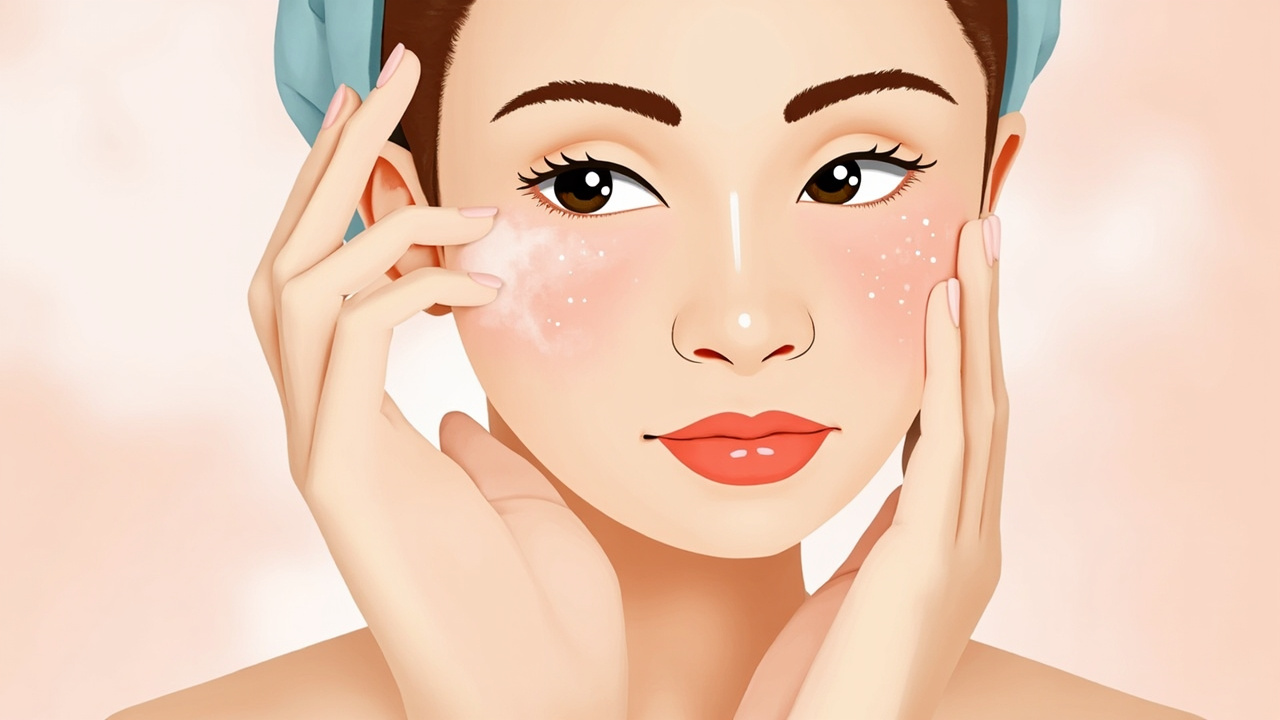
Rosacea is a chronic inflammatory skin condition. Its exact cause is unknown. Factors include genetics, immune system problems, and environmental triggers. Washing your face more often will not cure rosacea. In fact, harsh cleansers can irritate skin and worsen symptoms.
- What actually helps: Gentle cleansing, moisturizing, and prescription treatments.
- Key point: Rosacea is not a hygiene issue. Do not scrub your face aggressively.
Myth 2: Rosacea Is Just Adult Acne
!Myth 2: Rosacea Is Just Adult Acne
Fact: Rosacea and acne are different conditions.
Adult acne involves clogged pores and bacteria. Rosacea involves redness, visible blood vessels, and bumps. Rosacea bumps (papules and pustules) look like acne but do not have blackheads or whiteheads.
| Feature | Acne | Rosacea |
|---------|------|---------|
| Blackheads/whiteheads | Yes | No |
| Redness | Mild | Prominent |
| Visible blood vessels | No | Yes |
| Flushing | Rare | Common |
Treatments also differ. Acne products (like benzoyl peroxide) can irritate rosacea skin. See a dermatologist for a correct diagnosis.
Myth 3: Rosacea Only Affects Fair-Skinned People
Fact: Rosacea can affect all skin tones.Rosacea is more common in people with fair skin. But it also occurs in darker skin types. In people of color, rosacea may appear as brown or purple patches. It can be harder to see. This leads to underdiagnosis.
- Statistics: About 10% of rosacea patients have skin of color.
- Signs to watch for: Persistent redness, warmth, bumps, or eye irritation.
- Action: If you have dark skin and suspect rosacea, see a dermatologist experienced with diverse skin tones.
Myth 4: Alcohol and Spicy Foods Always Trigger Rosacea
Fact: Triggers vary from person to person.Common triggers include sun exposure, heat, stress, and wind. Alcohol and spicy foods are triggers for some, but not all. Each person has unique triggers. Keeping a diary helps identify yours.
- Common triggers:
- Sunlight
- Hot or cold weather
- Stress
- Hot drinks
- Exercise
- Certain skincare products
- Not a trigger for everyone: Alcohol or spicy foods.
- Tip: Avoid your personal triggers. Do not assume you must avoid all common triggers.
Myth 5: Rosacea Is Contagious
Fact: Rosacea is not contagious.You cannot catch rosacea from someone else. It is not caused by bacteria or viruses that spread. Rosacea is likely a combination of genetics and environmental factors. You can safely touch someone with rosacea. Sharing towels or makeup is also safe.
- Reassurance: Rosacea cannot be transmitted.
- Why myth persists: The redness and bumps may look like an infection, but they are not.
Myth 6: Rosacea Can Be Cured by Over-the-Counter Products
Fact: There is no cure for rosacea, but treatments can control it.OTC products may soothe symptoms but cannot cure rosacea. Many OTC creams contain ingredients that irritate rosacea skin. Prescription medications (topical or oral) are often needed.
- Effective treatments:
- Topical metronidazole, azelaic acid, or ivermectin.
- Oral antibiotics (doxycycline).
- Laser therapy for visible blood vessels.
- What to avoid: Harsh scrubs, alcohol-based toners, and strong acids.
- Always consult a doctor before starting any treatment.
Myth 7: Rosacea Is Only a Cosmetic Issue
Fact: Rosacea can have serious medical consequences.Rosacea is more than redness. It can cause eye problems (ocular rosacea). Ocular rosacea leads to dry, red, irritated eyes. It can damage the cornea if untreated. Some people develop thickened skin (phymatous rosacea). This can affect the nose (rhinophyma).
- Medical risks:
- Eye infections
- Corneal damage
- Skin thickening
- Psychological impact: Rosacea can cause anxiety, depression, and social withdrawal.
- See a dermatologist for proper management.
Conclusion
You May Also Like
Explore more articles in our Health collection:
- Best Lash Serum for Dark Circles: The Complete Guide to Brighter Eyes and Longer Lashes
- Best Lip Plumper: Instant Volume Without Injections That Actually Works
- Best Luxury Toner for Blackheads: Separating Fact from Fiction for Better Rosacea Management
Knowing the truth about rosacea is the first step to managing it. Rosacea is not caused by poor hygiene, not contagious, and not just a cosmetic issue. It affects all skin types. Triggers are personal. Treatment requires a doctor’s guidance. Do not let myths stop you from seeking help.
Key Takeaways- Rosacea is a chronic inflammatory condition, not a hygiene problem.
- It is different from acne and requires different treatment.
- It can affect people of all skin tones.
- Triggers vary; keep a diary to find yours.
- Rosacea is not contagious.
- OTC products cannot cure rosacea; see a dermatologist.
- Rosacea can cause eye problems and skin thickening.
- Early diagnosis and treatment improve outcomes.
- Persistent redness or flushing.
- Bumps or pimples that do not go away.
- Eye irritation, dryness, or redness.
- Skin thickening on nose or chin.
- Symptoms that affect your quality of life.
Frequently Asked Questions
Can rosacea go away on its own?No, rosacea is chronic. It may flare and remit, but it does not disappear without treatment. Management can keep symptoms under control.
Is rosacea related to diet?Some people find that certain foods (like spicy dishes or hot drinks) trigger flares. But diet is not a cause. A balanced diet may help overall skin health.
Can makeup worsen rosacea?Some makeup products can irritate rosacea. Choose non-comedogenic, fragrance-free, and gentle formulas. Mineral makeup often works well.
Does sunscreen help rosacea?Yes, sun exposure is a common trigger. Use a broad-spectrum SPF 30+ sunscreen daily. Physical sunscreens (zinc oxide, titanium dioxide) are less irritating.
Is rosacea hereditary?Rosacea often runs in families. If a parent has rosacea, you may be more likely to develop it. But it is not guaranteed.
Citations
Key Takeaways
- Introduction: Why Rosacea Myths Are Harmful
- Myth 1: Rosacea Is Caused by Poor Hygiene
- Myth 2: Rosacea Is Just Adult Acne
- Myth 3: Rosacea Only Affects Fair-Skinned People
- Myth 4: Alcohol and Spicy Foods Always Trigger Rosacea
Related Tools
Try these free calculators and quizzes to personalize your routine: