Common Myths About Damaged Hair Debunked

Introduction: The Truth About Damaged Hair
Hair damage is a common concern. Many people believe myths that lead to ineffective care. This article debunks those myths. We use scientific evidence. The goal is to help you make informed decisions.
Damaged hair has cuticle layers that are lifted or broken. This makes hair weak, dull, and prone to breakage. Understanding the real causes is key. Let's explore common myths and facts.
Myth 1: Split Ends Can Be Repaired
!Myth 1: Split Ends Can Be Repaired

Split ends are permanent. The hair shaft splits due to wear. No product can glue them back together. Once split, the only solution is to cut them off.
Why split ends are permanent and how to prevent them
Hair is dead tissue. It cannot heal itself. Products claim to "repair" split ends. They only temporarily seal them. This seal washes out. The split remains.
Prevention tips:- Get regular trims every 6-8 weeks.
- Avoid harsh brushing when wet.
- Use heat protectant before styling.
- Limit chemical treatments.
Trimming prevents splits from traveling up the hair shaft. This keeps hair healthy longer.
Myth 2: Frequent Trimming Makes Hair Grow Faster
!Myth 2: Frequent Trimming Makes Hair Grow Faster
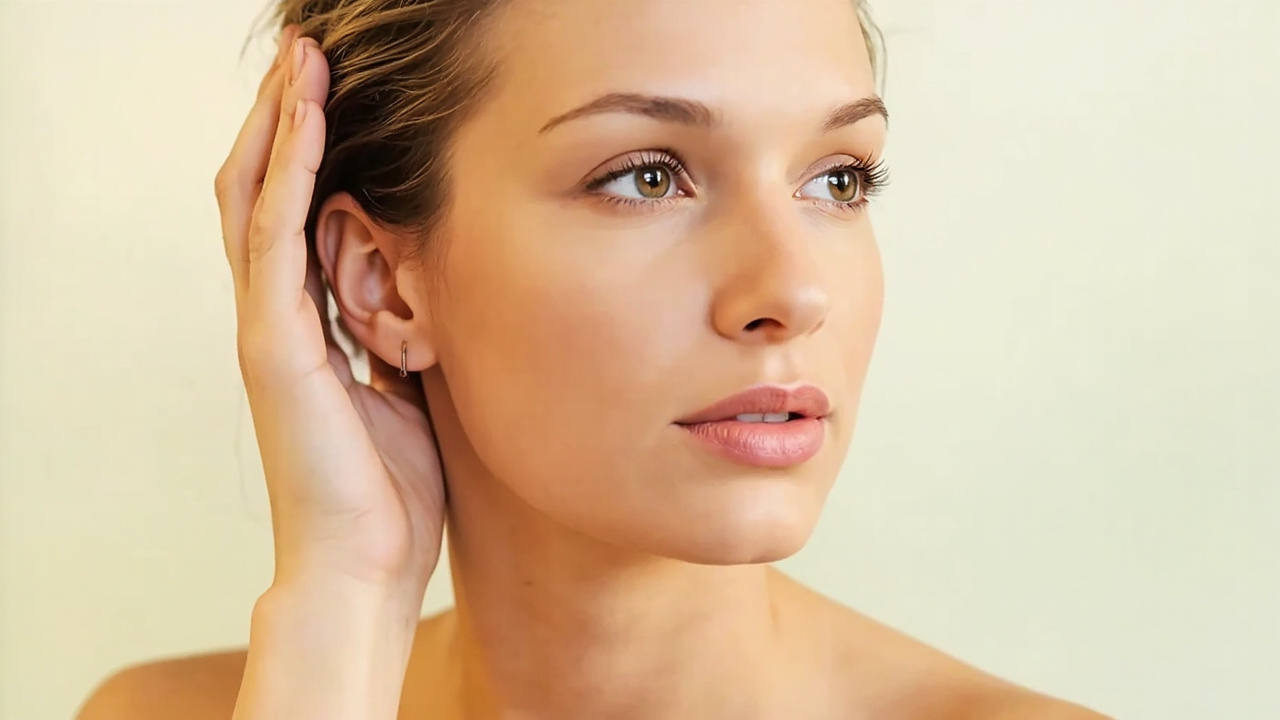
Trimming does not affect growth rate. Hair grows from the root. Cutting the ends has no impact on the follicle. Growth rate is genetic and hormonal.
The real relationship between trims and hair growth
Regular trims prevent breakage. This helps hair retain length. Breakage makes hair seem shorter. By removing damaged ends, hair looks longer and healthier.
Key points:- Hair grows about half an inch per month.
- Trims every 8-12 weeks maintain health.
- Growth rate is not changed by cutting.
Myth 3: Natural Oils Can Reverse Damage
Oils like coconut or argan oil are beneficial. They moisturize and reduce frizz. However, they cannot reverse structural damage. Damage involves broken bonds and cuticle loss.
How oils help vs. what they can't fix
Oils penetrate the hair shaft to some extent. They fill gaps temporarily. This improves shine and softness. But once the cuticle is gone, oils cannot rebuild it.
What oils do:- Reduce moisture loss.
- Protect from heat and UV.
- Improve manageability.
- Repair split ends.
- Restore broken protein bonds.
- Reverse chemical damage permanently.
Myth 4: Heat Styling Is the Only Cause of Damage
Heat is a major factor. But other causes are equally damaging. Chemical treatments, environmental stress, and mechanical damage all play a role.
Other factors: chemical treatments, environmental stress, and mechanical damage
Chemical treatments include bleaching, perming, and relaxing. These break disulfide bonds in hair. This weakens the structure. Overuse leads to severe damage. Environmental stress includes sun exposure, wind, and pollution. UV rays degrade hair proteins. Saltwater and chlorine also strip natural oils. Mechanical damage comes from brushing, tight hairstyles, and friction. Wet hair is especially vulnerable. Rough towel drying causes breakage. Prevention:- Use low heat settings.
- Wear a hat in the sun.
- Rinse hair after swimming.
- Use a wide-tooth comb on wet hair.
Myth 5: Expensive Products Are Always Better
Price does not guarantee quality. Many affordable products contain effective ingredients. Marketing often drives high prices. Focus on ingredients, not brand.
Ingredients that matter vs. marketing hype
Look for ingredients like:
- Keratin: A protein that strengthens hair.
- Ceramides: Help repair the cuticle.
- Silicones: Provide temporary smoothness.
- Hydrolyzed proteins: Fill in gaps.
Avoid products with harsh sulfates and alcohols. They strip natural oils. Check labels for proven ingredients.
Tips:- Read reviews from reputable sources.
- Patch test new products.
- Consult a dermatologist for personalized advice.
Myth 6: Damaged Hair Can Be Fixed with Protein Treatments Alone
Protein treatments are helpful. They strengthen hair by filling in gaps. But too much protein can make hair brittle. A balance of protein and moisture is essential.
The balance of protein and moisture
Hair is made of protein. Damage depletes protein. Protein treatments temporarily restore strength. However, moisture is needed for flexibility. Without moisture, hair becomes stiff and breaks.
Signs you need protein:- Hair feels mushy when wet.
- Stretches excessively.
- Lacks elasticity.
- Hair is dry and brittle.
- Rough texture.
- Frizz and tangles.
- Use a protein treatment every 4-6 weeks.
- Follow with a deep conditioner.
- Alternate between protein and moisture products.
Myth 7: Washing Hair Less Often Prevents Damage
Infrequent washing can backfire. A dirty scalp has excess oil and buildup. This can clog follicles and cause inflammation. Healthy hair starts with a clean scalp.
Scalp health and proper cleansing
The scalp is skin. It needs regular cleansing. Sebum, sweat, and products accumulate. This can lead to dandruff or infection. A healthy scalp promotes hair growth.
Washing frequency depends on:- Hair type (oily vs. dry).
- Activity level.
- Product use.
- Oily hair: wash every other day.
- Dry hair: wash 1-2 times per week.
- Use a gentle shampoo.
- Condition only the ends.
Overwashing can strip natural oils. But underwashing causes scalp issues. Find a balance that works for you.
Conclusion
You May Also Like
Explore more articles in our Beauty collection:
- Best Drugstore Cleanser for Damaged Hair
- Best Drugstore Face Serum for Frizzy Hair | Expert Guide 2026
- Best Drugstore Toner for Damaged Hair: How to Truly Care for Damaged Hair
Caring for damaged hair requires facts. Avoid myths that waste time and money. Focus on prevention and proper maintenance.
Key steps:- Get regular trims.
- Use heat protectant.
- Limit chemical treatments.
- Choose products with proven ingredients.
- Balance protein and moisture.
- Maintain scalp health.
If hair damage is severe or accompanied by hair loss, see a dermatologist. They can identify underlying conditions like alopecia or thyroid issues.
Key Takeaways
- Split ends cannot be repaired; only trimming helps.
- Trimming does not speed growth but prevents breakage.
- Oils moisturize but do not reverse structural damage.
- Damage has many causes beyond heat styling.
- Expensive products are not always better.
- Protein and moisture must be balanced.
- Regular washing supports scalp health.
- See a doctor if hair loss or severe damage occurs.
Frequently Asked Questions
1. Can I repair split ends at home?No. Split ends are permanent. The only way to remove them is by cutting. Products can temporarily seal them, but the split remains.
2. How often should I trim my hair?Every 6-8 weeks is ideal for preventing split ends. If you have healthy hair, every 10-12 weeks may suffice.
3. Does coconut oil repair damaged hair?Coconut oil moisturizes and reduces protein loss. However, it cannot repair broken bonds or split ends. It improves appearance but not structure.
4. Can shampooing less often reduce damage?Not necessarily. Infrequent washing can lead to scalp buildup and inflammation. Wash according to your hair type and needs.
5. Are salon treatments better than home care?Salon treatments can be effective but are not always superior. Consistency with proper home care is key. Consult a professional for severe damage.